
Orpheus Charming the Animals — History & Facts
What draws the eye first is not the legendary figure at the center, but the wild menagerie he commands: leopards slink by the water’s edge, a camel and a horse stand almost companionably close, and birds of every sort dot the ground and sky. The man in red, lyre in hand, is Orpheus—his music is said to tame even the most ferocious beast, and here, the painter has chosen a moment of improbable harmony. The light falls gently on Orpheus and the creatures nearest him, as if to underscore the magic of this truce between predator and prey.
Every animal’s posture is a clue: the attentive dogs, the relaxed sheep, the parrot perched above, all signal a world momentarily at peace, drawn together by invisible song. The broad, low horizon gives the sky an outsized presence, suggesting a world held in suspense. Painted in 1640, this work belongs to a Dutch tradition that delighted in both biblical and mythological subjects, often as a showcase for the artist’s command of animal painting—a prized skill in the age of cabinets of curiosity and global trade. Collectors in the seventeenth century sought such scenes for their ability to display exotic creatures and distant lands, whether real or imagined.
The artist, Aelbert Cuyp, was known for his landscapes, and here he combines that gift with a taste for the theatrical, placing Orpheus in a northern woodland rather than a Greek grove. Now in the Museum of Fine Arts, Boston, the painting stands as a reminder of a time when art promised not just beauty, but a vision of order in a world teeming with life. Look again, and let your eye wander: every feather, every paw, is an invitation to linger.
More Artworks by Aelbert Cuyp

The Maas at Dordrecht
Aelbert Cuyp
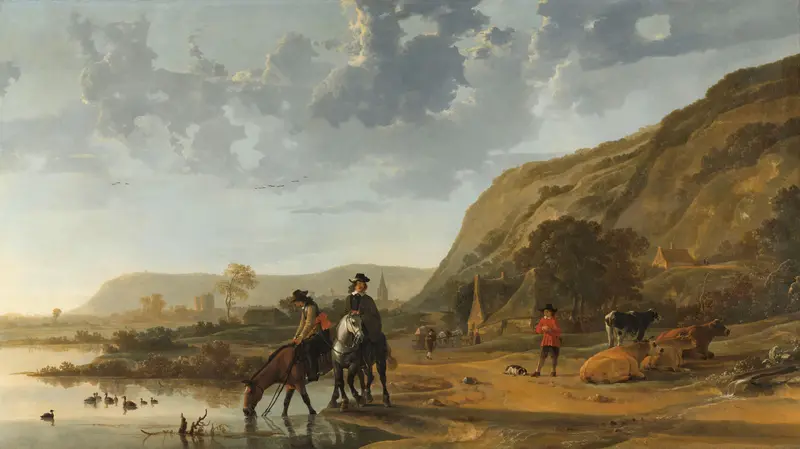
River Landscape with Riders
Aelbert Cuyp

The Maas at Dordrecht
Aelbert Cuyp
Gezicht op Dordrecht
Aelbert Cuyp
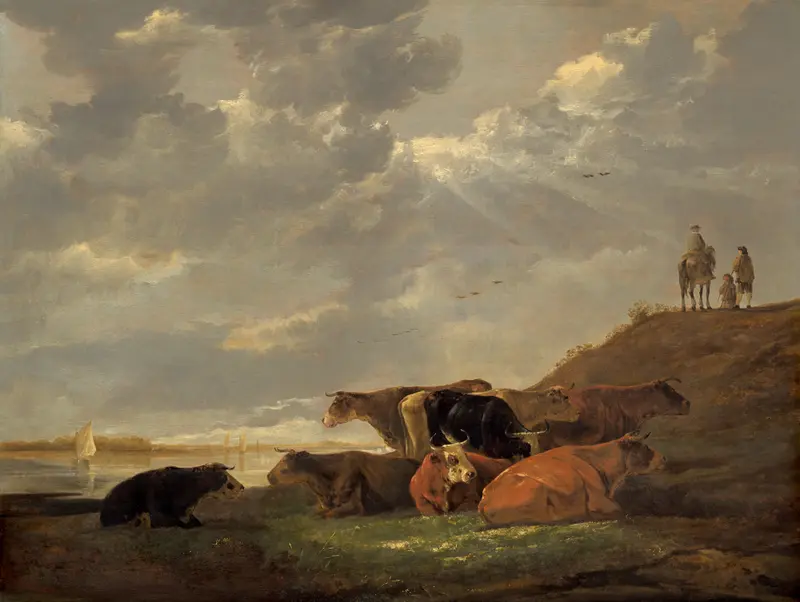
River Landscape with Cows
Aelbert Cuyp
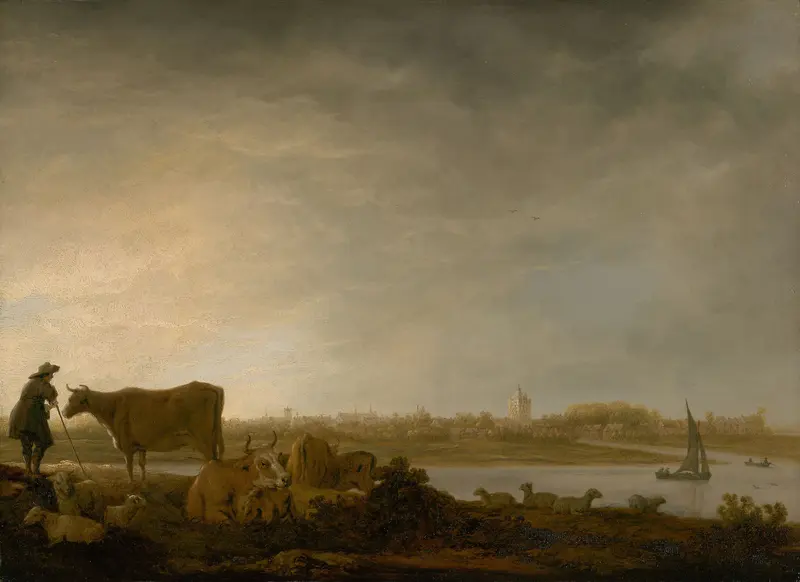
A View of Vianen with a Herdsman and Cattle by a River
Aelbert Cuyp
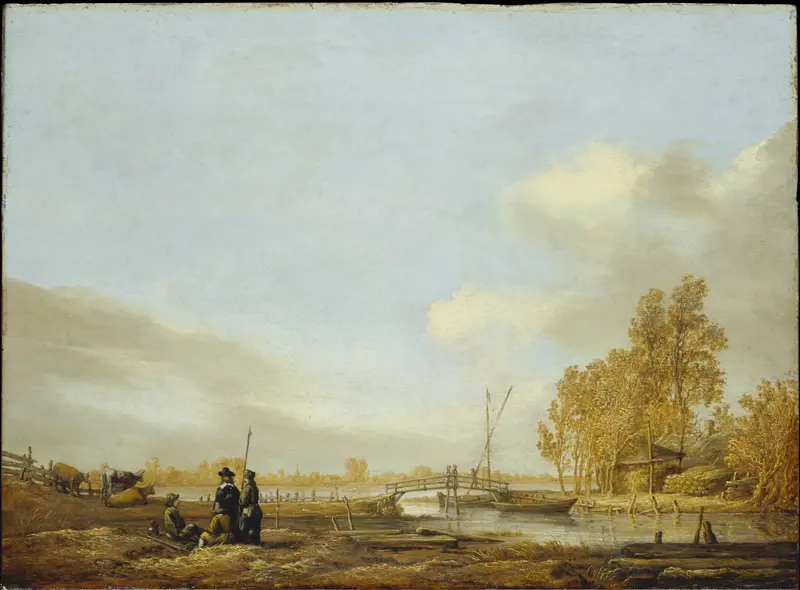
River Landscape with Footbridge
Aelbert Cuyp
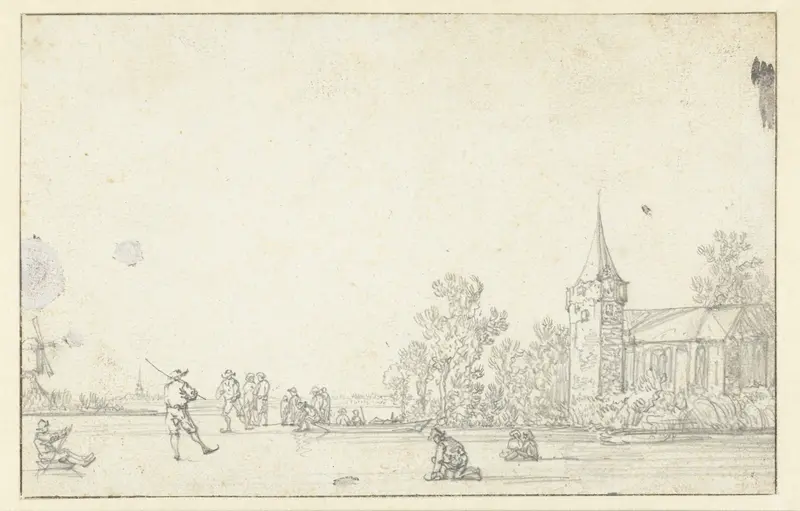
Bevroren rivier met schaatsers bij een kerk
Aelbert Cuyp

Cattle near a River
Aelbert Cuyp
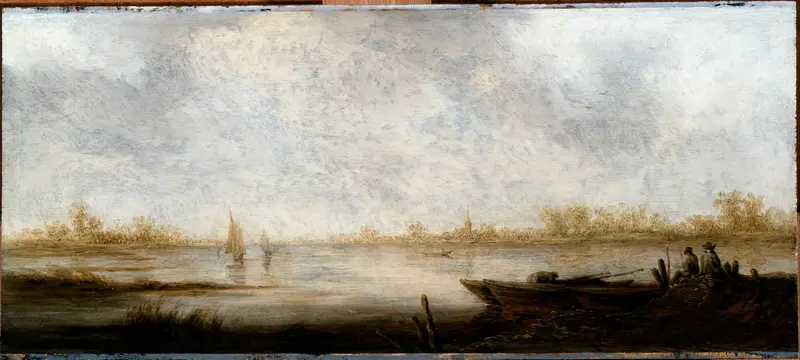
River Landscape
Aelbert Cuyp





