
Pan im Kinderreigen (A 473) — History & Facts
What draws the eye first in Pan im Kinderreigen (A 473) is the sense of movement: a circle of children, hand in hand, whirl around the mythic figure of Pan, whose pipe seems to conjure both music and mischief. The children’s bodies, rendered in pale, almost spectral tones, leap and twist in a dance that feels both ancient and spontaneous. Pan, half-shadowed, half-bestial, sits at the center, his gaze fixed on his instrument, as if lost in the spell he weaves.
The dark border, adorned with garland-like patterns and blue wreaths, frames this inner world, setting it apart from reality and inviting the viewer to linger at its threshold. The palette is earthy and subdued, the brushwork loose, lending the scene a dreamlike quality that blurs the line between myth and memory. Painted in 1900, this work by Arnold Böcklin arrives at the twilight of European Symbolism, a period when artists turned to myth and fantasy as a refuge from the anxieties of modern life. Böcklin, Swiss-born and long fascinated by the ancient world, often peopled his canvases with gods, nymphs, and satyrs—figures who offered escape and ambiguity.
While little is recorded about the specific history of this painting, its inclusion in the 2011 catalog "Isole del pensiero. Böcklin, de Chirico, Nunziante" places it in a lineage of works that probe the boundaries of the visible and the imagined. The children’s round dance, both innocent and uncanny, asks us to consider what it means to step into the circle—if only with our eyes.
More Artworks by Arnold Böcklin

Die Toteninsel III
Arnold Böcklin
Ruin by the Sea
Arnold Böcklin
The Sacred Grove
Arnold Böcklin
Villa by the Sea
Arnold Böcklin
The Plague
Arnold Böcklin
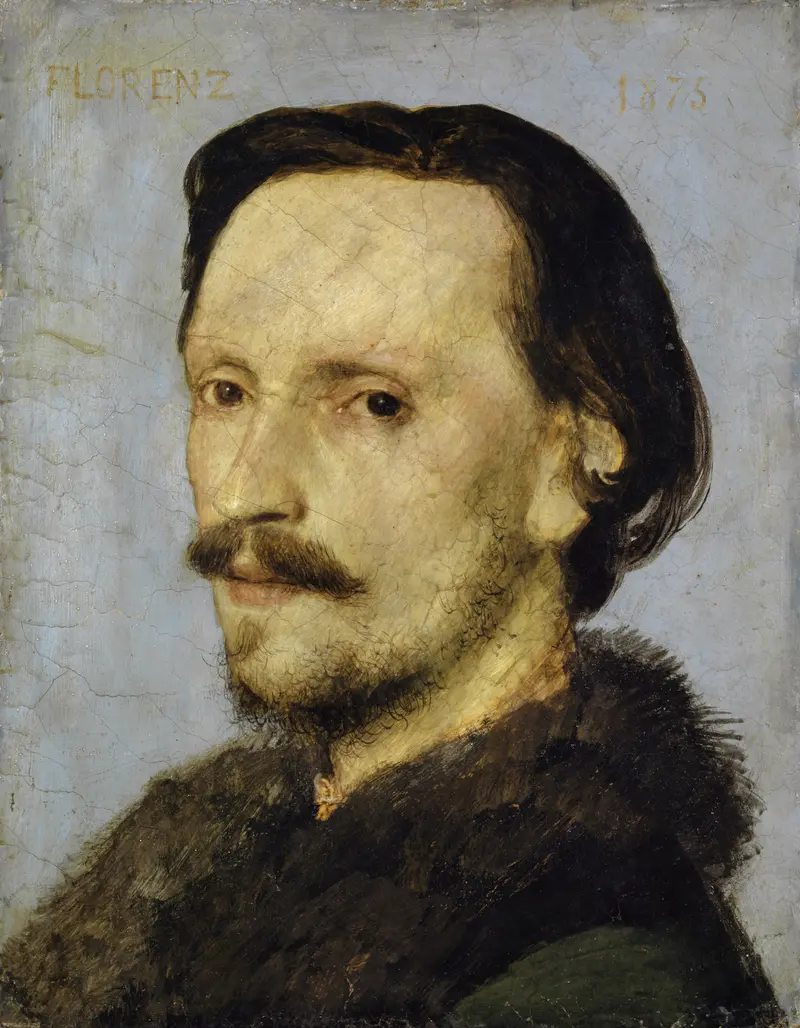
Böcklin Bildnis des Kunsthistorikers Adolph Bayersdorfer, 1875
Arnold Böcklin
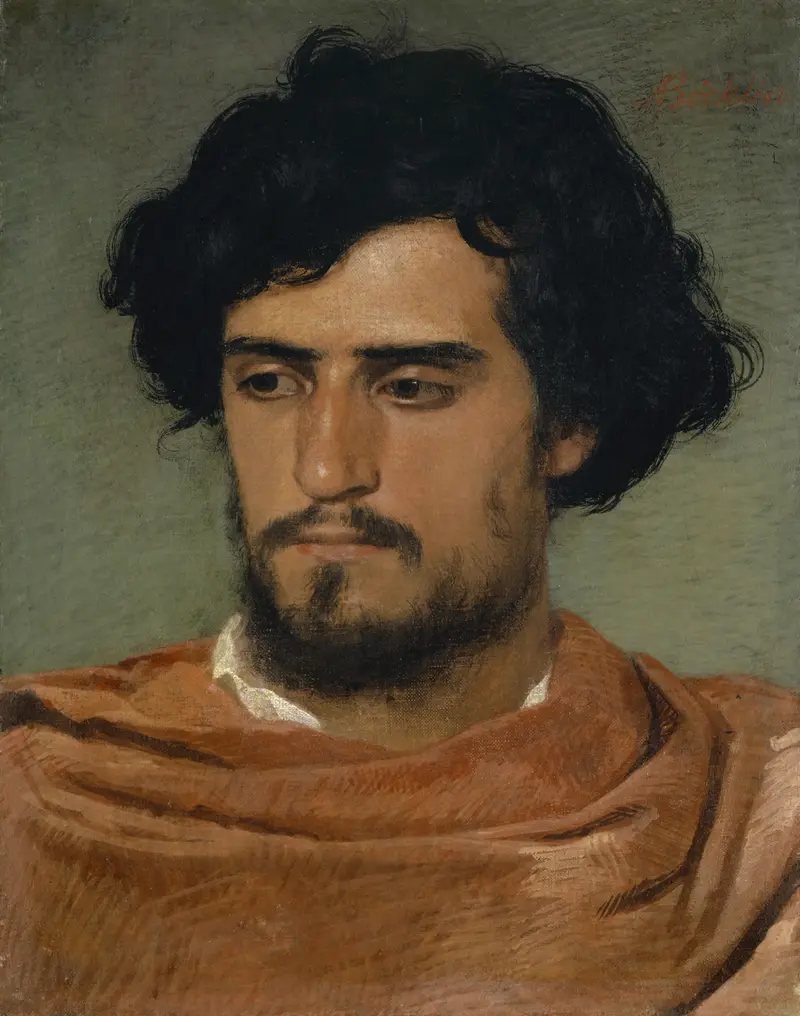
Head of a Roman
Arnold Böcklin
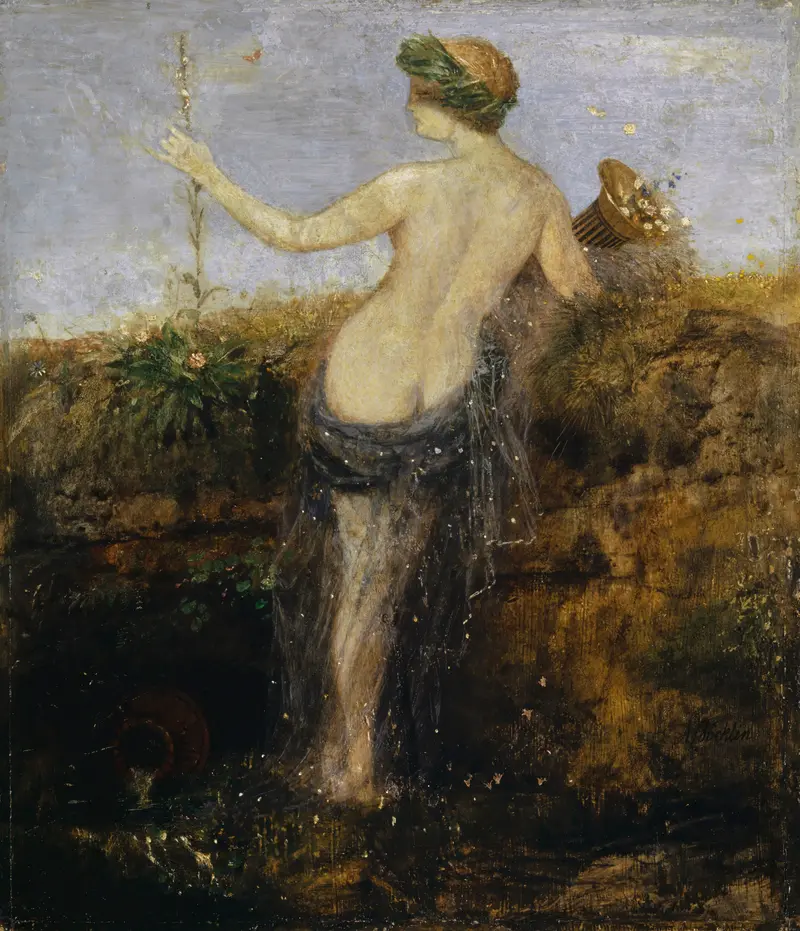
Nymphe with Horn of Plenty
Arnold Böcklin
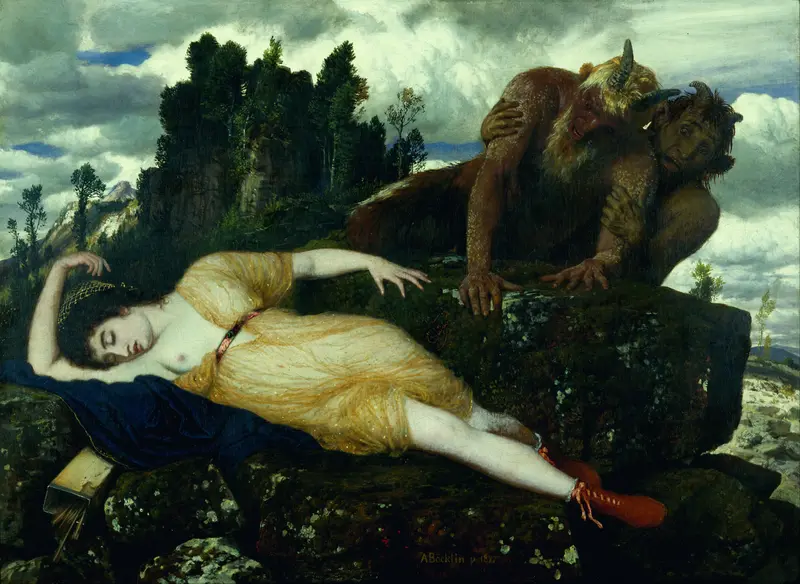
Sleeping Diana Watched by Two Fauns
Arnold Böcklin
Spring (Songs of Spring)
Arnold Böcklin





