
Parc, femmes, enfants et chiens — History & Facts
The first thing that seizes the eye in Parc, femmes, enfants et chiens is the restless shimmer of its surface—figures and animals conjured from thick, impasto strokes, as if the scene itself is flickering between memory and dream. The artist, Adolphe Joseph Thomas Monticelli, leads us into a world of leisure, where the swirl of dresses and the flash of a parasol suggest a gathering at the height of fashion and sociability. The light, pale and powdery, seems to pool around the clusters of women and children, drawing our focus to their animated gestures, while the surrounding darkness swallows the edges, heightening the sense of intimacy and spectacle.
The dogs, poised and attentive, act as silent witnesses, their presence grounding the scene in the everyday even as the brushwork dissolves it into reverie. Works like this emerged from the ferment of late nineteenth-century France, when artists were captivated by the possibilities of color, texture, and fleeting effects of light. Monticelli, admired by later Impressionists, was known for his lush, improvisational technique—here, the medium itself becomes part of the story, with each daub and sweep evoking the pleasures and vanities of the bourgeois park. Such paintings were often made for private collectors eager to display scenes of modern life, yet Monticelli’s vision is less about portraiture than about sensation: a world glimpsed through the haze of recollection or fantasy.
Little is recorded about this specific work beyond its presence in a private collection as of 2017, but its energy and ambiguity invite us to linger, searching for the stories half-hidden in the paint.
More Artworks by Adolphe Monticelli

Portrait of a Lady
Adolphe Monticelli
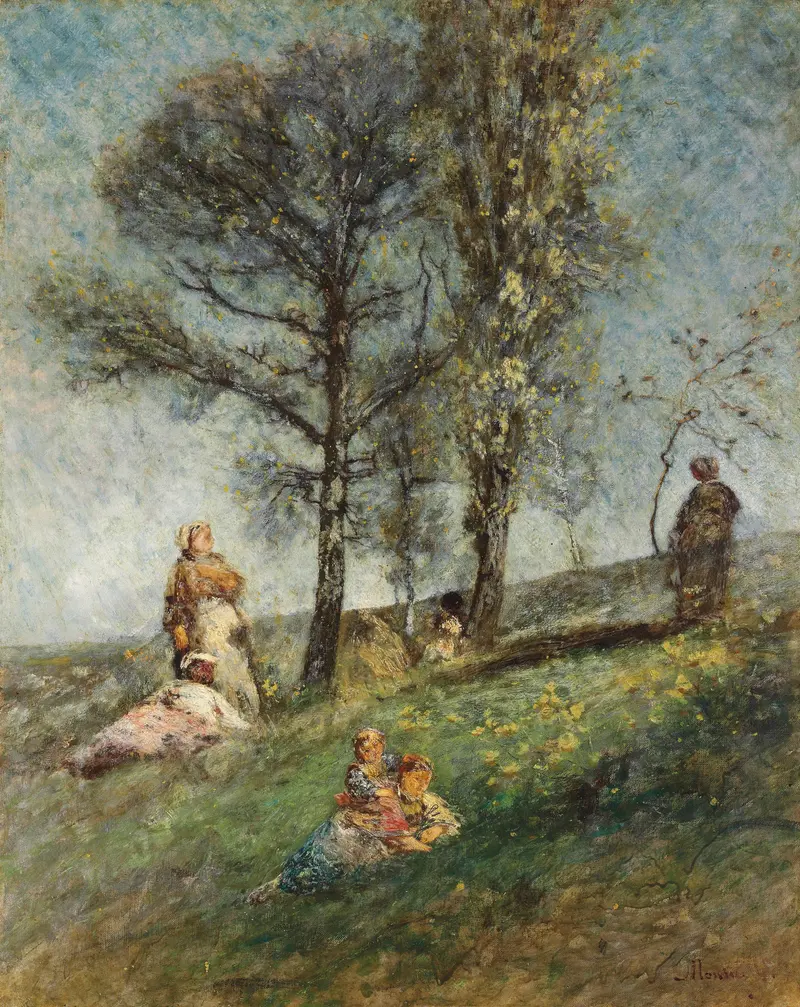
A Young Family Under Trees On A Hill
Adolphe Monticelli

Fête d'Après-Midi
Adolphe Monticelli
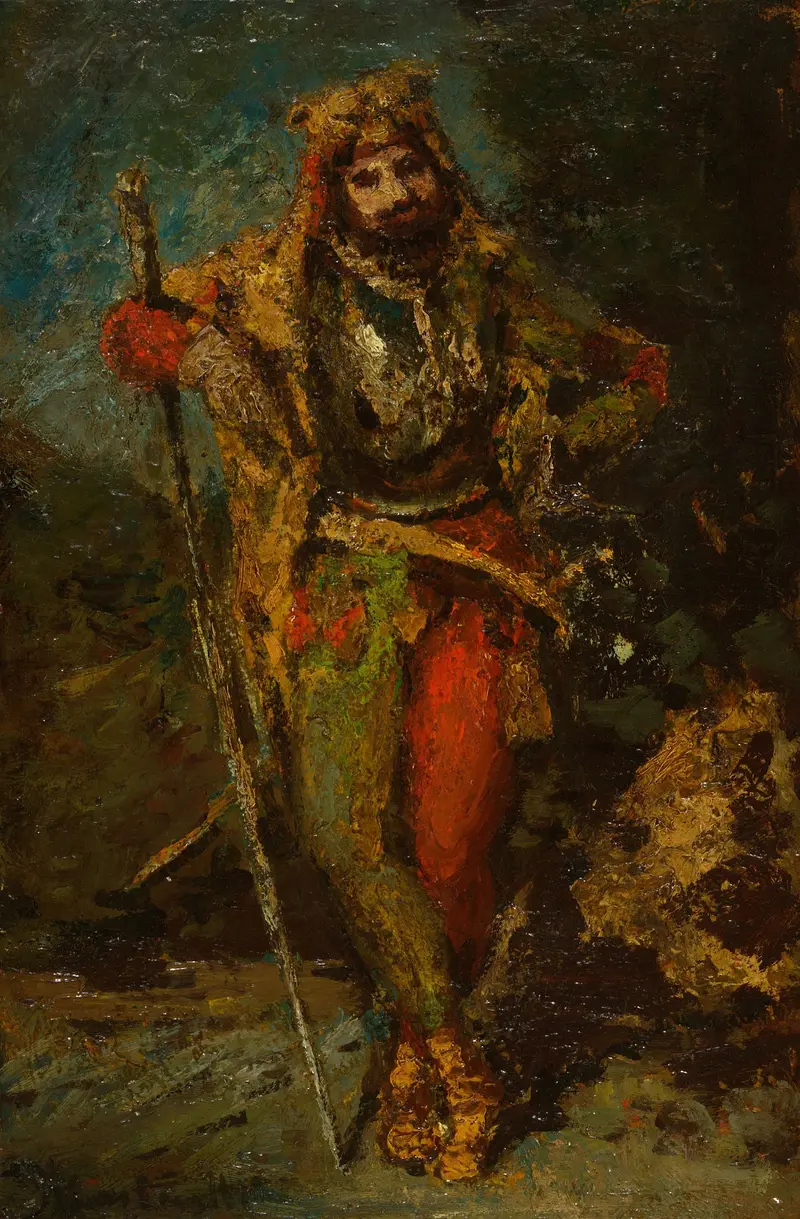
Mephisto from the Opera Faust
Adolphe Monticelli
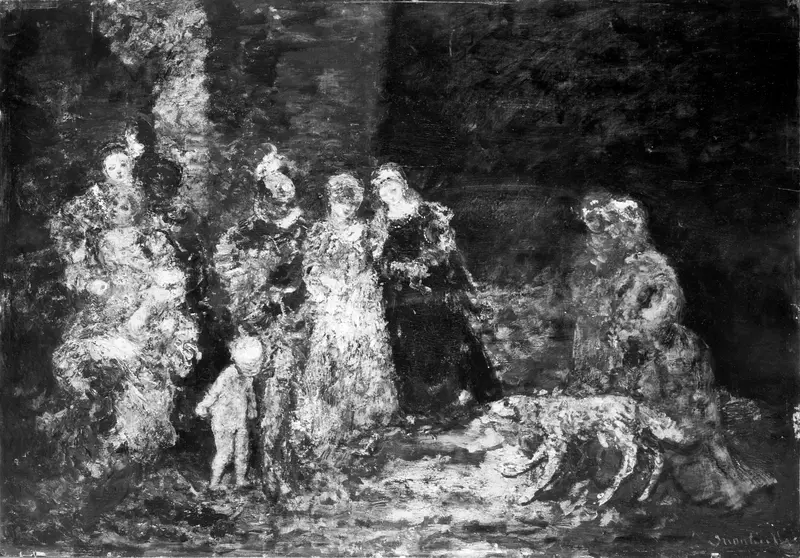
The Fairies
Adolphe Monticelli
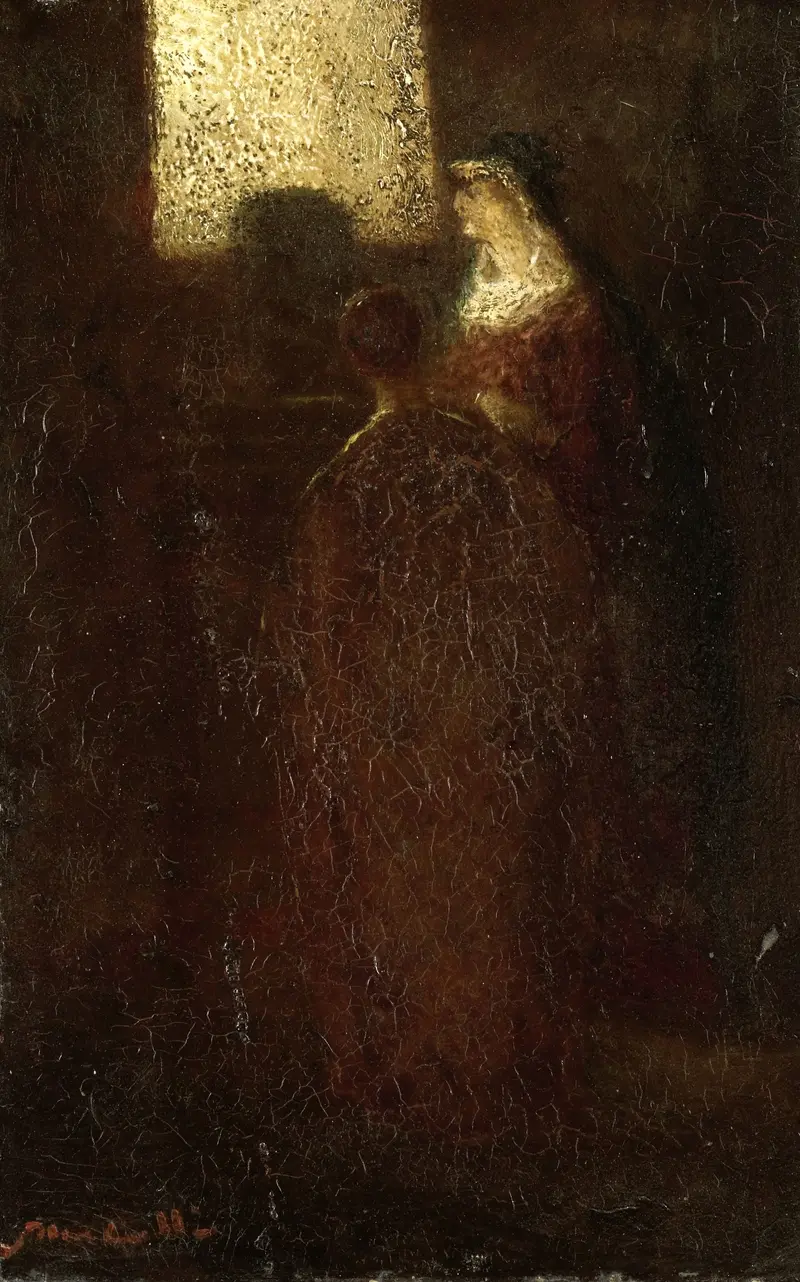
Aan het altaar
Adolphe Monticelli
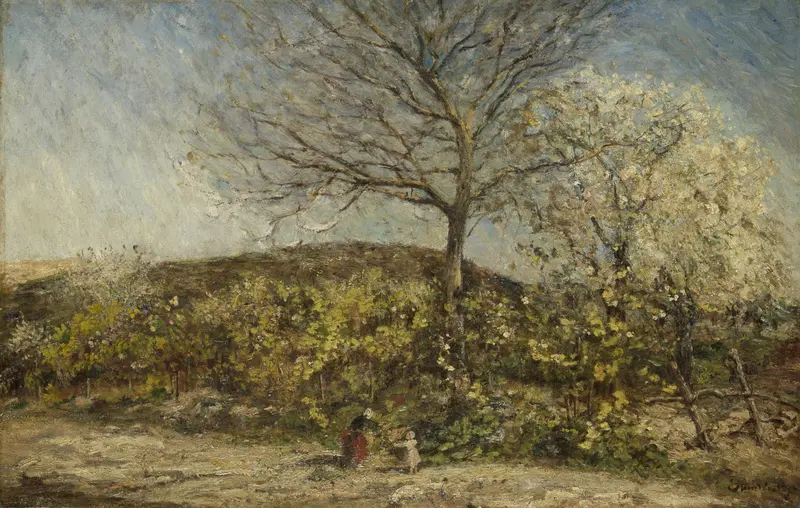
Landschap met bloeiende boomgaard
Adolphe Monticelli
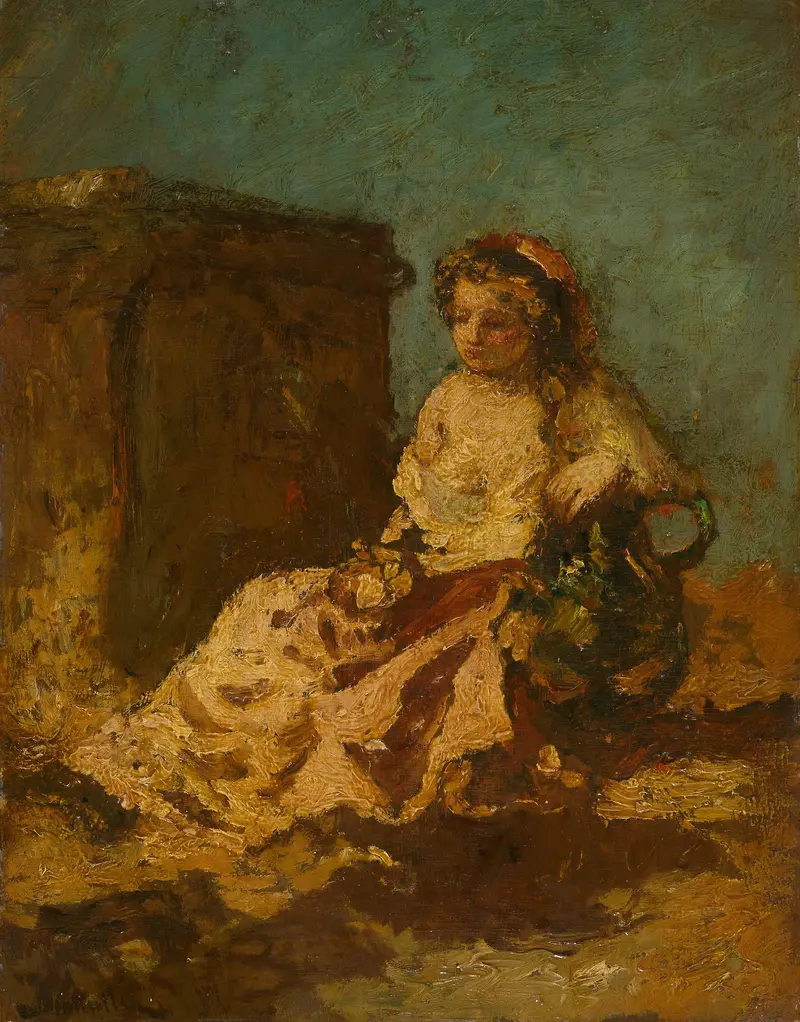
Meditation (Seated Woman)
Adolphe Monticelli
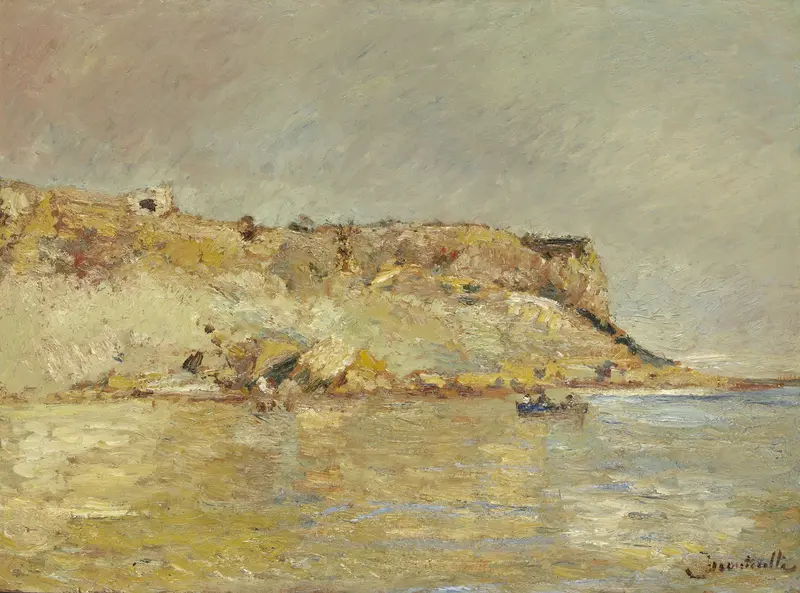
Coastal Mountains
Adolphe Monticelli
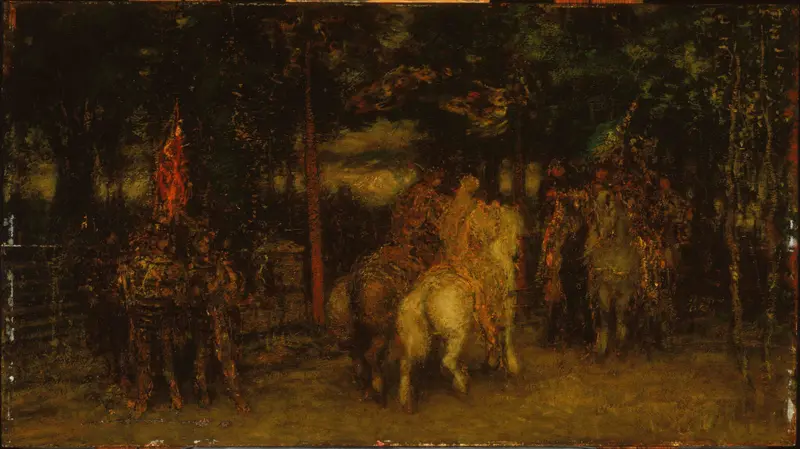
Landscape with Figures
Adolphe Monticelli
More Genre Scene Art

Banquet of the Officers of the St George Civic Guard
Frans Hals

Rembrandt and Saskia in the Scene of the Prodigal Son
Rembrandt van Rijn

Bal du moulin de la Galette
Pierre-Auguste Renoir

Quadrille at the Moulin Rouge
Henri de Toulouse-Lautrec

A Burial at Ornans
Gustave Courbet

When Will You Marry?
Paul Gauguin