Paris kerft naam van Oenone in bast van boom — History & Facts
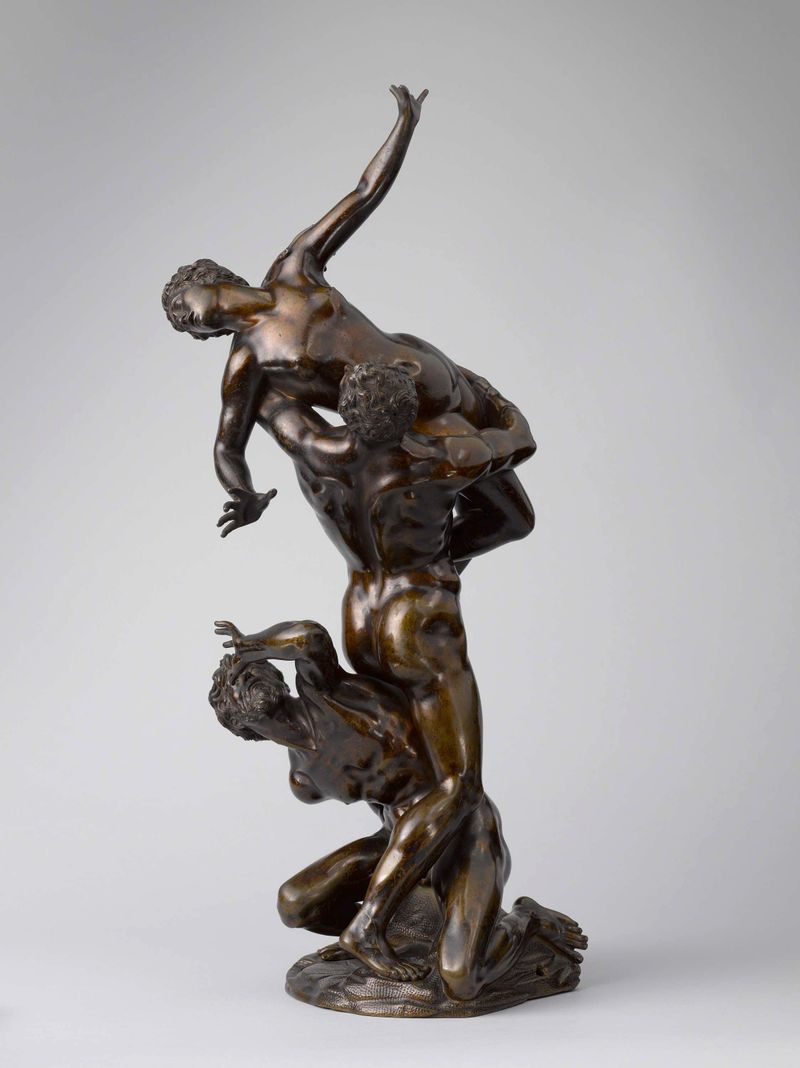
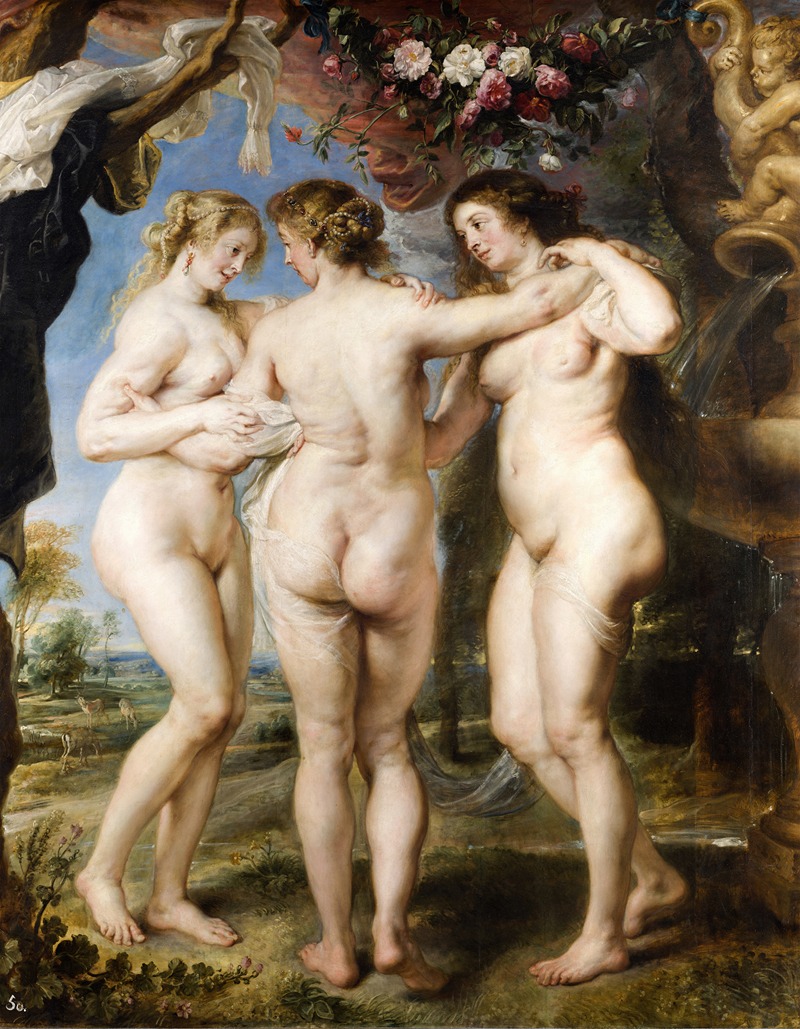
The complexities of destiny are woven intricately into the delicate layers of existence, where moments of grace often hide deeper sorrows. Look closely at the center where a figure emerges from the gnarled bark of a tree, her name, Oenone, etched into the wood. The subtle hues of green and brown contrast dramatically with the golden light that bathes her serene visage, creating a striking interplay between nature and humanity. Notice how the soft contours of her face and the vibrant foliage surrounding her beckon the viewer in, making them ponder the weight of her story. Beneath the surface of this portrait lies a tapestry of emotional tension and contrast.
The engraving of Oenone’s name suggests a longing for permanence, yet the ephemeral quality of the painted scene hints at the inevitable passage of time—nothing can remain unchanged. This duality speaks volumes about unfulfilled promises and the grief of fleeting beauty. The gentle gaze of Oenone, both inviting and melancholic, reminds us that destiny can be both a gift and a burden. In 1539, Georg Pencz crafted this piece amid the Renaissance’s fervent exploration of human emotion and individual identity.
Living in Nuremberg, he was deeply influenced by the burgeoning humanistic ideals that permeated Europe, as well as the intricate works of his contemporaries. This painting reflects the tension between personal desire and societal expectation, mirroring the artist's own quest for expression in a time of significant change.
More Artworks by Georg Pencz
Browse all →
Parabel van de zaaier
Georg Pencz

Parabel van de arbeiders in de wijngaard
Georg Pencz
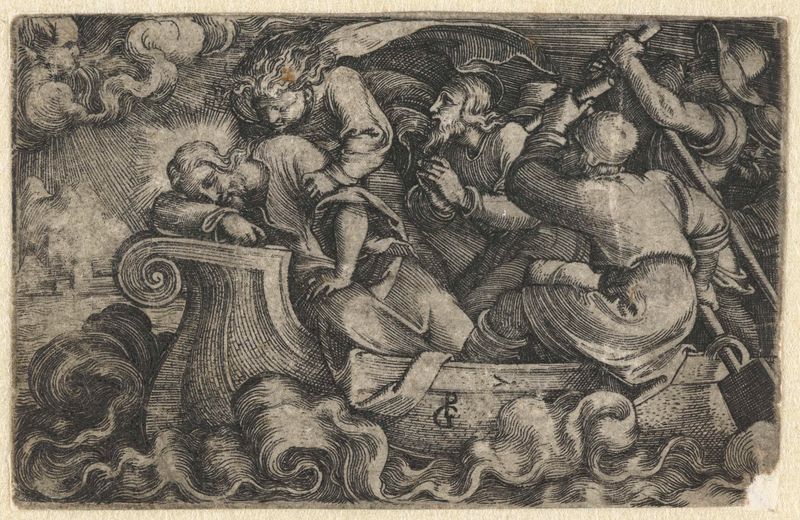
Discipelen wekken slapende Christus tijdens storm op Meer van Galilea
Georg Pencz

Afgunst (Invidia)
Georg Pencz
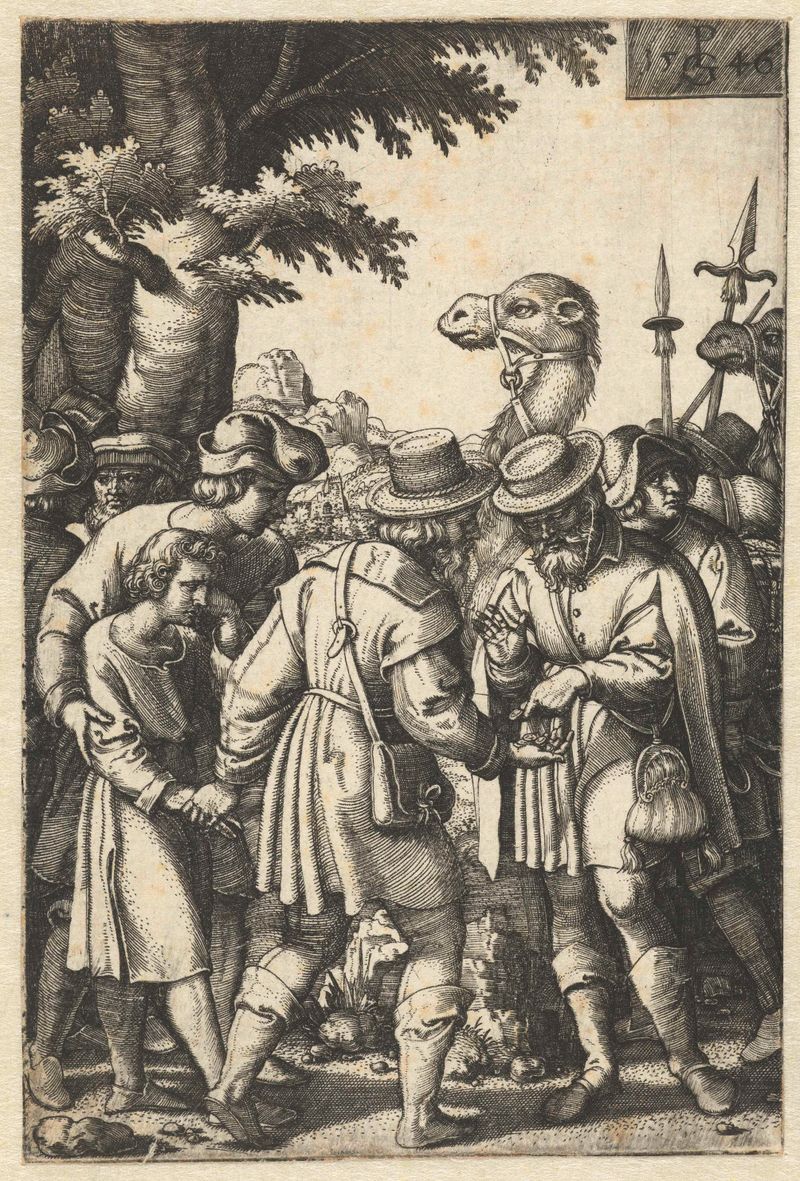
Jozef wordt verkocht aan kooplieden op weg naar Egypte
Georg Pencz

Aanbidding der koningen
Georg Pencz
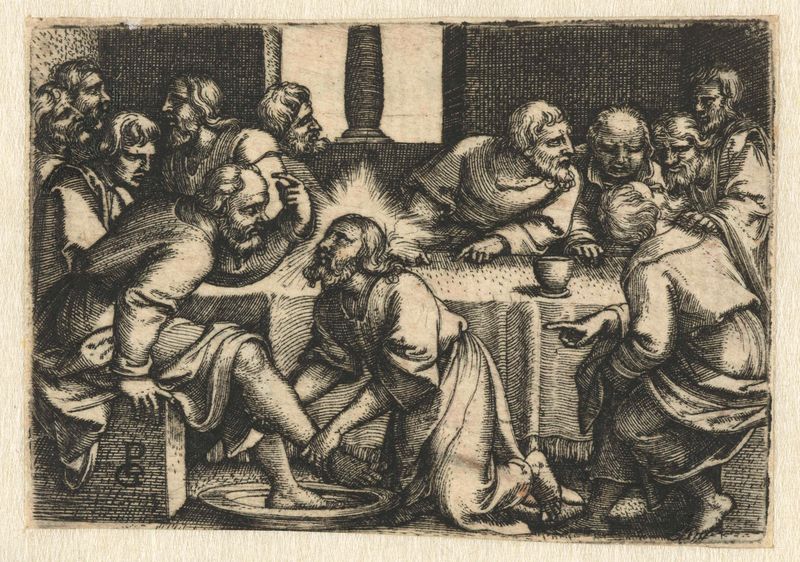
Petrus protesteert als Christus zijn voeten wast
Georg Pencz
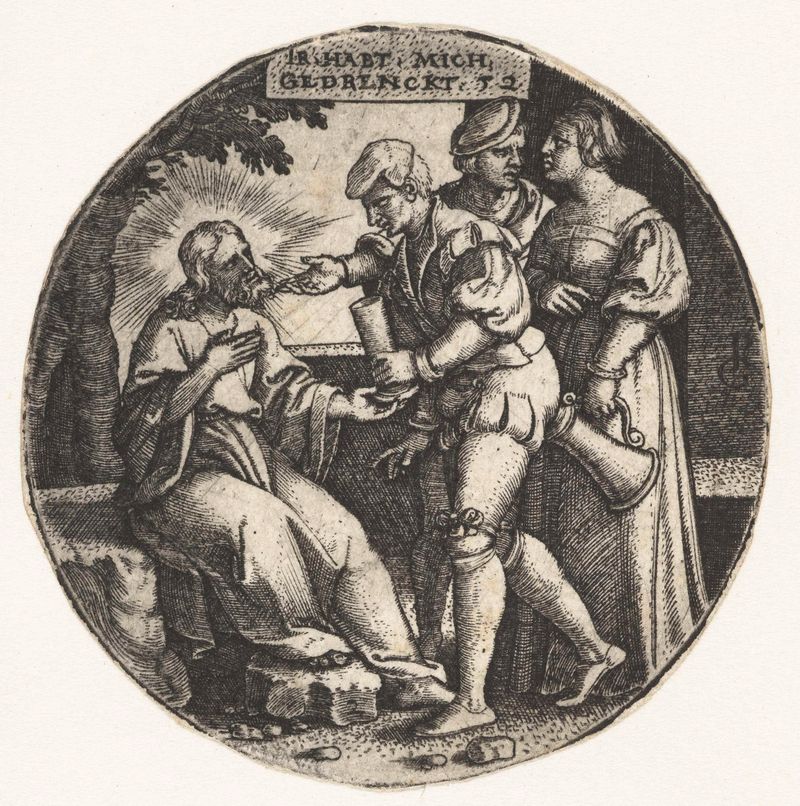
Christus heeft dorst en krijgt drinken aangeboden
Georg Pencz
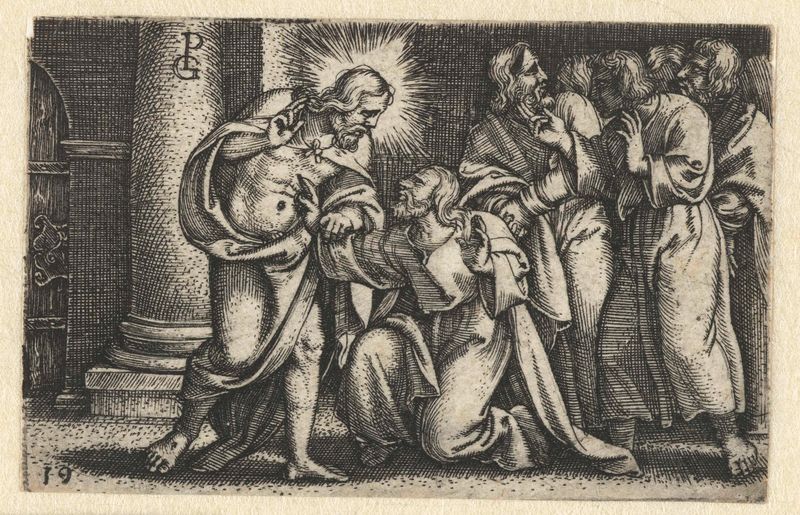
Ongelovige Thomas raakt wonden Christus aan
Georg Pencz

Offer van Abraham van Isaak
Georg Pencz