
Path in the Forest — History & Facts
A shaft of light breaks through the dense canopy, drawing the eye to a gathering of figures at the edge of a winding path. The forest seems to press in on all sides, yet the path itself is alive with movement: riders on horseback, dogs trotting ahead, and a cluster of travelers pausing in conversation or rest. The artist, Adriaen Frans Boudewijns, orchestrates the scene so that the viewer’s gaze is led from the deep, shadowed woods on the left, along the sunlit track, and out toward the luminous, distant fields.
The play of light and shadow is not mere decoration; it guides the narrative, suggesting safety and sociability at the forest’s edge, and mystery within its depths. At the turn of the 17th and 18th centuries, landscapes like this one were prized for their ability to conjure both the familiar and the ideal. Collectors in the Low Countries and beyond sought out such works to bring a sense of cultivated nature into their homes, celebrating both the pleasures of rural life and the painter’s technical skill. Path in the Forest belongs to this tradition, where artists like Boudewijns balanced observation with invention, creating spaces that invite the viewer to wander.
Though little is recorded about this specific painting’s early history, its presence today in the collection of the Museum of Fine Arts, Budapest, is a testament to the enduring appeal of these wooded worlds. The longer you look, the more the forest seems to open, promising stories just beyond the next bend.
More Artworks by Adriaen Frans Boudewijns
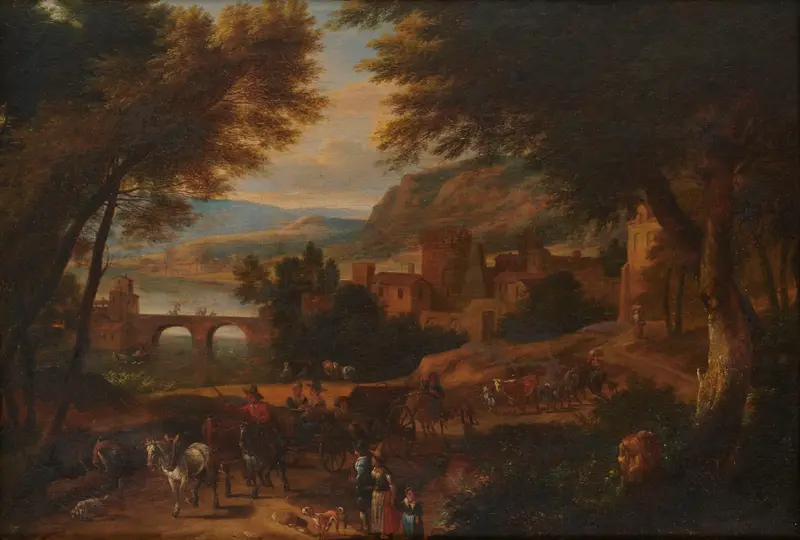
Landscape
Adriaen Frans Boudewijns
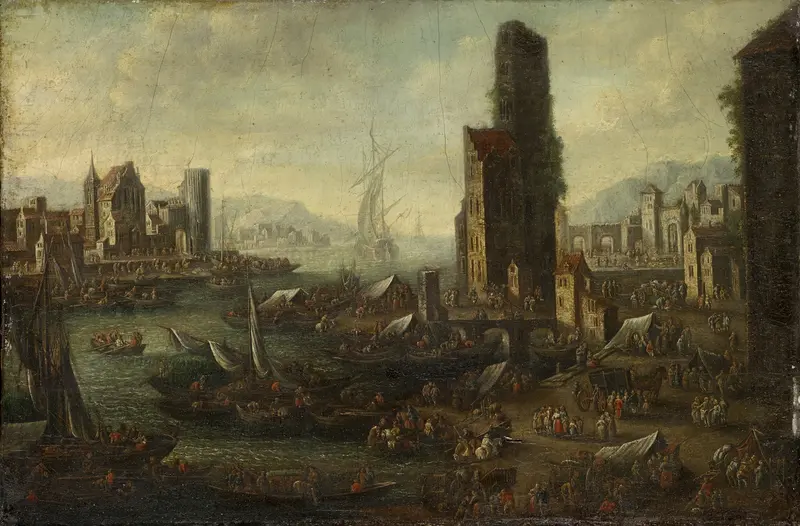
Seaport
Adriaen Frans Boudewijns
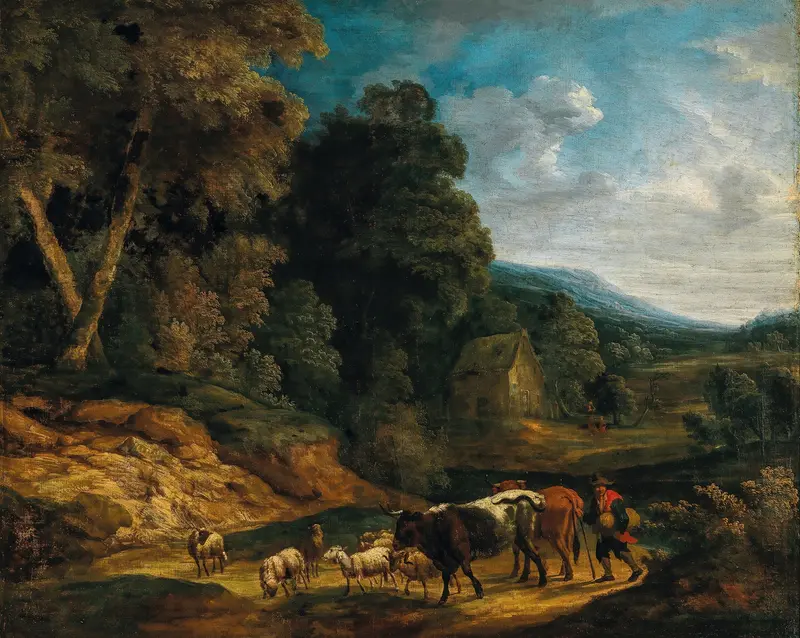
A southern landscape with herdsmen and their flock
Adriaen Frans Boudewijns
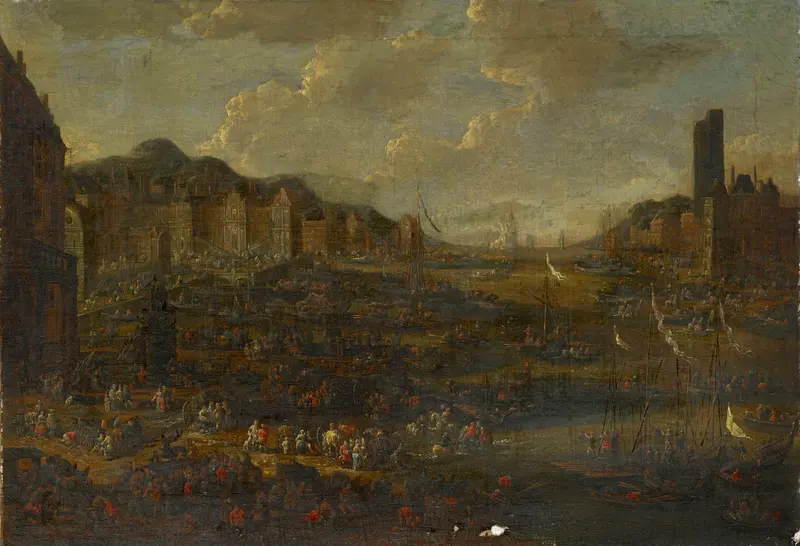
Seaport II
Adriaen Frans Boudewijns
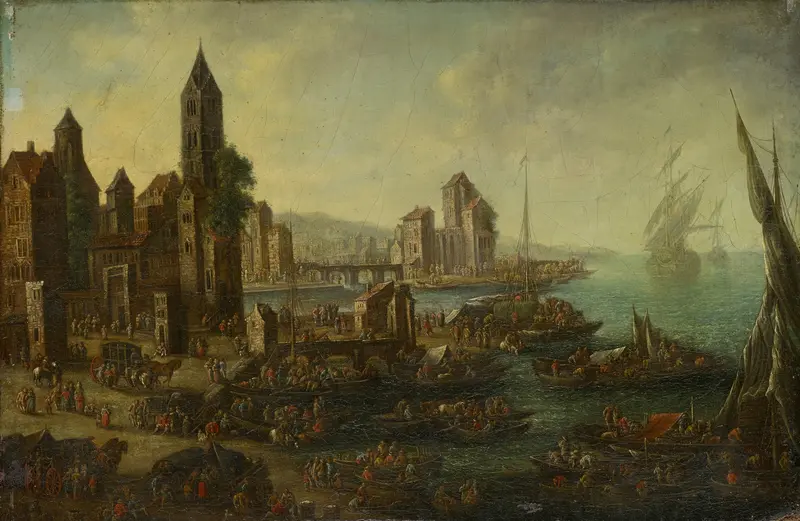
Seaport III
Adriaen Frans Boudewijns
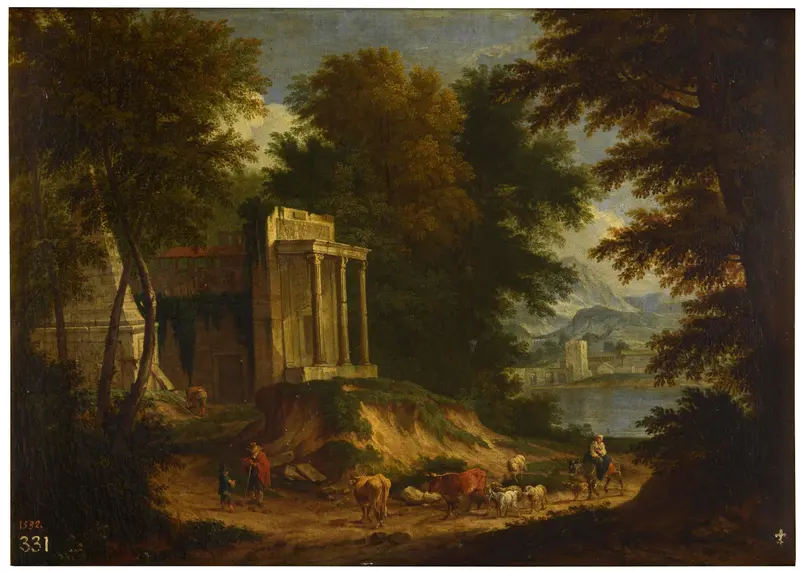
Landscape with ruins
Adriaen Frans Boudewijns
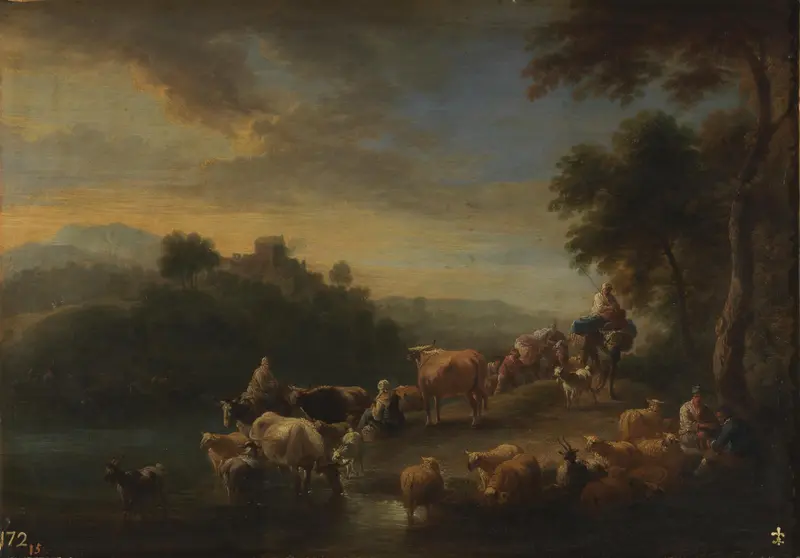
Landscape with the Cattle
Adriaen Frans Boudewijns
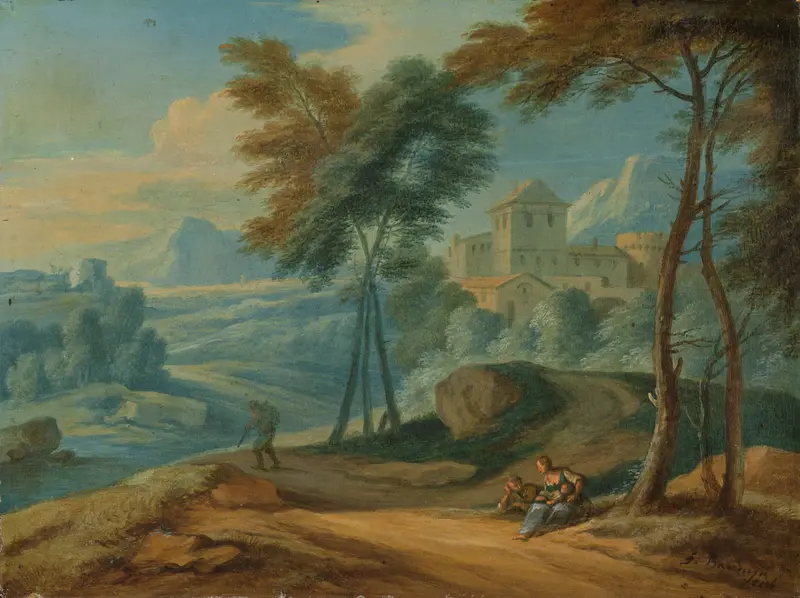
Mountainous landscape
Adriaen Frans Boudewijns
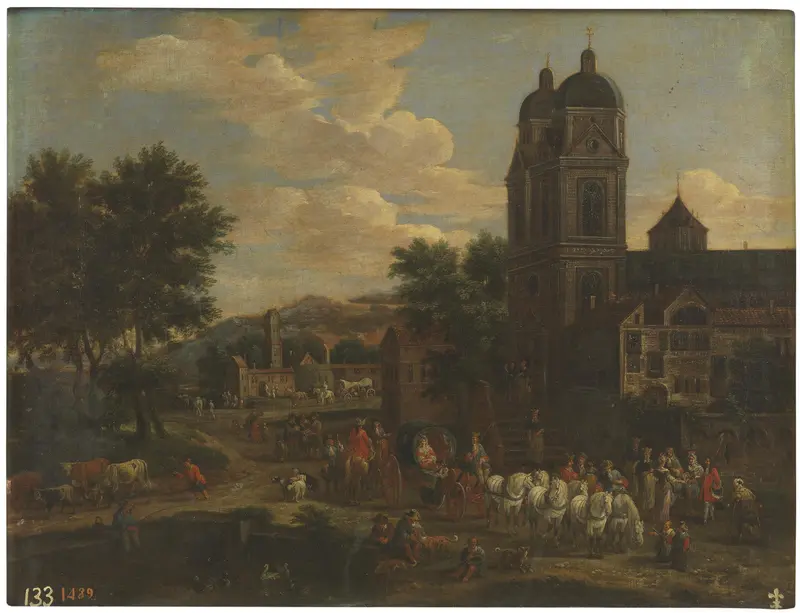
A sanctuary
Adriaen Frans Boudewijns
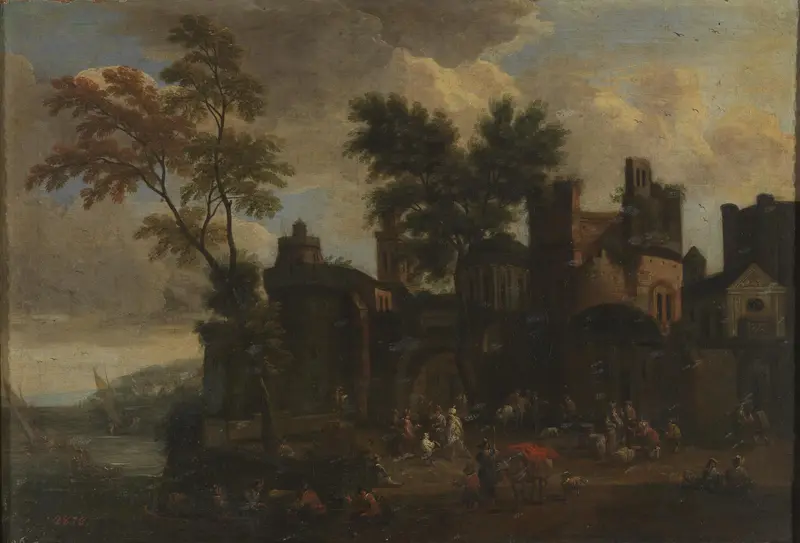
Port
Adriaen Frans Boudewijns
More Landscape Art

The Starry Night
Vincent van Gogh

View of Delft
Johannes Vermeer

Water Lilies
Claude Monet

The Grand Canal, Venice, looking north-west from the Ca' Corner to the Ca' Contarini degli Scrigni, with the campanile of Santa Maria della Carità
Canaletto

Windsor Castle
Canaletto

The Grand Canal looking North-East from the Palazzo Dolfin-Manin to the Rialto Bridge
Canaletto