Path on the Edge of the Forest — History & Facts
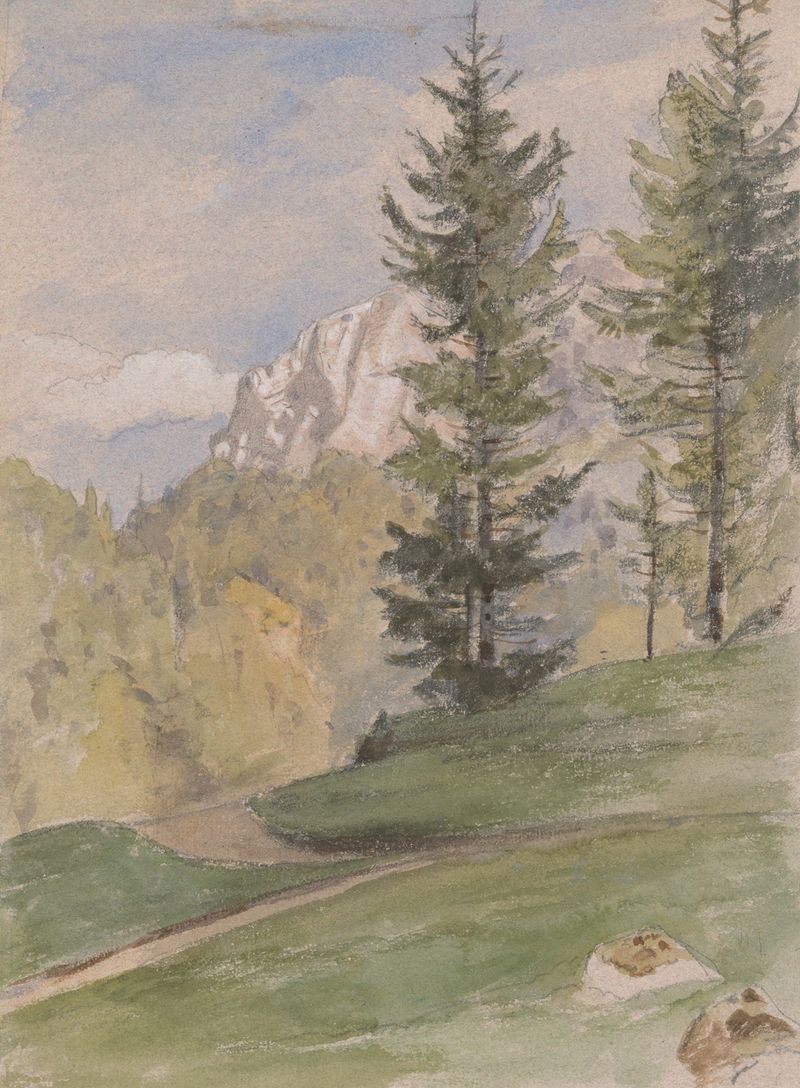
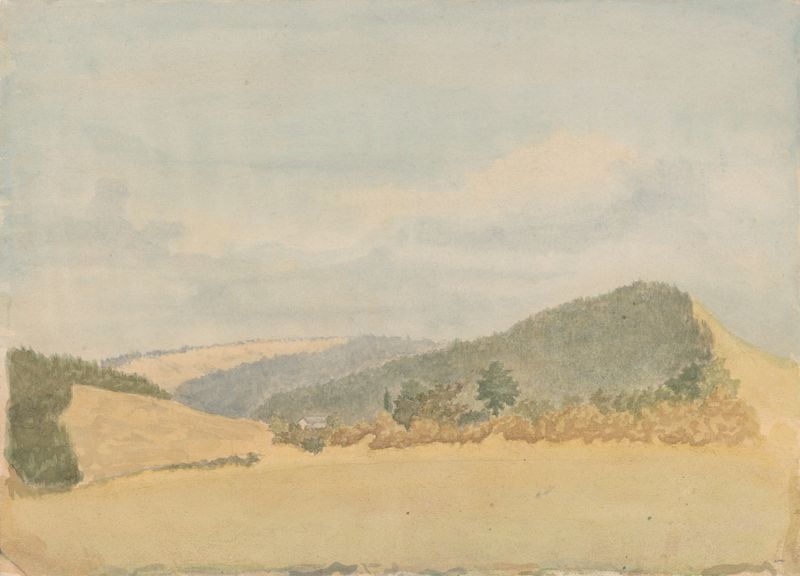
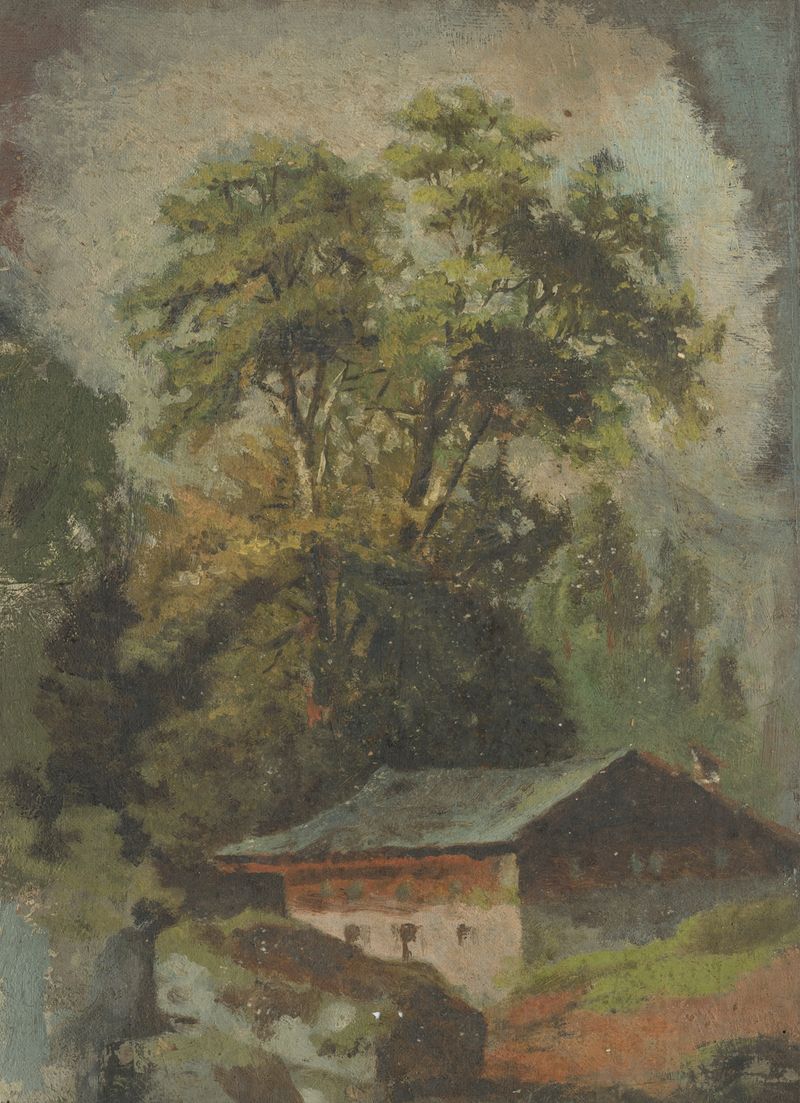
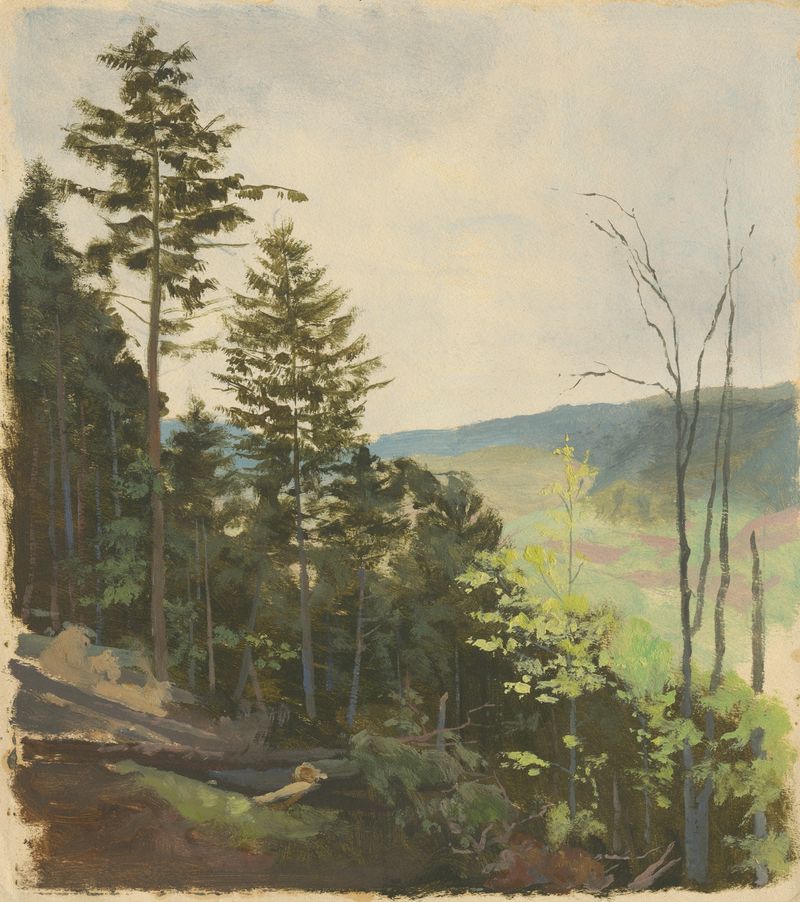
In the quiet embrace of nature, grief finds its solace along the winding path. Each stroke of the painter's brush invites us to tread gently, as if in mourning for the fleeting moments of life, the beauty intertwined with loss. Look to the left at the dappled sunlight filtering through the leaves, casting a soft glow on the path ahead. The earthy tones of ochre and deep greens draw you in, creating a sense of both comfort and unease.
Notice how the intricate details of the foliage almost seem to whisper secrets of the past, while the path stretches forward, hinting at journeys yet to come. The brushwork, loose yet intentional, evokes an emotional depth that mirrors the complexities of human experience. Beneath the serene surface lies a tension between the vibrancy of life and the weight of sorrow. The juxtaposition of light and shadow symbolizes the duality of existence, where joy and grief coexist in harmony.
The seemingly serene path suggests movement and progression, yet it is bordered by the looming forest, a reminder of nature's wildness and the uncertainties that lie ahead. It invites contemplation of what is lost and what remains as we navigate through our own emotional landscapes. In 1860, Nowopacký created this work during a period marked by personal challenges and shifting perspectives in the art world. Living in Prague, he sought to capture the raw beauty of nature amid changing societal tides.
As realism began to dominate, he embraced a more intimate approach, reflecting his own encounters with loss and the profound impact of the natural world.