
Pax; Der Friedhof von Gravosa bei Ragusa — History & Facts
Beneath its serene surface, art holds the weight of unspeakable truths, echoing the violence that lingers just out of sight. Look to the left where the aged gravestones rise like solemn sentinels against the backdrop of a darkening sky. Notice how the muted palette of grays and deep blues envelops the scene, imbued with a somber tranquility that contrasts sharply with the palpable tension beneath. The brushstrokes are meticulous, each detail of the weathered stone capturing the passage of time, while the gentle curves of the landscape invite a sense of peace that feels almost deceptive. As you explore further, consider the juxtaposition of life and death, the vibrant greens of surrounding foliage pushing against the encroaching shadows.
A sense of unresolved conflict permeates the setting; the quiet beauty hints at a past filled with strife. The intermingling of light and shadow suggests an unspoken narrative, reminding the viewer that beneath the calm exterior, history is steeped in violence and loss. In 1891, Pax; Der Friedhof von Gravosa bei Ragusa was created by Emil Jakob Schindler in the context of a rapidly changing Europe, grappling with the aftermath of conflict and transformation. During this period, the artist was immersed in the burgeoning movement of realism, exploring the intersection of nature and human emotion.
As he painted this tranquil cemetery, he was not just capturing a moment in time, but also responding to the tumultuous environment surrounding him, as the world around him teetered on the brink of modernity and its inevitable chaos.
More Artworks by Emil Jakob Schindler
Browse all →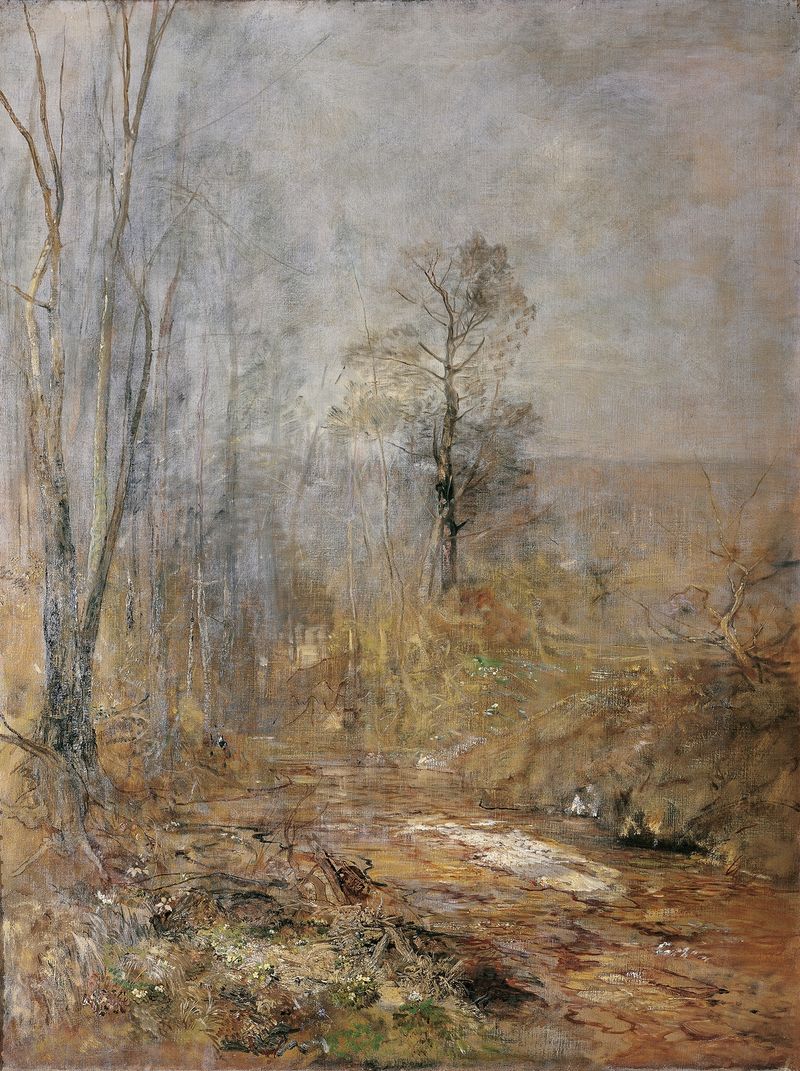
Märzstimmung – Vorfrühling im Wienerwald
Emil Jakob Schindler
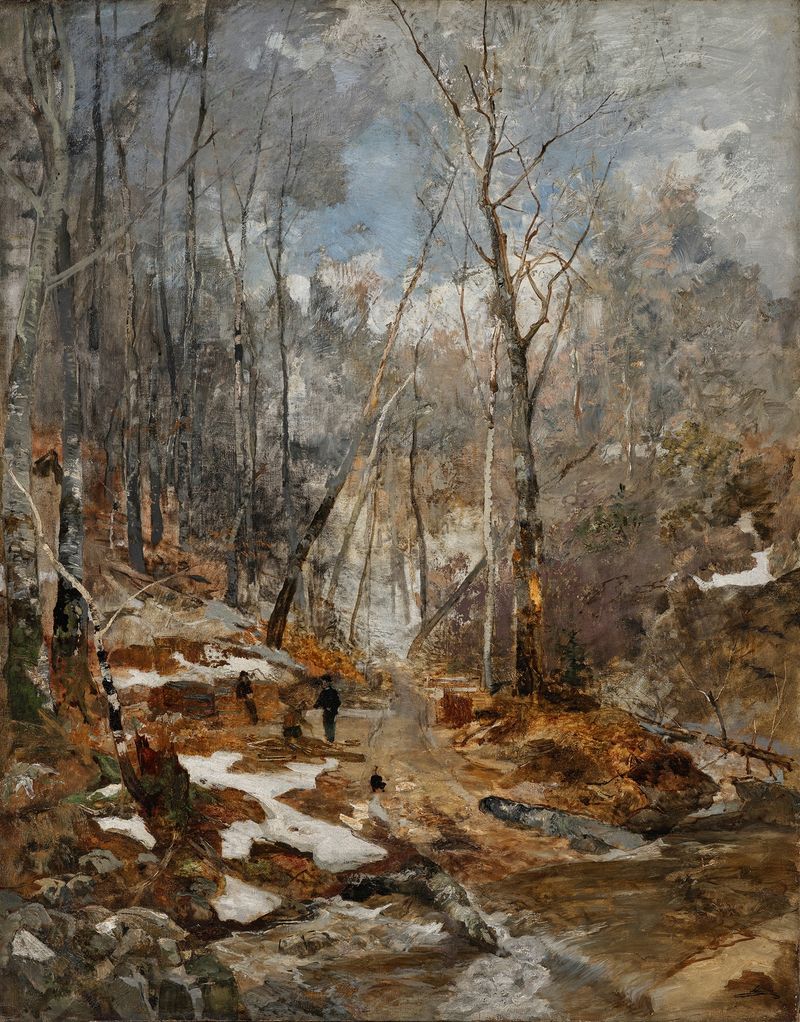
Februarstimmung – Vorfrühling im Wienerwald
Emil Jakob Schindler
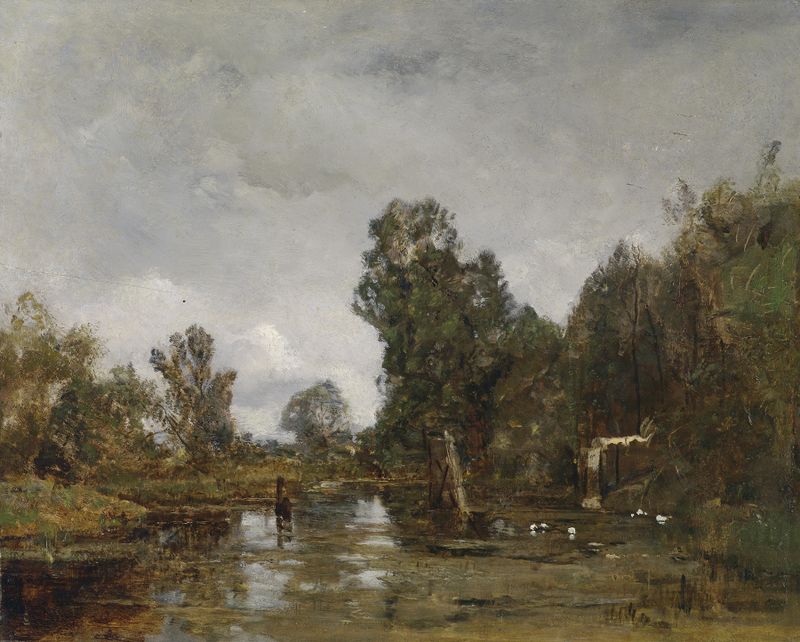
Motiv aus dem Wiener Prater (Krieau)
Emil Jakob Schindler
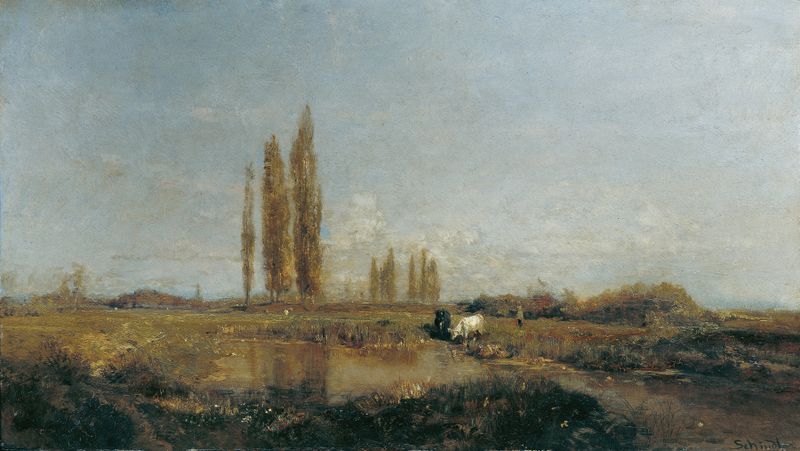
An der Thaya bei Lundenburg
Emil Jakob Schindler
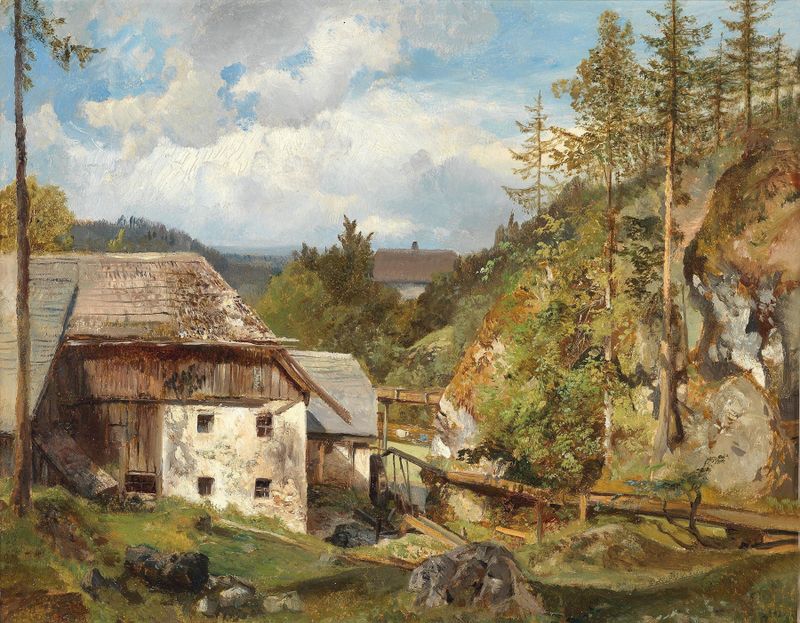
Die Mühle im Wald
Emil Jakob Schindler
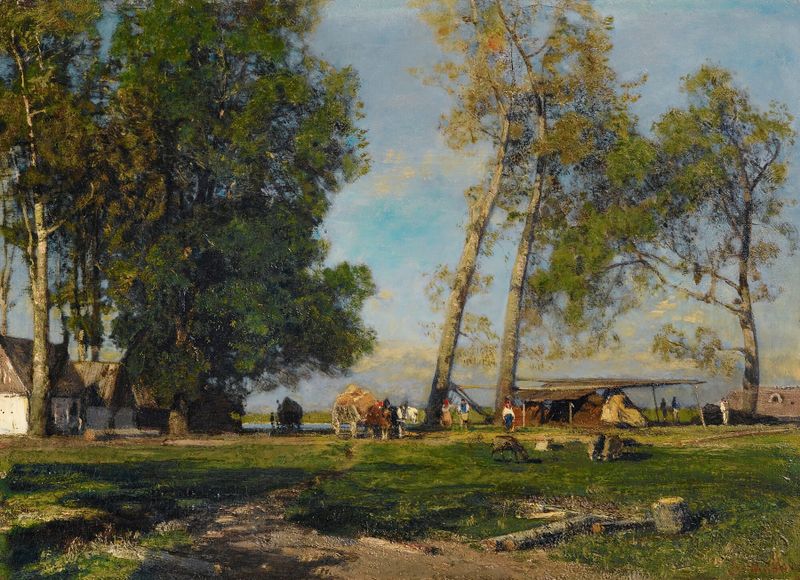
The Prater Gardens, Vienna
Emil Jakob Schindler
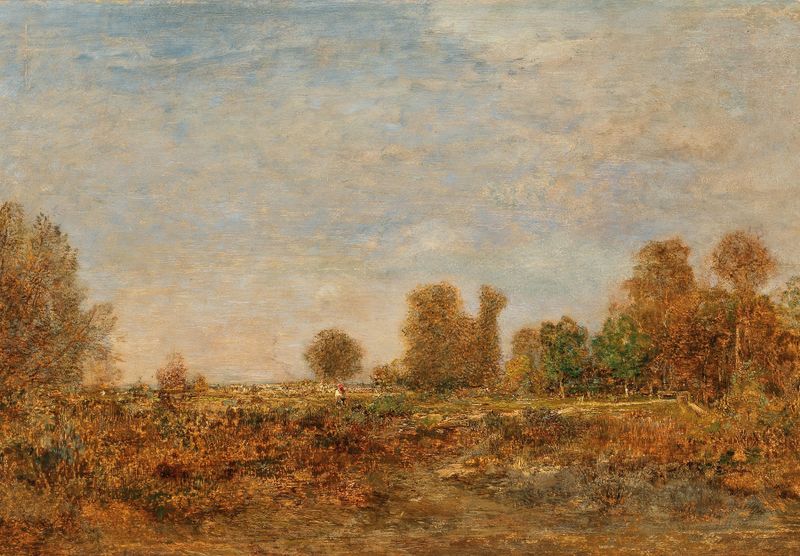
Landschaft, Lundenburg
Emil Jakob Schindler
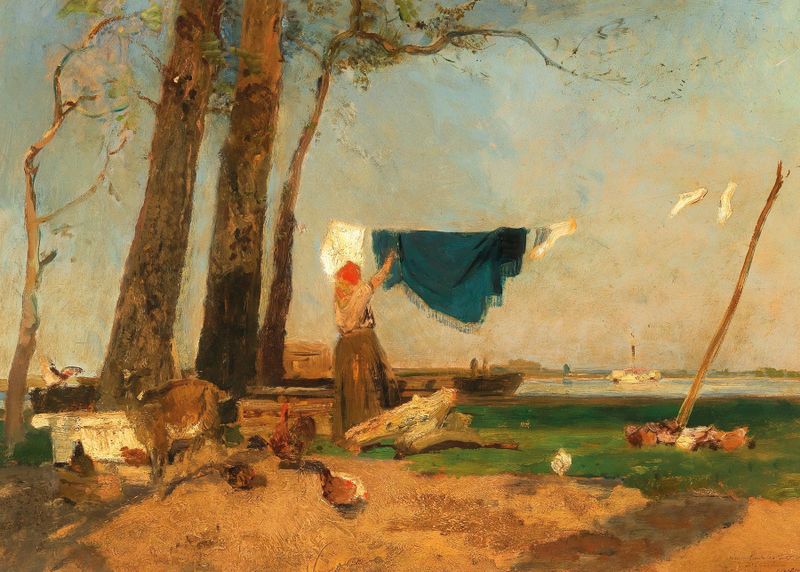
A washerwoman on the Danube bank, near the Praterspitz
Emil Jakob Schindler
Mühle in Plankenberg
Emil Jakob Schindler
Mondaufgang in der Praterau
Emil Jakob Schindler





