
Paysage — History & Facts
Where does light end, and longing begin? In the delicate interplay of hue and shadow, a palpable sense of hope unfurls, inviting viewers to contemplate their own place within the landscape. Look to the foreground, where a gentle stream meanders through lush greenery, its shimmering surface reflecting an ethereal light. The artist’s brushstrokes dance across the canvas, blending soft greens and muted yellows, while dappled sunlight filters through the trees, casting playful shadows. As your gaze moves deeper into the composition, notice how the distant hills merge seamlessly with a soft cerulean sky, evoking a harmonious balance between earth and heaven. The painting whispers of renewal and the passage of time, where the tranquil waters symbolize the flow of life, carrying both memories and dreams.
The striking contrast between the vibrant flora and the serene blues suggests a tension between the vivacity of nature and the quiet introspection within ourselves. Each element speaks to a shared human experience, where hope resides not in grand gestures but in the stillness of a moment observed. Created in 1901, during a period when Harpignies was revered for his ability to capture the nuances of light and atmosphere, Paysage reflects both his mastery and the artistic shift towards Impressionism. Residing in France, he was deeply influenced by the natural beauty surrounding him, a world that was simultaneously evolving.
This piece represents not just a moment in time, but also Harpignies' enduring quest to convey emotional depth through landscapes, a journey that continues to resonate with viewers today.
More Artworks by Henri-Joseph Harpignies
Browse all →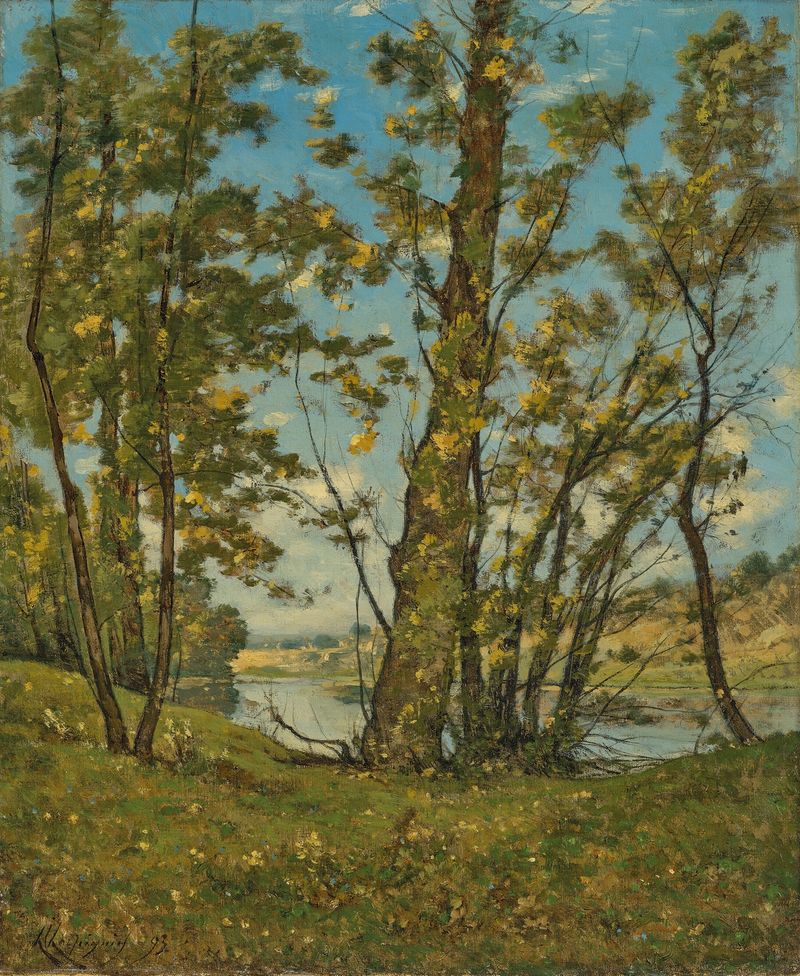
La Loire à Bonny
Henri-Joseph Harpignies
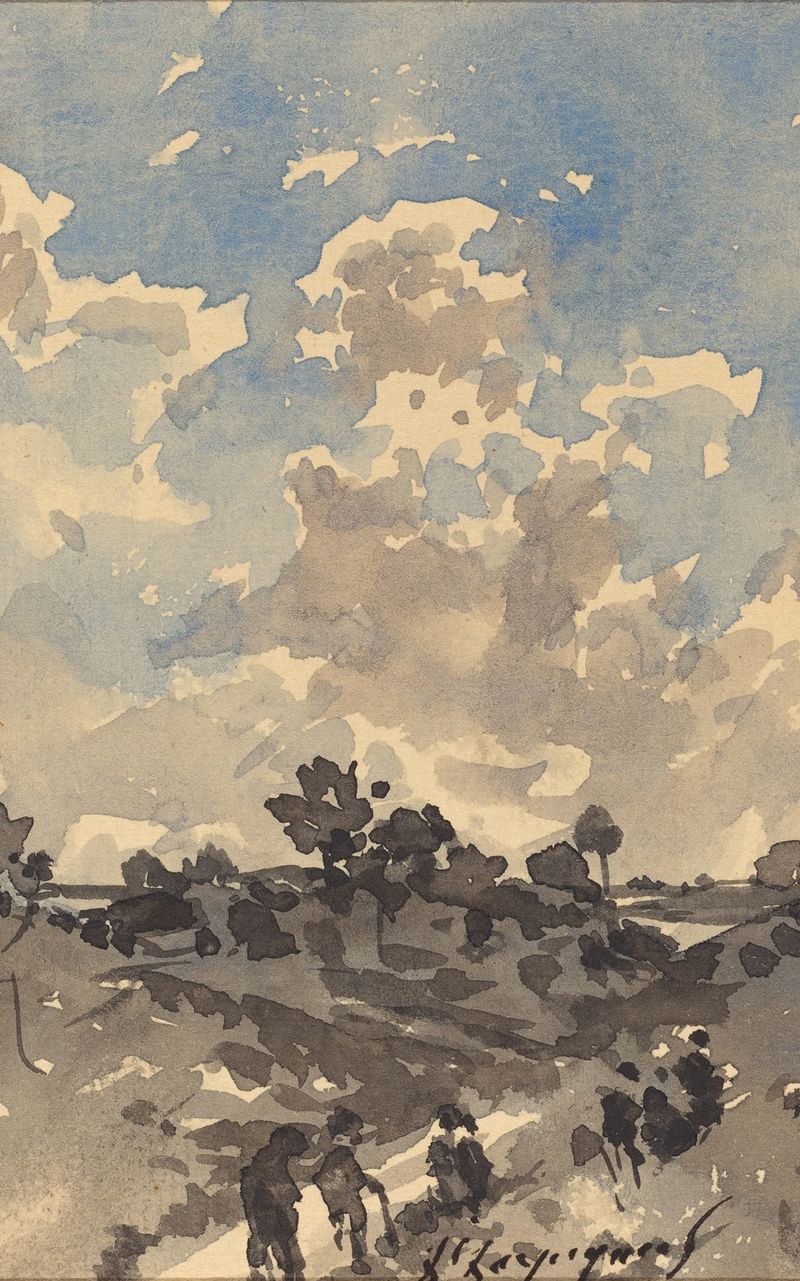
A Landscape with Figures Walking along a Path
Henri-Joseph Harpignies
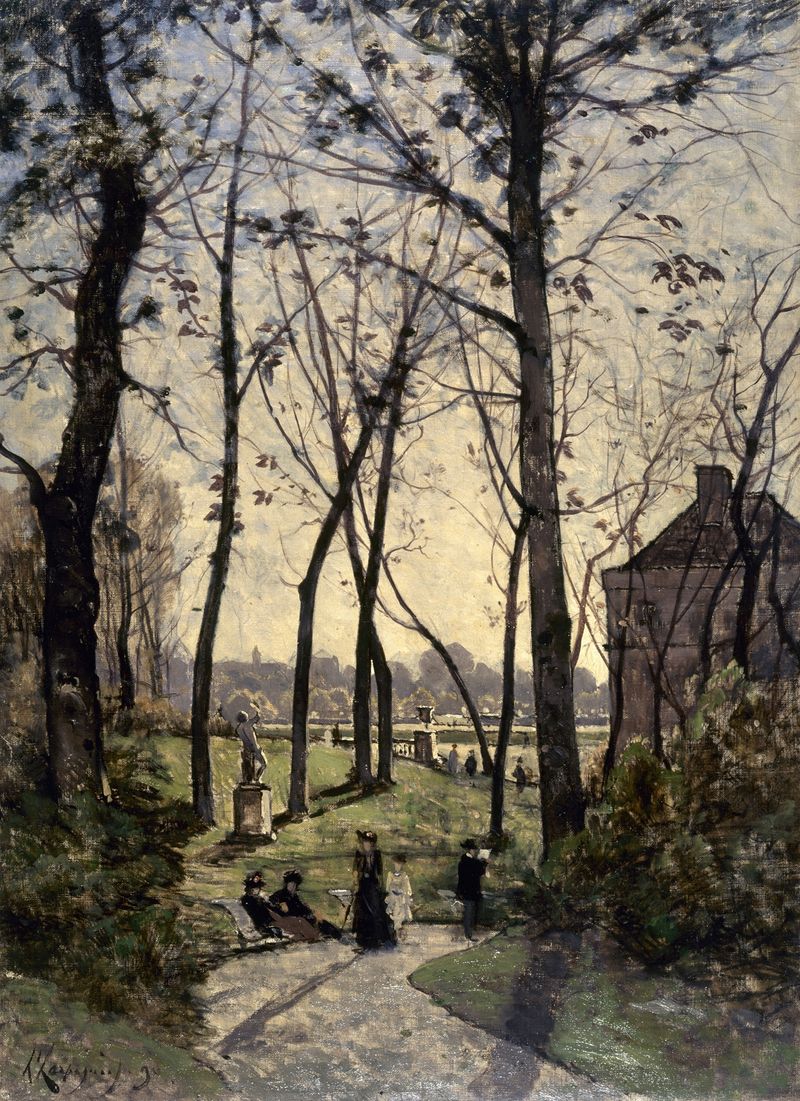
Le jardin du Luxembourg
Henri-Joseph Harpignies
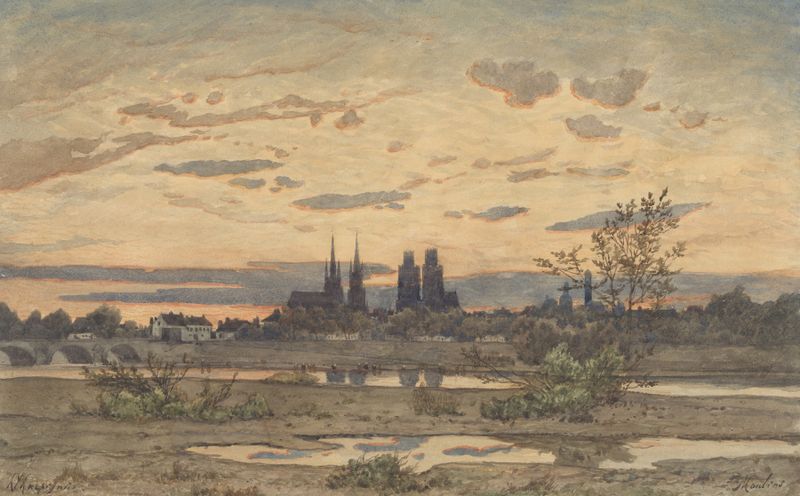
A View of Moulins
Henri-Joseph Harpignies
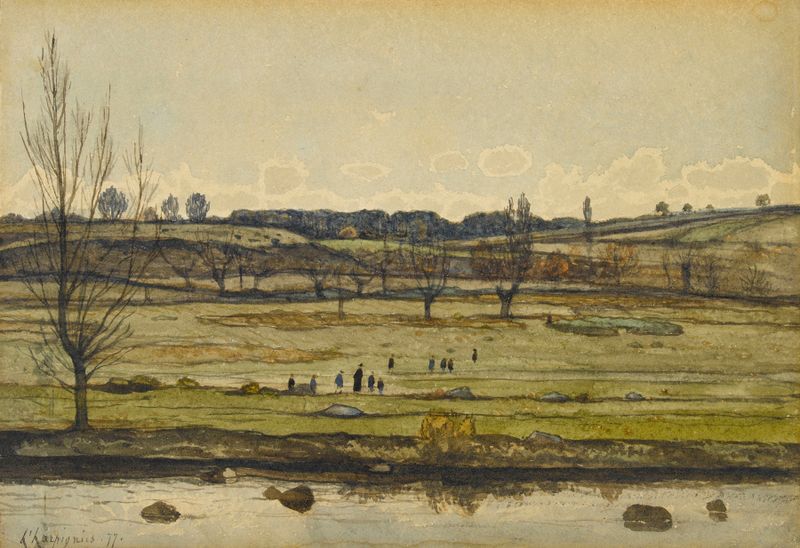
Paysage
Henri-Joseph Harpignies
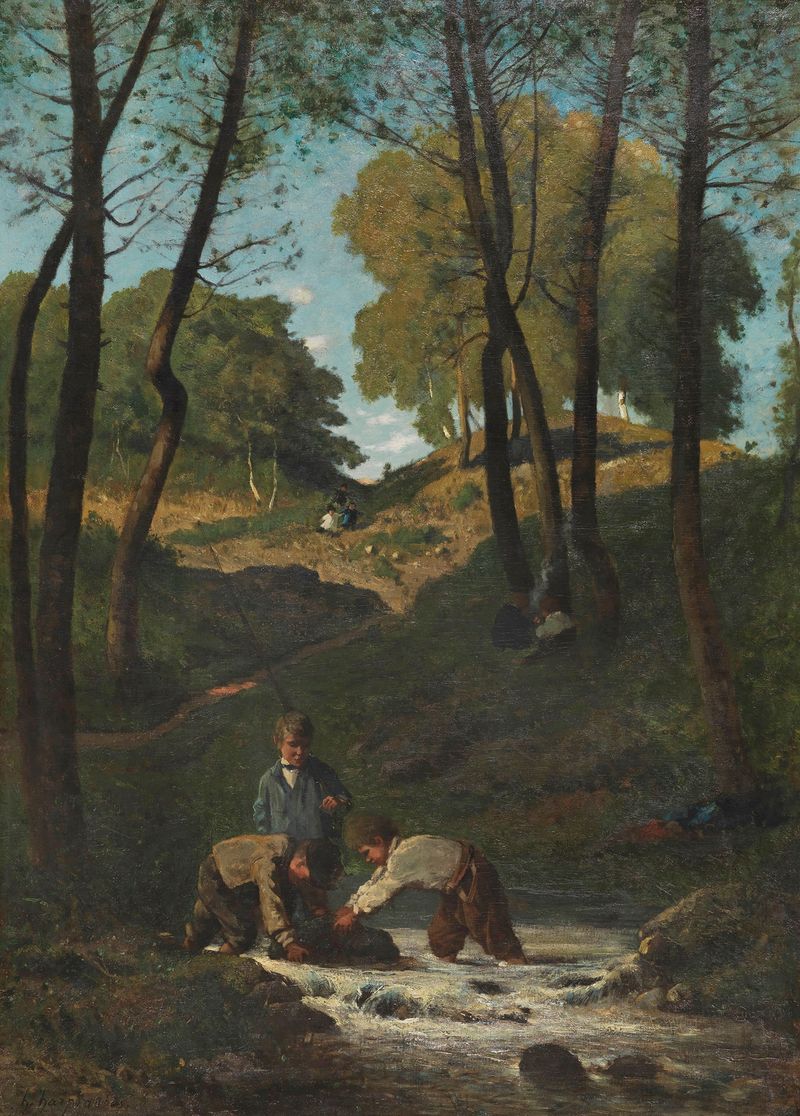
Chercheurs d’écrevisses
Henri-Joseph Harpignies
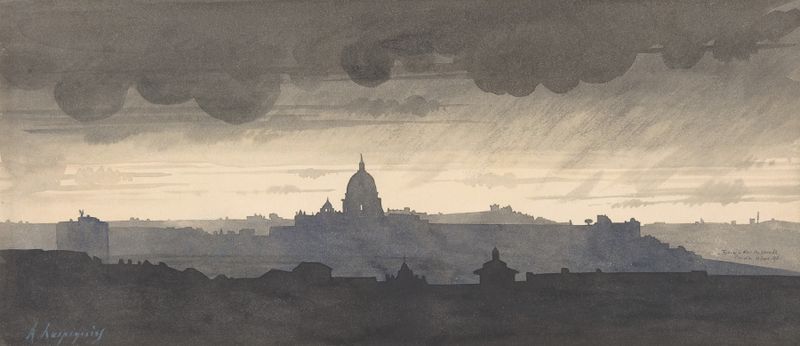
Saint Peter’s Seen From the Pincio, Rome
Henri-Joseph Harpignies
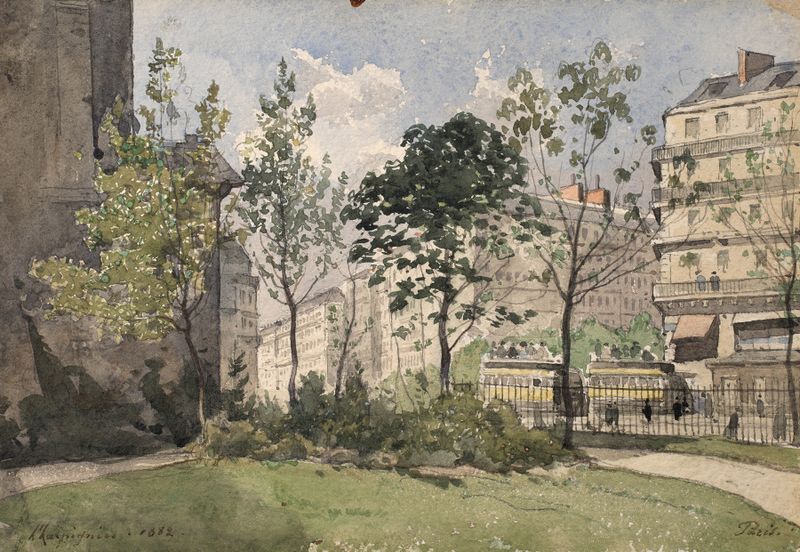
View of the forecourt of the Saint-Germain-des-Prés church
Henri-Joseph Harpignies
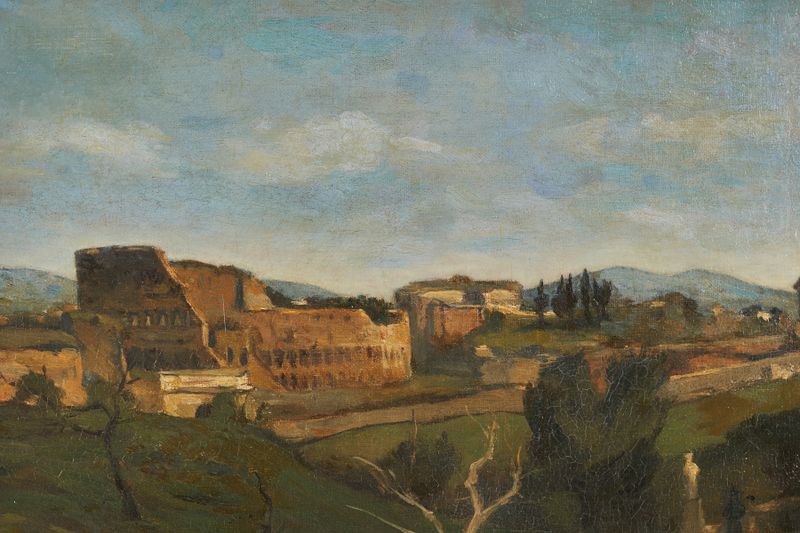
Le Colisée à Rome
Henri-Joseph Harpignies

Villefranche
Henri-Joseph Harpignies





