
Paysage — History & Facts
Could a single brushstroke hold eternity? In Paysage, the essence of rebirth unfolds through the delicate interplay of color and form, inviting contemplation and wonder. Look to the foreground, where vibrant green foliage breathes life into the canvas. The artist employs a rich palette, blending greens with hints of soft yellows that catch the light, creating a sense of movement as if the breeze gently rustles the leaves. Notice how the horizon, painted with warm earth tones, contrasts with the sky—a tranquil canvas of blues swirling with wispy clouds, suggesting a fleeting moment in a more profound cycle.
Each stroke seems intentional, whispering of nature's resilience and the beauty of new beginnings. This landscape is not merely a representation but a dialogue between tranquility and dynamism. The interplay between the stillness of the water and the vibrant energy of the trees indicates nature's duality: the serene moment of reflection juxtaposed with the persistent pulse of life. The gentle ripples on the water's surface mirror the sky's colors, reinforcing a sense of harmony and cyclical existence, encapsulating the theme of rebirth essential to the natural world. In 1902, Harpignies, an influential figure in the French landscape movement, painted this work during a period when Impressionism was evolving.
Living in a time marked by industrial change, he sought solace in the landscapes of France, emphasizing a connection to nature that countered the rapid pace of modern life. This painting, crafted in his studio, reflects his ongoing exploration of light and atmosphere, celebrating the eternal renewal found in the natural world.
More Artworks by Henri-Joseph Harpignies
Browse all →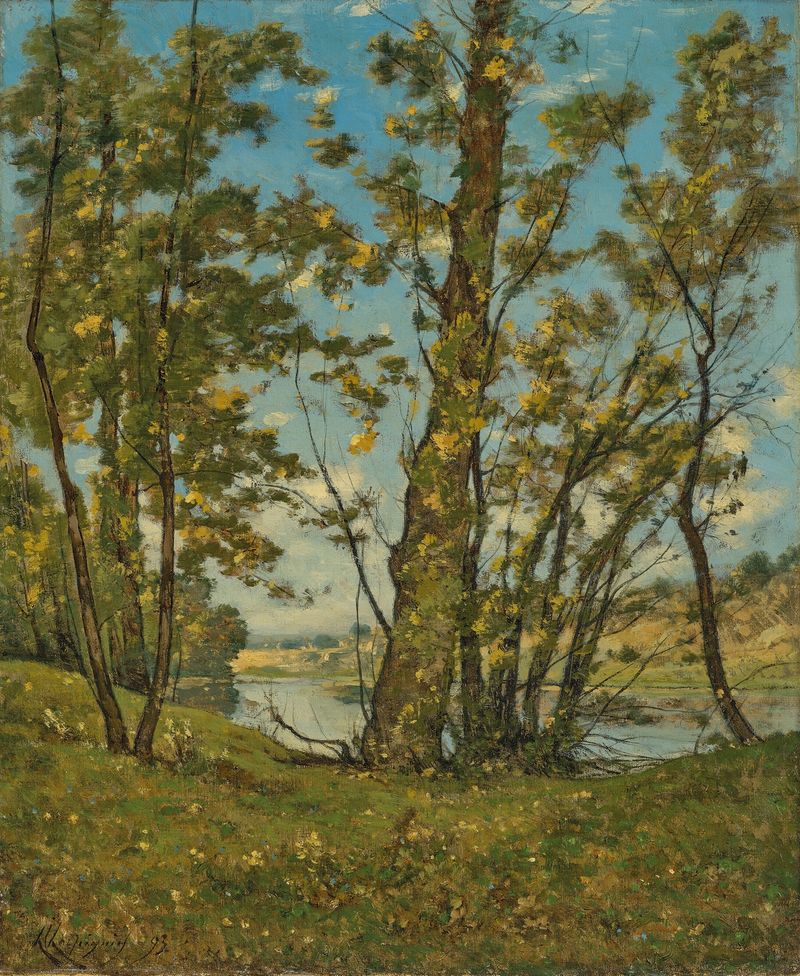
La Loire à Bonny
Henri-Joseph Harpignies
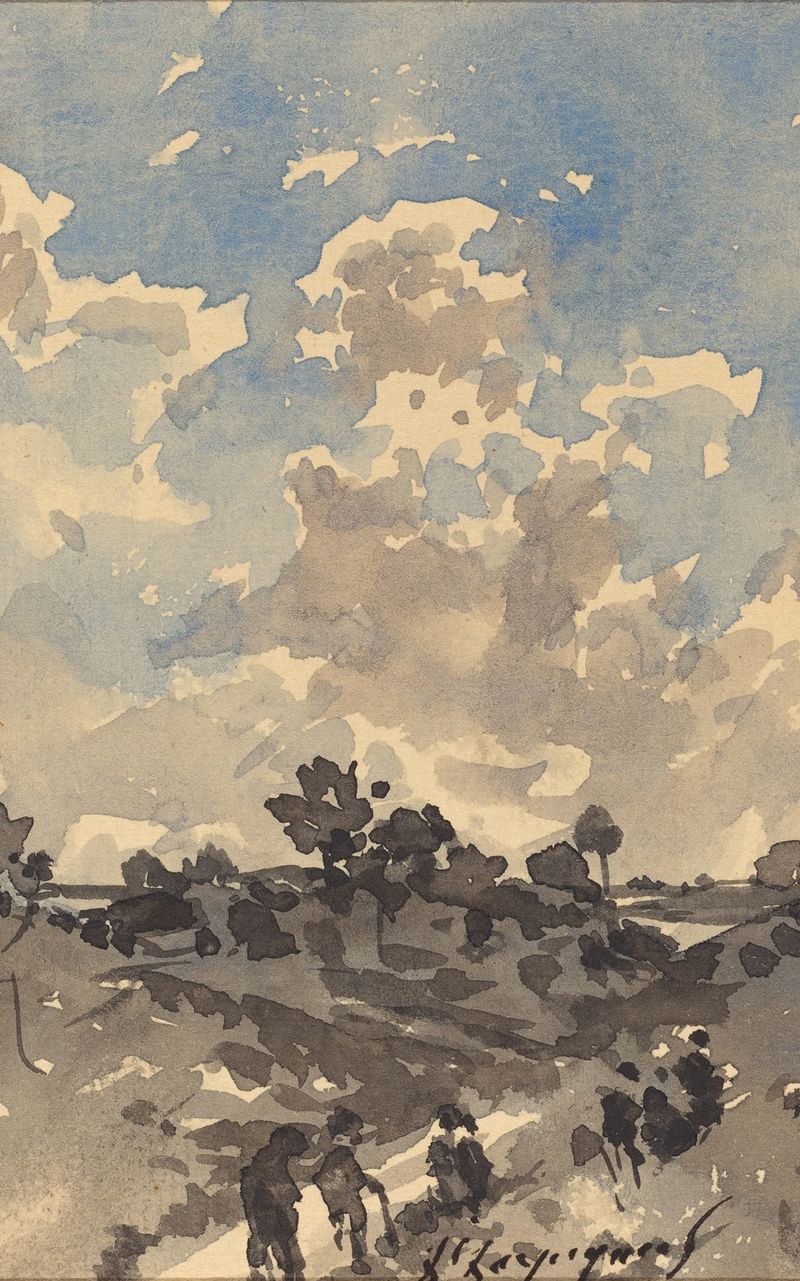
A Landscape with Figures Walking along a Path
Henri-Joseph Harpignies
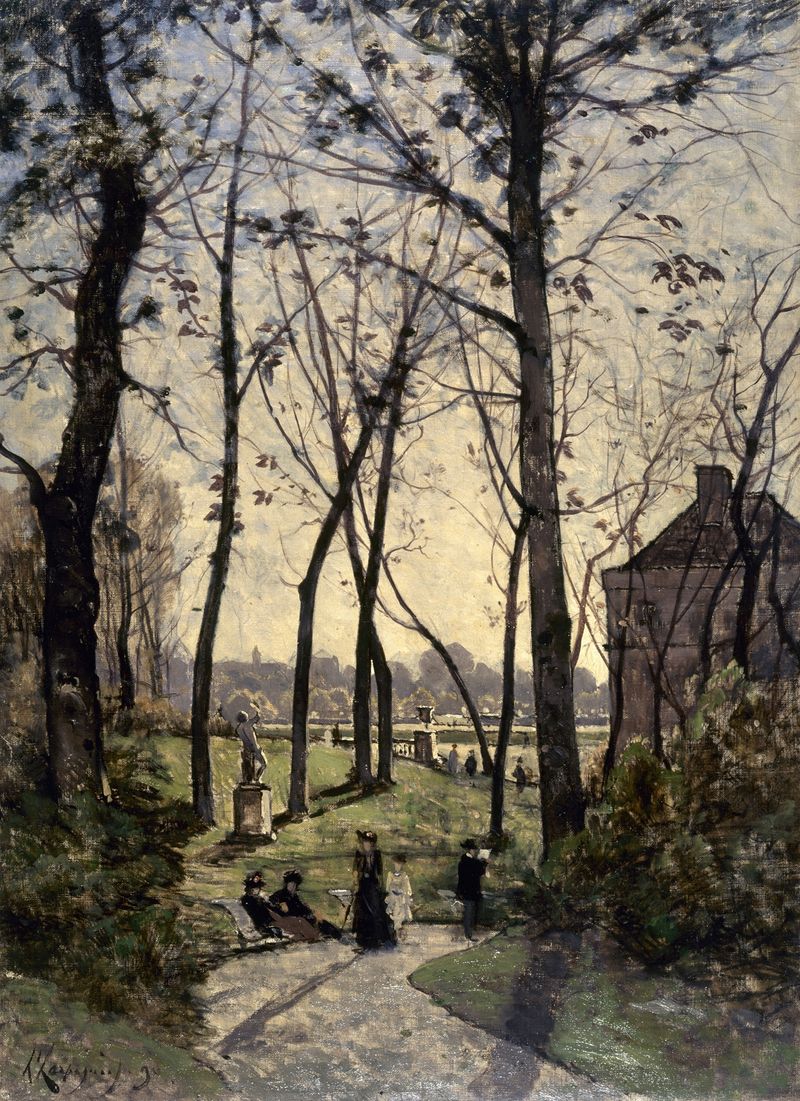
Le jardin du Luxembourg
Henri-Joseph Harpignies
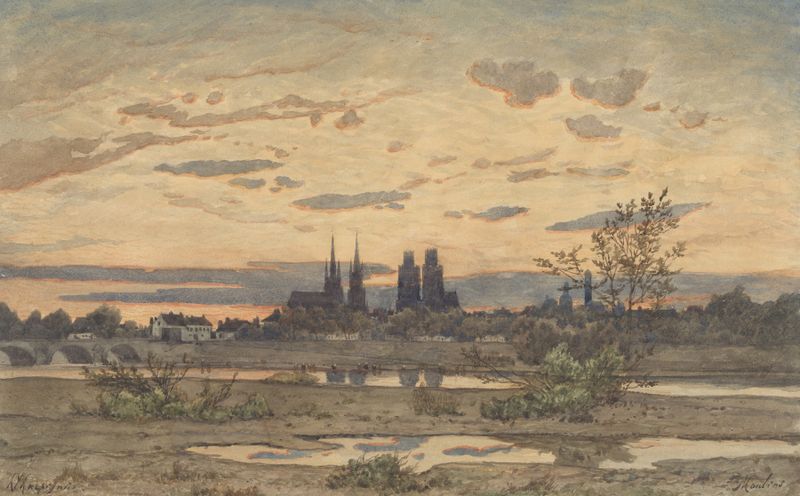
A View of Moulins
Henri-Joseph Harpignies
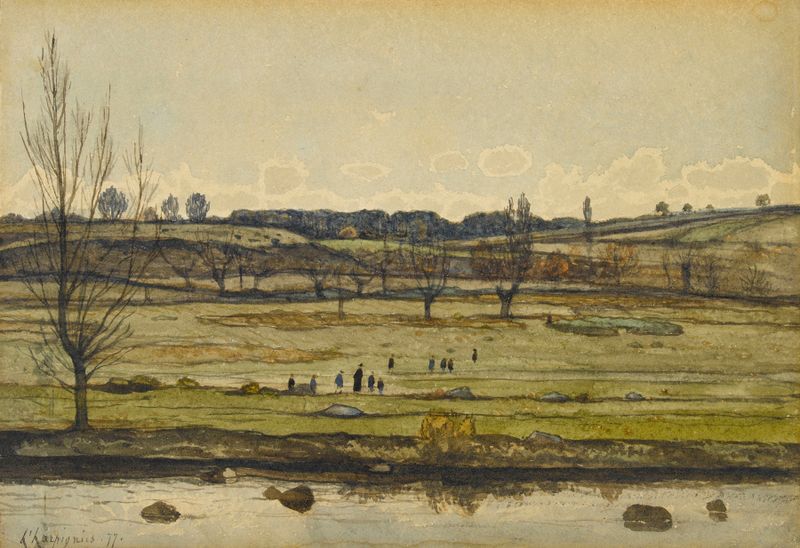
Paysage
Henri-Joseph Harpignies
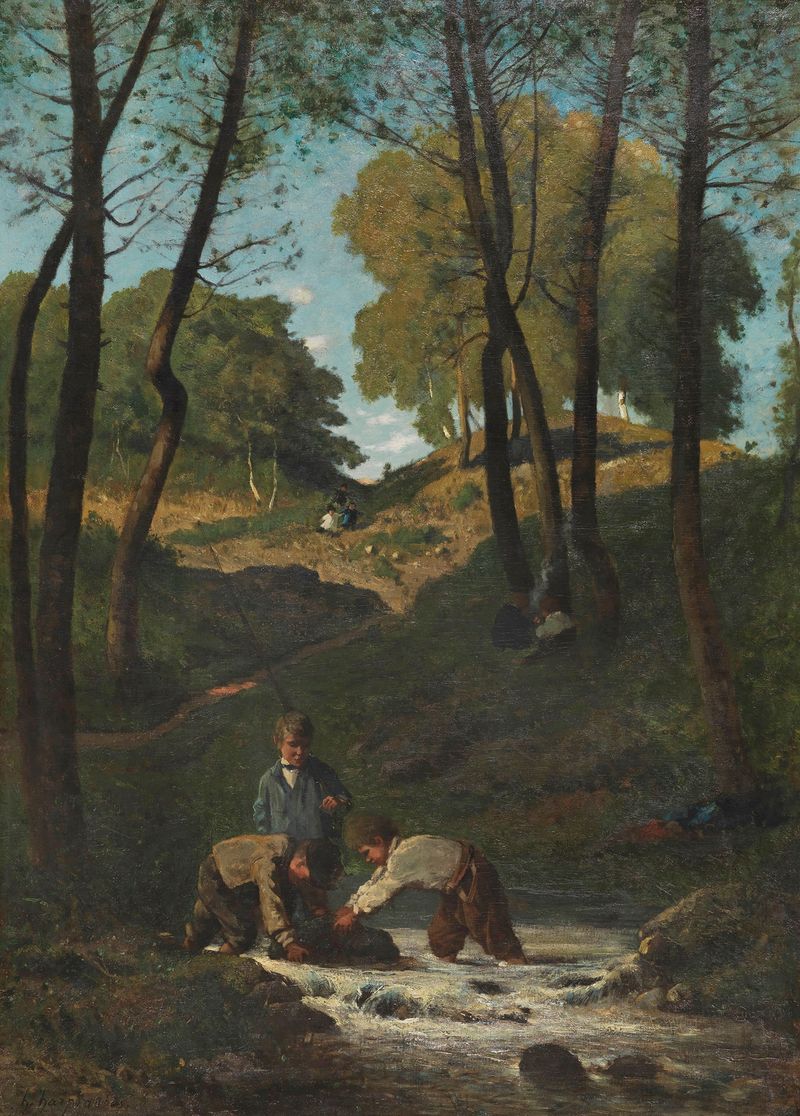
Chercheurs d’écrevisses
Henri-Joseph Harpignies
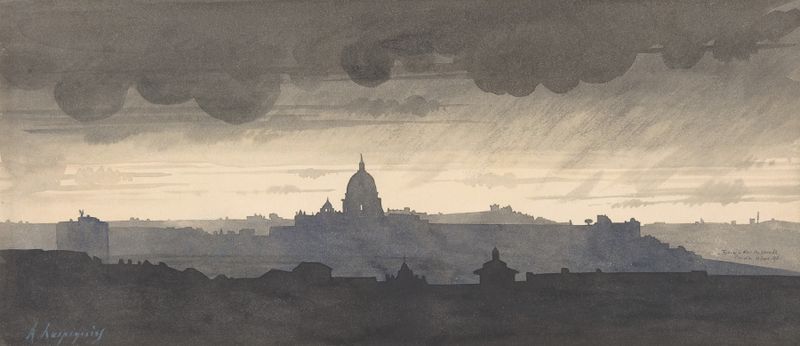
Saint Peter’s Seen From the Pincio, Rome
Henri-Joseph Harpignies
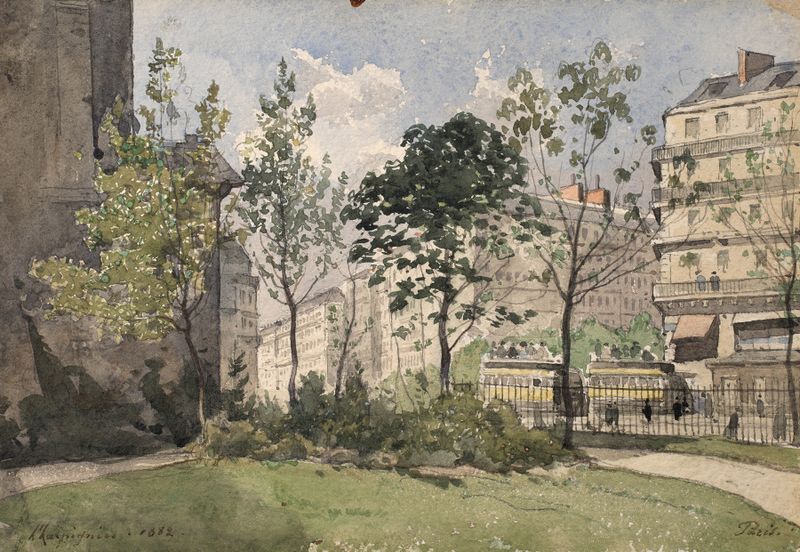
View of the forecourt of the Saint-Germain-des-Prés church
Henri-Joseph Harpignies
Le Colisée à Rome
Henri-Joseph Harpignies

Villefranche
Henri-Joseph Harpignies





