
Paysage — History & Facts
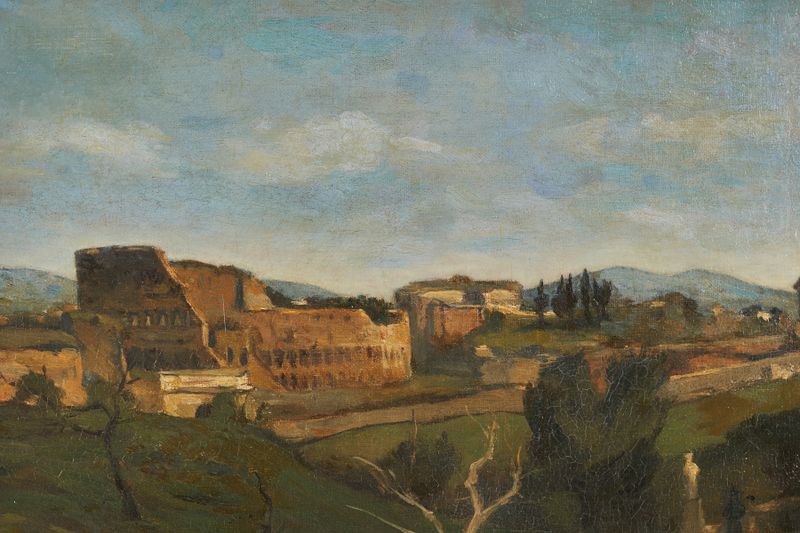
Can paint confess what words never could? In Paysage, the canvas whispers the essence of rebirth, capturing a serenity that transcends the mundane and touches the soul. Focus on the lush greenery that frames the image; the vibrant, earthy tones invite your gaze to linger. Notice how the light filters through the trees, casting dappled shadows that dance across the ground, creating a tapestry of bright and dark. The composition draws your eye into the heart of the landscape, where the horizon meets a delicate sky, suggesting depth and the promise of new beginnings.
Each brushstroke of Harpignies invites you to feel the pulse of life beneath the surface. Hidden within the tranquil scene lies a contrast between the stillness of nature and the inevitability of change. The rich greens symbolize growth, while the expanses of open sky hint at limitless possibilities. Small details, like the gentle sway of a solitary branch or the soft ripples of water, echo the subtle tensions between permanence and transience.
This duality serves as a reminder that beauty often resides at the intersection of stability and transformation. In the early 1900s, while Harpignies was creating this work, he was deeply embedded in the French artistic community, drawing on the Impressionist movement that celebrated color and light. During this time, he was also influenced by the natural landscapes surrounding him. The world was on the cusp of modernity, and his pieces reflected a longing for nostalgia, capturing a moment of stillness amidst the rapid changes of the period.
More Artworks by Henri-Joseph Harpignies
Browse all →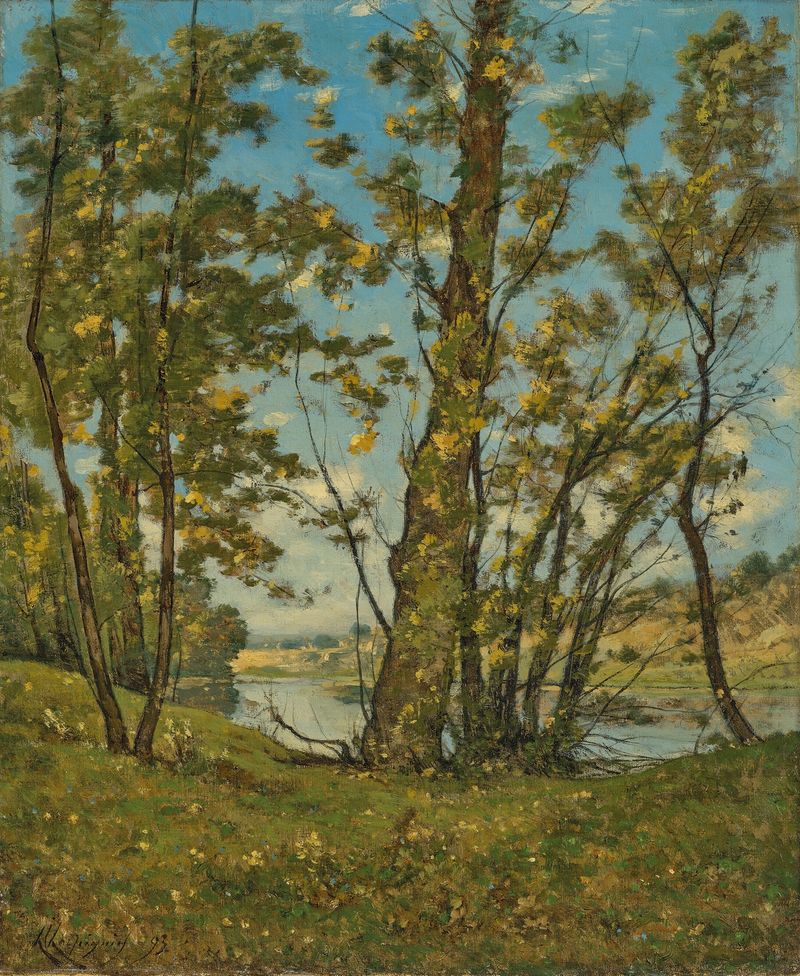
La Loire à Bonny
Henri-Joseph Harpignies
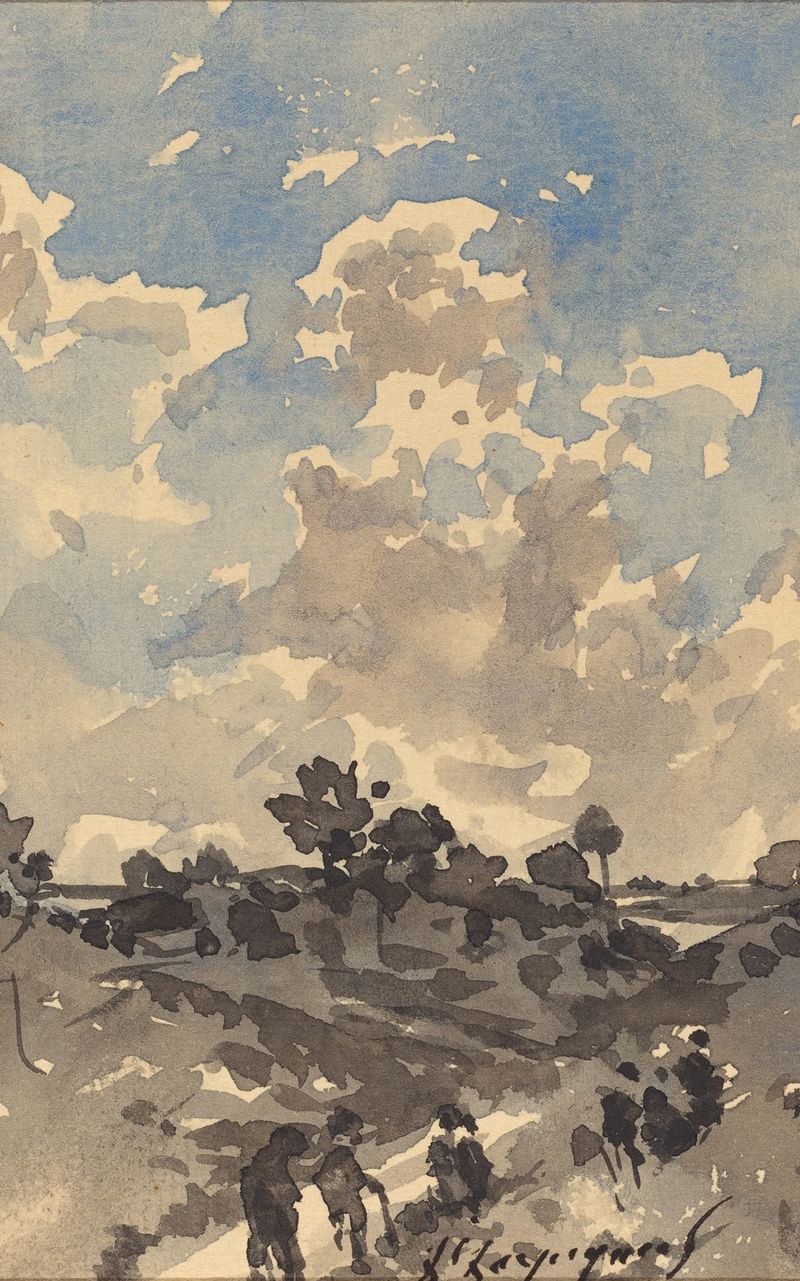
A Landscape with Figures Walking along a Path
Henri-Joseph Harpignies
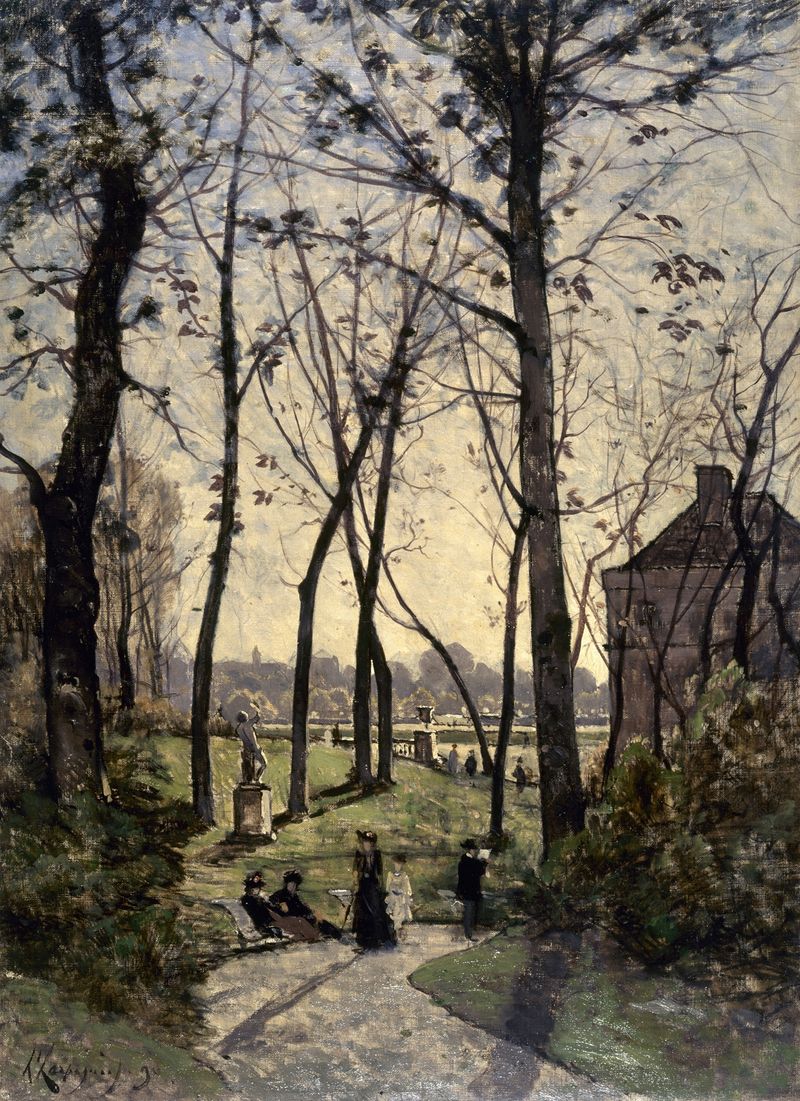
Le jardin du Luxembourg
Henri-Joseph Harpignies
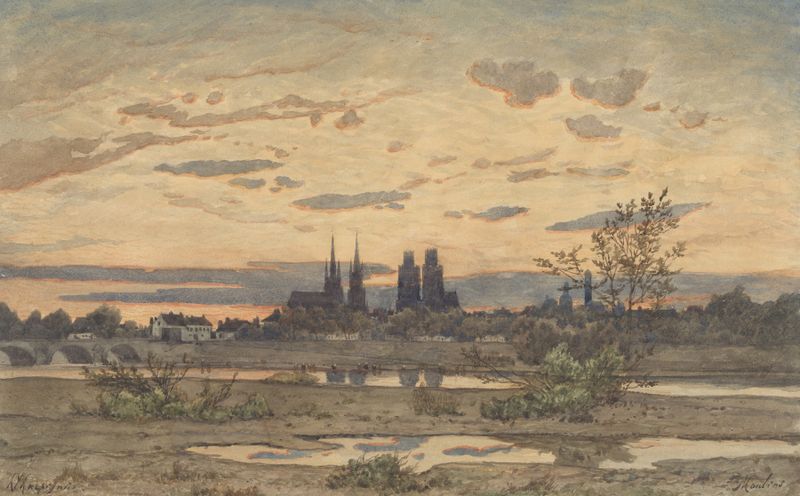
A View of Moulins
Henri-Joseph Harpignies
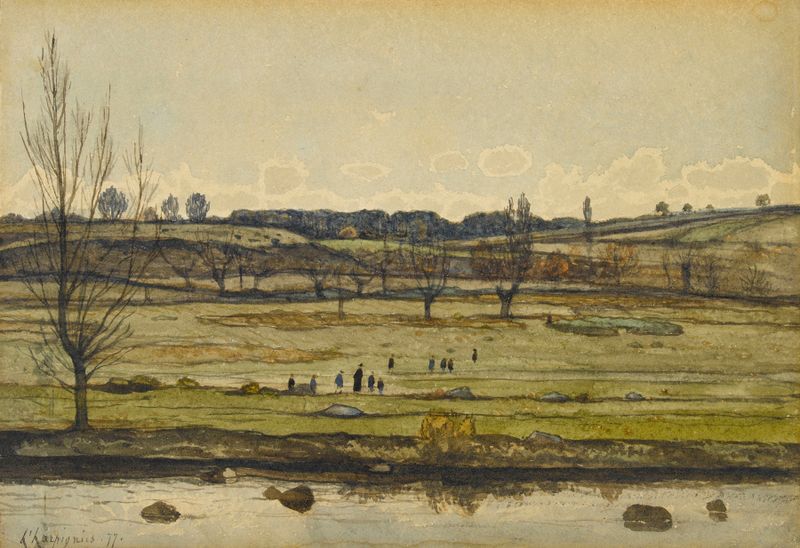
Paysage
Henri-Joseph Harpignies
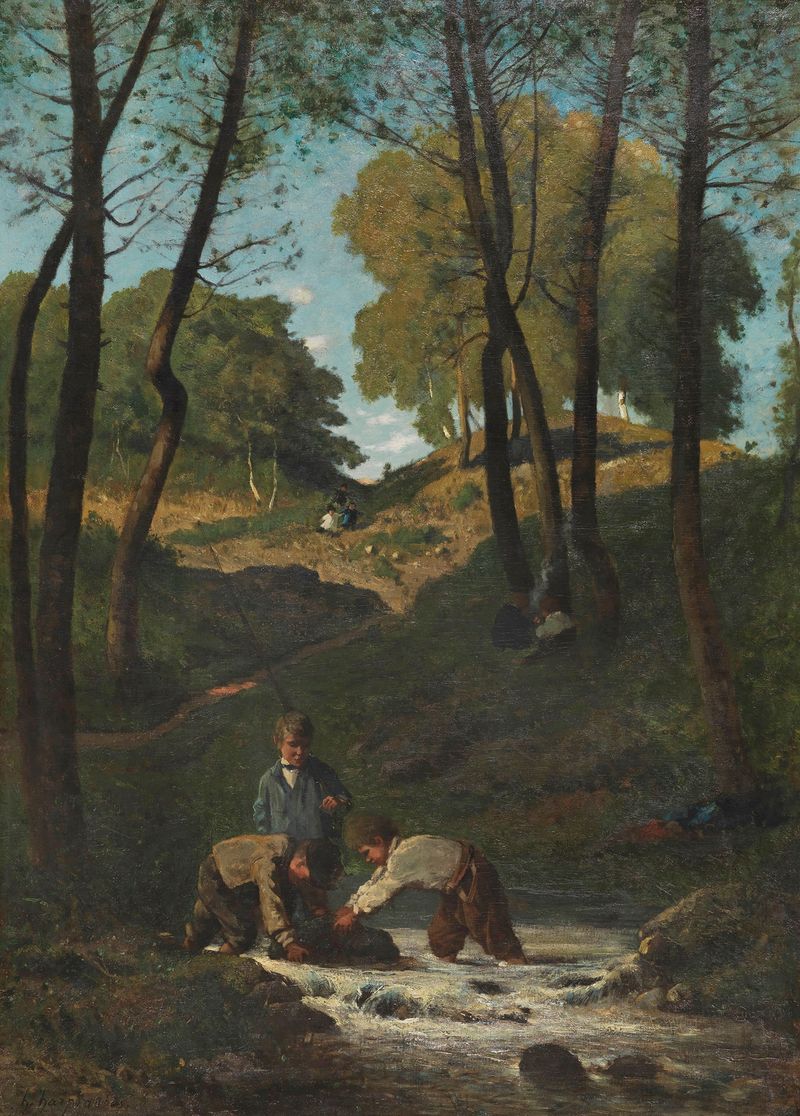
Chercheurs d’écrevisses
Henri-Joseph Harpignies
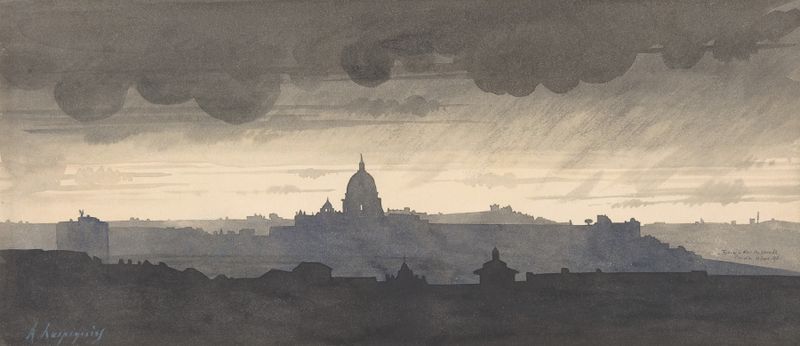
Saint Peter’s Seen From the Pincio, Rome
Henri-Joseph Harpignies
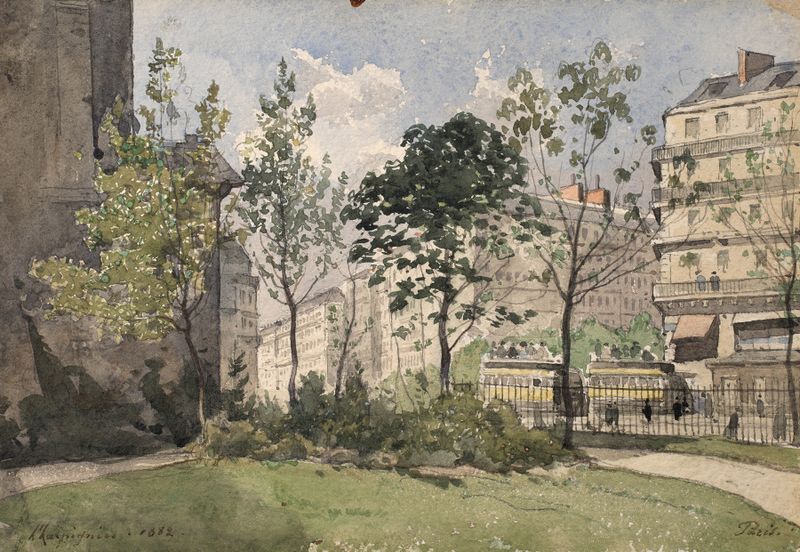
View of the forecourt of the Saint-Germain-des-Prés church
Henri-Joseph Harpignies
Le Colisée à Rome
Henri-Joseph Harpignies

Villefranche
Henri-Joseph Harpignies





