
Paysage — History & Facts
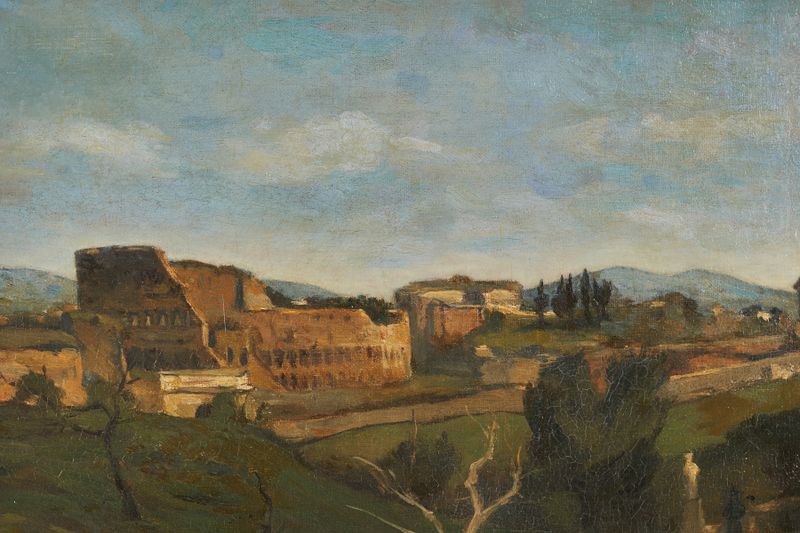
In a world constantly on the brink of revolution, the landscape serves as a silent witness, a testament to the transformative power of art amidst turmoil. Look to the tranquil horizon, where soft greens and blues merge seamlessly, creating a sense of harmony that contrasts with the tumultuous times. Notice how the dappled light spills through the trees, illuminating the delicate interplay of leaves and shadows. The painter’s brushwork invites you to linger, guiding your gaze across the serene meadows and subtly rolling hills that stretch into the distance.
Each stroke breathes life into the scene, evoking a sense of peace that feels almost surreal. Delve deeper into the interplay of color and light; the vibrant palette reflects a profound emotional resonance. The juxtaposition of dark, stormy clouds looming above hints at unrest, while the gentle earth below suggests a refuge from chaos. This tension between the foreboding sky and the serene landscape embodies the duality of existence—beauty amid struggle, tranquility amid uncertainty.
Each detail, from each blade of grass to the expansive sky, echoes the complexities of the era, reminding us that every revolution is marked not only by upheaval but also by beauty. In 1868, Harpignies painted this work during a time when France was experiencing significant social and political changes. Having settled in a tumultuous artistic landscape, he sought to capture the essence of nature while exploring the emotional dimensions of his surroundings. The era, marked by the transition from Romanticism to Realism, inspired him to find solace in landscapes, expressing both the external beauty and inner strife of humanity through his art.
More Artworks by Henri-Joseph Harpignies
Browse all →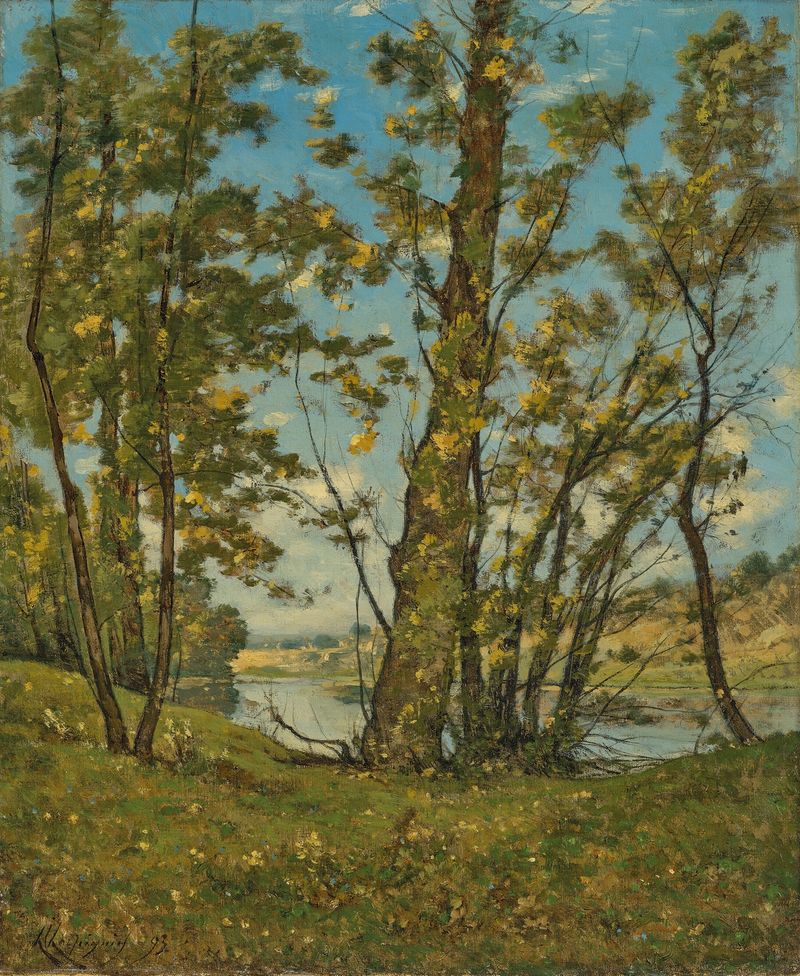
La Loire à Bonny
Henri-Joseph Harpignies
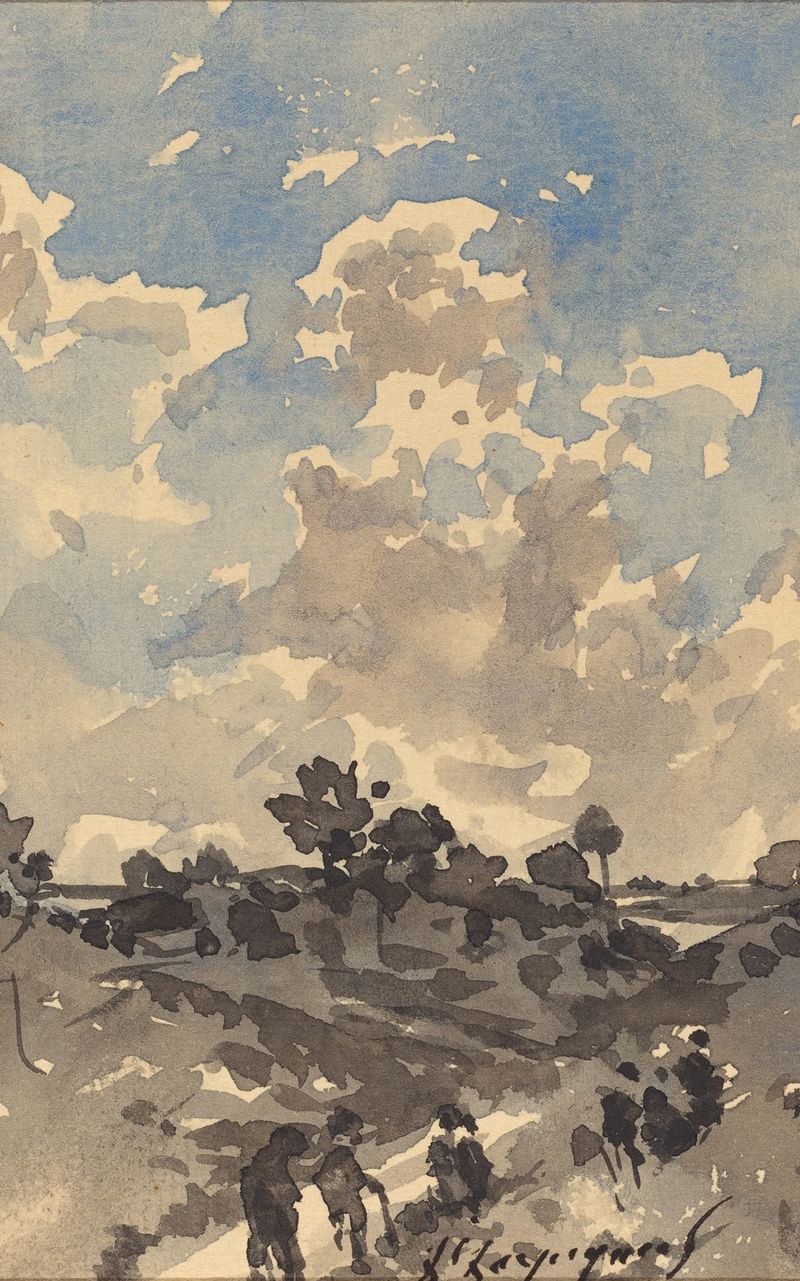
A Landscape with Figures Walking along a Path
Henri-Joseph Harpignies
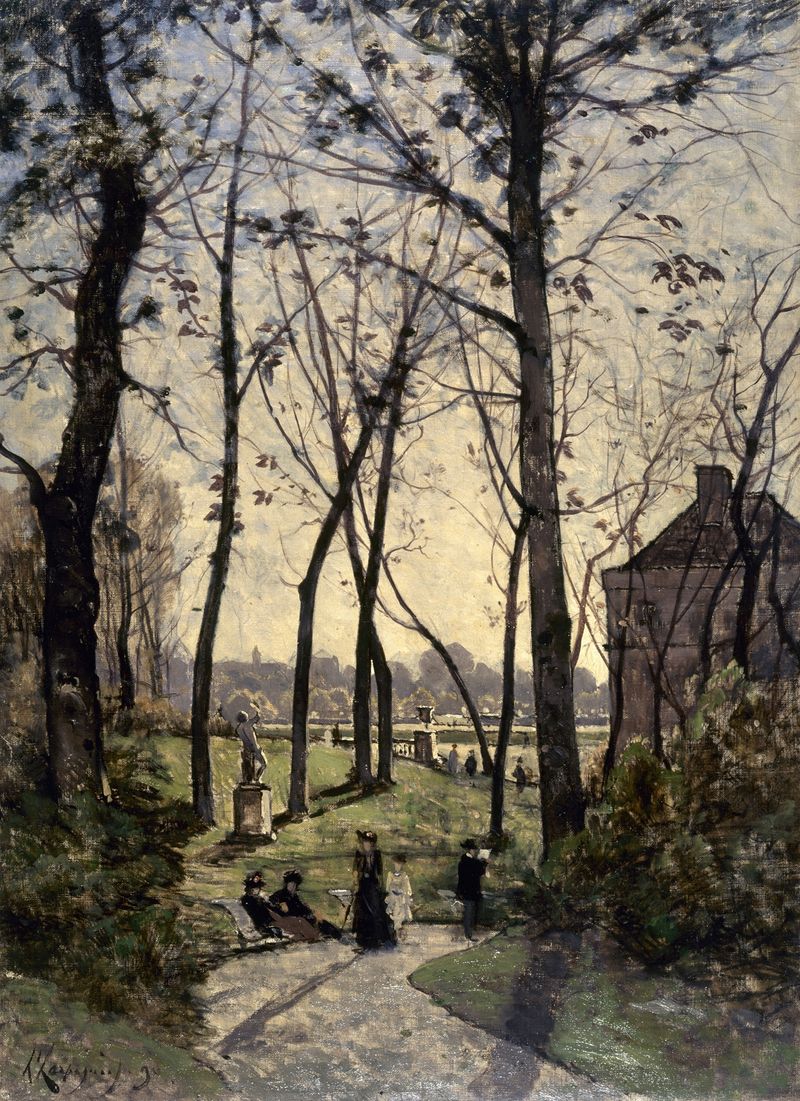
Le jardin du Luxembourg
Henri-Joseph Harpignies
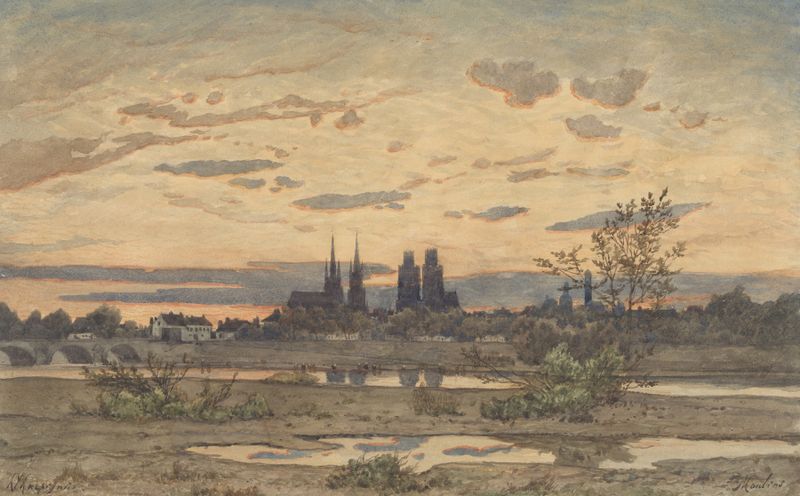
A View of Moulins
Henri-Joseph Harpignies
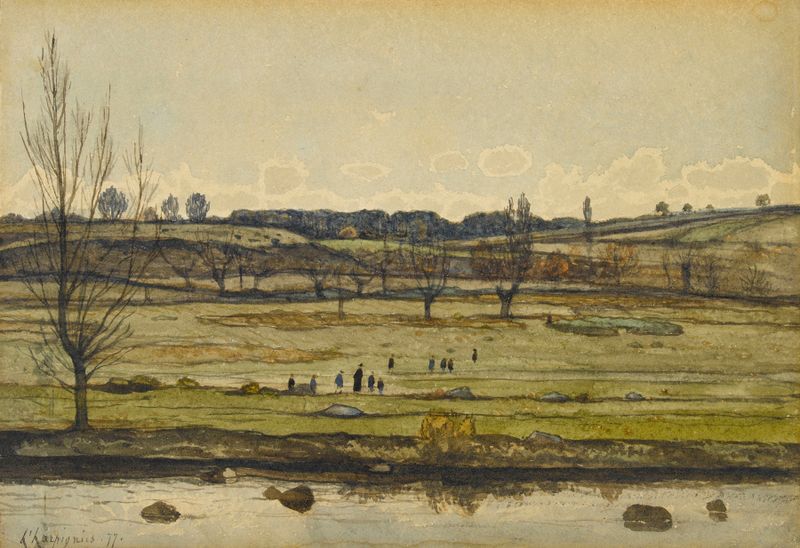
Paysage
Henri-Joseph Harpignies
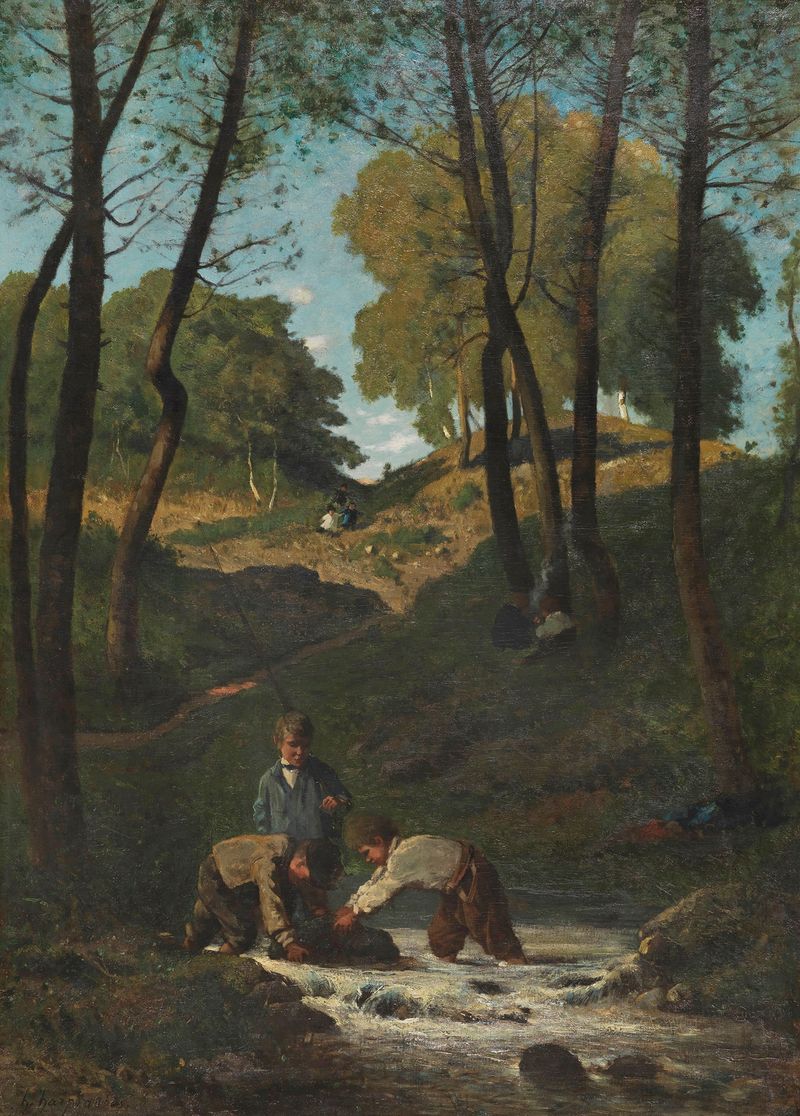
Chercheurs d’écrevisses
Henri-Joseph Harpignies
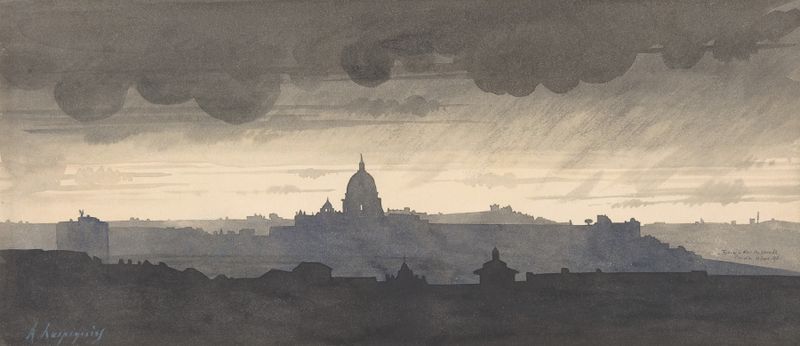
Saint Peter’s Seen From the Pincio, Rome
Henri-Joseph Harpignies
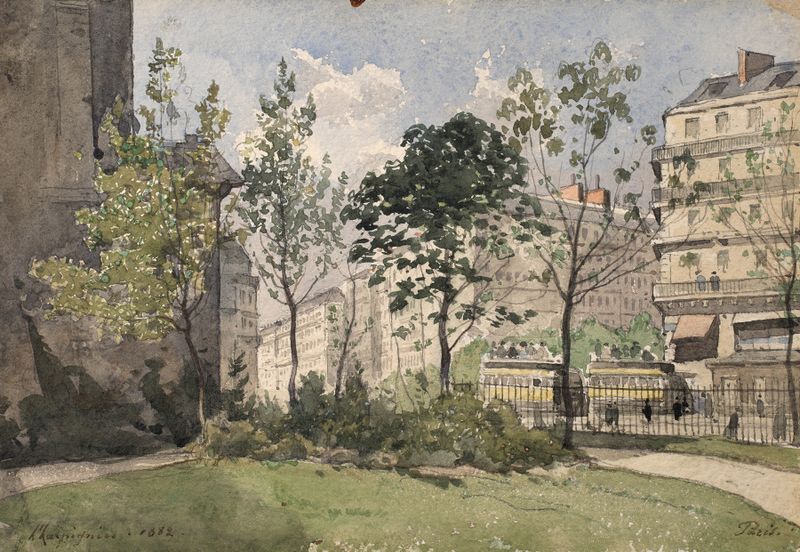
View of the forecourt of the Saint-Germain-des-Prés church
Henri-Joseph Harpignies
Le Colisée à Rome
Henri-Joseph Harpignies

Villefranche
Henri-Joseph Harpignies





