
Peasant (The Answer) — History & Facts
Few paintings by Gustave Van de Woestijne have provoked as much speculation as Peasant (The Answer), a work whose very title invites the viewer into a silent dialogue. The painting’s origins are shrouded in uncertainty—neither its date nor its original commissioner is recorded—yet it stands as a touchstone of early twentieth-century Flemish art, often cited in discussions of rural identity and social change. Scholars have long debated whether the work was intended as a response to the upheavals of World War I or as a more personal meditation on the dignity of labor.
What is certain is that Peasant (The Answer) has become emblematic of Van de Woestijne’s fascination with the inner lives of ordinary people. At the center of the composition, a solitary peasant gazes directly at the viewer, his weathered face framed by the muted tones of his simple clothing. The artist captures a moment of stillness, as if the man has just been asked a question and is about to reply—or perhaps has already given his answer, wordlessly. The hands, rough and strong, rest on a wooden surface, suggesting both fatigue and steadfastness.
Light falls gently across his features, accentuating the furrows of his brow and the quiet resolve in his eyes. Unlike the romanticized peasants of Jean-François Millet, Van de Woestijne’s figure is neither idealized nor sentimental; instead, he is rendered with a psychological depth that hints at hardship and pride in equal measure. The physical journey of Peasant (The Answer) remains largely undocumented, and its medium is still a matter of debate among art historians. What is clear is that the painting has become a fixture in discussions of Belgian modernism, marking a period when Van de Woestijne moved away from Symbolist influences toward a more direct, humanist realism.
Today, the work is typically encountered in online collections and exhibition catalogues, where it continues to prompt questions about the artist’s intentions and the realities of rural life in early twentieth-century Flanders. Though its provenance is uncertain, its impact on the appreciation of Van de Woestijne’s oeuvre is undisputed.
More Artworks by Gustave Van de Woestijne
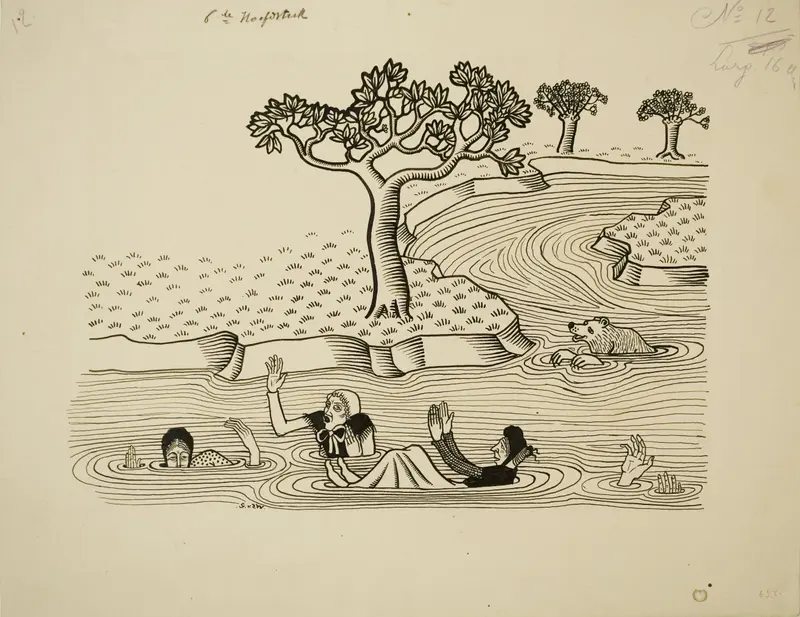
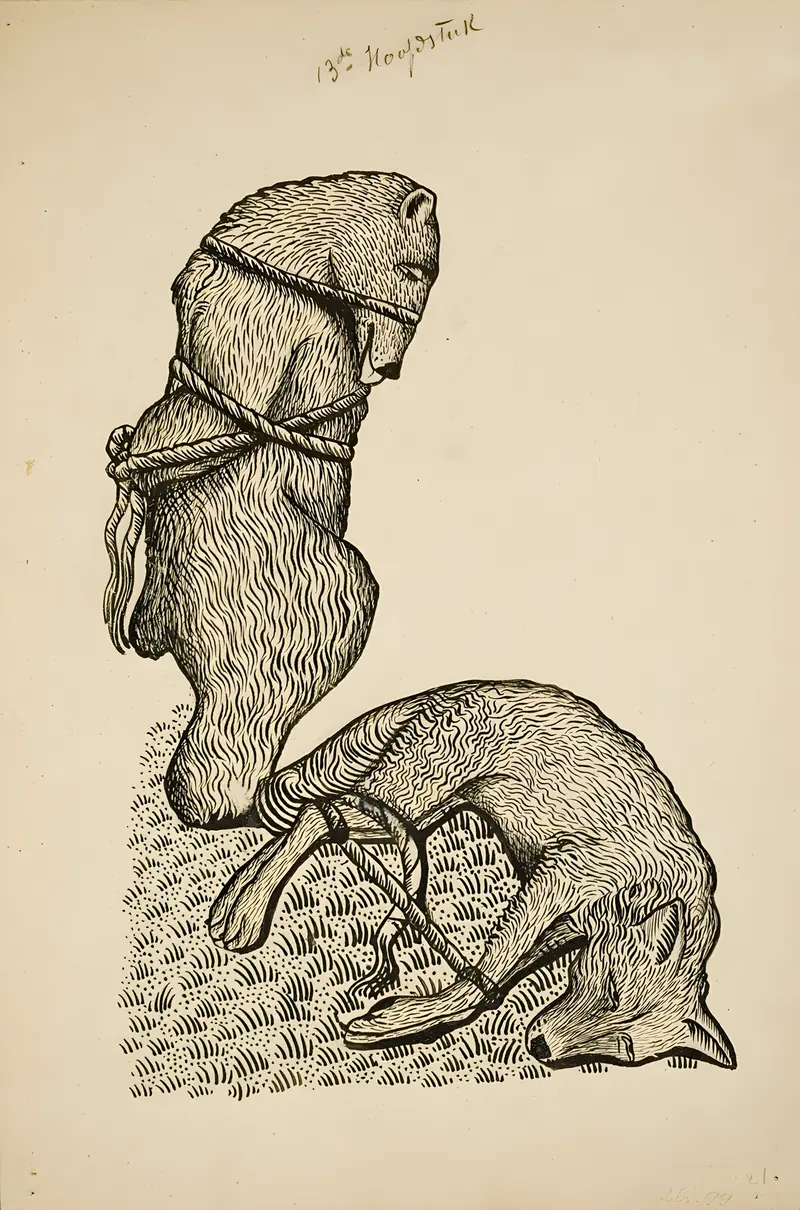
How Brown went out with Reynard where he thought he was eating honey and how he was caught by head and feet and suffered further misfortune
Gustave Van de Woestijne
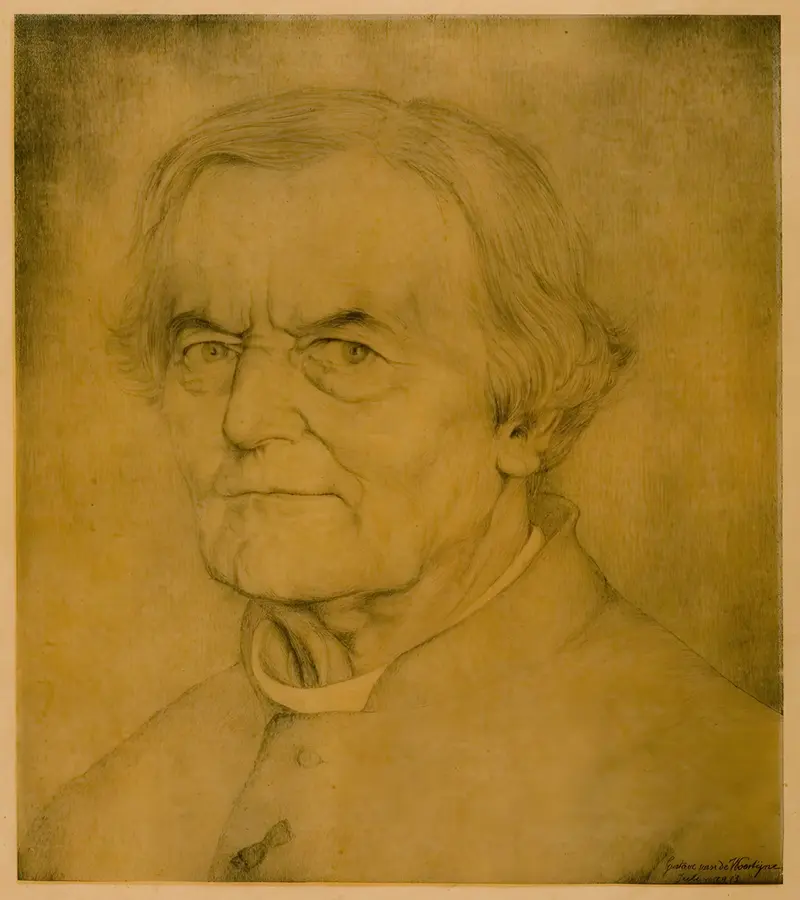
Portrait of Hugo Verriest
Gustave Van de Woestijne
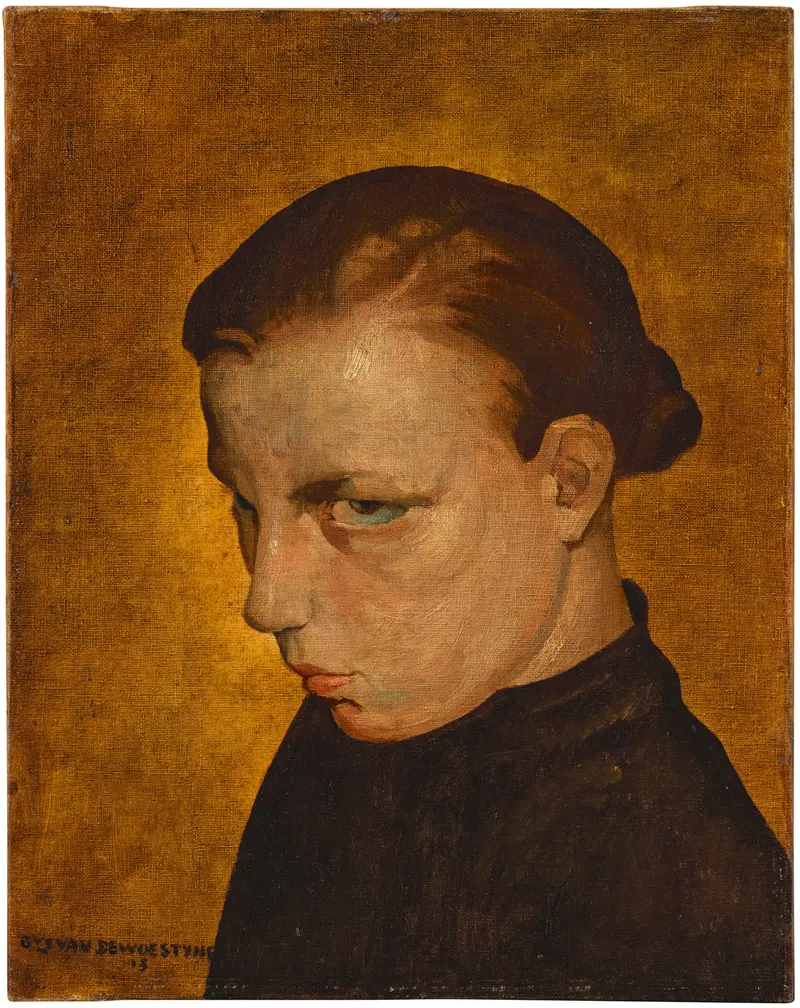
Angèle
Gustave Van de Woestijne
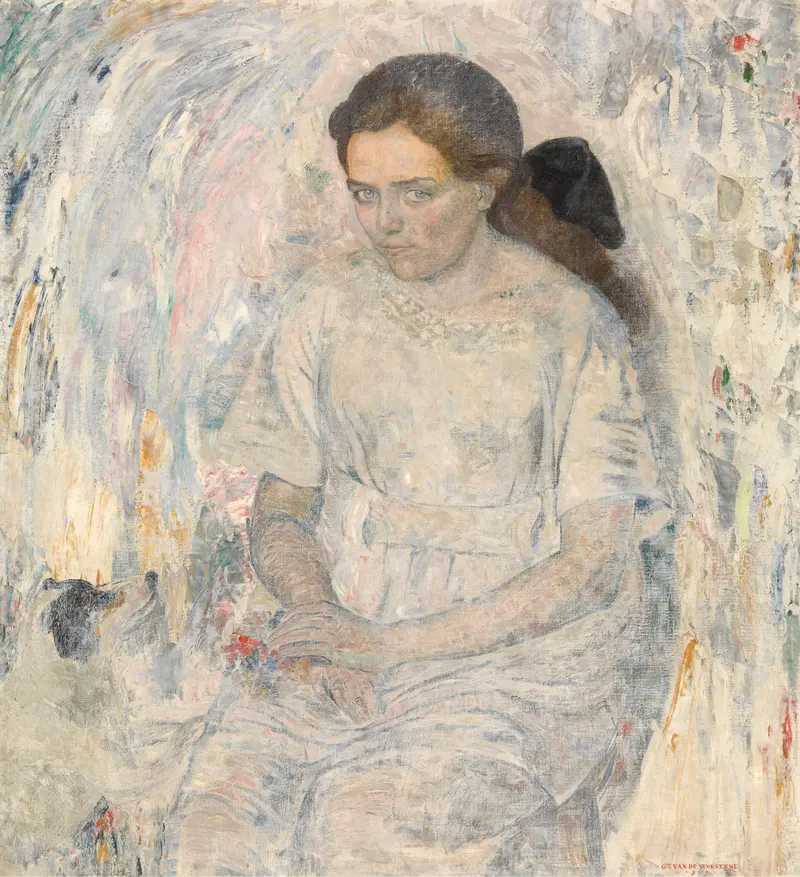
Adrienne
Gustave Van de Woestijne
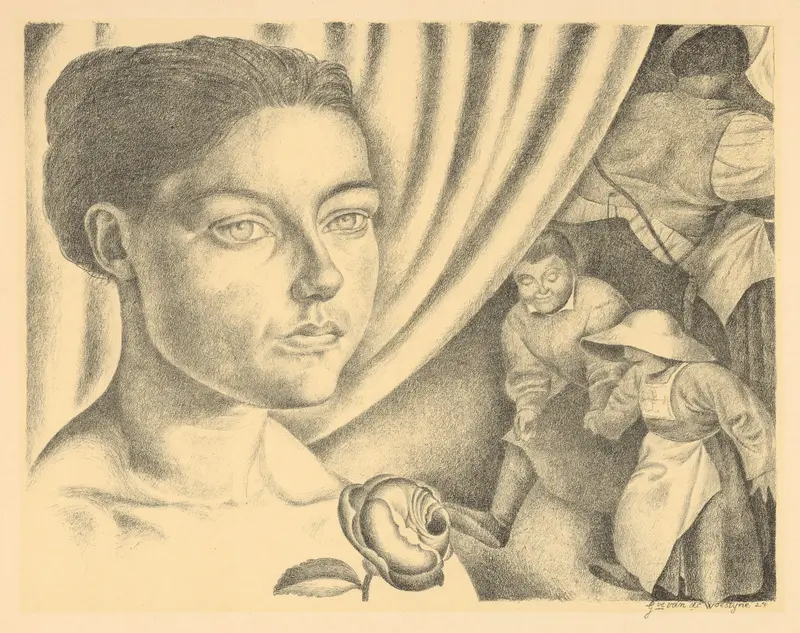
Jeune Femme
Gustave Van de Woestijne
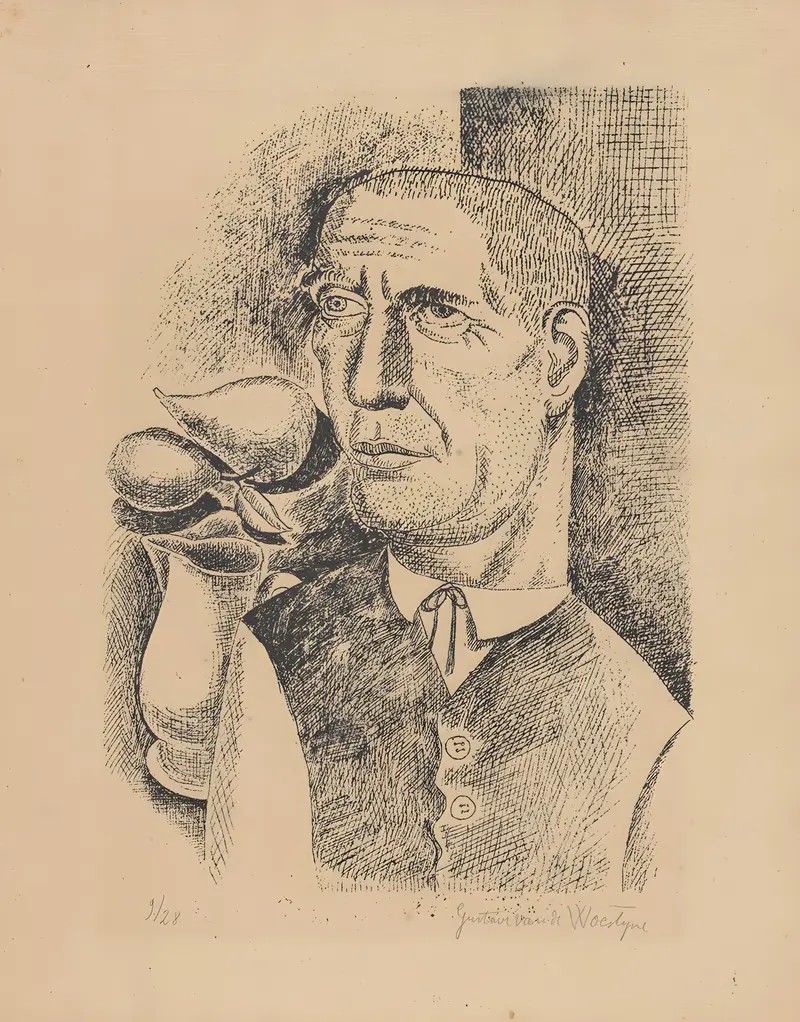
Boer op zijn zondags (Paysan endimanché)
Gustave Van de Woestijne
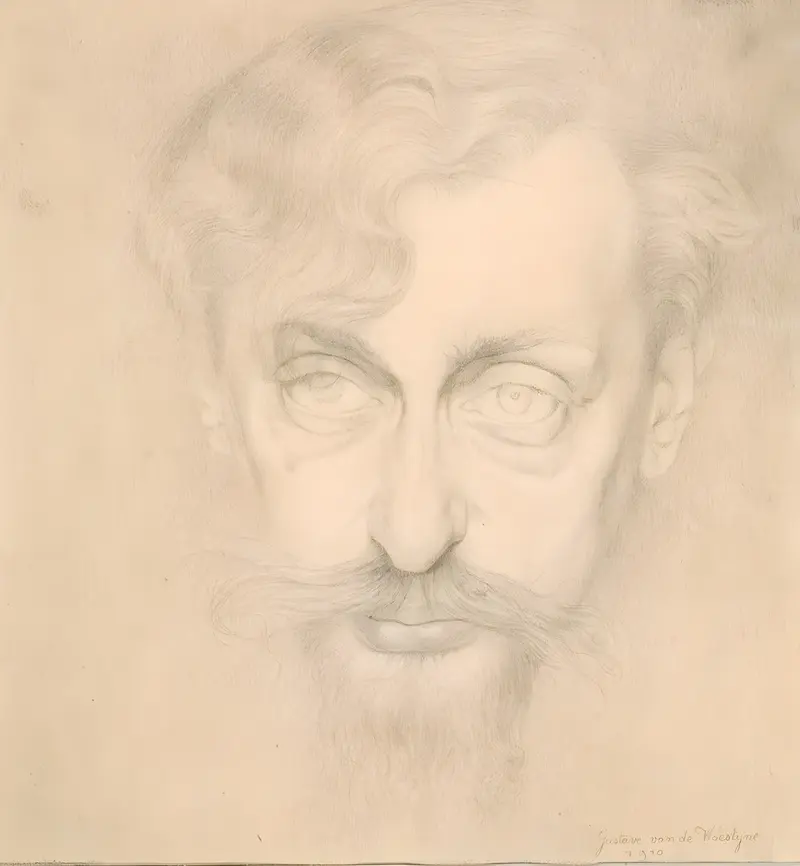
Portrait of the Writer Karel van de Woestijne
Gustave Van de Woestijne
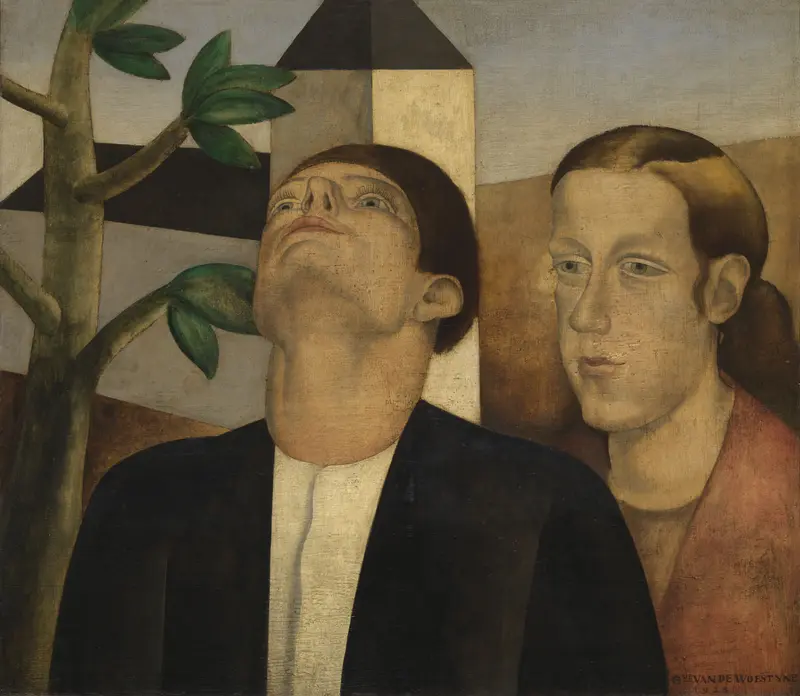
Azure
Gustave Van de Woestijne
How Reinaert devises a new trick to get free and exterminate his enemies
Gustave Van de Woestijne
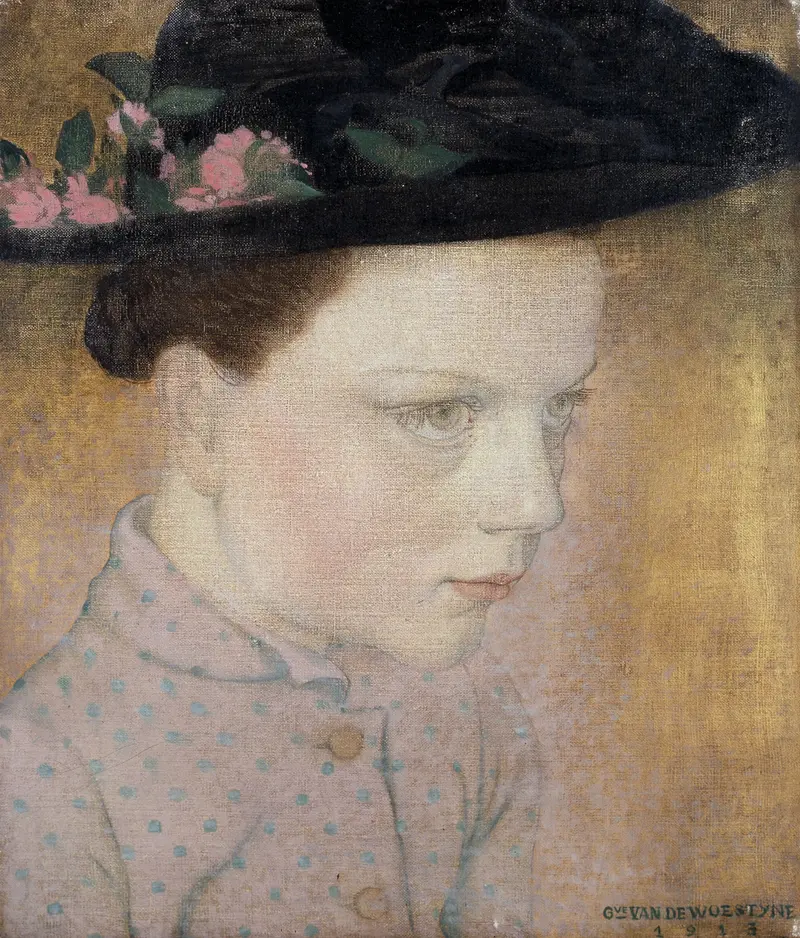
Country Girl
Gustave Van de Woestijne





