Discover insights about this artwork
Peasant Woman — History & Facts
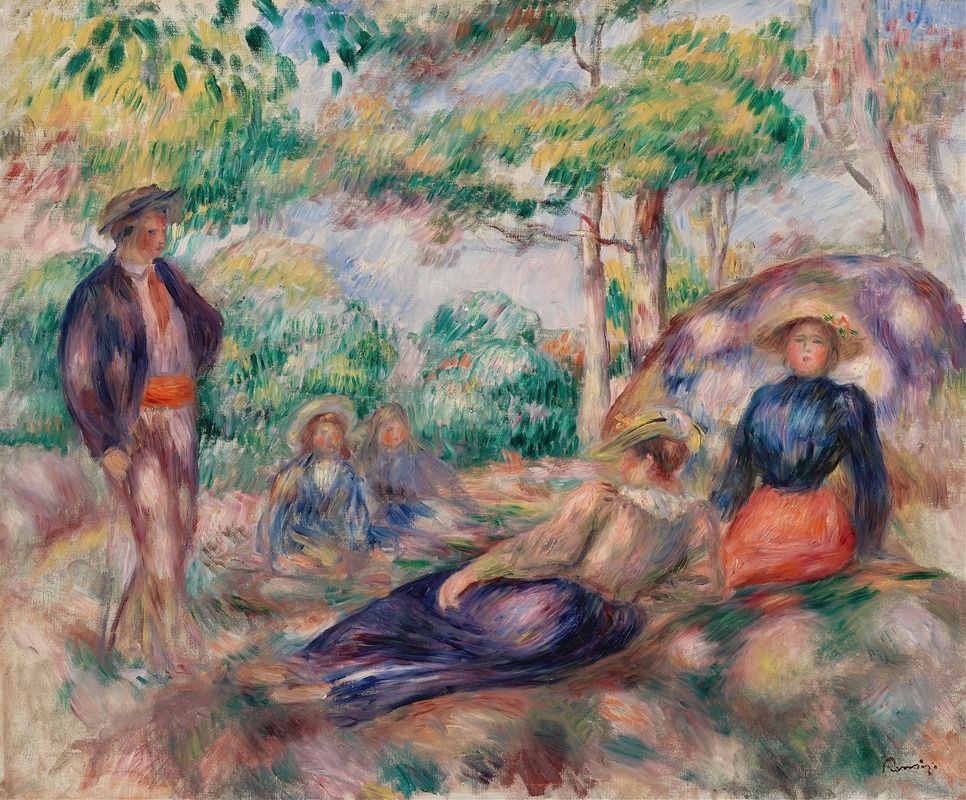
In Peasant Woman, the viewer sees a rural setting dominated by earthy tones. The central figure, a peasant woman, is depicted in traditional attire, engaged in her daily tasks. Surrounding her are elements of the countryside, such as fields and perhaps livestock, which emphasize her connection to the land.
The colors are warm and muted, reflecting the simplicity of rural life. The painting is executed in oil on canvas, a medium that allows for rich texture and depth. The artist employs a realistic style, capturing the details of the woman's clothing and the surrounding environment. The composition is balanced, drawing the eye to the woman while also showcasing the landscape.
Light and shadow play a significant role in creating a sense of volume and realism. Arnold Peter Weisz-Kubínčan was a Slovak painter known for his depictions of rural life and peasant subjects. This work, created in the 1930s, reflects the social conditions of the time, highlighting the dignity of peasant labor. An interesting fact about this painting is that it embodies the Realism movement, which sought to portray everyday life without romanticizing it.
Weisz-Kubínčan's focus on the peasant woman emphasizes the importance of agricultural workers in society.
More Artworks by Arnold Peter Weisz-Kubínčan
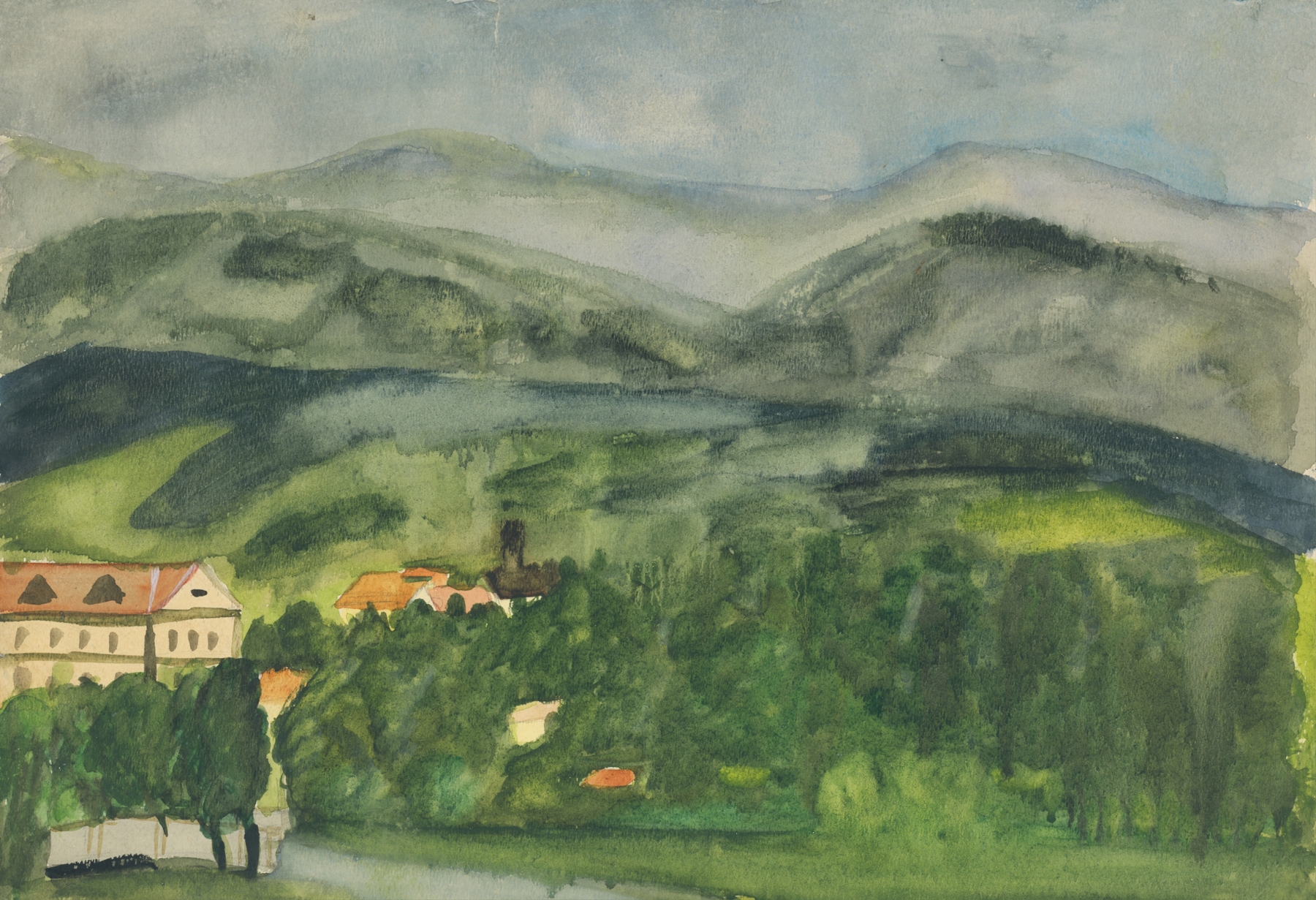
Landscape with houses
Arnold Peter Weisz-Kubínčan
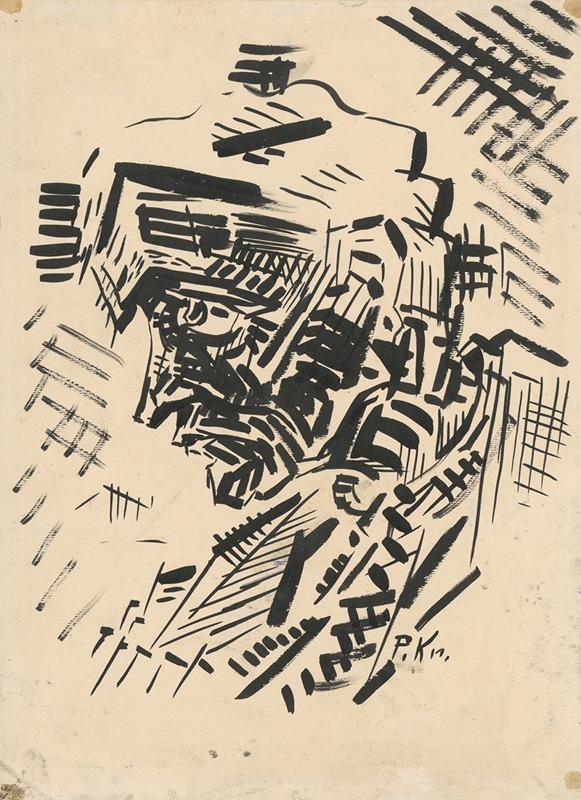
Head of a Man in a Fur-Cap
Arnold Peter Weisz-Kubínčan
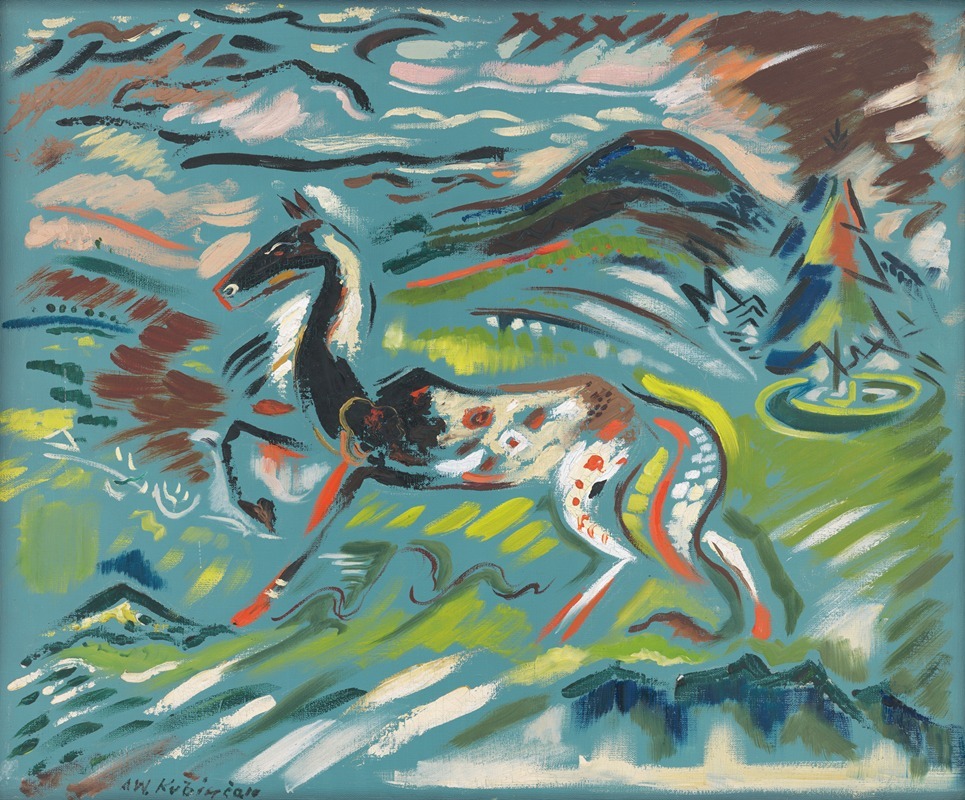
Horse
Arnold Peter Weisz-Kubínčan
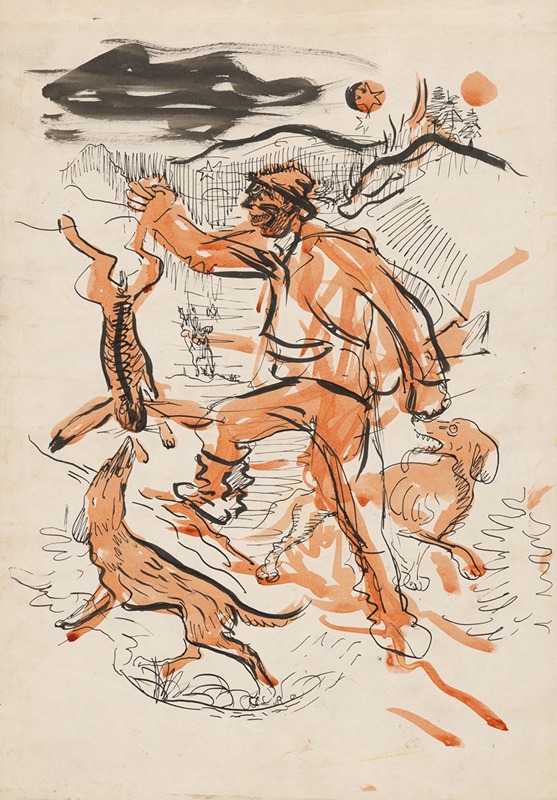
Night Hunt
Arnold Peter Weisz-Kubínčan
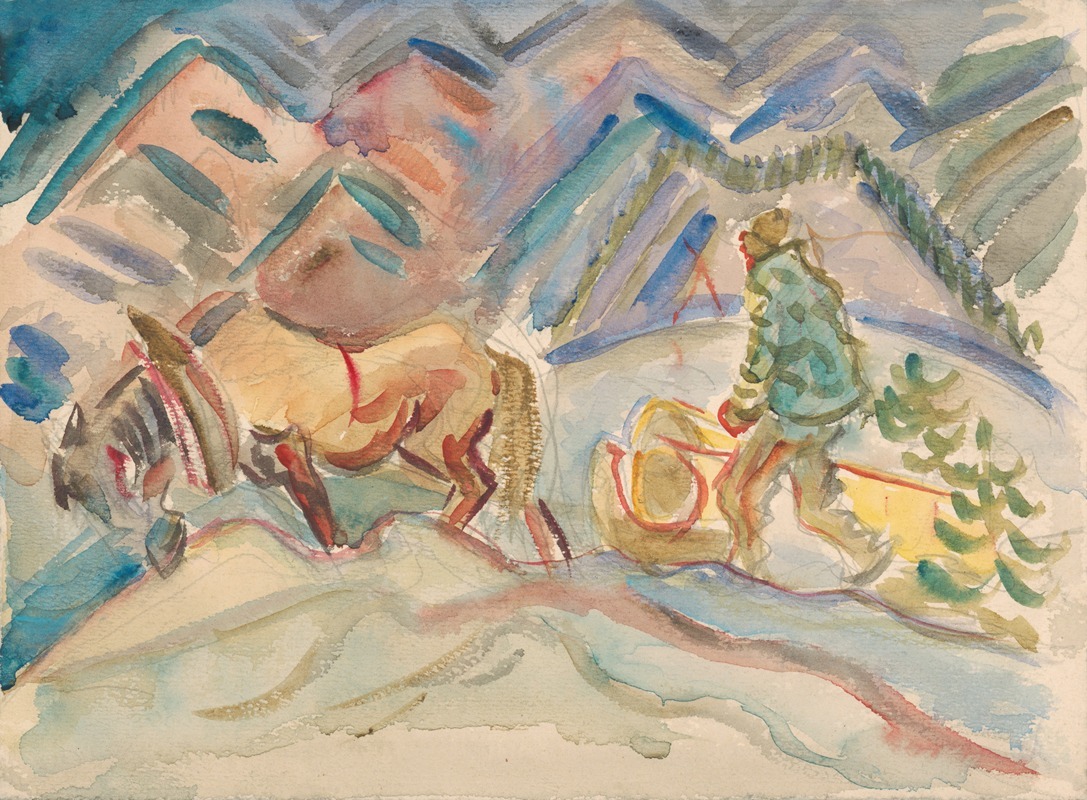
Timber transport
Arnold Peter Weisz-Kubínčan
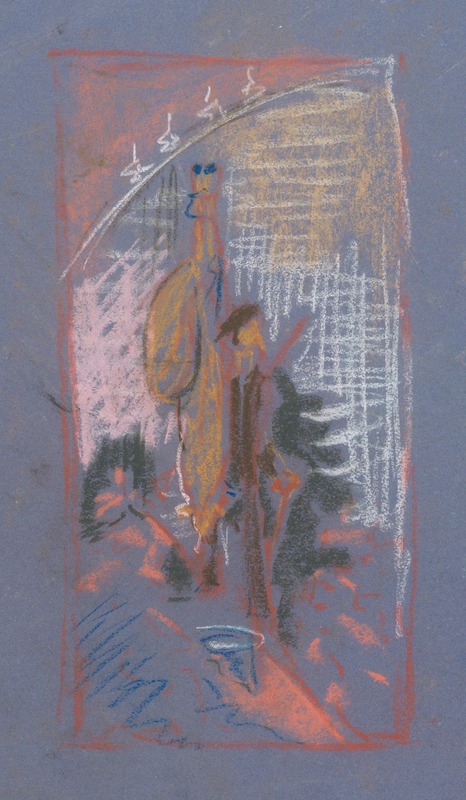
Return from the Hunt
Arnold Peter Weisz-Kubínčan
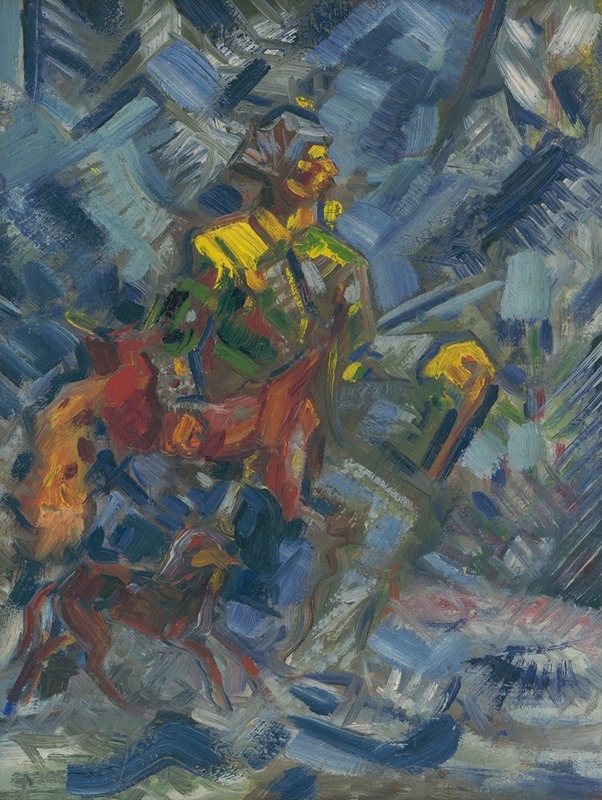
Hunter in a Blue Forest
Arnold Peter Weisz-Kubínčan

Group of Men in the Woods
Arnold Peter Weisz-Kubínčan
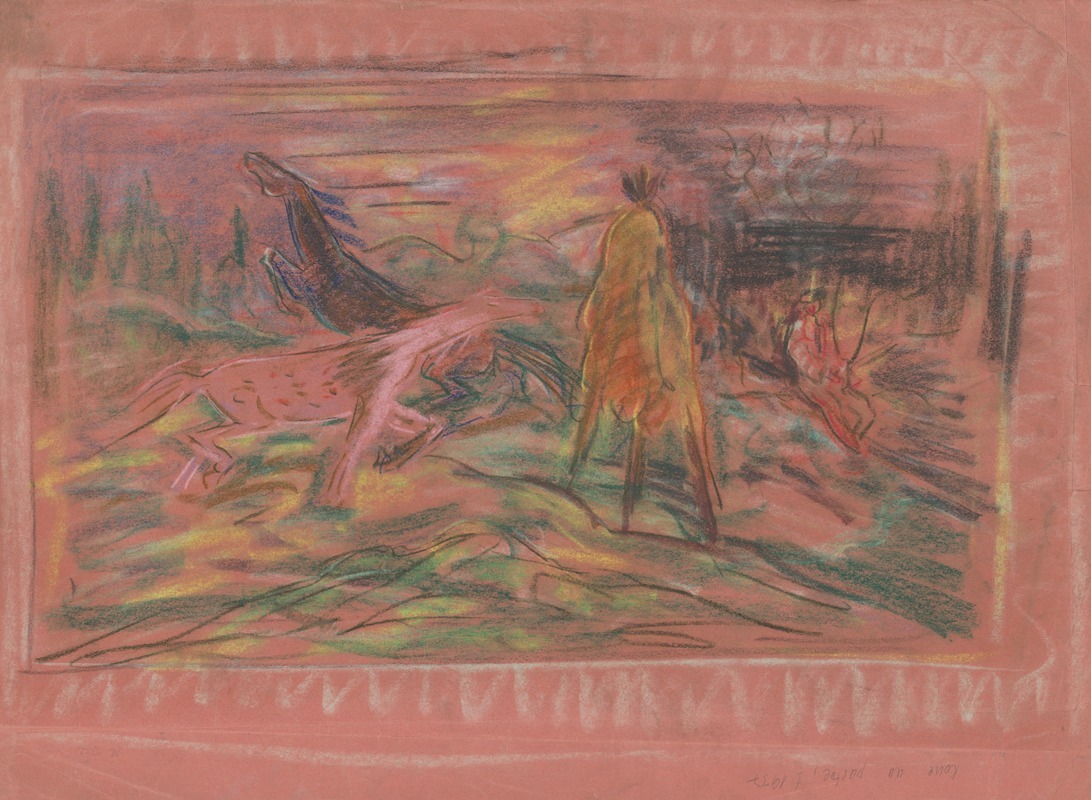
Horses in a Pasture
Arnold Peter Weisz-Kubínčan
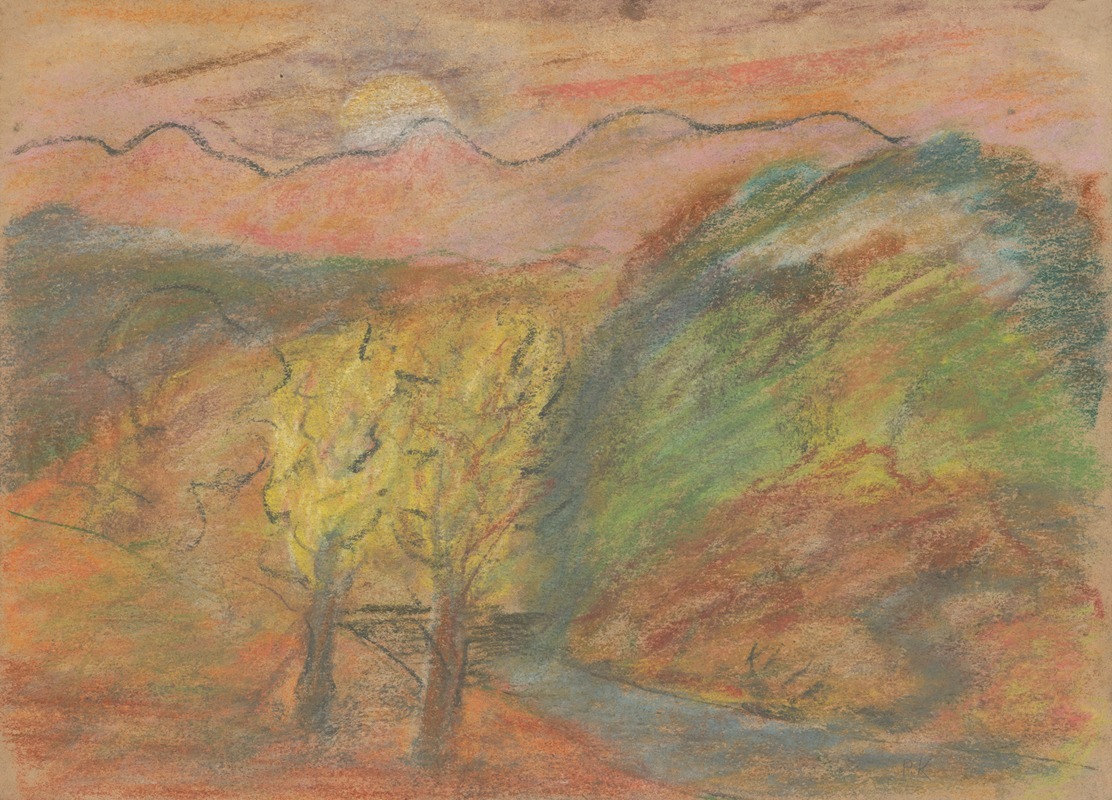
Hilly Landscape
Arnold Peter Weisz-Kubínčan