
Peasants Carrying Fagots — History & Facts
In Peasants Carrying Fagots, Camille Pissarro presents a scene filled with earthy tones and natural light. The figures of the peasants are depicted in motion, carrying large bundles of wood. The background features a soft, impressionistic landscape that suggests a rural setting.
The overall composition conveys a sense of labor and connection to the land. This painting is characterized by Pissarro's loose brushwork and vibrant color palette typical of the Impressionism movement. The use of light and shadow creates depth, while the figures are rendered with a sense of immediacy. Viewers can observe the texture of the brushstrokes, which adds to the dynamic quality of the scene.
The painting invites viewers to appreciate the everyday life of rural workers. Camille Pissarro was a key figure in the Impressionist movement and often focused on rural life and the working class. Peasants Carrying Fagots reflects his commitment to portraying the dignity of labor. An interesting fact about this work is that Pissarro often painted scenes of peasant life to highlight their importance in society.
This painting exemplifies his belief in the beauty of everyday moments.
More Artworks by Camille Pissarro
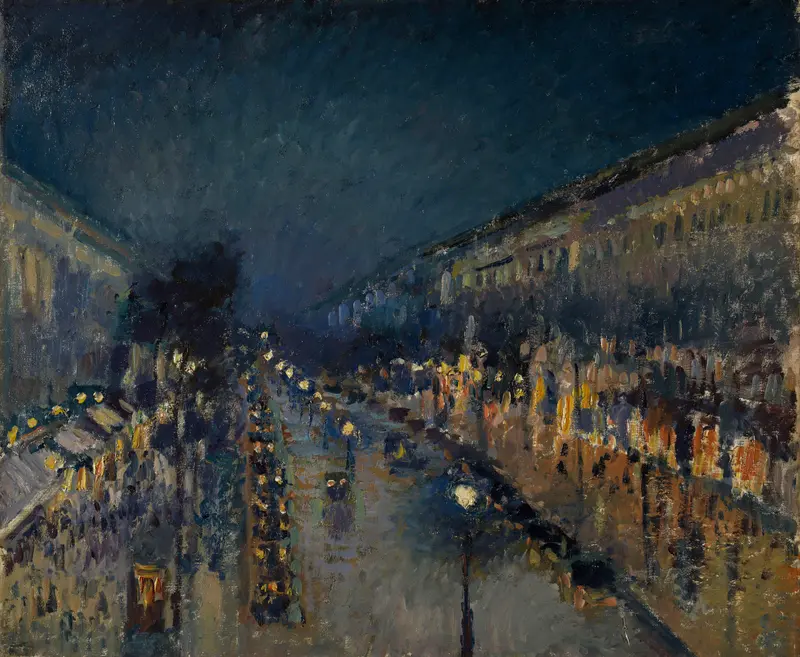
The Boulevard Montmartre at Night
Camille Pissarro

Boulevard des Italiens,Morning_Sunlight
Camille Pissarro

Boulevard Montmartre, Spring
Camille Pissarro
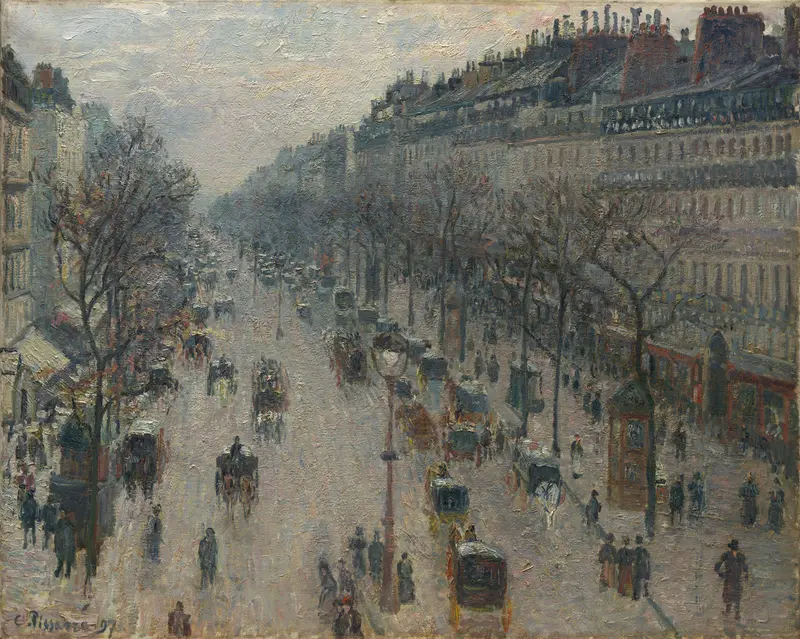
The Boulevard Montmartre on a Winter Morning
Camille Pissarro
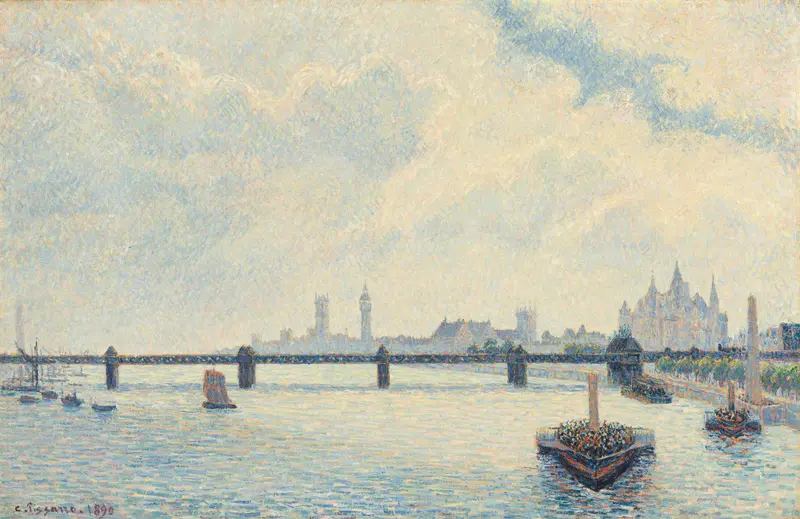
Charing Cross Bridge,London
Camille Pissarro
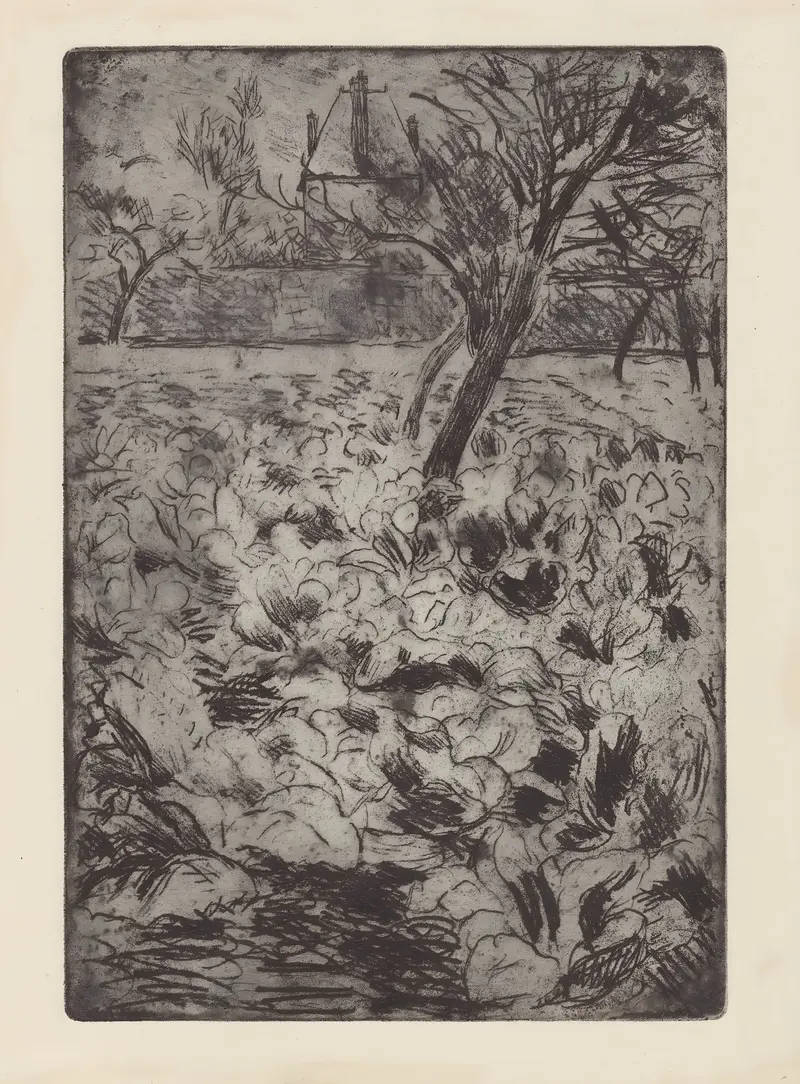
Le champ de choux
Camille Pissarro
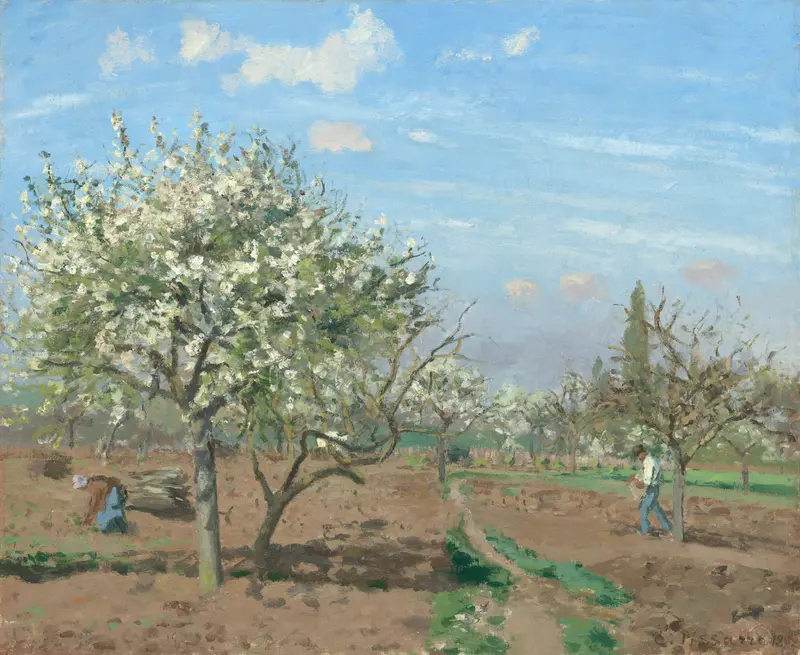
Orchard in Bloom,Louveciennes
Camille Pissarro
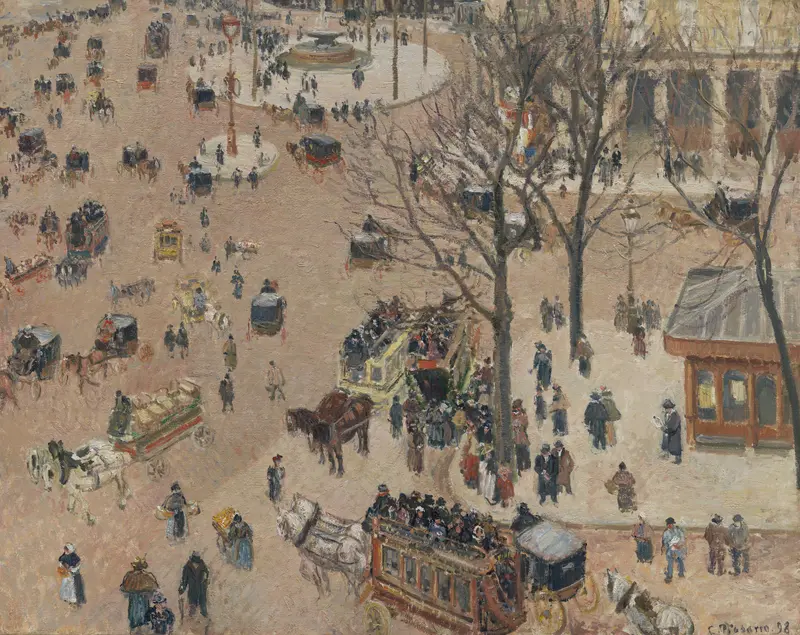
La Place du Théâtre Français
Camille Pissarro

The Pond at Montfoucault, Effect of Winter
Camille Pissarro
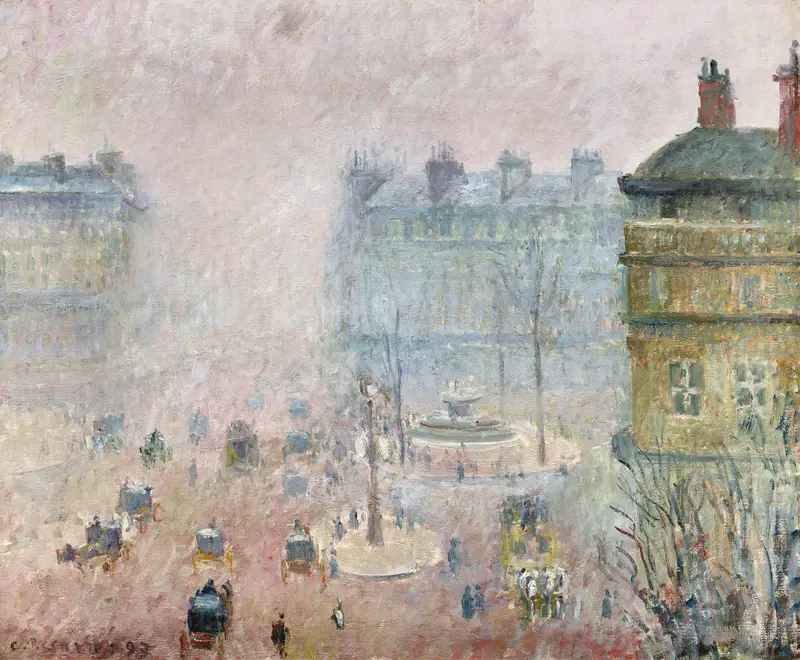
Place du Theatre Francais,Fog Effect
Camille Pissarro
More Genre Scene Art

Banquet of the Officers of the St George Civic Guard
Frans Hals

Rembrandt and Saskia in the Scene of the Prodigal Son
Rembrandt van Rijn

Bal du moulin de la Galette
Pierre-Auguste Renoir

Quadrille at the Moulin Rouge
Henri de Toulouse-Lautrec

A Burial at Ornans
Gustave Courbet

When Will You Marry?
Paul Gauguin