
Peasants in an interior (The slaughter feast) — History & Facts
A heavy stillness settles over the crowded room, broken only by the silent drama of faces and gestures. The eye is drawn first to the figure slumped in red, asleep or overcome, his head pillowed on a barrel at the heart of the gathering. Around him, the feast’s aftermath is everywhere: platters of meat, half-filled mugs, a pewter jug catching the light, and a white cat curled contentedly on the floor, licking up the spoils.
Each character is caught in a private moment—one woman drinks deeply, another man gestures with a knife, while others look on with glazed or watchful eyes. The palette is earthy and close, the light warm but dim, drawing the viewer into the intimacy and fatigue of a celebration winding down. This is the world of Adriaen Brouwer, painted between circa 1627 and circa 1633, when scenes of peasant revelry were both a source of humor and a mirror for society’s vices. In the Low Countries, such images were prized for their lively realism and moral undertones, often hung in the homes of prosperous burghers who relished their wit and warning in equal measure.
Peasants in an interior (The slaughter feast) belongs to this tradition, its anonymous faces and humble setting a testament to a time when artists found grandeur in the everyday. Though history has kept few traces of this specific painting’s journey, its presence in the Google Arts & Culture collection invites us to linger, searching out the stories hidden in every glance and gesture.
Sources: Wikidata Q52420562 · Image source (Wikimedia Commons)
More Artworks by Adriaen Brouwer

The Smokers
Adriaen Brouwer
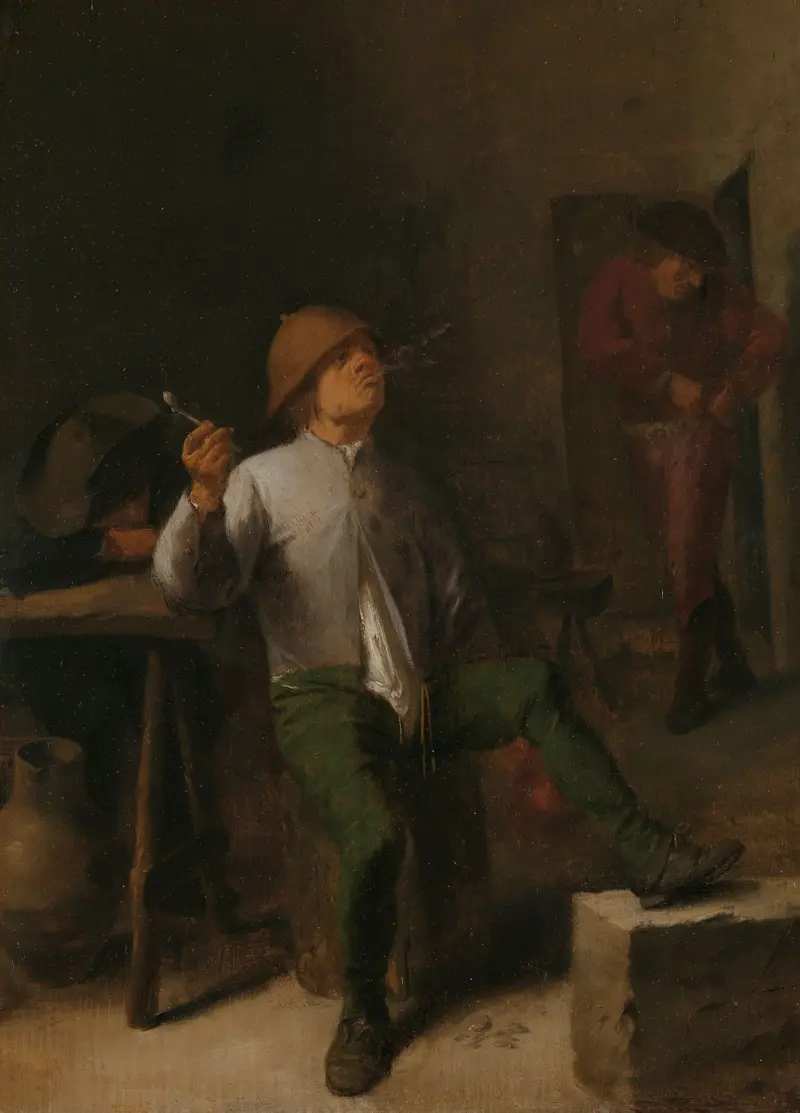
The Smoker
Adriaen Brouwer
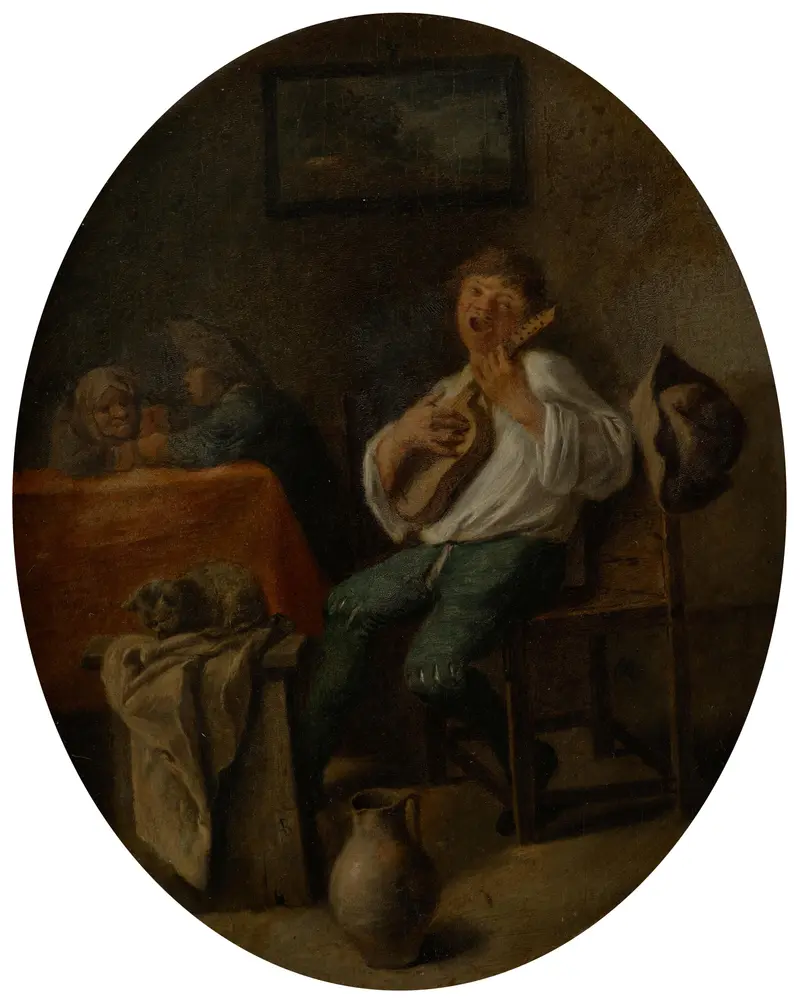
The Guitar Player
Adriaen Brouwer
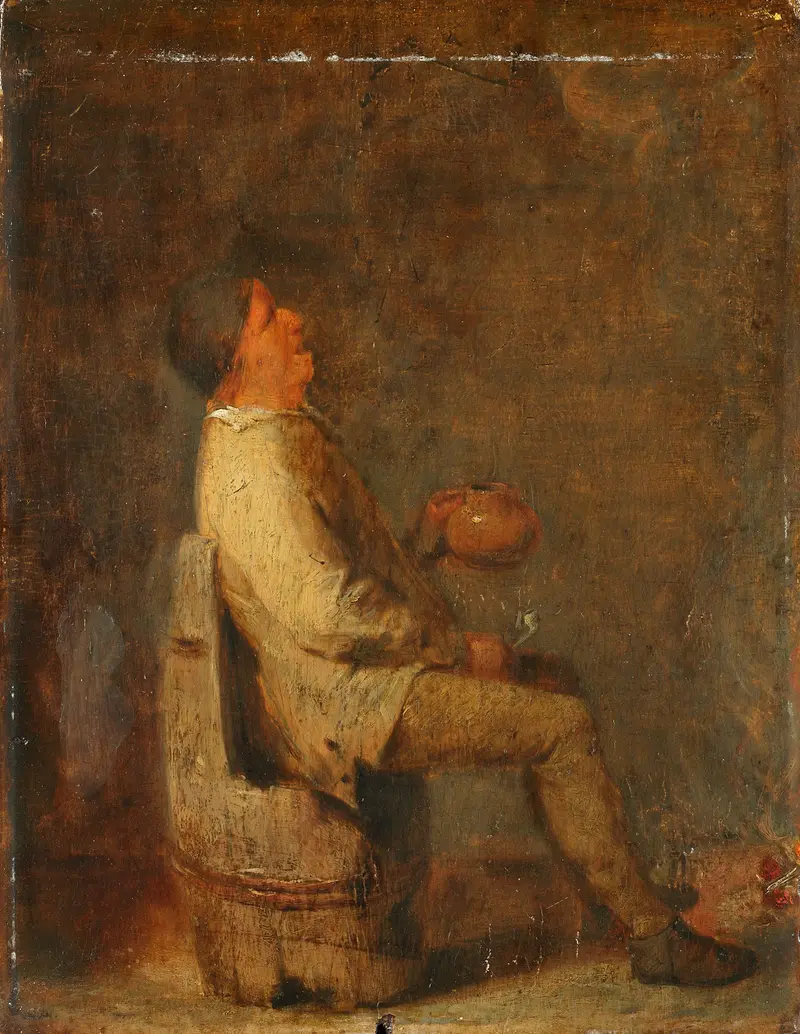
A Peasant Singing
Adriaen Brouwer
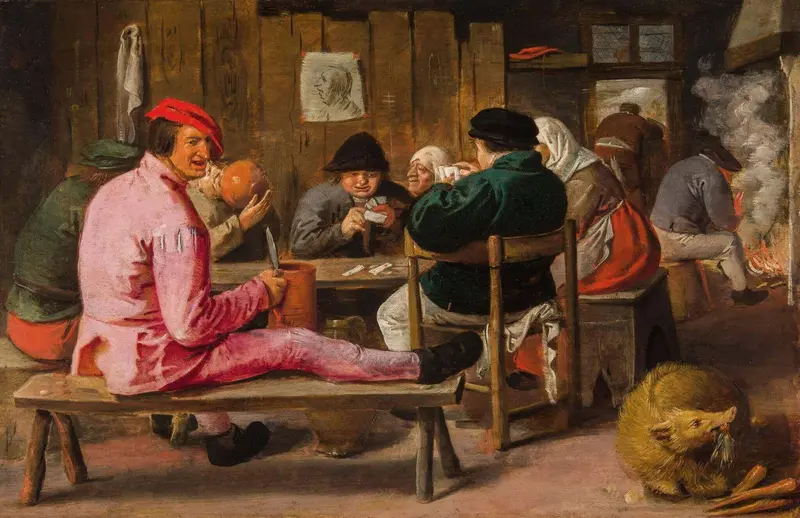
Merry Peasants in an Inn
Adriaen Brouwer
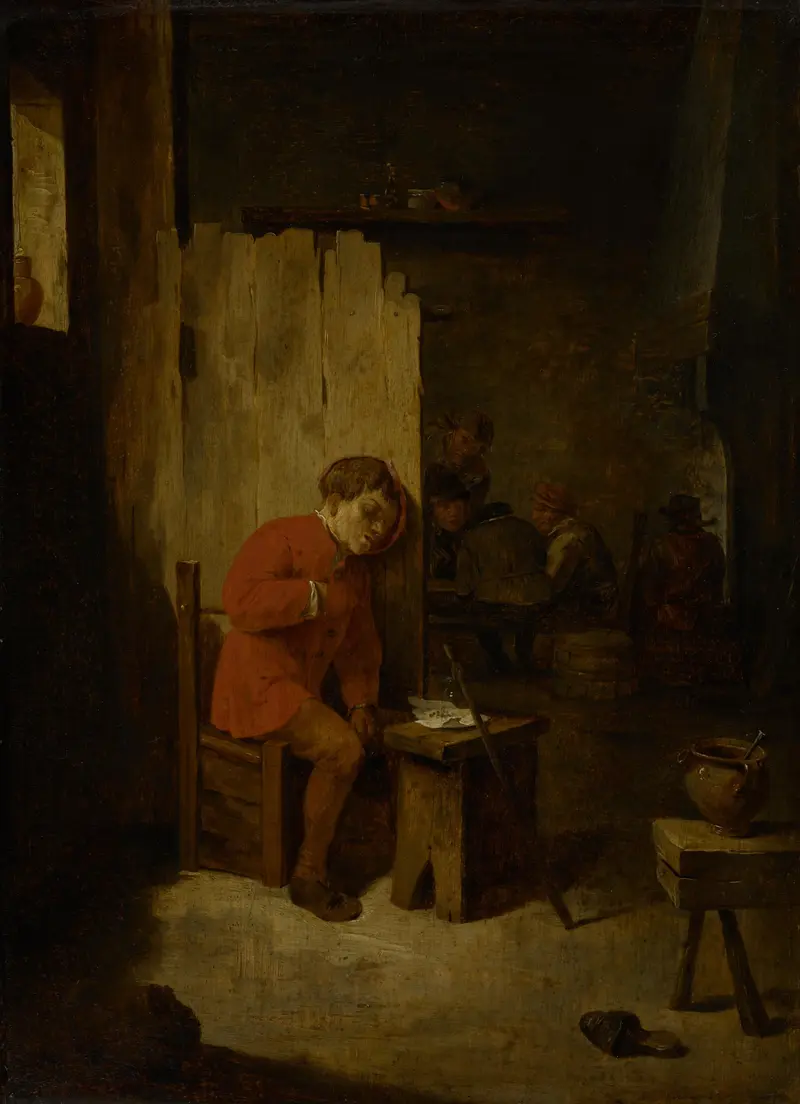
Nachahmer, Schlafender Bauer 853G Gemäldegalerie
Adriaen Brouwer
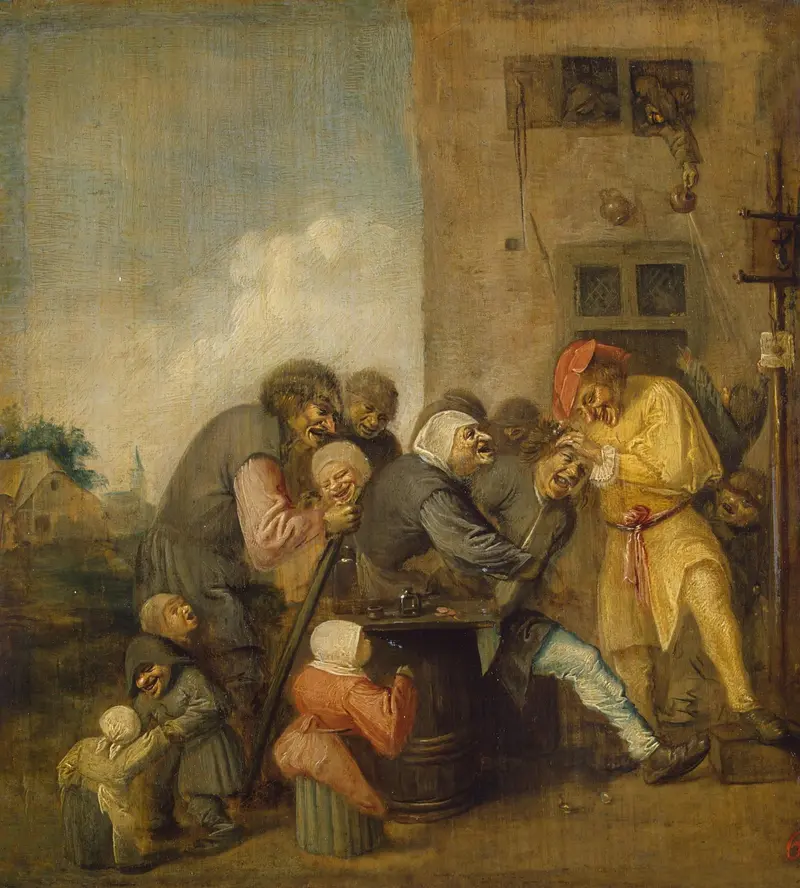
Village Charlatan (The Operation for Stone in the Head)
Adriaen Brouwer
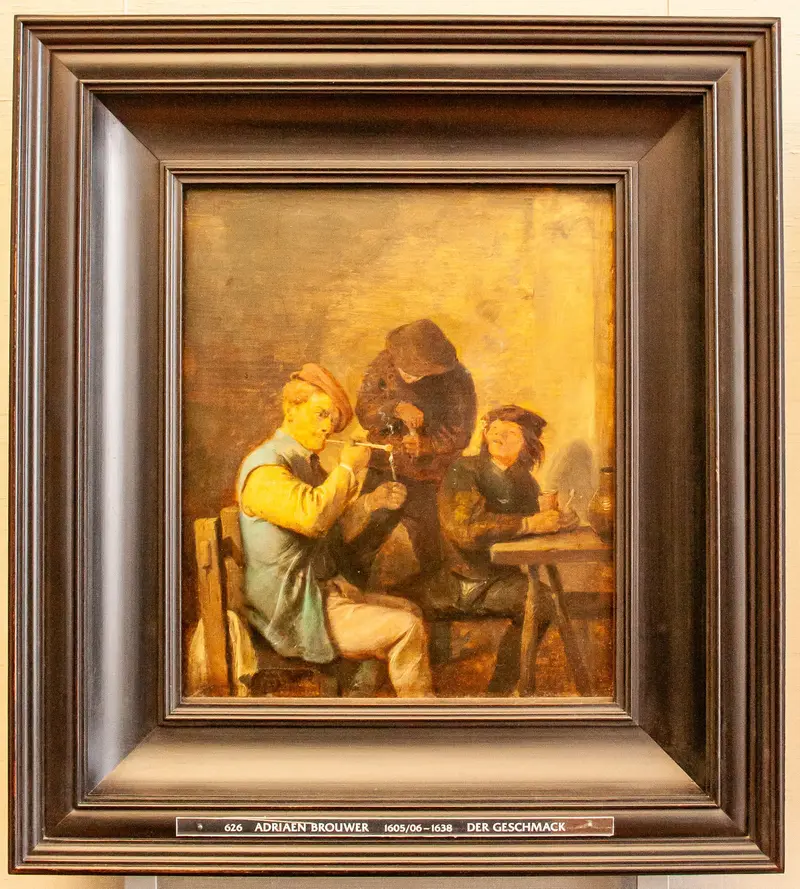
The Taste
Adriaen Brouwer
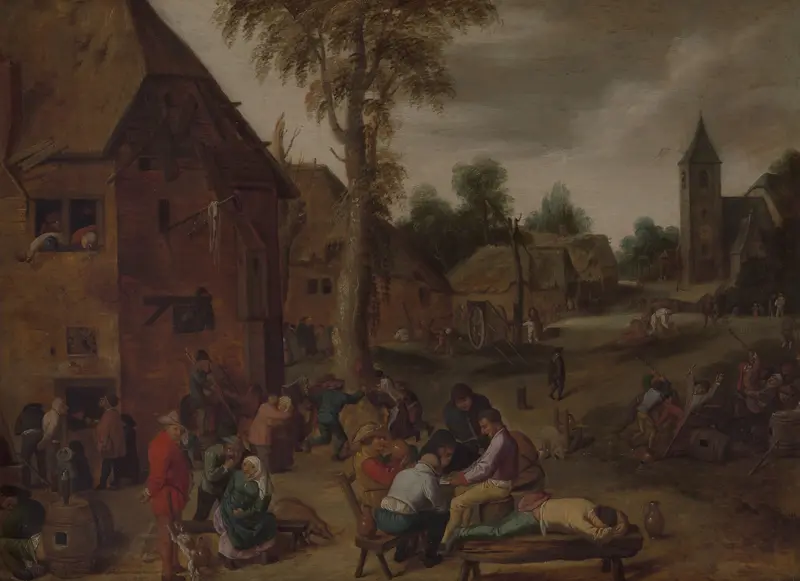
A Fair
Adriaen Brouwer
A Porter
Adriaen Brouwer
More Genre Scene Art

Banquet of the Officers of the St George Civic Guard
Frans Hals

Rembrandt and Saskia in the Scene of the Prodigal Son
Rembrandt van Rijn

Bal du moulin de la Galette
Pierre-Auguste Renoir

Quadrille at the Moulin Rouge
Henri de Toulouse-Lautrec

A Burial at Ornans
Gustave Courbet

When Will You Marry?
Paul Gauguin