
The Guitar Player — History & Facts
A burst of rough song fills this humble room, and the painter invites us to listen with our eyes. The young man leans back, mouth open in mid-verse, his fingers strumming a lute with unstudied enthusiasm. The light falls most brightly on his rumpled white shirt and animated face, drawing us into his performance, while the rest of the scene recedes into a gentle shadow.
To the left, two figures huddle over their drinks, lost in their own conversation, while a cat curls atop a makeshift bench, oblivious to the music. Even the jug on the floor and the hat slung over the chair seem to join in the casual disorder, all details working together to conjure the warmth and noise of a tavern evening. Painted in 1640, The Guitar Player by Adriaen Brouwer belongs to a world where scenes of everyday life—especially those of taverns, laughter, and music—were in high demand. In the seventeenth-century Dutch and Flemish tradition, such paintings offered both amusement and sly commentary, delighting a rising middle class eager to see itself reflected, warts and all.
Brouwer was known for his lively, sometimes rowdy genre scenes, and this work, now in the Staatliche Museen zu Berlin, fits squarely within that legacy. History has kept few traces of this particular painting’s early journey, but its energy and humor remain as immediate as the day it was painted—inviting us to lean in and catch the last note.
Sources: Wikidata Q98650190 · Image source (Wikimedia Commons)
More Artworks by Adriaen Brouwer

The Smokers
Adriaen Brouwer
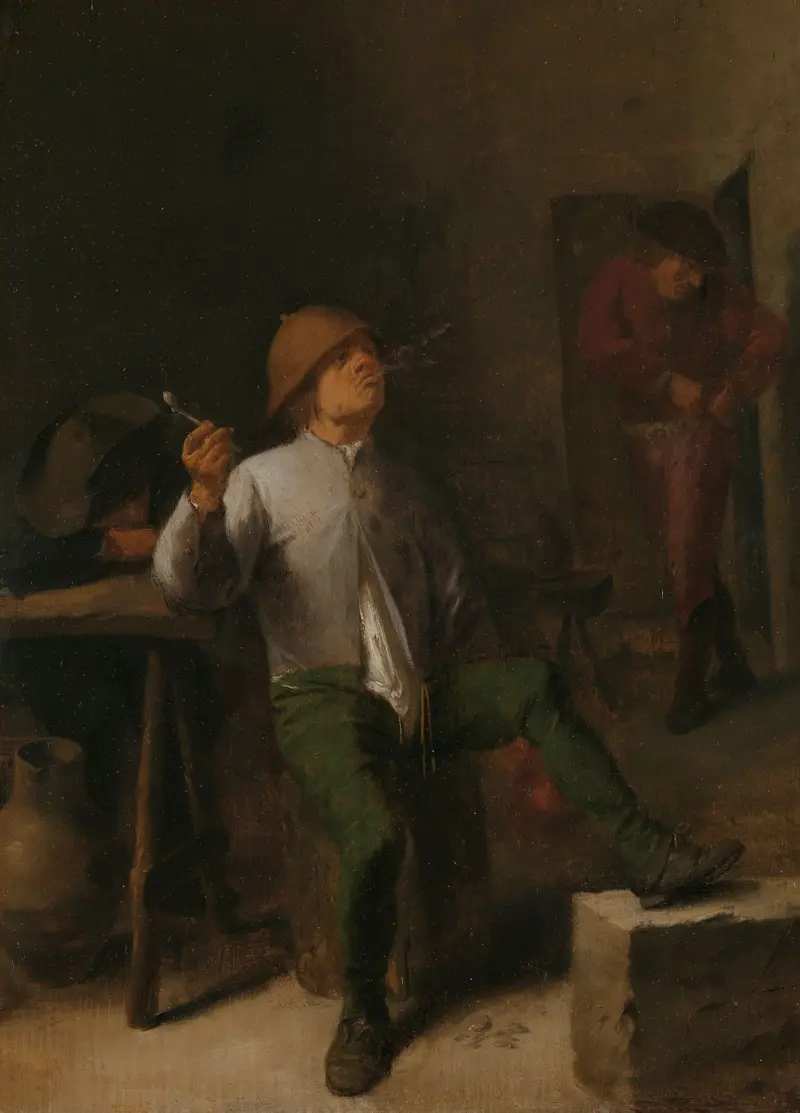
The Smoker
Adriaen Brouwer
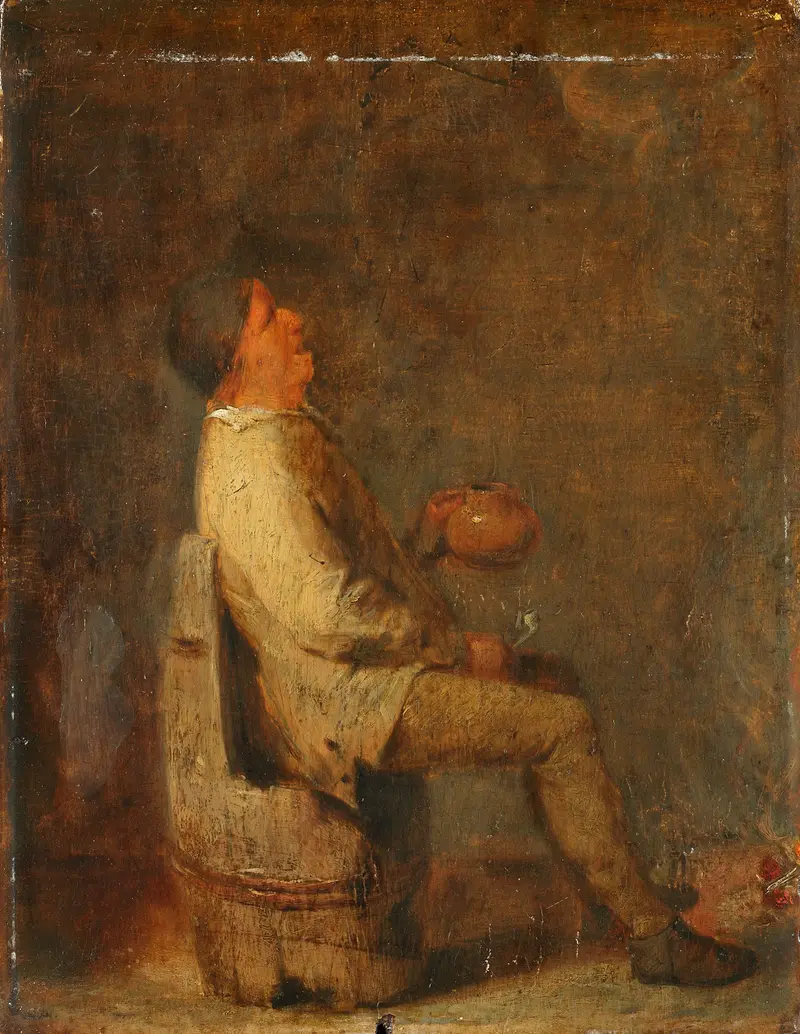
A Peasant Singing
Adriaen Brouwer
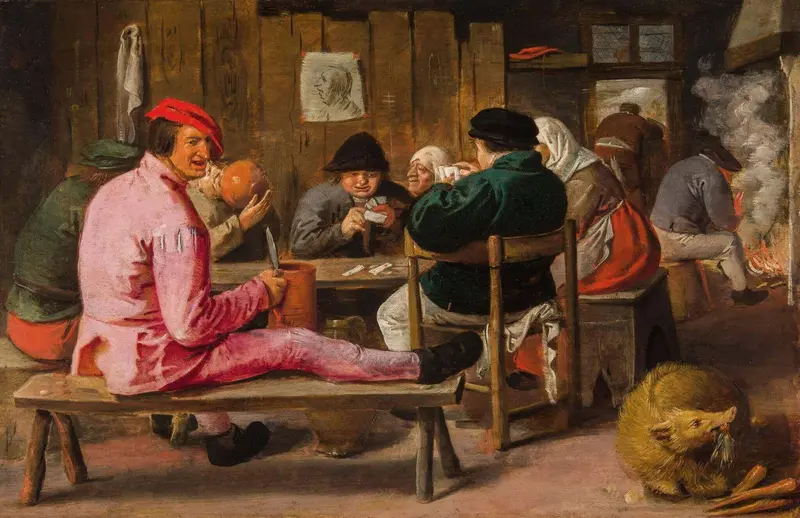
Merry Peasants in an Inn
Adriaen Brouwer
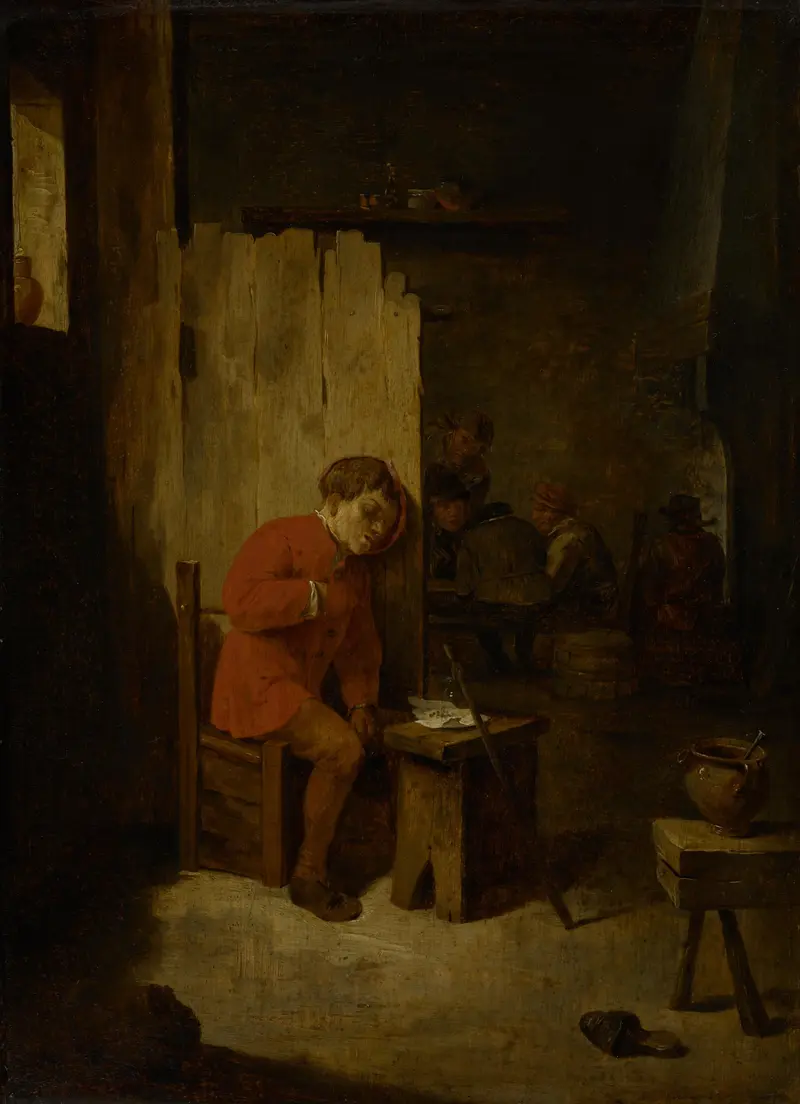
Nachahmer, Schlafender Bauer 853G Gemäldegalerie
Adriaen Brouwer
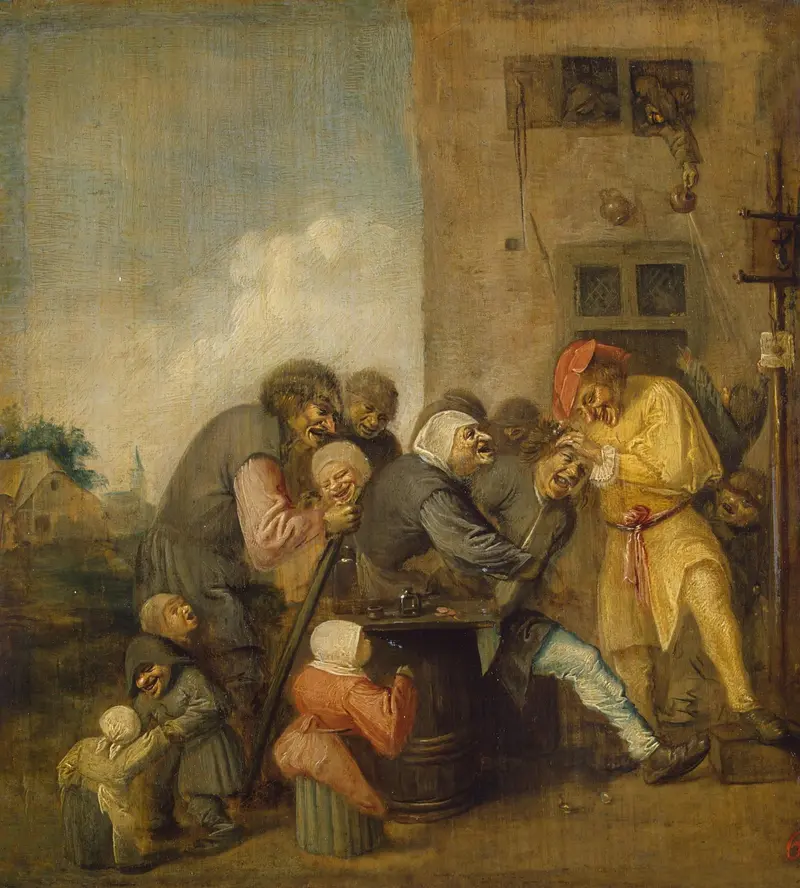
Village Charlatan (The Operation for Stone in the Head)
Adriaen Brouwer
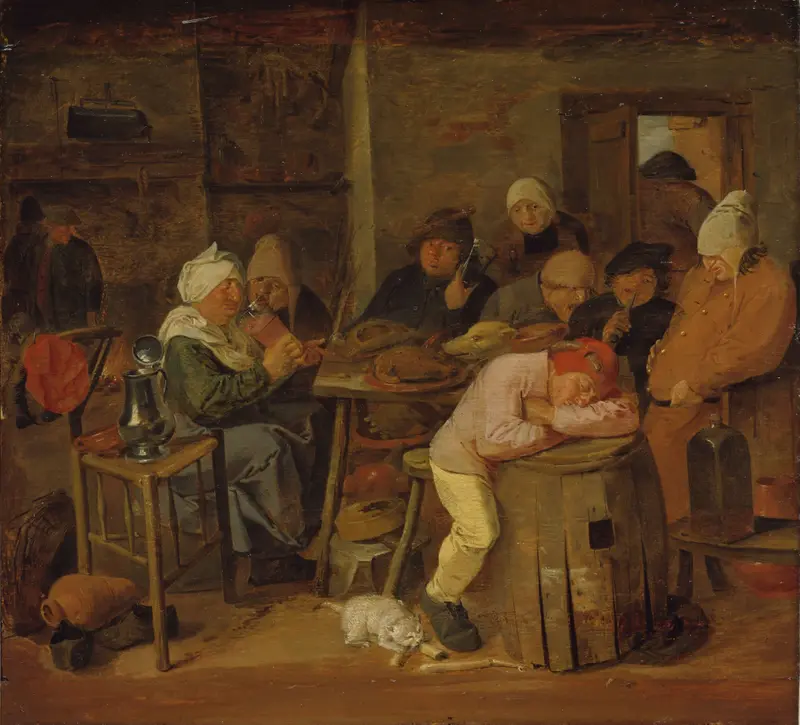
Peasants in an interior (The slaughter feast)
Adriaen Brouwer
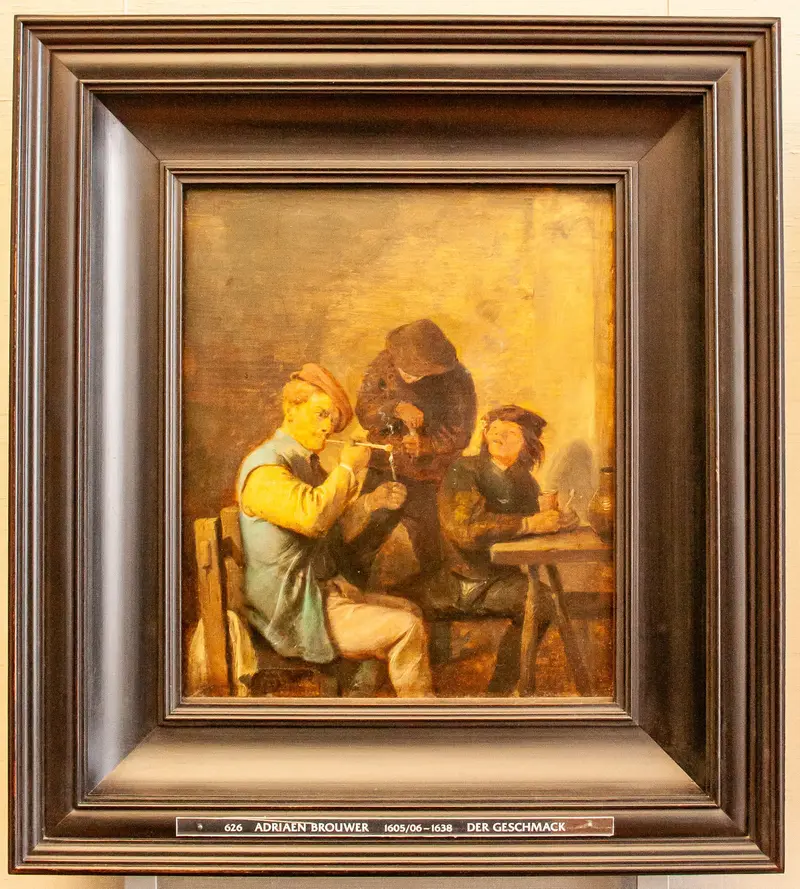
The Taste
Adriaen Brouwer
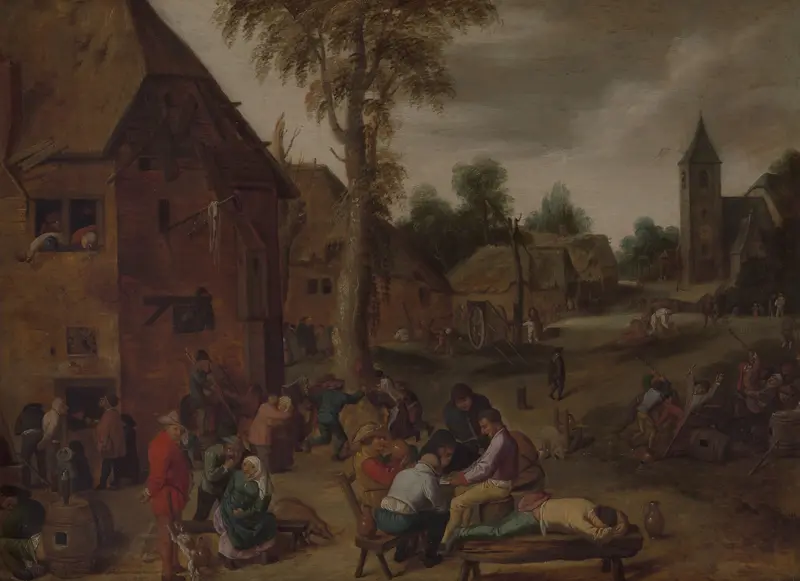
A Fair
Adriaen Brouwer
A Porter
Adriaen Brouwer
More Genre Scene Art

Banquet of the Officers of the St George Civic Guard
Frans Hals

Rembrandt and Saskia in the Scene of the Prodigal Son
Rembrandt van Rijn

Bal du moulin de la Galette
Pierre-Auguste Renoir

Quadrille at the Moulin Rouge
Henri de Toulouse-Lautrec

A Burial at Ornans
Gustave Courbet

When Will You Marry?
Paul Gauguin