
The Taste — History & Facts
A shaft of golden light cuts through the haze, catching the ruddy cheek of a young man as he tips a long clay pipe to his lips. The room is thick with the warmth of company and the sharp tang of tobacco, rendered almost tangible by the buttery palette that Adriaen Brouwer favored for scenes of everyday life. The central figure’s gaze is fixed, intent on the ritual of smoking, while behind him a companion leans in, his face half-obscured by a battered hat, lost in some private amusement.
To the right, another drinker raises his glass, his posture relaxed, his eyes meeting ours with a knowing look. Every gesture here is purposeful: the pipe, the mug, the slouch, all tokens of leisure and camaraderie, inviting us to linger in this moment of shared indulgence. Works like The Taste belong to a world where the pleasures and vices of ordinary people became worthy subjects for art. In the early seventeenth century, artists in the Low Countries turned their attention from grand historical or religious scenes to the taverns and cottages of their own cities and villages.
Painters such as Brouwer found patrons among the rising merchant class, who saw themselves reflected in these lively, unvarnished glimpses of daily life. This particular painting, documented as being photographed on 7 November 2009 and listed as an “own work,” stands as a testament to that democratic spirit—its rough edges and glowing colors still draw the modern eye, asking us to savor not just the taste of drink or smoke, but the taste of the moment itself.
Sources: Wikidata Q133761259 · Image source (Wikimedia Commons)
More Artworks by Adriaen Brouwer

The Smokers
Adriaen Brouwer
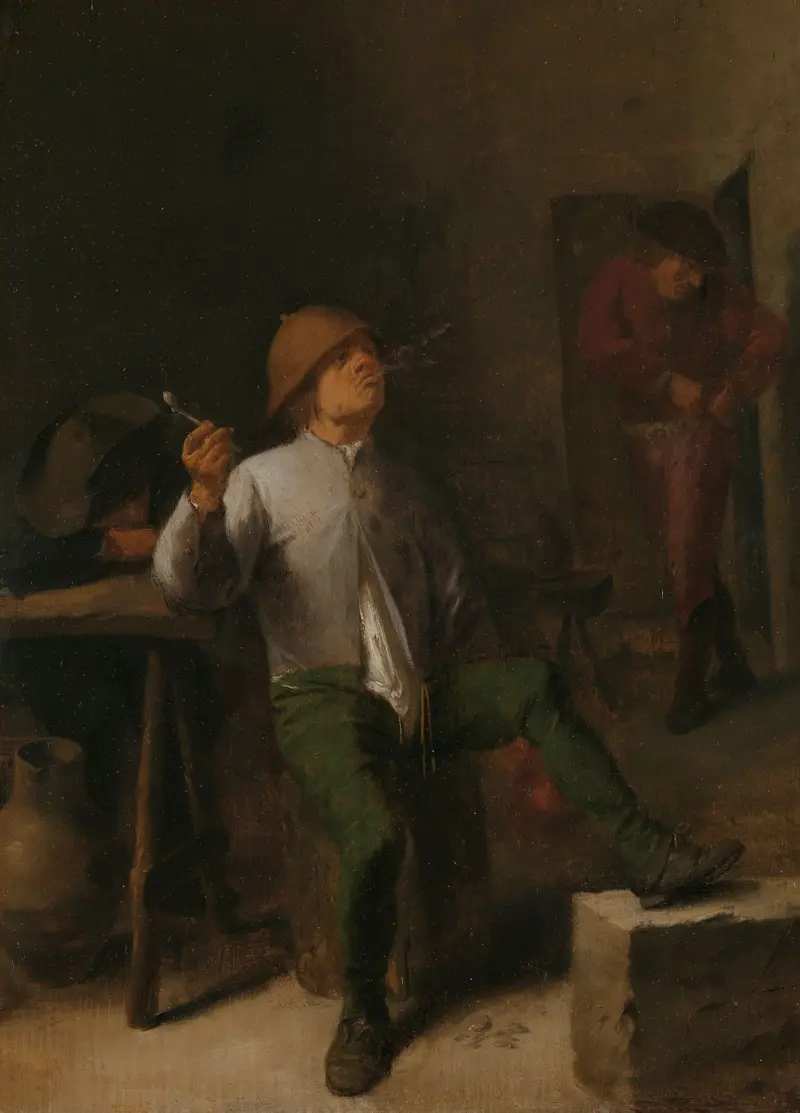
The Smoker
Adriaen Brouwer
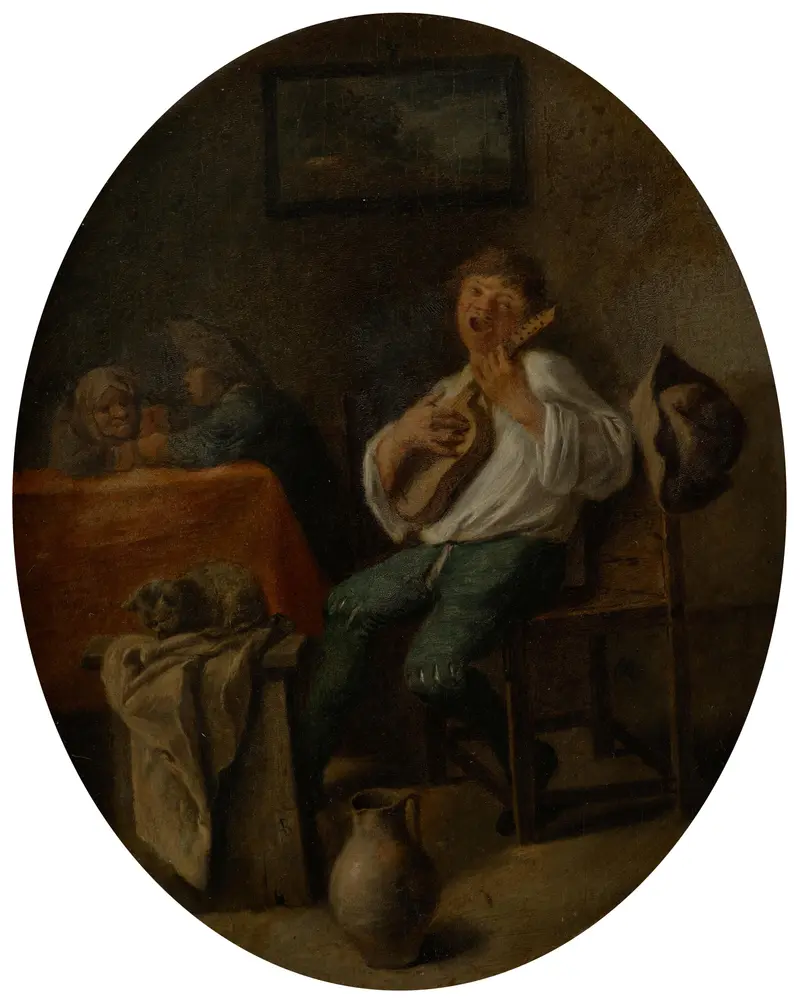
The Guitar Player
Adriaen Brouwer
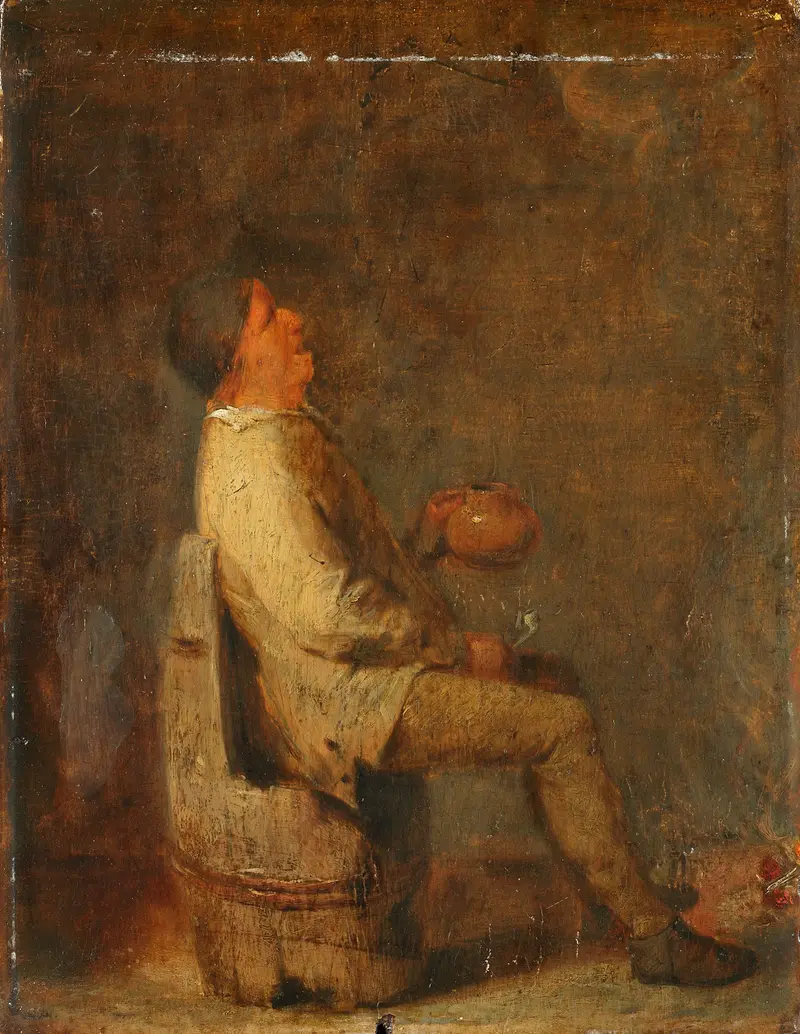
A Peasant Singing
Adriaen Brouwer
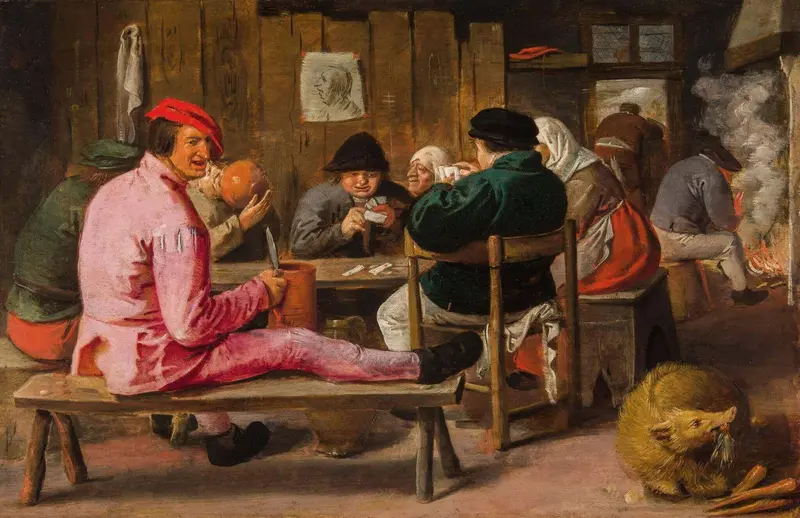
Merry Peasants in an Inn
Adriaen Brouwer
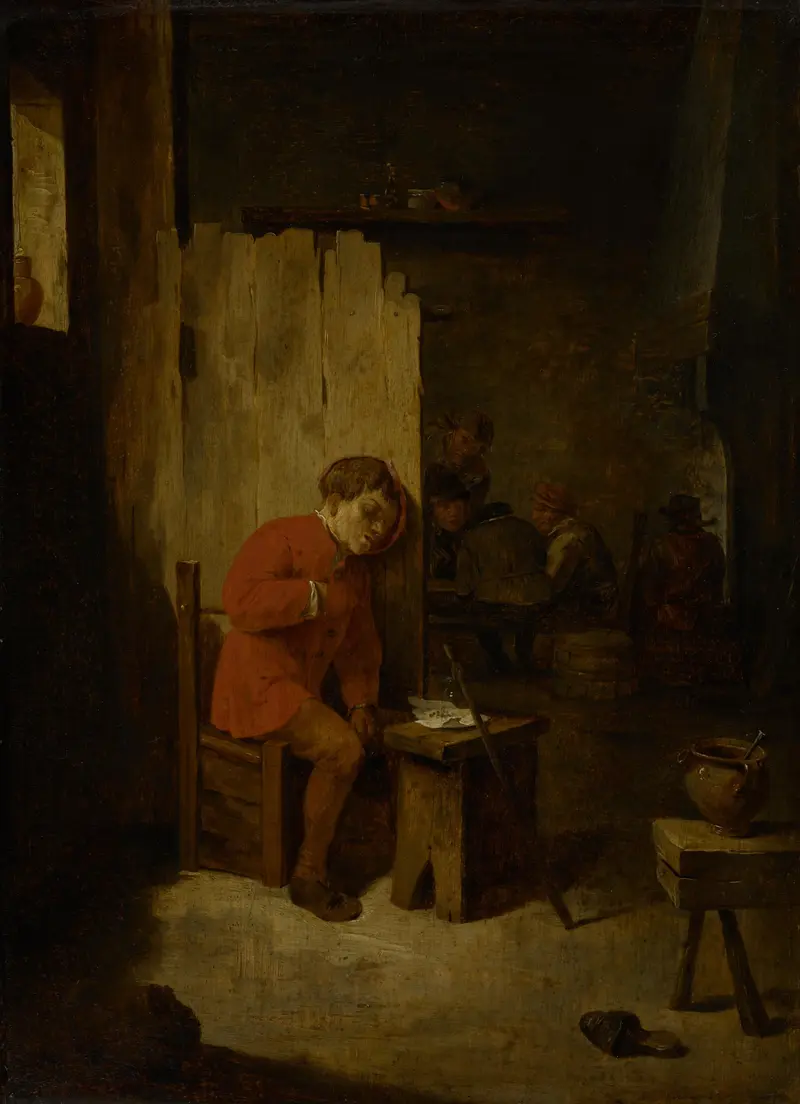
Nachahmer, Schlafender Bauer 853G Gemäldegalerie
Adriaen Brouwer
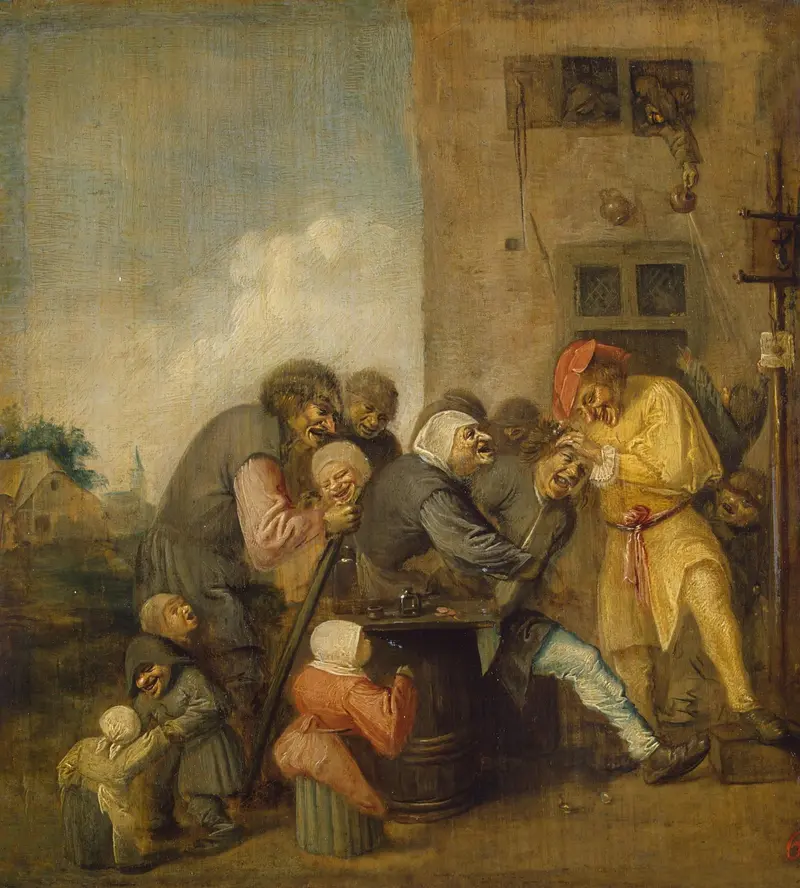
Village Charlatan (The Operation for Stone in the Head)
Adriaen Brouwer
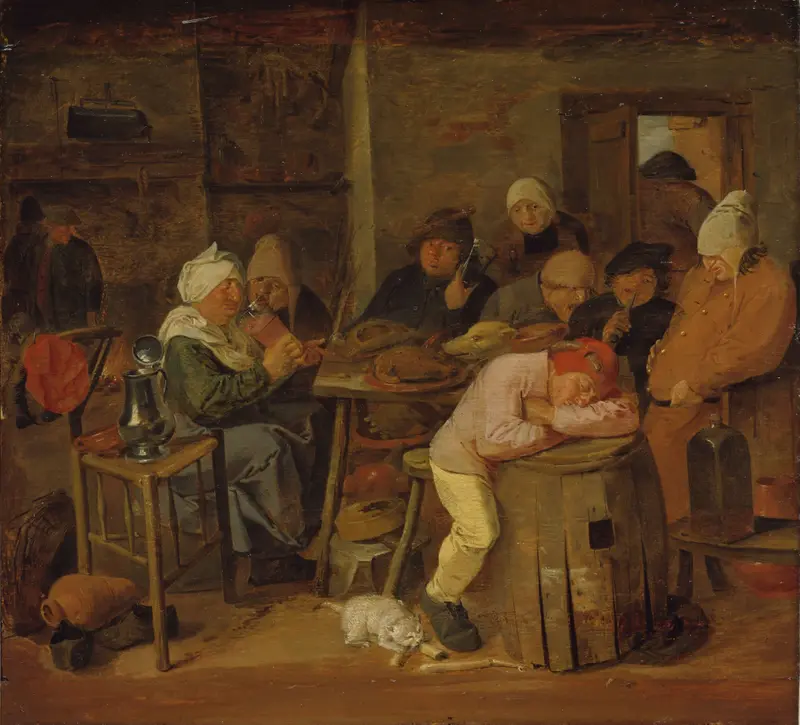
Peasants in an interior (The slaughter feast)
Adriaen Brouwer
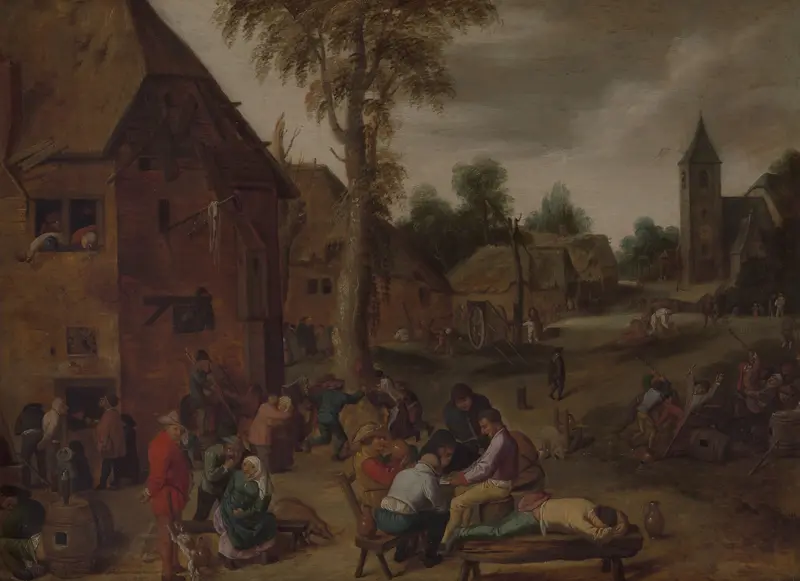
A Fair
Adriaen Brouwer
A Porter
Adriaen Brouwer
More Genre Scene Art

Banquet of the Officers of the St George Civic Guard
Frans Hals

Rembrandt and Saskia in the Scene of the Prodigal Son
Rembrandt van Rijn

Bal du moulin de la Galette
Pierre-Auguste Renoir

Quadrille at the Moulin Rouge
Henri de Toulouse-Lautrec

A Burial at Ornans
Gustave Courbet

When Will You Marry?
Paul Gauguin