
Village Charlatan (The Operation for Stone in the Head) — History & Facts
A crowd gathers in raucous anticipation, their faces twisted in laughter and disbelief, as a flamboyantly dressed figure in yellow and red performs a supposed miracle cure on a hapless villager. The scene brims with comic energy: the “charlatan” leans in, his hand gripping the patient’s head, while the victim’s mouth gapes in pain or protest. Around them, onlookers jostle for a better view, their exaggerated features and gestures heightening the farce.
The light falls directly on the central action, drawing the eye to the absurd drama, while the muted earth tones of the crowd and the building set off the garish costume of the operator. Even the smallest details—a woman bent over a barrel, a child tugging at a cloak, a figure pouring water from above—contribute to the sense of bustling, chaotic spectacle. Works like this, painted in the 1620s, belong to a lively tradition of genre painting in the Low Countries, where scenes of everyday folly and vice were prized for their wit and moral bite. Artists such as Adriaen Brouwer specialized in capturing the rough humor and earthy realism of peasant life, often for a middle-class audience eager to laugh at the foibles of others.
The theme of the quack doctor or charlatan “removing the stone of madness” was a popular one, poking fun at both gullible patients and fraudulent healers—a visual proverb as much as a narrative. Today, this painting is housed in the Hermitage in St. Petersburg, a reminder of how far these comic scenes have traveled from the taverns and marketplaces that first inspired them.
Look again at the faces in the crowd: each one is a small drama, a flash of personality caught in paint.
More Artworks by Adriaen Brouwer

The Smokers
Adriaen Brouwer
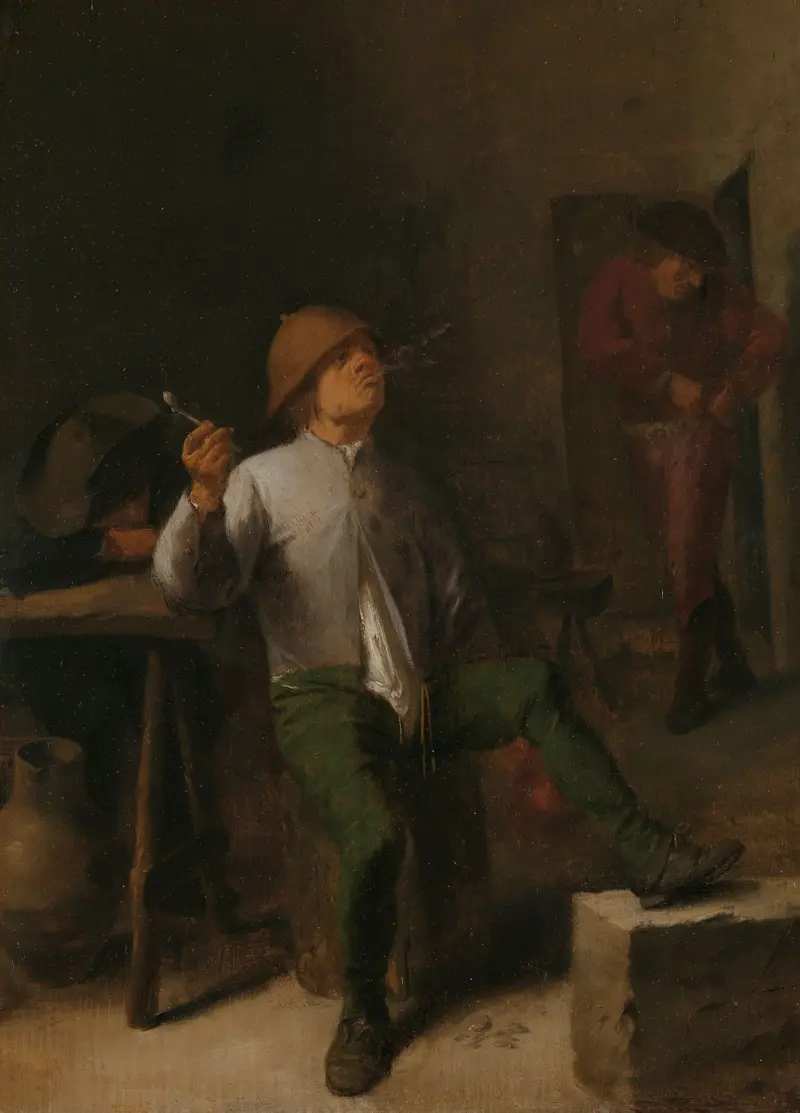
The Smoker
Adriaen Brouwer
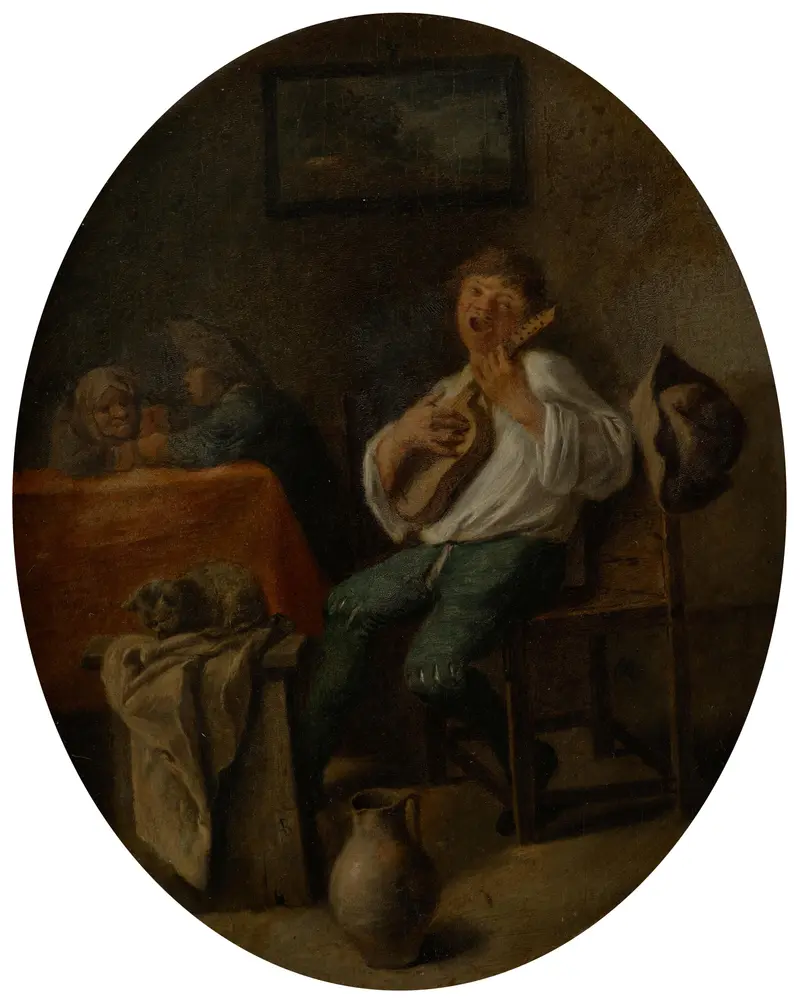
The Guitar Player
Adriaen Brouwer
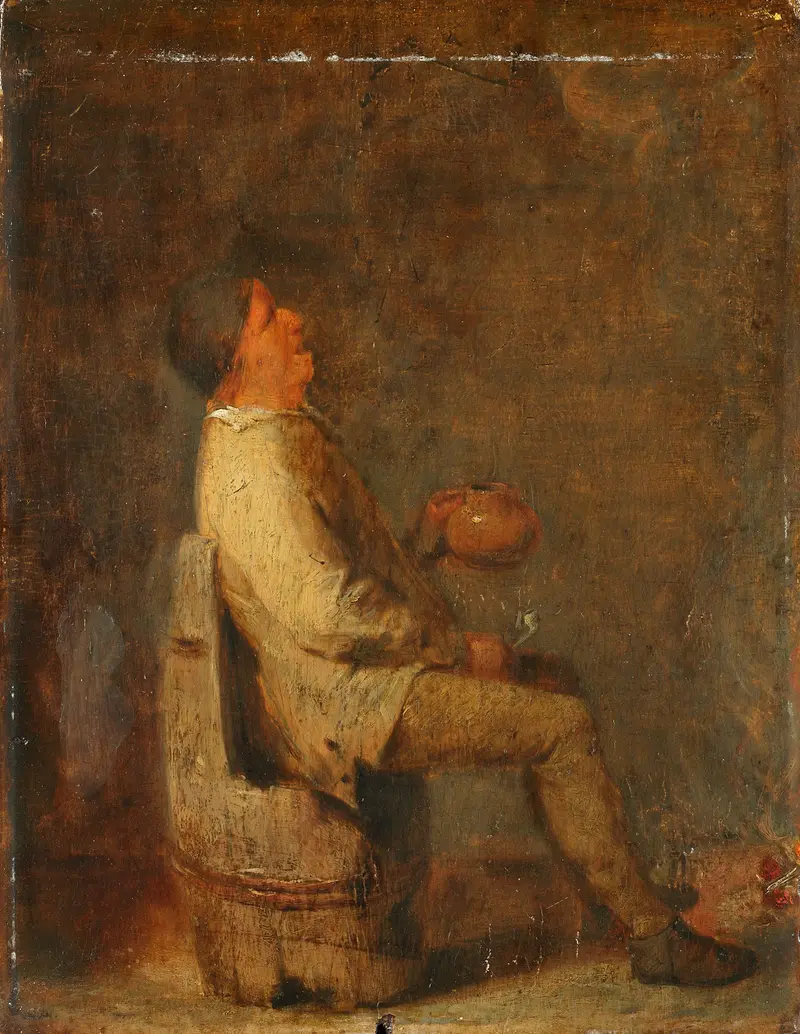
A Peasant Singing
Adriaen Brouwer
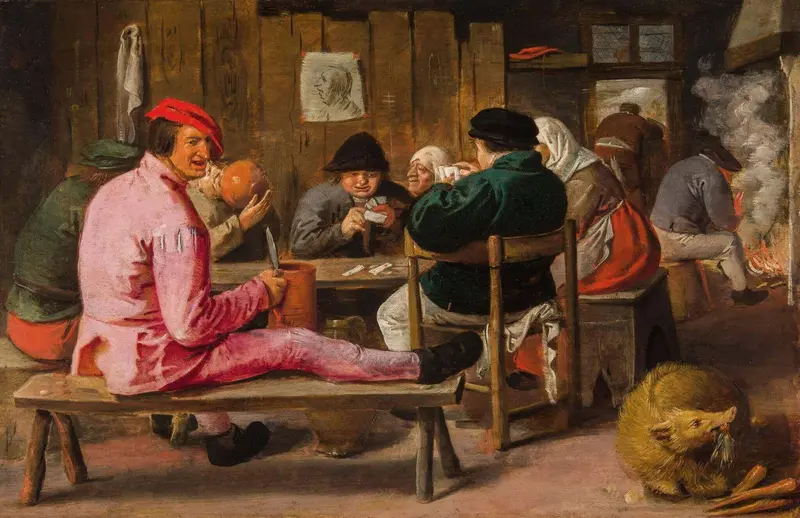
Merry Peasants in an Inn
Adriaen Brouwer
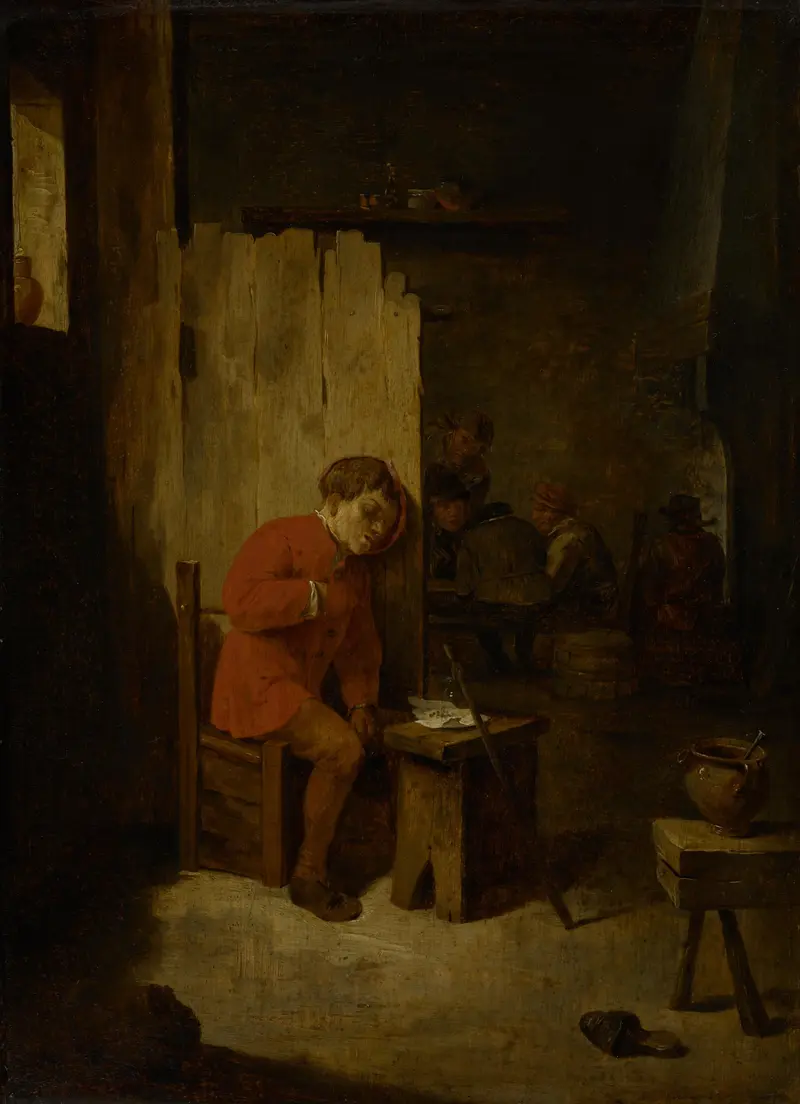
Nachahmer, Schlafender Bauer 853G Gemäldegalerie
Adriaen Brouwer
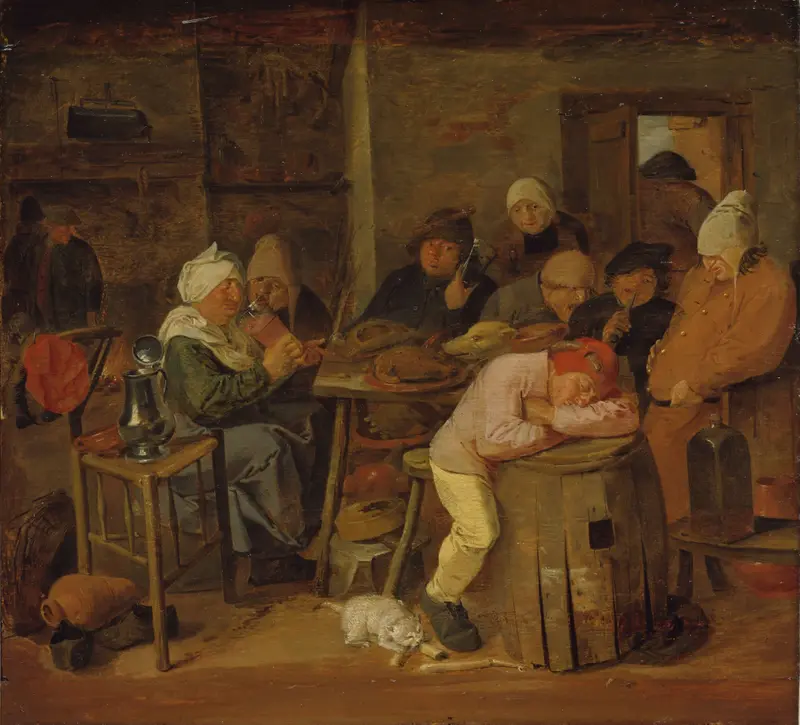
Peasants in an interior (The slaughter feast)
Adriaen Brouwer
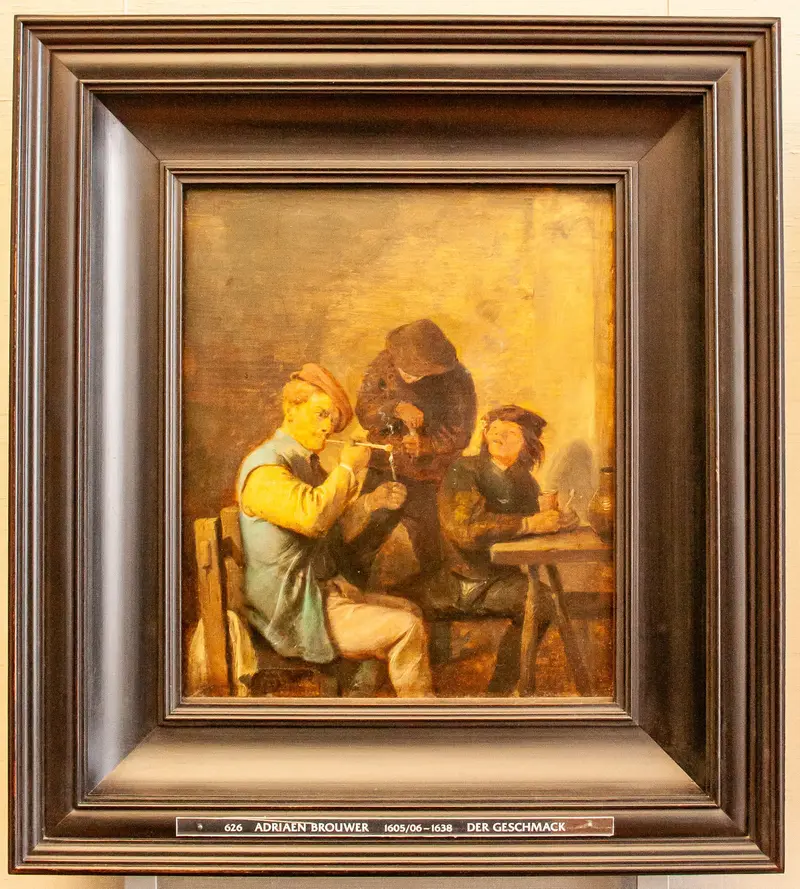
The Taste
Adriaen Brouwer
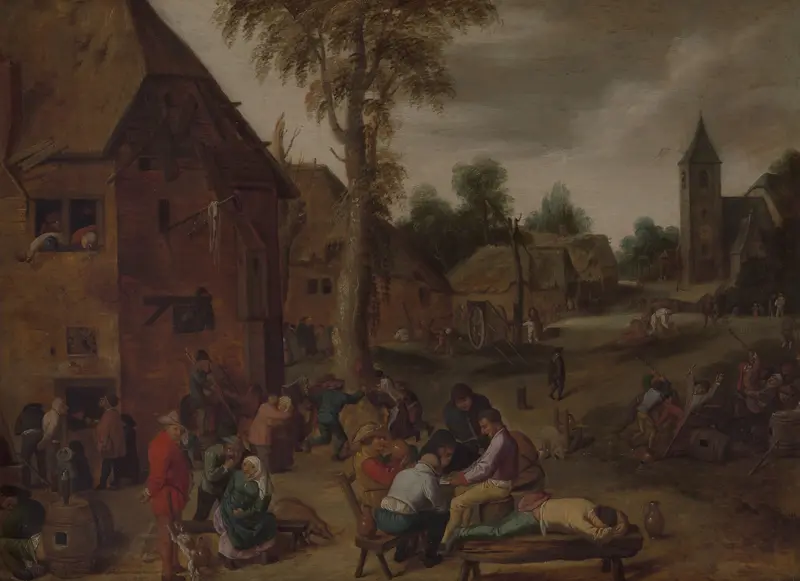
A Fair
Adriaen Brouwer
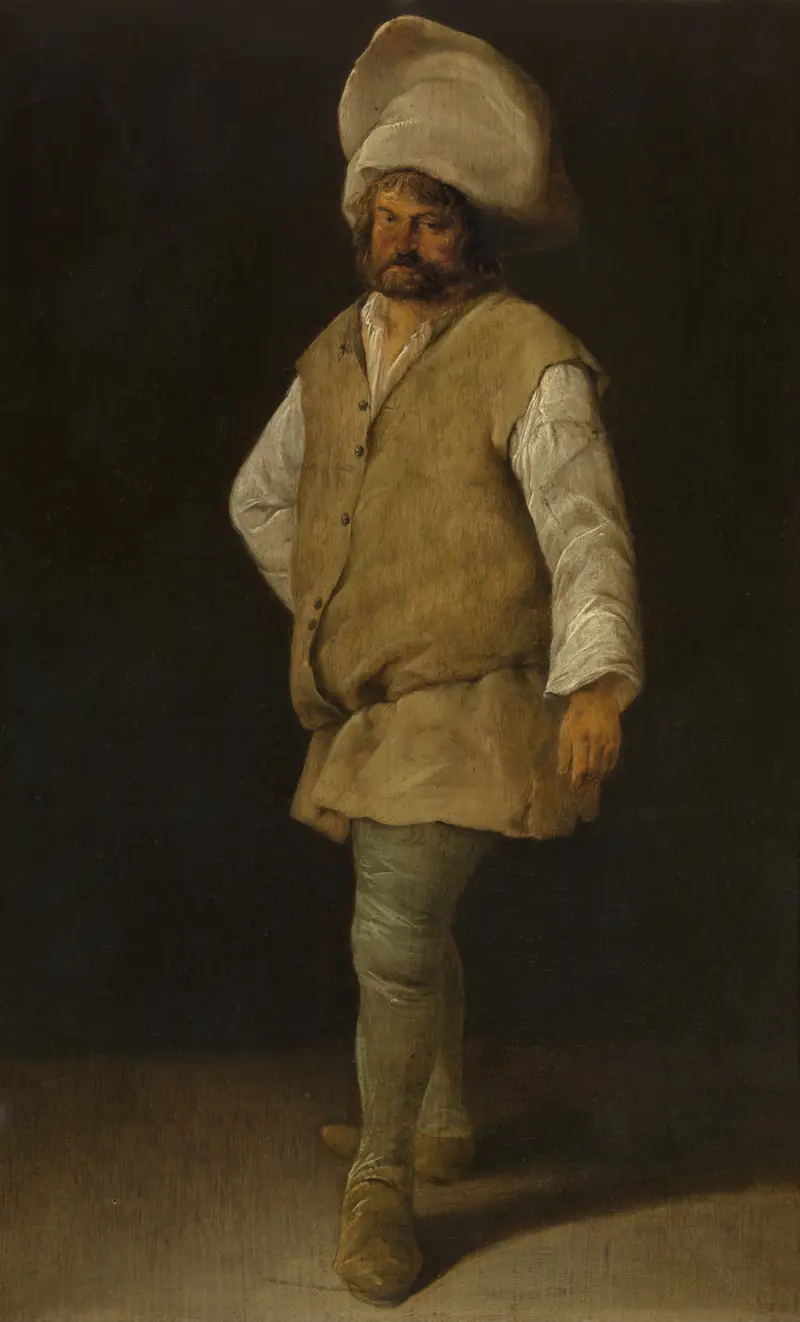
A Porter
Adriaen Brouwer
More Genre Scene Art

Banquet of the Officers of the St George Civic Guard
Frans Hals

Rembrandt and Saskia in the Scene of the Prodigal Son
Rembrandt van Rijn

Bal du moulin de la Galette
Pierre-Auguste Renoir

Quadrille at the Moulin Rouge
Henri de Toulouse-Lautrec

A Burial at Ornans
Gustave Courbet

When Will You Marry?
Paul Gauguin