
Pejzaż z domem i drobiem — History & Facts
In this serene moment, creation breathes life into the stillness, inviting us to explore the delicate interplay between nature and humanity. Look to the left at the quaint house, its weathered facade harmonizing with the surrounding landscape. The artist employs a muted palette of greens and browns, infusing the scene with a tranquil yet melancholic atmosphere. Every stroke is deliberate, capturing the gentle undulation of hills and the soft shapes of nearby fowl, while dappled light filters through the trees, revealing the subtleties of texture in both vegetation and architecture. Amidst the quiet of this pastoral setting, the pointed shapes of chickens contrast with the soft curves of the landscape, symbolizing the coexistence of nature and nurture.
The structured presence of the house, steadfast yet humble, suggests the fragility of domestic life amidst the grandeur of the natural world. Each element converges, inviting contemplation of the relationship between man and the environment, as well as the passage of time that weaves through both. Created in 1921, this work emerged during a transformative period in art, marked by the rise of modernism and a quest for identity in post-war Europe. Tadeusz Makowski, a Polish artist who spent time in France, sought to blend folk traditions with contemporary techniques.
Amidst the turmoil of change, he captured the simplicity of rural life, reflecting both the hope and the challenges faced in rebuilding a nation.
More Artworks by Tadeusz Makowski
Browse all →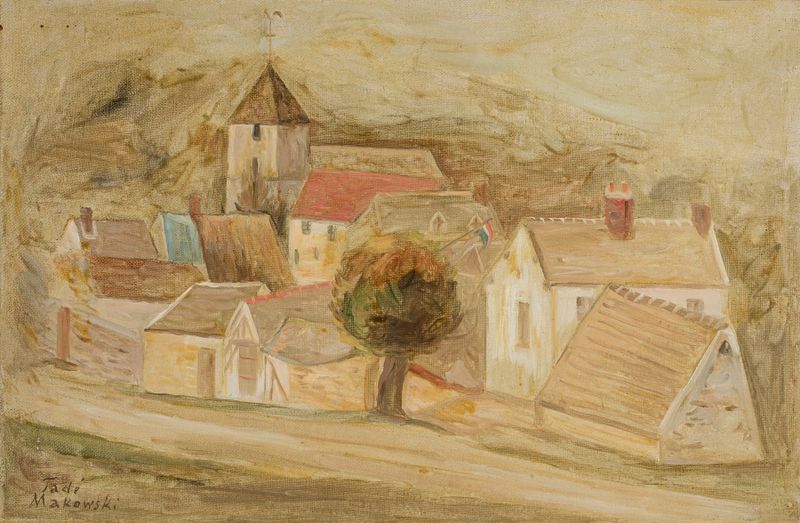
Miasteczko
Tadeusz Makowski

Pejzaż wiosenny
Tadeusz Makowski
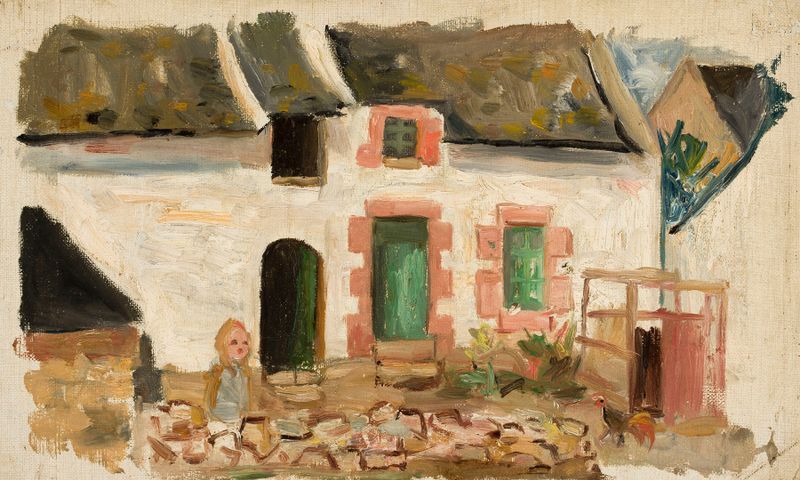
Dziecko przed domem
Tadeusz Makowski
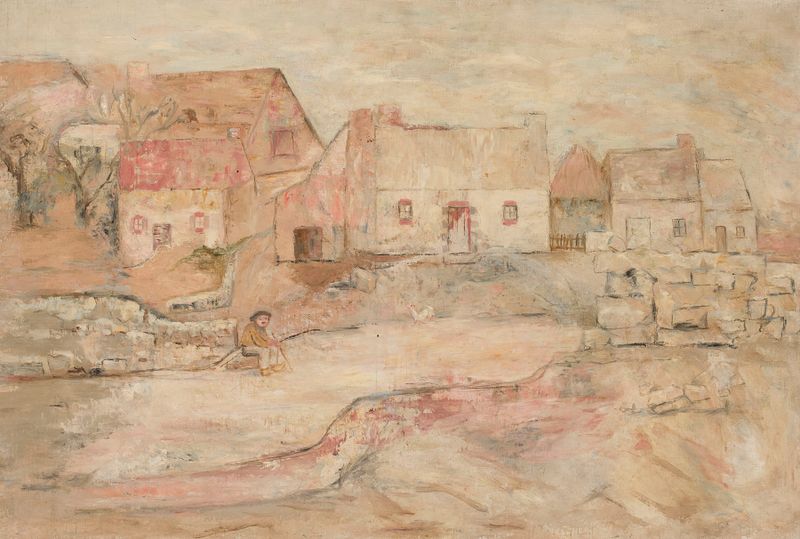
Pejzaż bretoński z siedzącym człowiekiem
Tadeusz Makowski
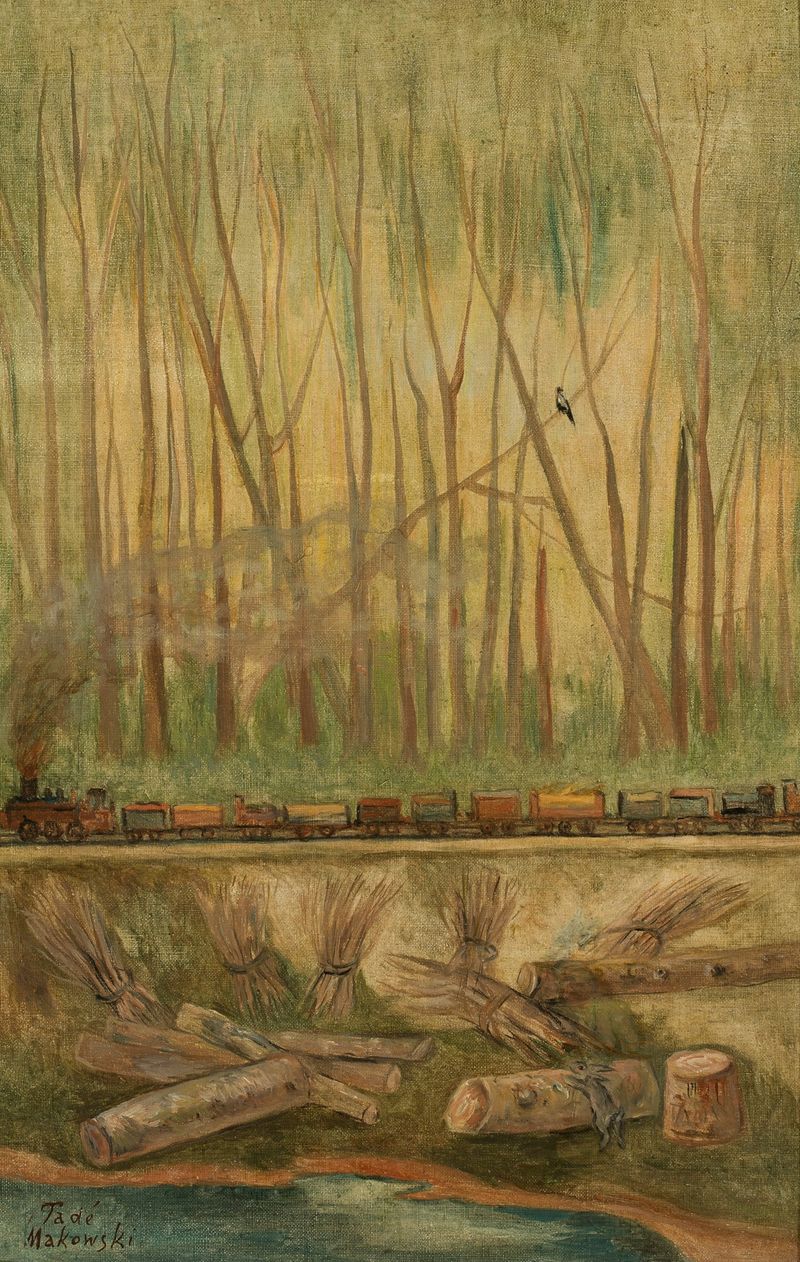
Pociąg
Tadeusz Makowski
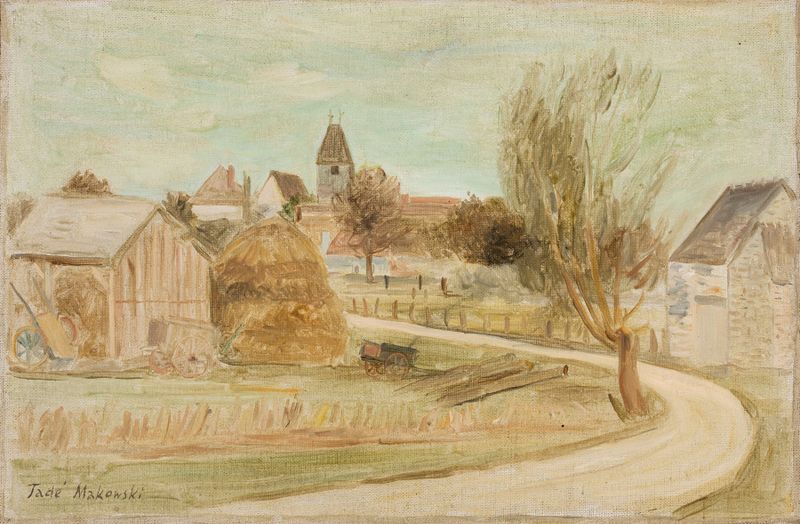
Na skraju wsi
Tadeusz Makowski

Pejzaż miejski (Esplanade des Invalides)
Tadeusz Makowski
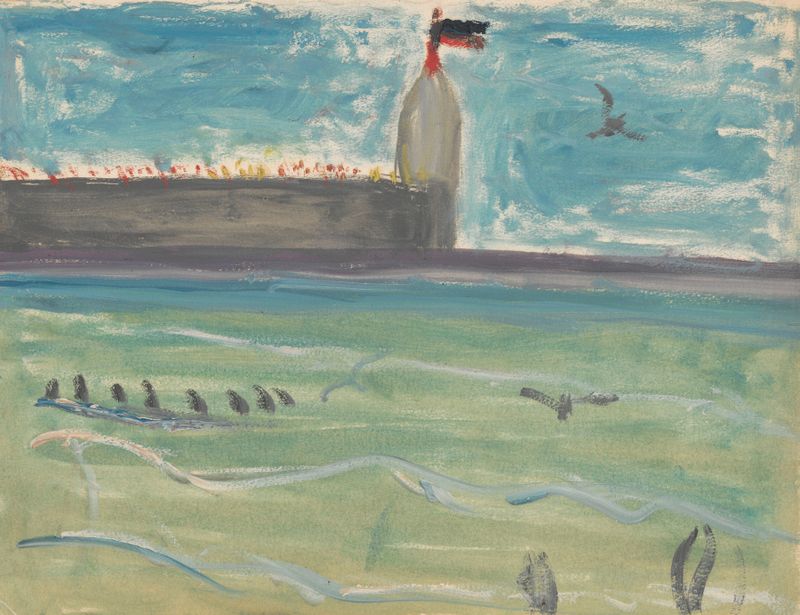
Latarnia morska w Tréport
Tadeusz Makowski
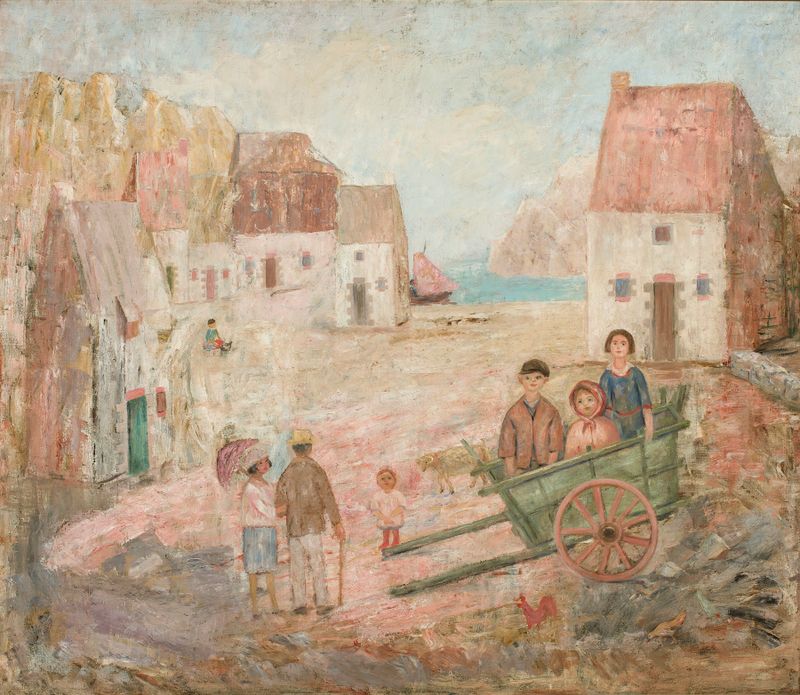
Landscape of a small town with children in a pram
Tadeusz Makowski
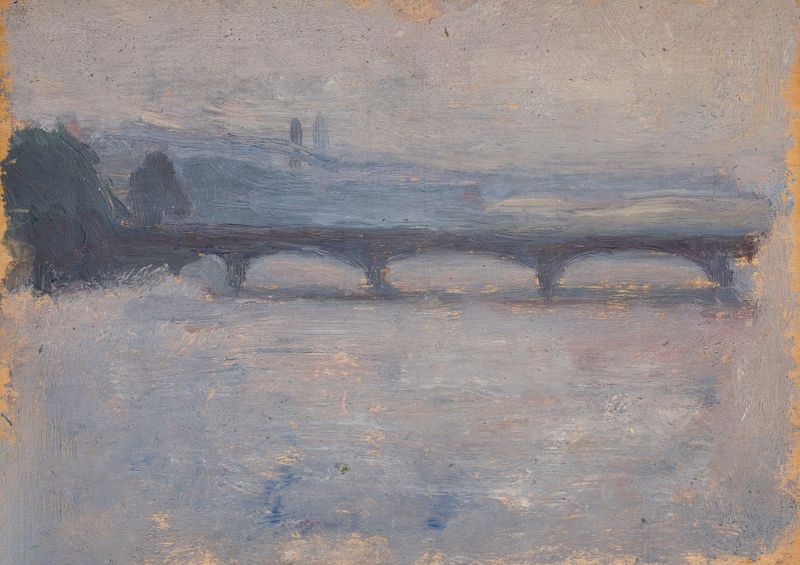
Bridge on the Seine
Tadeusz Makowski





