
Penitent Saint Jerome — History & Facts
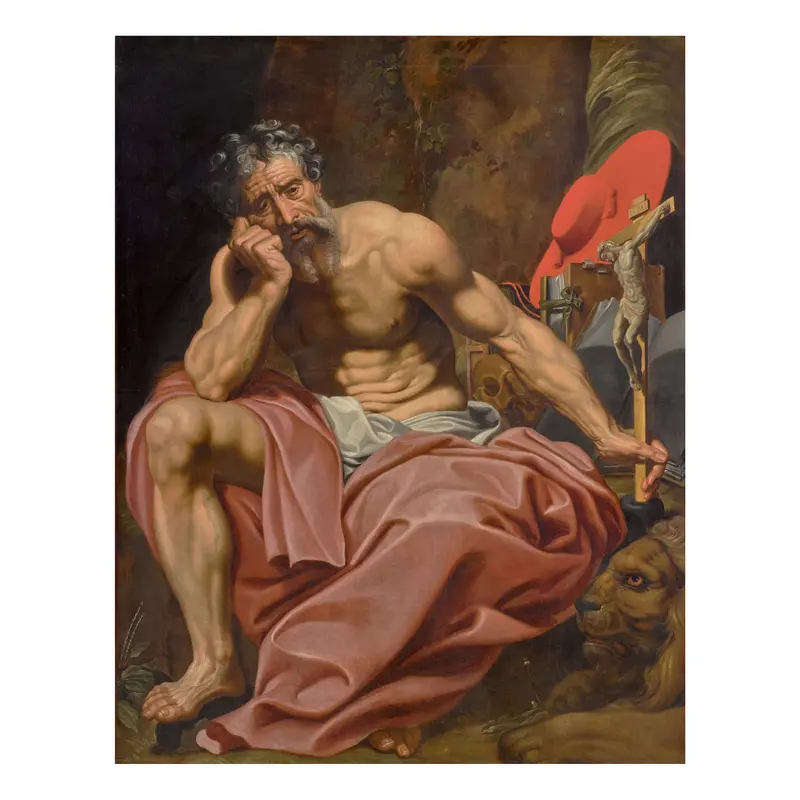
What draws the eye first is the sheer physicality of Saint Jerome—his sinewy arm propping up a furrowed brow, the tension in his muscles echoing the strain of spiritual struggle. The red drapery pools around him like spilled blood, its folds leading you toward the objects that define his vigil: a crucifix clutched in one hand, a skull resting beneath, and the lion, his legendary companion, crouched in shadow. Light pours in from the left, sculpting Jerome’s body and illuminating the tokens of his penance, while the cave’s darkness presses in behind him.
Every detail is a sign: the crucifix signals devotion, the skull mortality, the lion both danger and loyalty. The saint’s gaze, lost in thought, invites the viewer into his solitude—a moment of exhaustion and reflection rather than triumph. This painting belongs to the world of the early seventeenth century, when artists like Abraham Janssens were steeped in the drama and theatricality of the Baroque. Between 1582 and 1632, religious commissions flourished in Catholic Europe, especially for scenes of saints in contemplation or penance, meant to inspire viewers to greater devotion.
Works like this were often destined for private chapels or altars, where the intensity of the saint’s struggle would serve as a model for personal reflection. History has kept few traces of this specific canvas, now known through its appearance in a Sotheby’s collection, but its power lies in how it distills the era’s fascination with the body and the soul, inviting us to linger with Jerome in his cave.
More Artworks by Abraham Janssens

Jupiter Rebuked by Venus
Abraham Janssens
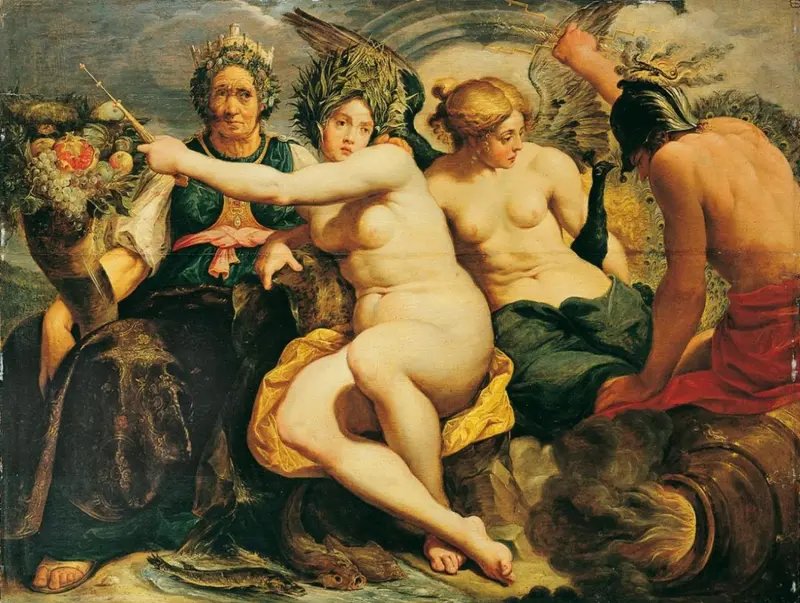
Allegorie der vier Elemente
Abraham Janssens
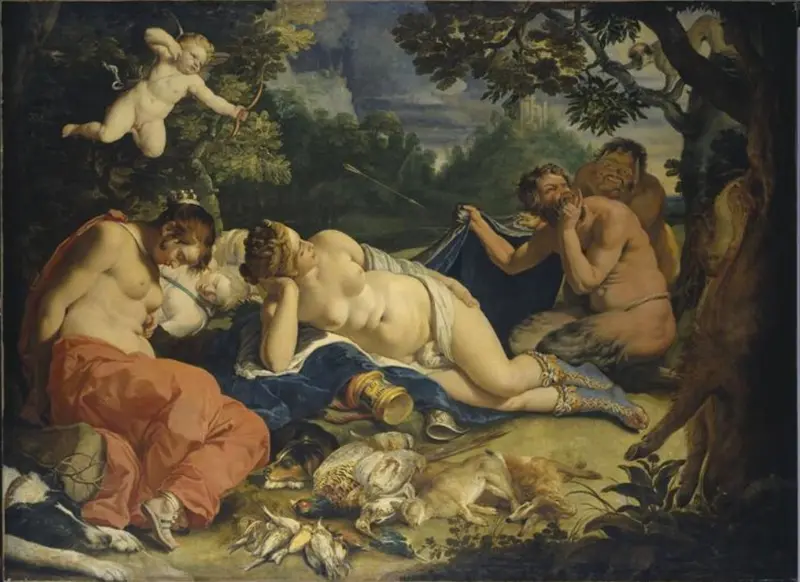
Diana and her nymphs spied on by satyrs
Abraham Janssens

Die Erweckung des Lazarus 153 Bavarian State Painting Collections
Abraham Janssens
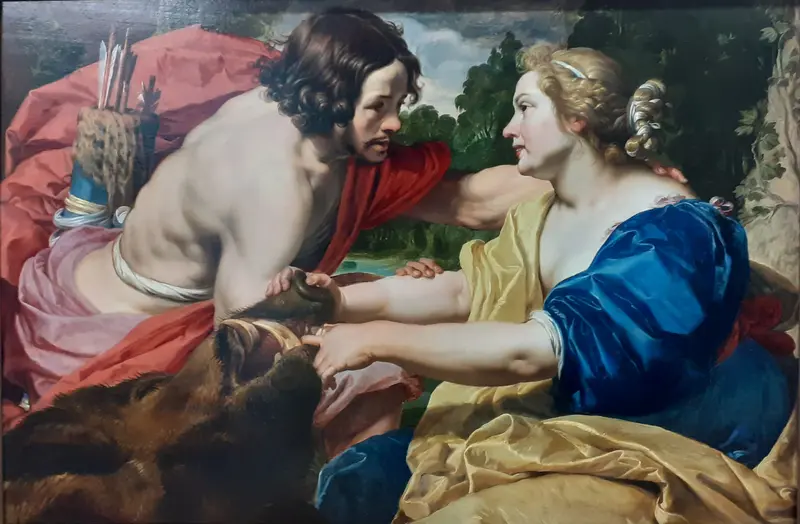
Meleager presents the head of the Calydonian Boar to Atalanta
Abraham Janssens
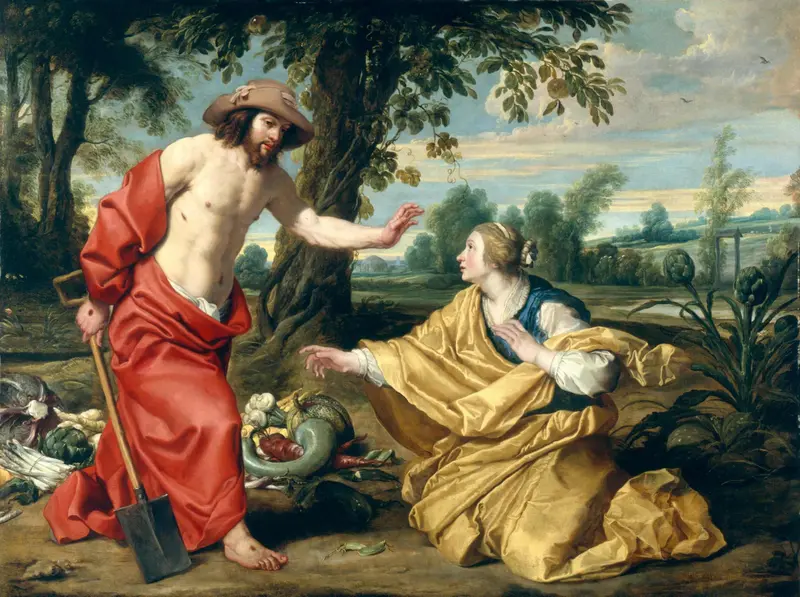
Noli me Tangere
Abraham Janssens
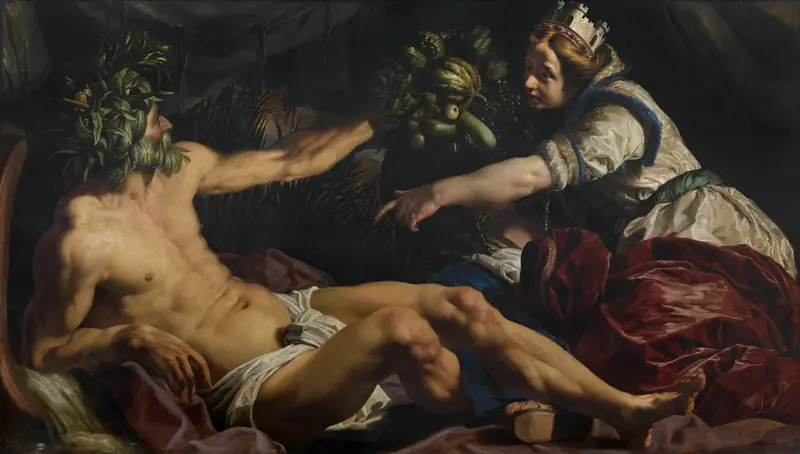
Scaldis and Antverpia
Abraham Janssens
Saint Jerome
Abraham Janssens
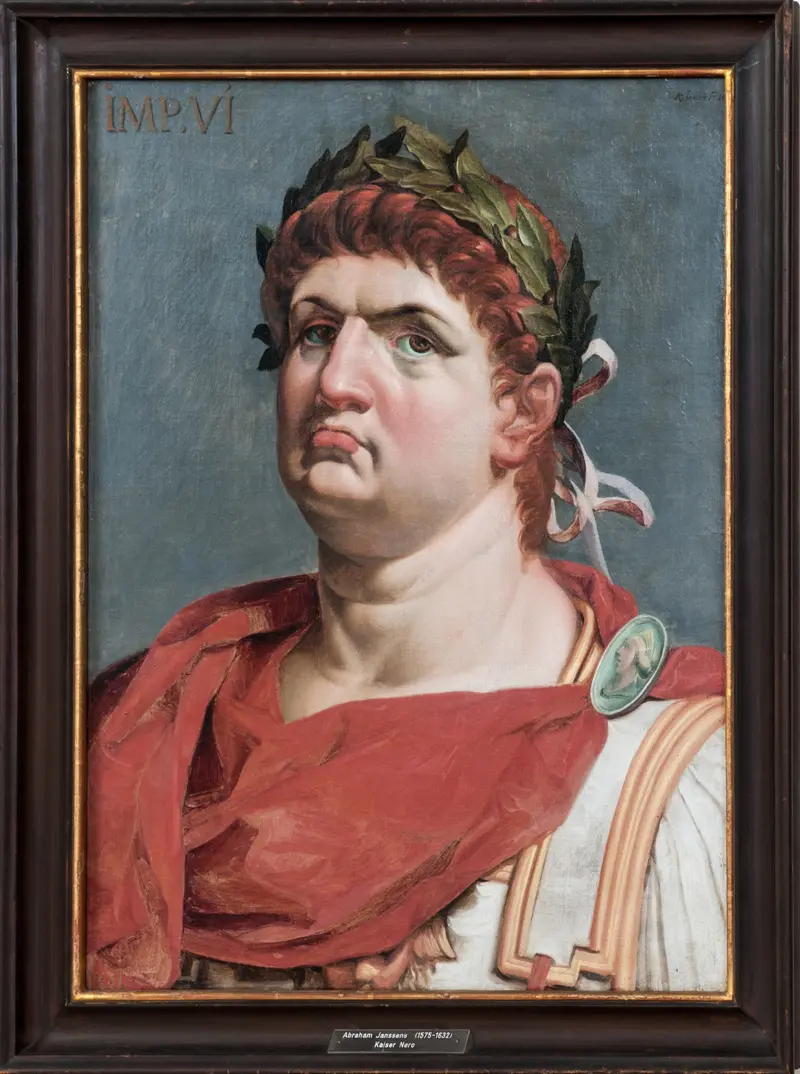
Nero
Abraham Janssens
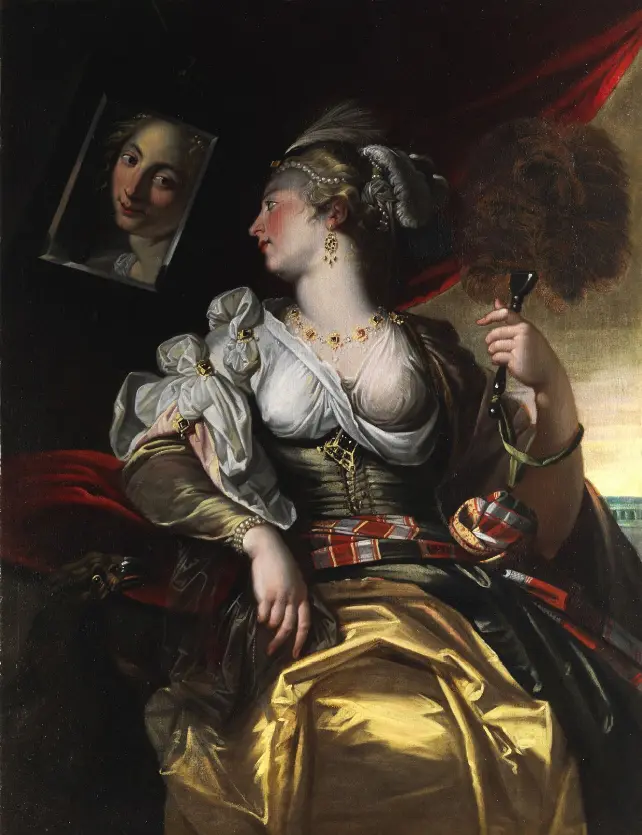
The Face
Abraham Janssens





