
Peraules — History & Facts
In its stillness lies the essence of creation, a pregnant pause that invites exploration and reflection. Focus on the intricate details within the lush landscape. Notice how the vibrant greens and soft earth tones work in harmony, guiding your gaze to the rolling hills that seem to breathe beneath an expansive sky. Look closely at the delicate interplay of light and shadow, particularly the gentle wisps of clouds, which add an ethereal quality to the scene.
The careful brushwork creates texture, making each stroke feel like a heartbeat, with the landscape alive in its own right. Dive deeper into the contrasts woven into this tableau. The juxtaposition of the serene foreground and the distant, hazy horizon evokes a sense of longing and possibility. Each element tells a story: the vibrant hues reflect nature’s vitality, while the muted tones in the distance hint at the unknown.
This tension between the familiar and the elusive invites viewers to ponder their own journeys and aspirations, as the landscape becomes a mirror of one’s inner world. Created between 1840 and 1844, this piece emerged during a period marked by both personal and artistic exploration for its creator. Wagner was navigating a transformative phase in his career, engaging with Romantic ideals that celebrated nature and emotion. At the same time, the wider art world was witnessing shifts towards realism and impressionism, adding layers of complexity to his work, as he sought to capture not just a moment but the very act of creation itself.
More Artworks by Johann Friedrich Wagner
Browse all →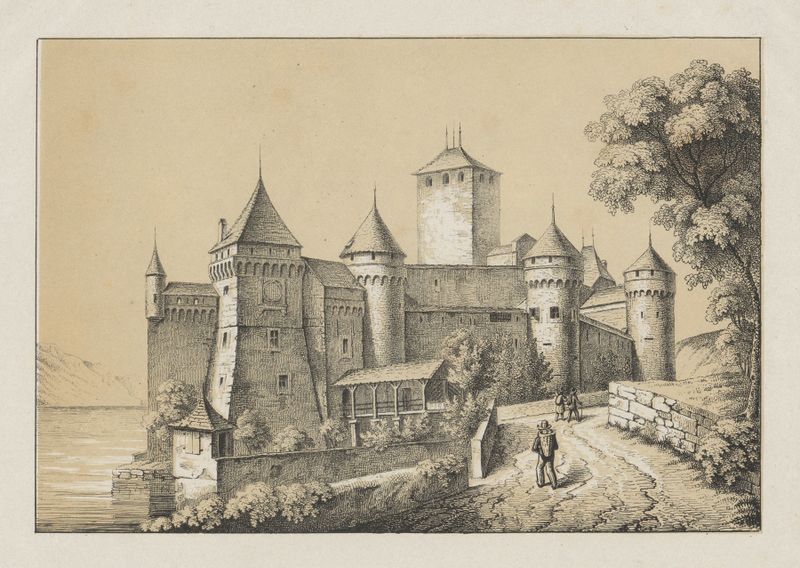
Chillon
Johann Friedrich Wagner

Valangin
Johann Friedrich Wagner
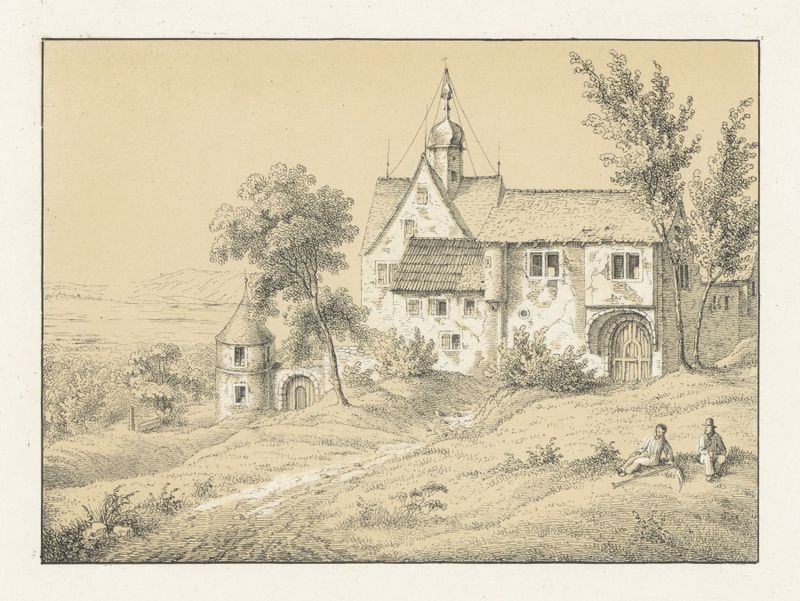
Greifenstein
Johann Friedrich Wagner

Vorburg
Johann Friedrich Wagner
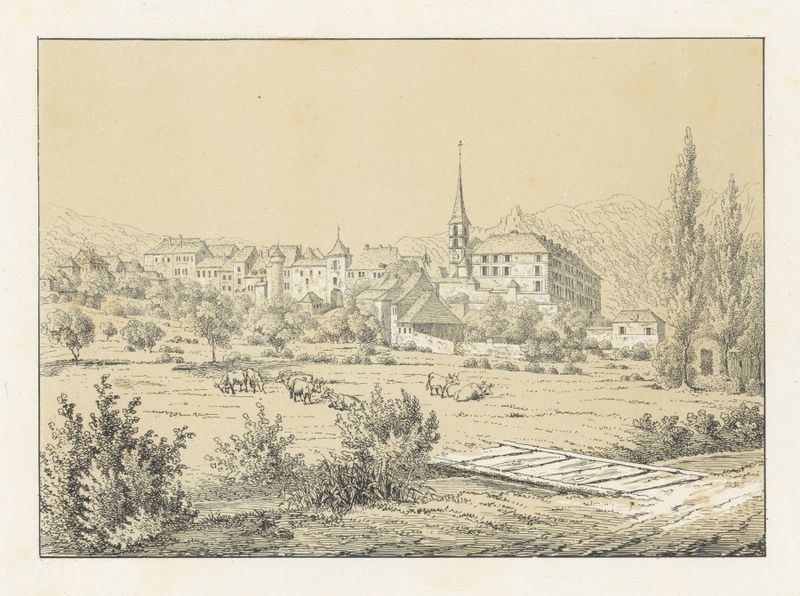
Delémont
Johann Friedrich Wagner

Pleujouse
Johann Friedrich Wagner

Challay
Johann Friedrich Wagner
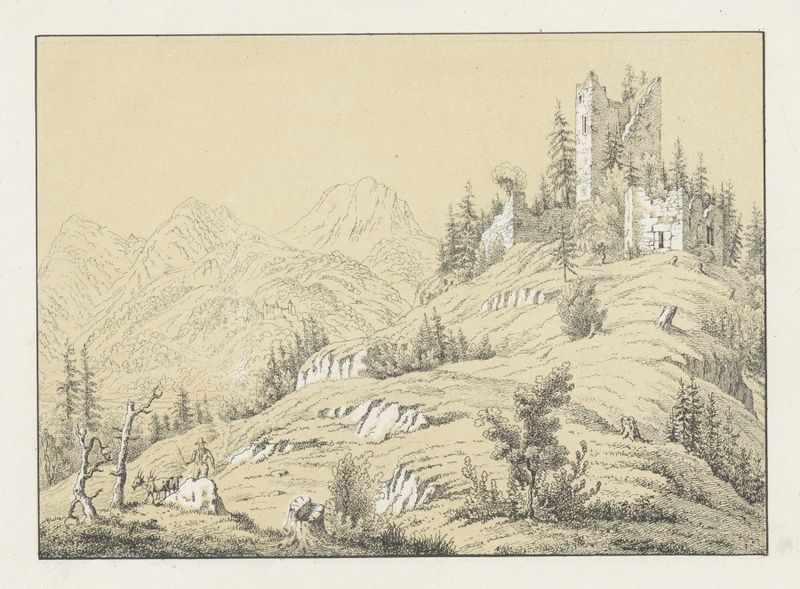
Mont Salvant
Johann Friedrich Wagner
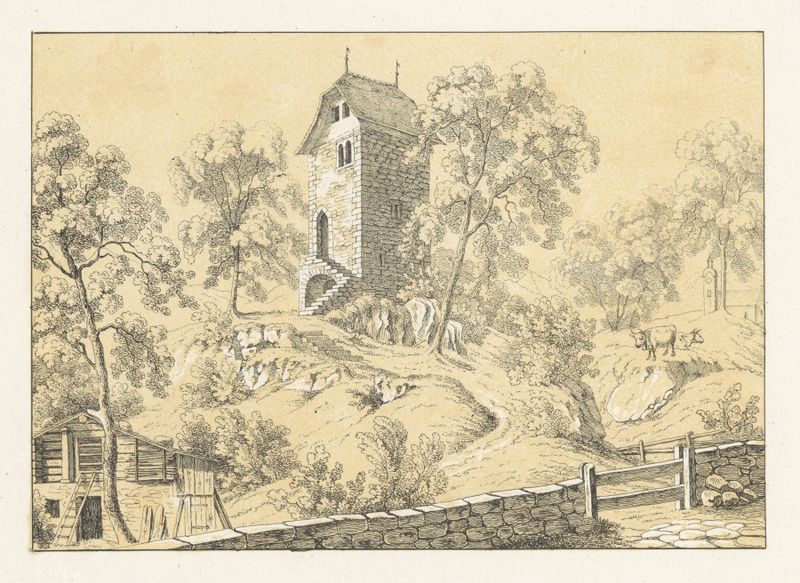
Aha. Od. Untere Burg von Sarnen
Johann Friedrich Wagner
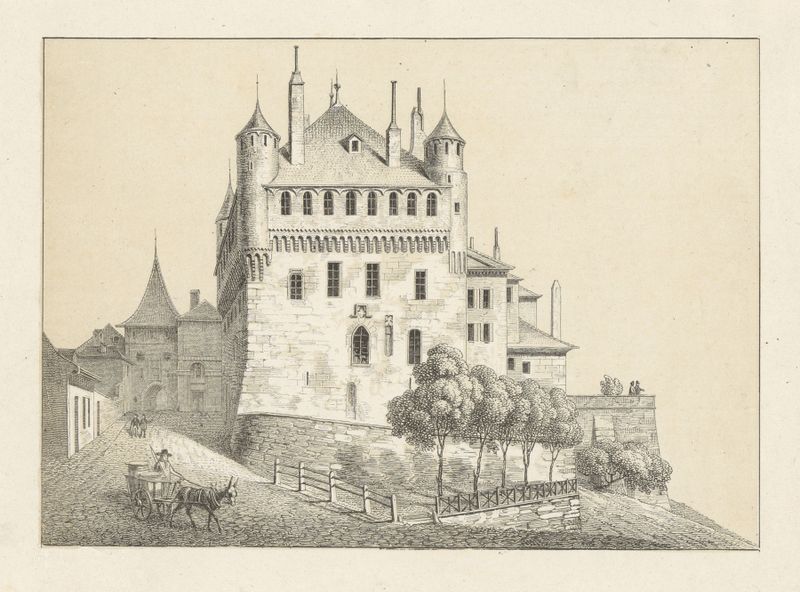
Lausanne
Johann Friedrich Wagner





