
Persons in Louis XV Costumes — History & Facts
The first thing that catches the eye in Persons in Louis XV Costumes is not a single figure or gesture, but the sensation of movement and candlelit opulence conjured from the shadows. The figures, clustered in animated conversation and courtly display, seem to flicker into being from the dark, textured background, as if the memory of a grand salon has been summoned rather than painted. Monticelli’s brushwork is loose and almost feverish, dissolving the boundaries of silk and brocade into shimmering pools of color.
Light dances across the scene, picking out faces and hands, drawing the viewer into the swirl of powdered wigs and rustling skirts. Every gesture—a hand extended, a head turned—suggests a drama of manners, a theater of intrigue and flirtation where every glance is a story. Painted in 1880, this work belongs to a late nineteenth-century fascination with the elegance and theatricality of the ancien régime, a nostalgia that swept through French art in the decades after the fall of the Second Empire. Artists like Adolphe Monticelli, inspired by the fêtes galantes of Rococo painters such as Watteau, revived these scenes for a new audience hungry for beauty and escape.
Monticelli’s interpretation, however, is far more atmospheric than literal—his figures half-dissolve into their setting, as if the past itself is slipping away. Little is recorded about the specific history of this painting, now held in the collection of the Art Institute of Chicago, but its mood and technique speak to a world both imagined and lost. Let your eye linger in the shadows, and you may find yourself caught between centuries, listening for the echo of laughter in the painted dusk.
More Artworks by Adolphe Monticelli

Portrait of a Lady
Adolphe Monticelli
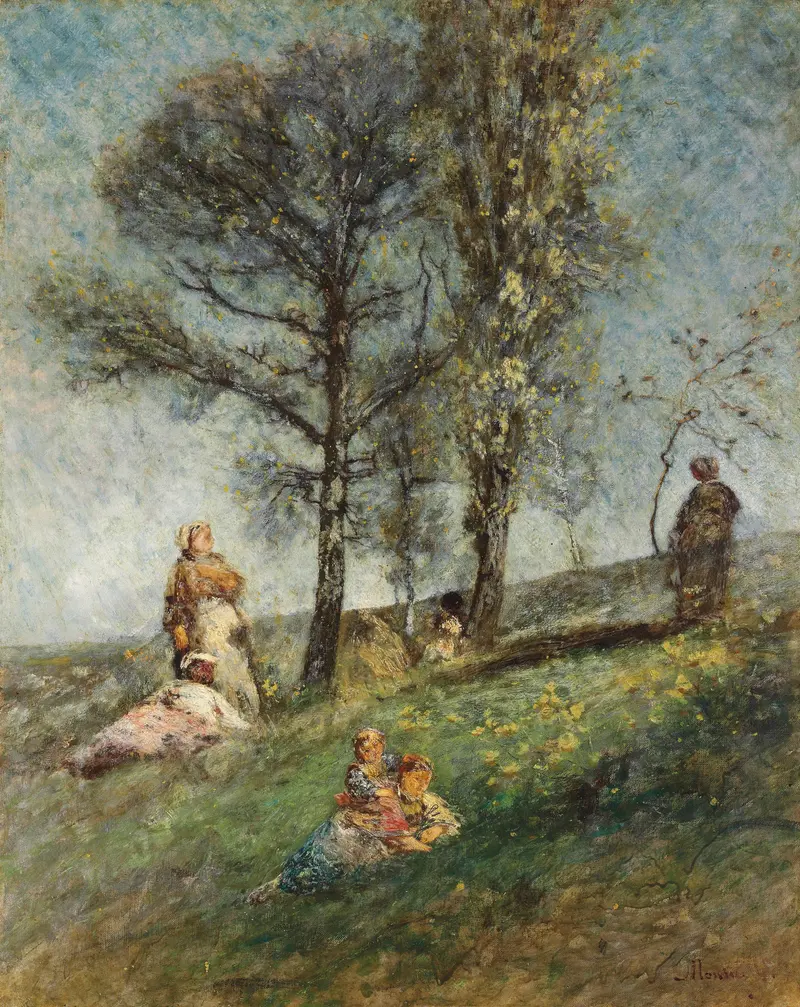
A Young Family Under Trees On A Hill
Adolphe Monticelli

Fête d'Après-Midi
Adolphe Monticelli
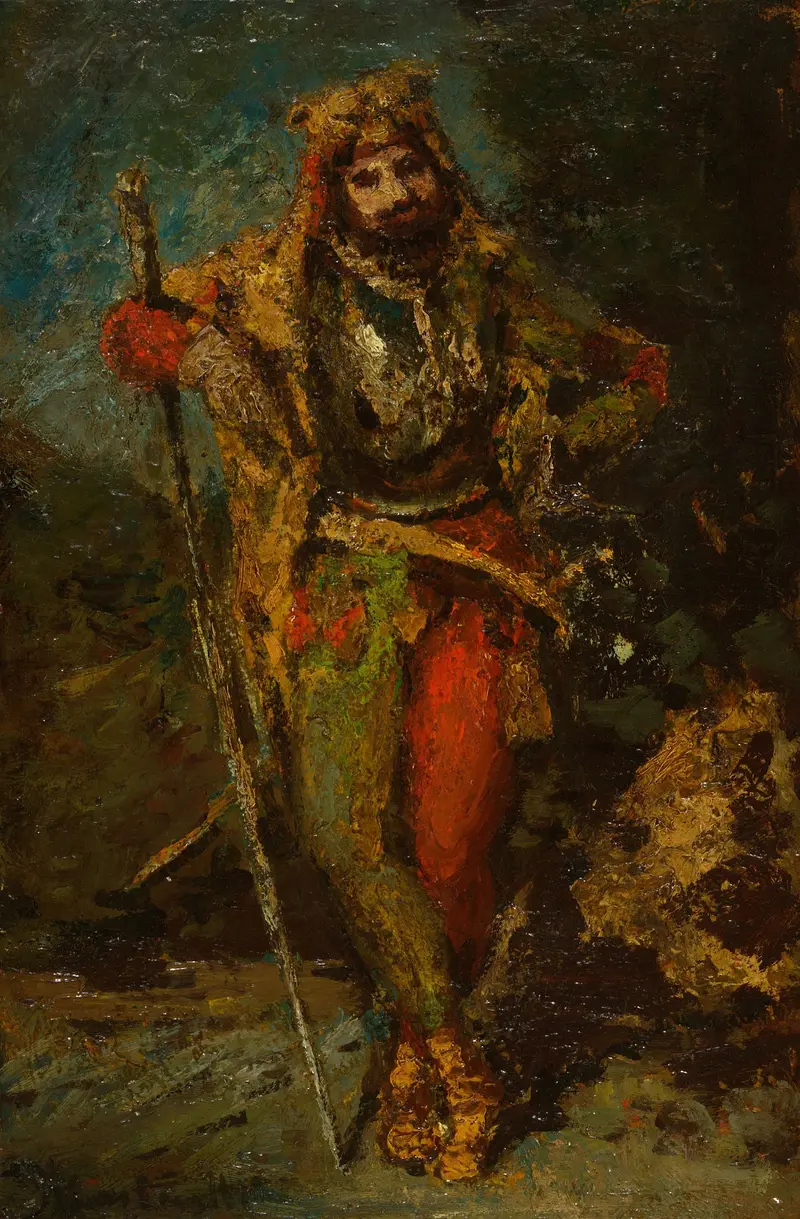
Mephisto from the Opera Faust
Adolphe Monticelli
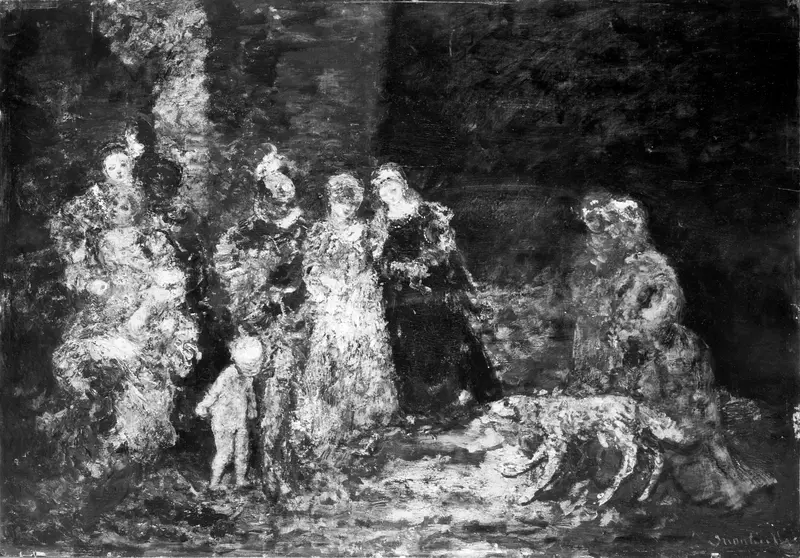
The Fairies
Adolphe Monticelli
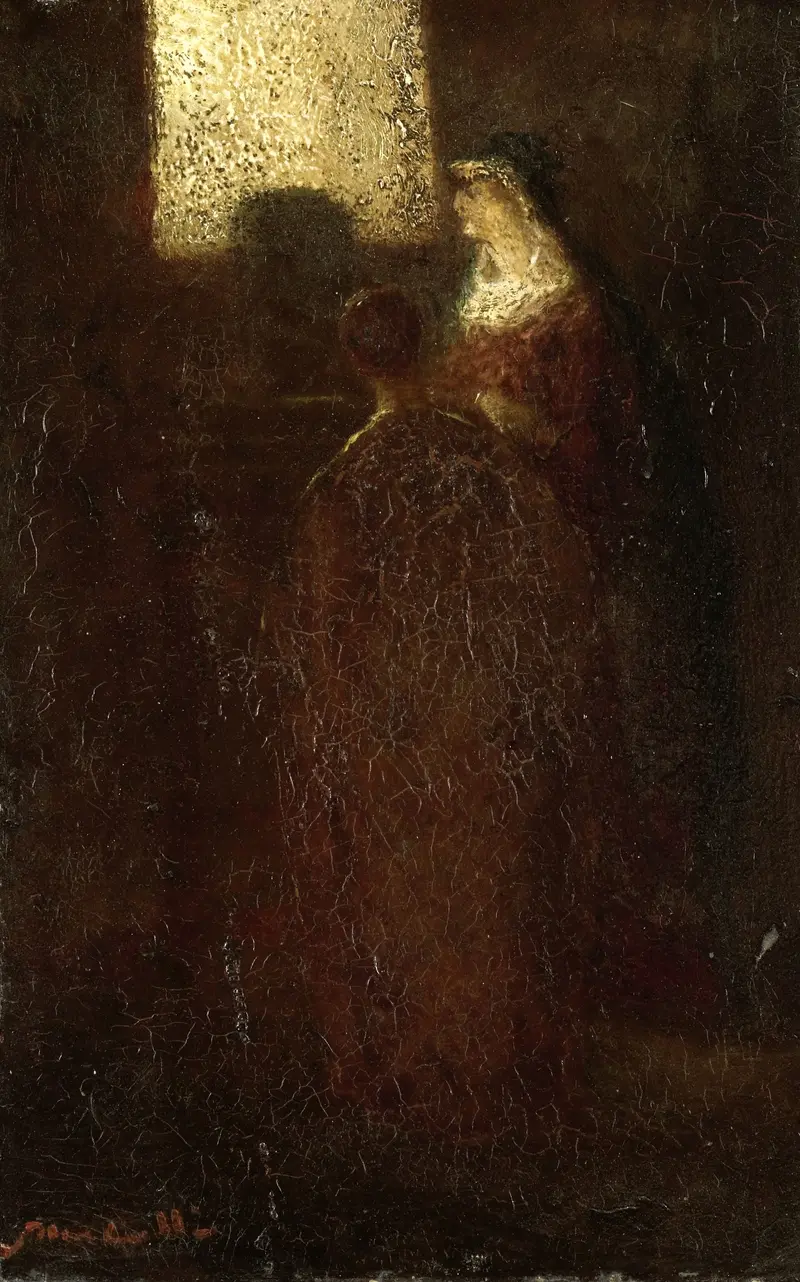
Aan het altaar
Adolphe Monticelli
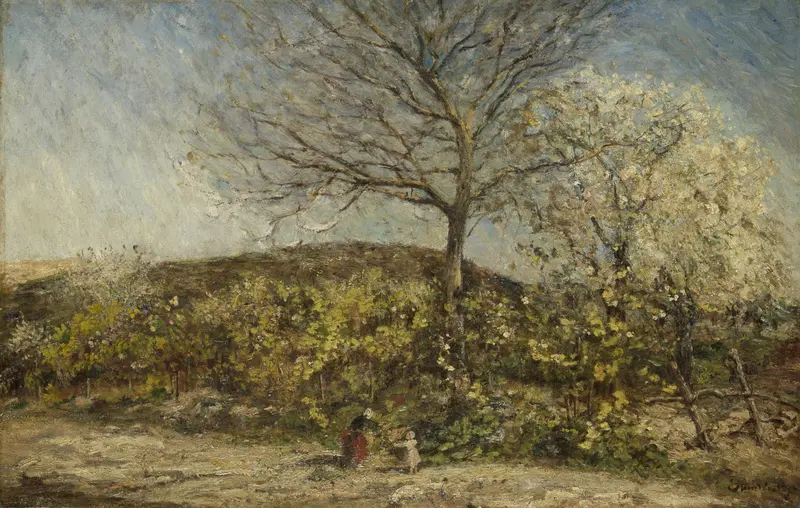
Landschap met bloeiende boomgaard
Adolphe Monticelli
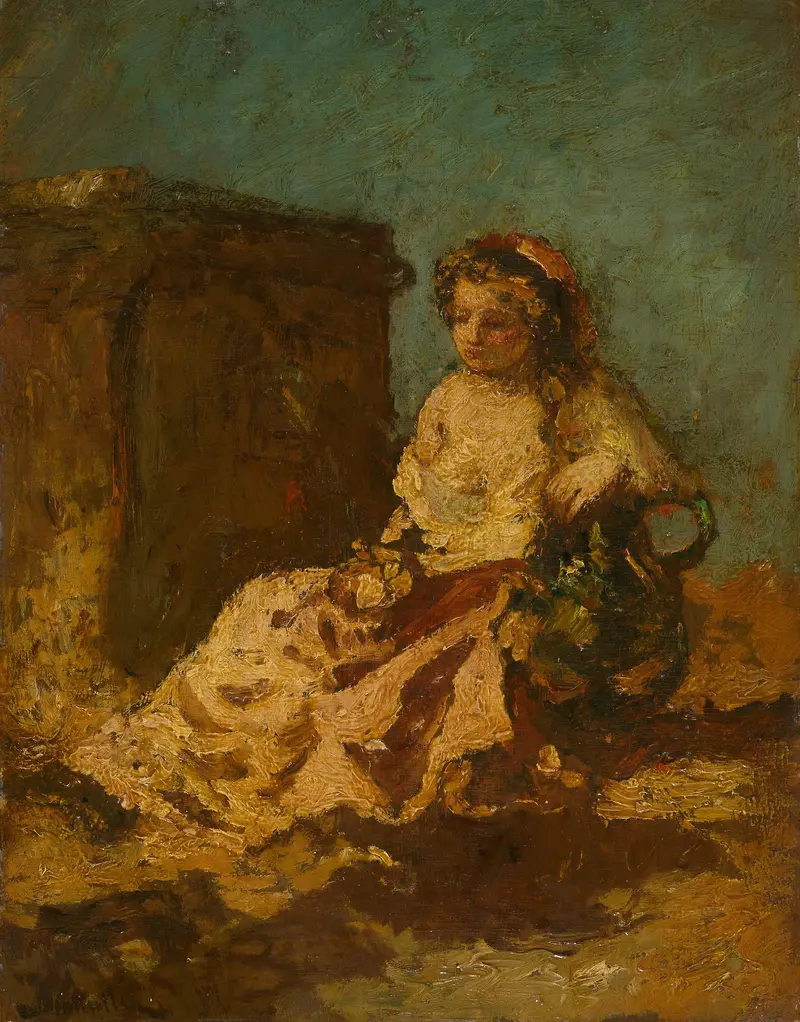
Meditation (Seated Woman)
Adolphe Monticelli
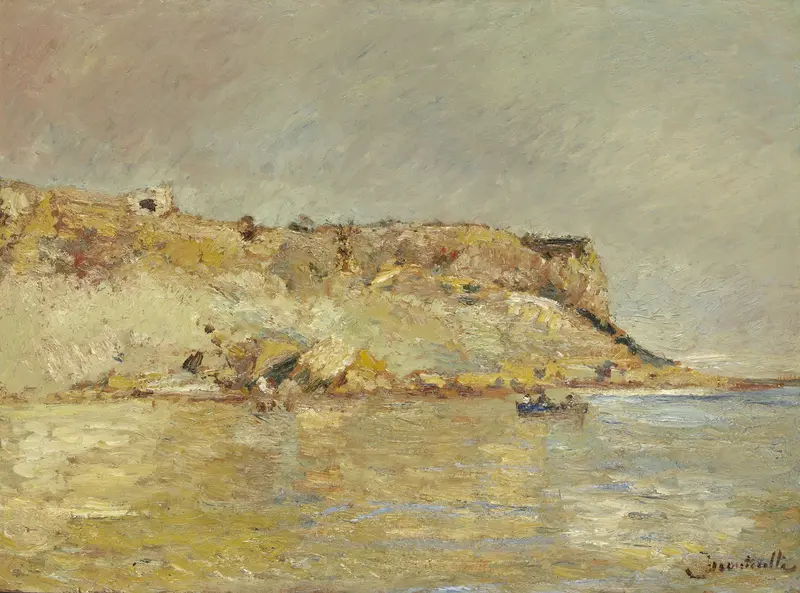
Coastal Mountains
Adolphe Monticelli
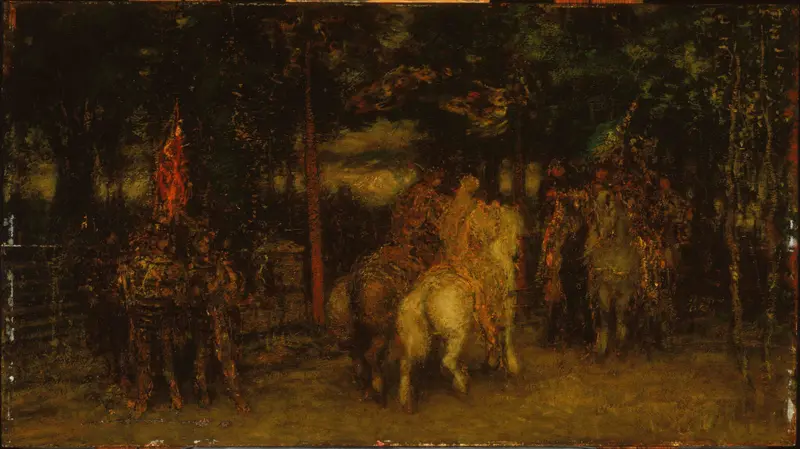
Landscape with Figures
Adolphe Monticelli
More Genre Scene Art

Banquet of the Officers of the St George Civic Guard
Frans Hals

Rembrandt and Saskia in the Scene of the Prodigal Son
Rembrandt van Rijn

Bal du moulin de la Galette
Pierre-Auguste Renoir

Quadrille at the Moulin Rouge
Henri de Toulouse-Lautrec

A Burial at Ornans
Gustave Courbet

When Will You Marry?
Paul Gauguin