
Perugia Altarpiece — History & Facts
When the citizens of Perugia commissioned Fra Angelico in 1437 to create an altarpiece for the church of San Domenico, they were seeking more than decoration—they wanted a statement of Dominican identity and devotion. The resulting Perugia Altarpiece, completed in 1438, marked one of the last major works Fra Angelico painted before his move to Florence, where his style would help shape the early Renaissance. The altarpiece’s panels were later dispersed, turning what was once a unified vision into a puzzle for art historians and curators.
Today, its surviving fragments are scattered across several museums, each piece a testament to the original’s lost grandeur. At the heart of the Perugia Altarpiece is the Virgin enthroned, holding the Christ Child, surrounded by saints and angels rendered with luminous delicacy. The moment Fra Angelico chose is one of serene majesty: Mary, elevated on a marble throne, gazes outward as saints—including Dominic and Peter Martyr—gather in adoration. Gold leaf halos shimmer against a deep blue ground, while delicate gestures—Dominic’s pointing finger, the Child’s blessing hand—guide the viewer’s eye and signal spiritual truths.
The symmetry and clarity recall the solemnity of earlier Sienese altarpieces, but the gentle modeling of faces and the play of light on fabric show Fra Angelico’s embrace of Florentine innovations, setting his work apart from contemporaries like Gentile da Fabriano, whose altarpieces are more ornate but less intimate. Though the original commission was for the high altar of San Domenico, the altarpiece was dismantled in the 16th century, its panels sold or relocated as church reforms and political changes swept Italy. Some parts, including the central Madonna and Child, now reside in the Galleria Nazionale dell’Umbria, while others are housed in museums as far afield as Berlin and San Francisco. The altarpiece’s dispersal has fueled scholarly debate over its original arrangement and iconography.
For Fra Angelico, the Perugia Altarpiece stands at a crossroads: it bridges his early devotion to Gothic forms and the new clarity and harmony that would define his mature style.
More Artworks by Fra Angelico

Condemnation of St Lawrence by the Emperor Valerian
Fra Angelico
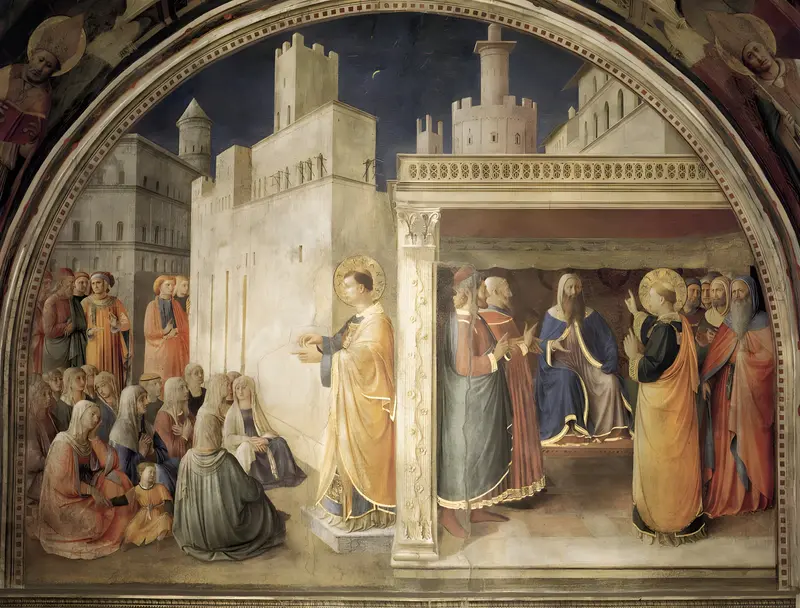
Lunette of the north wall
Fra Angelico
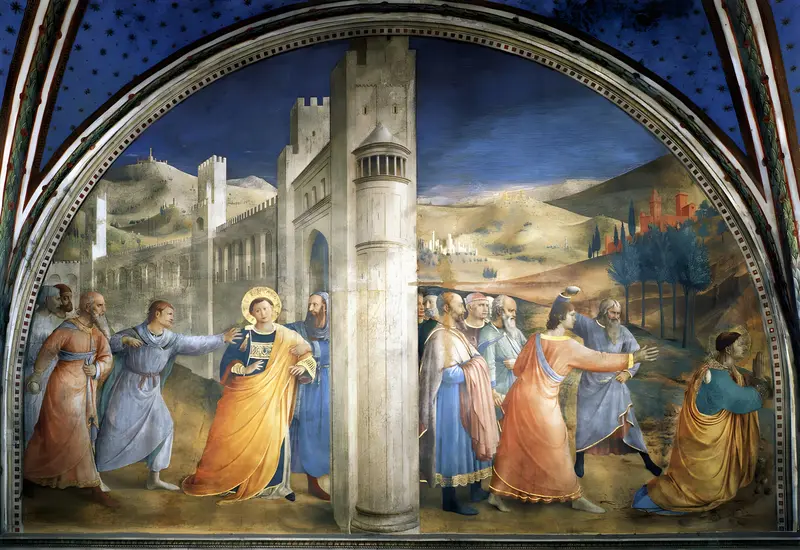
Lunette of the east wall in Niccoline Chapel
Fra Angelico
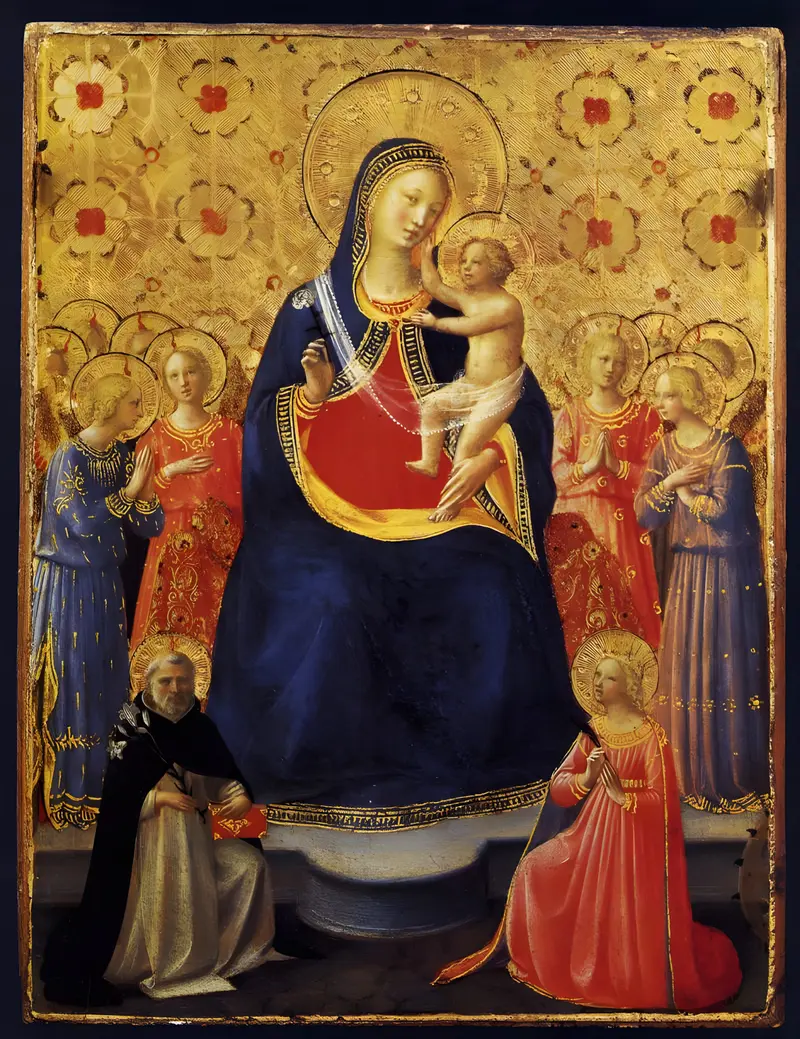
Madonna and Child Enthroned with Nine Angels and Saints Dominic and Catherine of Alexandria
Fra Angelico
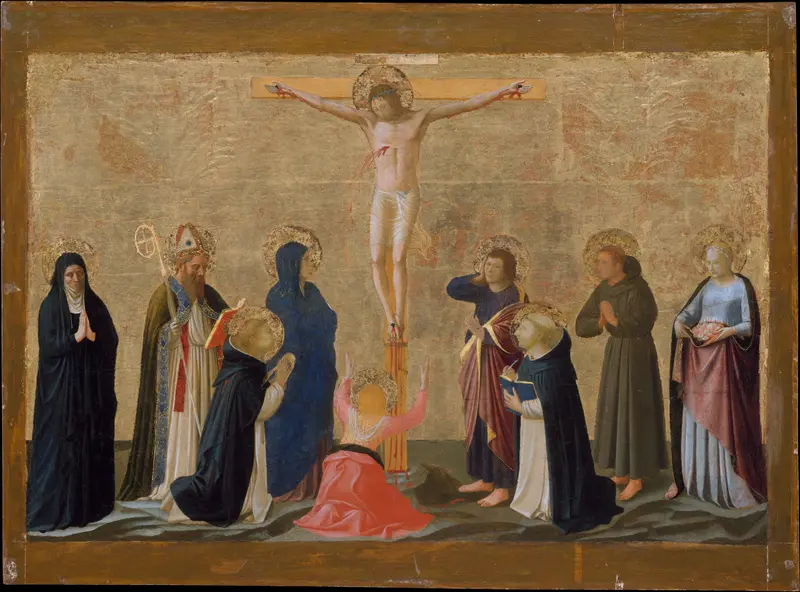
The Crucifixion
Fra Angelico
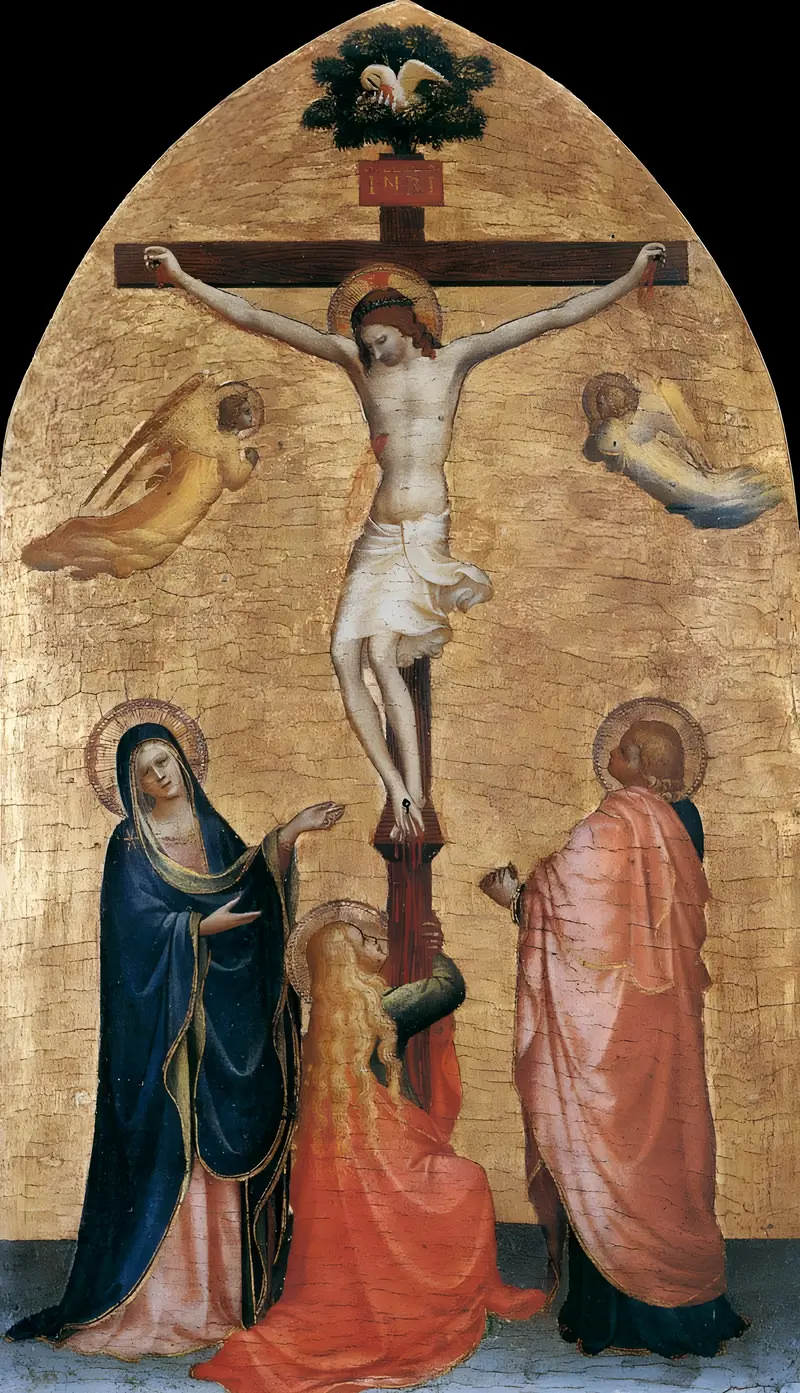
Crucifixion with the Virgin, John the Evangelist, and Mary Magdelene
Fra Angelico
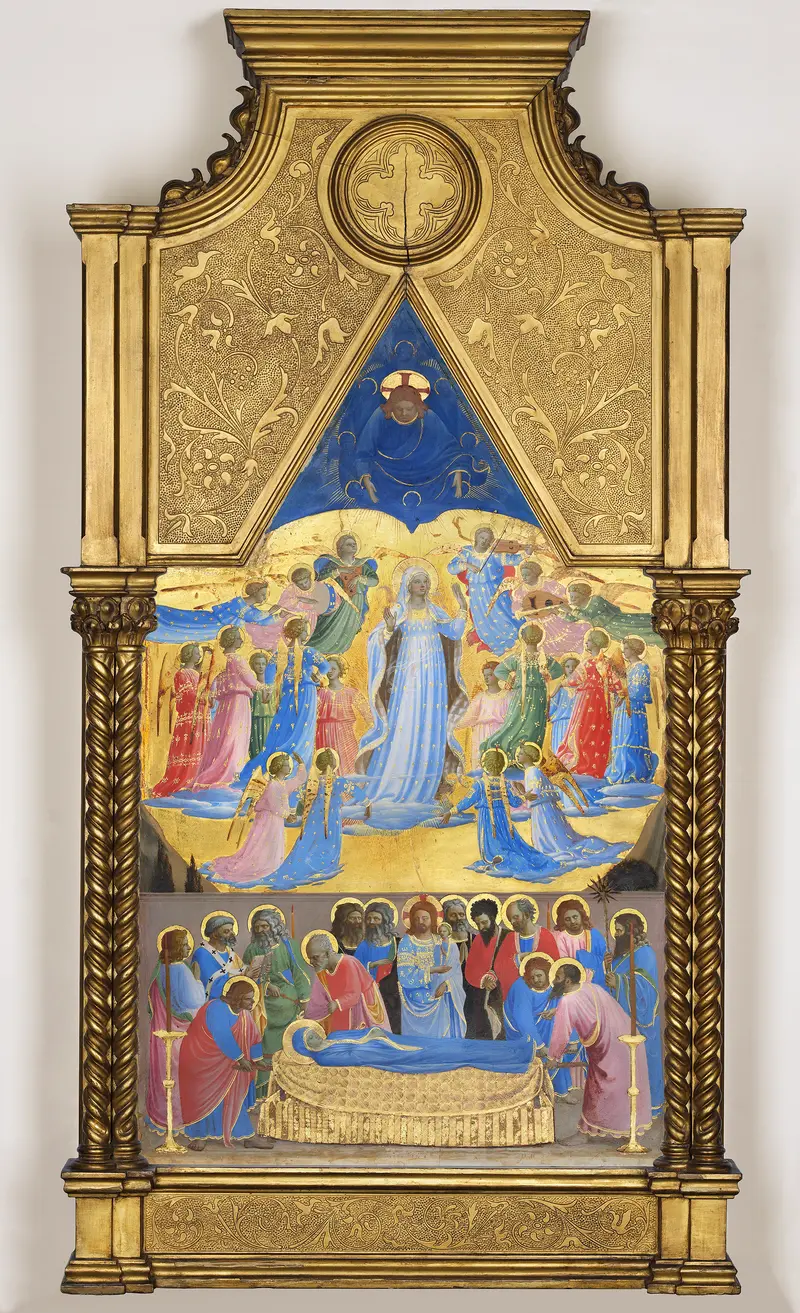
Dormition and Assumption of the Virgin
Fra Angelico
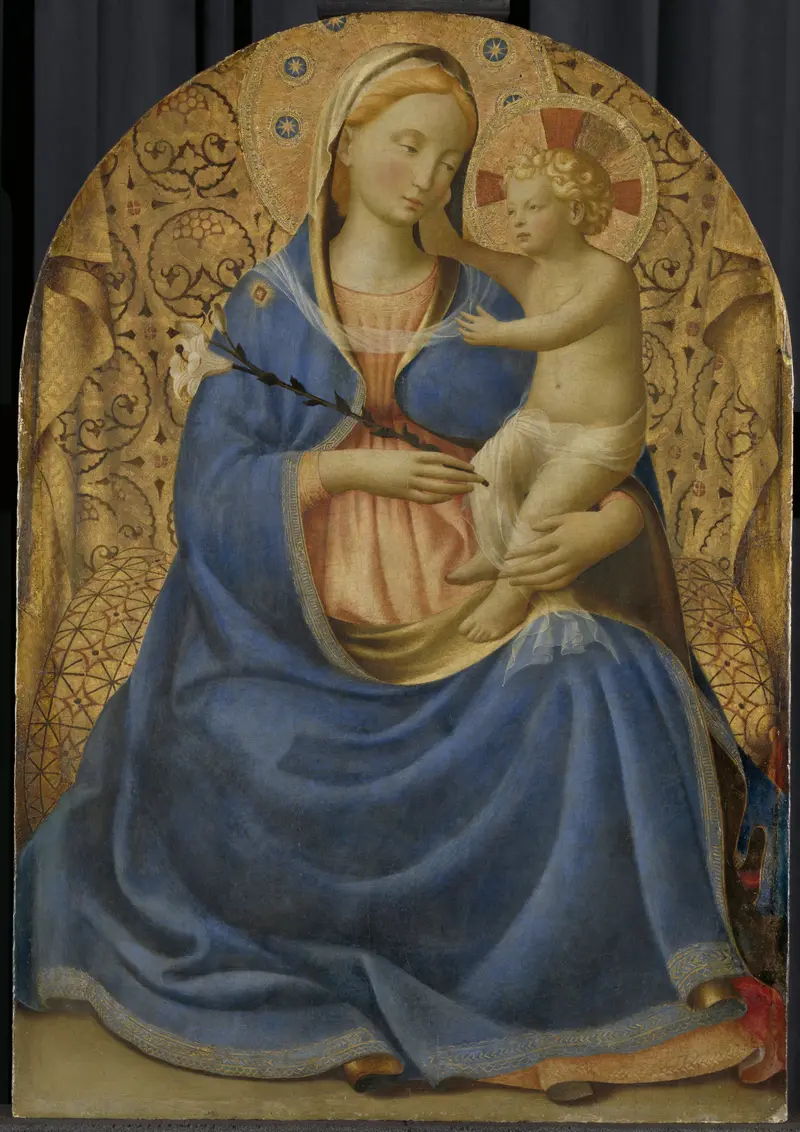
Madonna of Humility
Fra Angelico
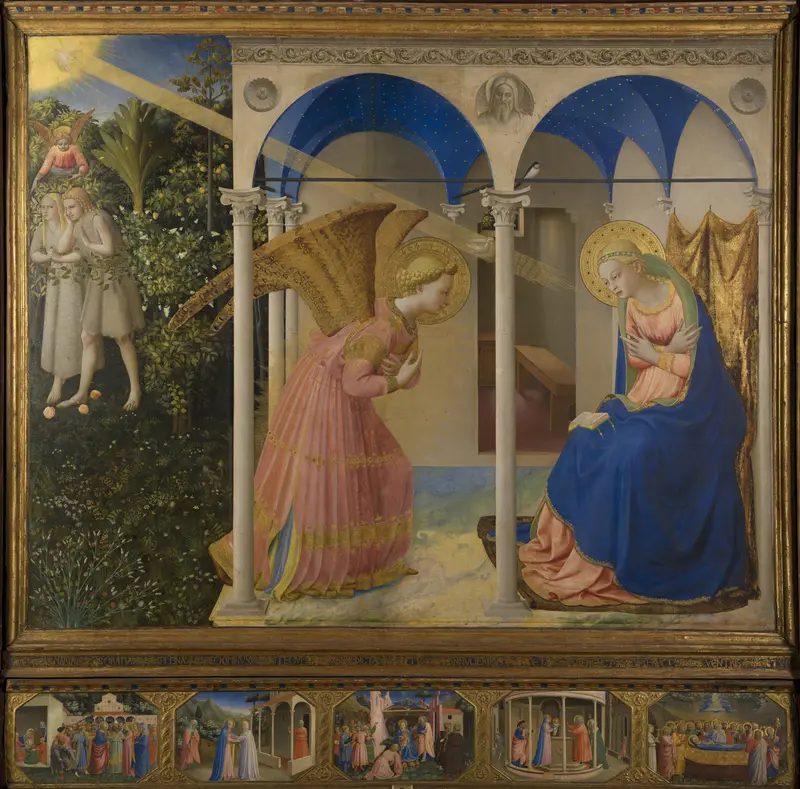
The Annunciation
Fra Angelico

Saint Anthony Abbot
Fra Angelico





