
Pesteil Chateau at Polminhac — History & Facts
In the vast expanse of existence, loneliness often whispers the loudest truths, beckoning us to look closer. Look to the center of the painting, where the imposing chateau rises against a backdrop of muted greens and soft blues. The architecture stands resolute yet solitary, its weathered stones reflecting a history long forgotten. Notice the delicate brushwork that captures the gentle sway of the grass, and how the light dances hesitantly across the surface, bathing the scene in a quiet melancholy.
Every stroke seems imbued with whispers of time, drawing the viewer into its contemplative embrace. As you take in the entire composition, a sense of isolation unfolds. The chateau's grandeur contrasts sharply with the stillness surrounding it, hinting at stories of former lives and unfulfilled dreams. The soft, diffused light that envelops the scene evokes an aura of introspection, while the broad, empty spaces around the structure amplify its loneliness.
This juxtaposition speaks to the heart of human experience - the yearning for connection amid the vastness of solitude. Eugène Isabey painted this work in 1832, during a period marked by significant artistic and social change in France. The Romantic movement was on the rise, emphasizing emotion and individualism, as artists sought to capture the sublime in nature. Isabey, navigating his own artistic journey, was influenced by these currents, using this painting to convey a poignant sense of solitude amidst the shifting cultural landscape.
More Artworks by Eugène Isabey
Browse all →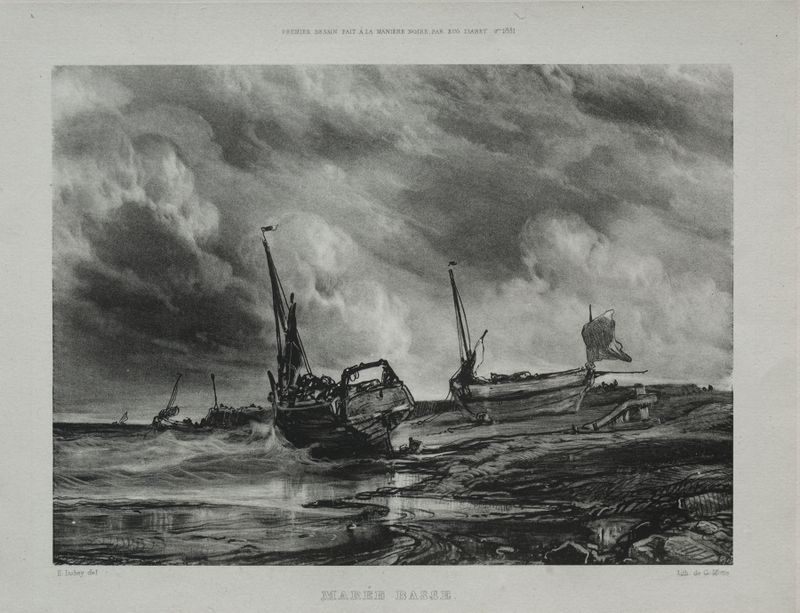
Marée basse
Eugène Isabey

Shipwreck
Eugène Isabey

Shipwreck
Eugène Isabey

The Wreck
Eugène Isabey
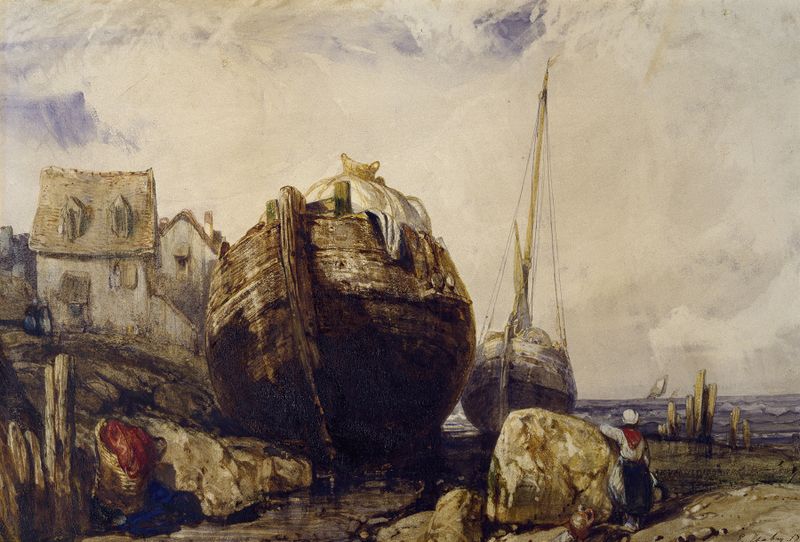
Fishing Boats
Eugène Isabey
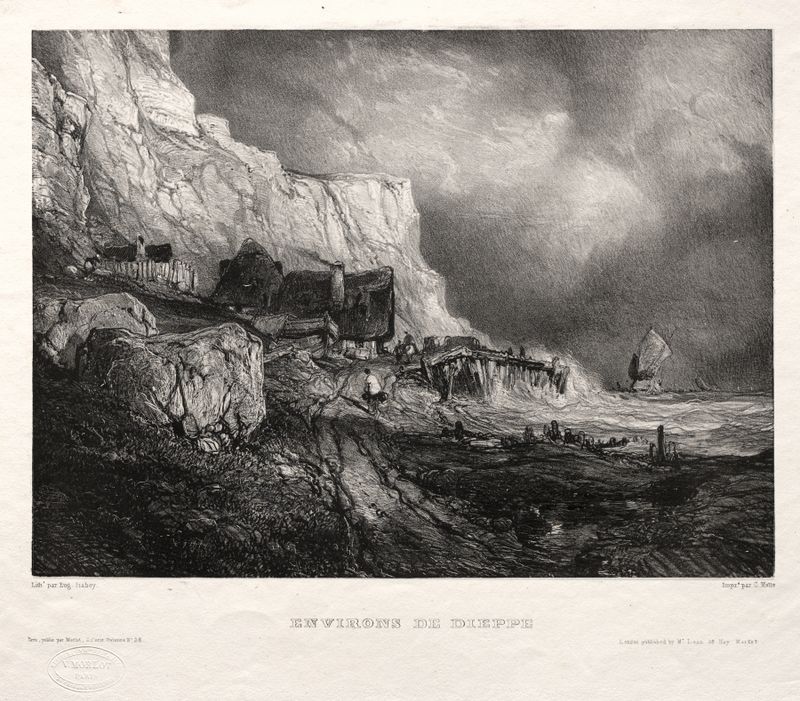
Environs de Dieppe
Eugène Isabey
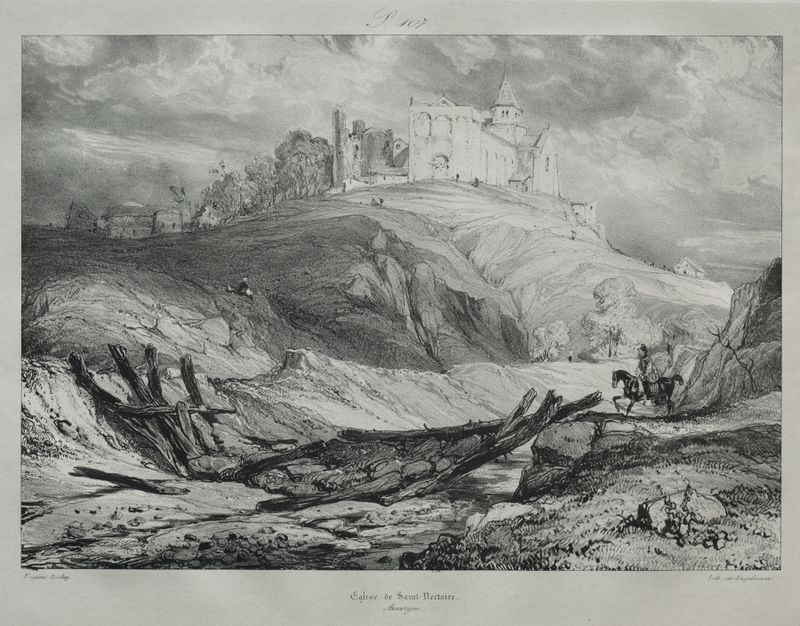
Église de St. Nectaire
Eugène Isabey

Fishing boat at the seaside
Eugène Isabey

Sunset on the Normandy Coast
Eugène Isabey
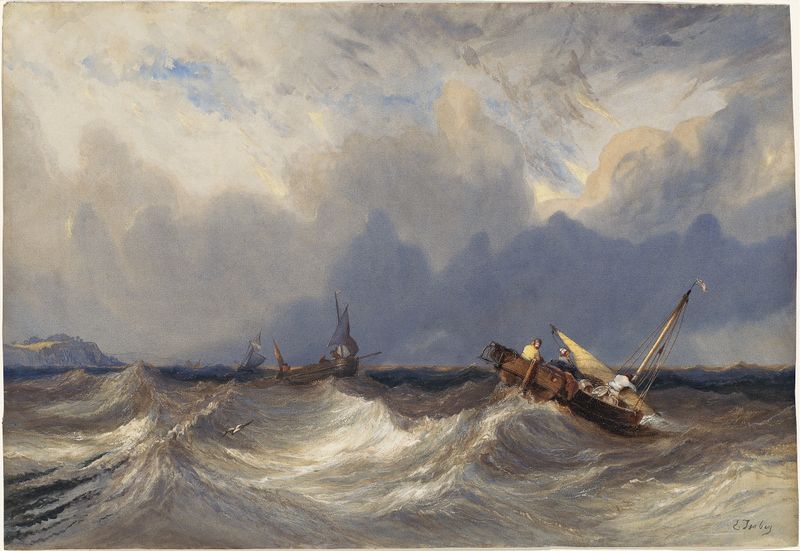
Fishing Boats Tossed before a Storm
Eugène Isabey





