
Pileated Woodpecker — History & Facts
What first catches the eye in Pileated Woodpecker is the electric shock of red crests, spiking out against a pale, almost clinical background. Four birds animate a battered tree, each caught in a different act—one with a caterpillar seized in its beak, another clinging to the bark, two more locked in a moment of sharp exchange. The vine curling through the scene, heavy with clusters of dark berries, pulls the composition together, its leaves and fruit as carefully rendered as the birds themselves.
Every feather is articulated, every claw gripping the wood with purpose, so the viewer feels not just the appearance but the urgency of these lives. This plate belongs to a world in which nature was being catalogued with a fervor bordering on obsession. Between 1827 and 1838, John James Audubon created his monumental Birds of America, a project that would set the standard for wildlife illustration. These works were not made for idle admiration: they were scientific, intended for collectors, naturalists, and libraries eager to possess the New World's wonders in paper form.
The University of Pittsburgh now holds this plate, a testament to the era’s hunger for knowledge and beauty. Look again at the woodpeckers’ eyes—alert, almost defiant—and you sense the restless energy that drove both artist and subject.
More Artworks by John James Audubon
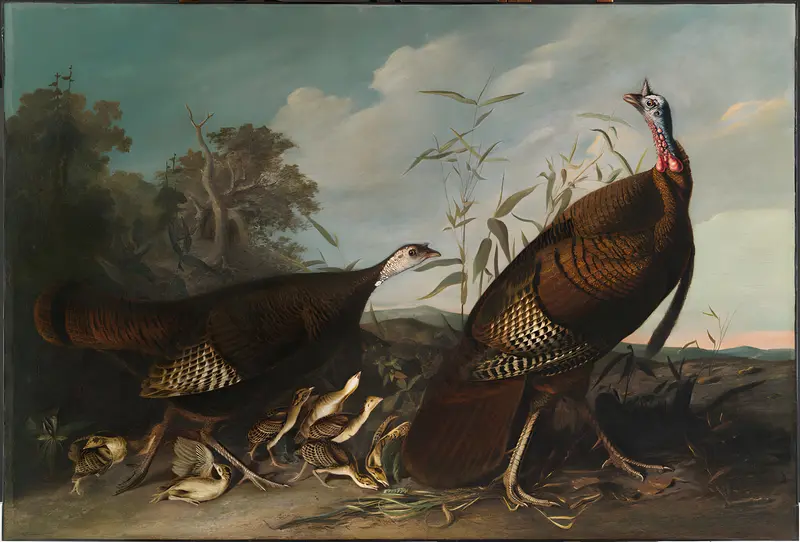
Wild Turkey Cock, Hen, and Chicks
John James Audubon
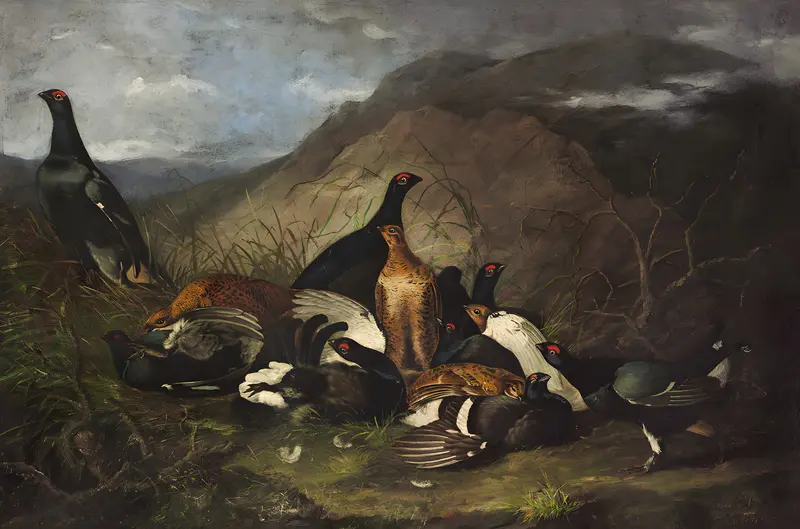
Scottish Black Grouse, Cocks and Hens
John James Audubon
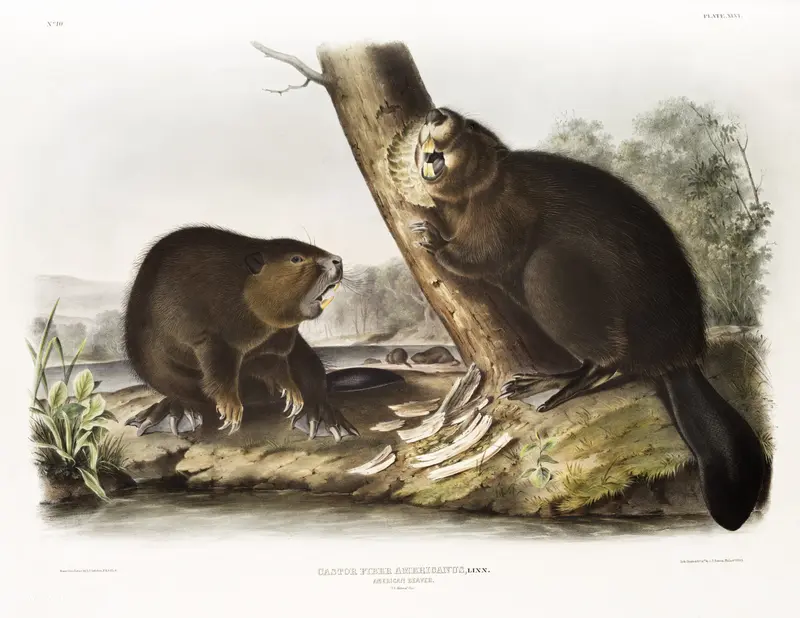
American Beaver
John James Audubon
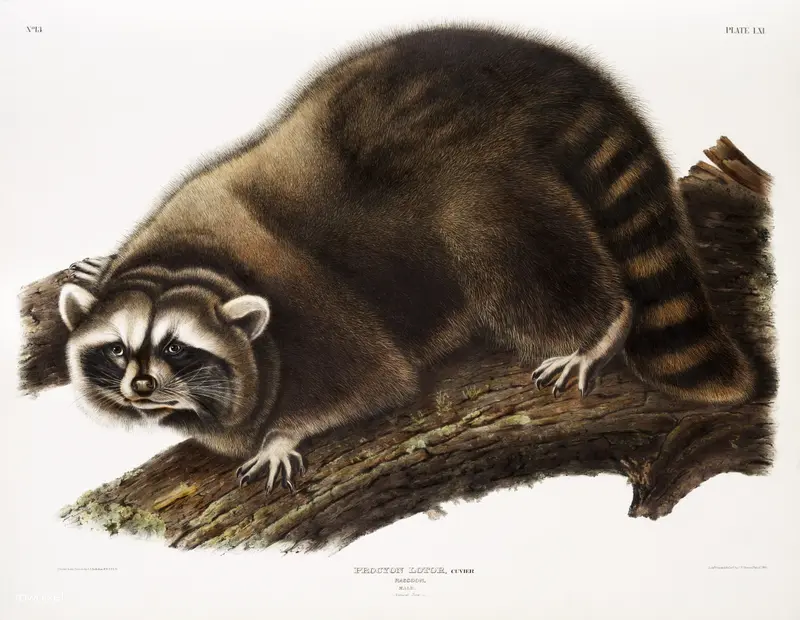
Raccoon
John James Audubon

Magnificent Frigatebird
John James Audubon
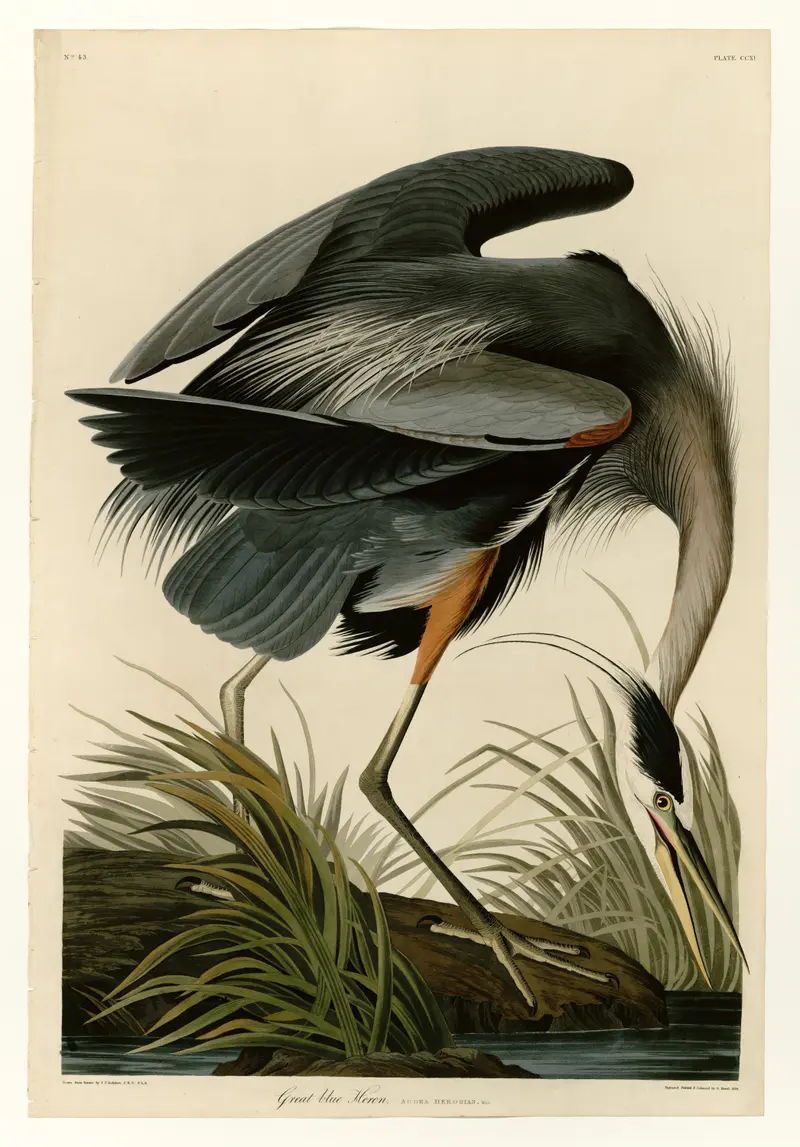
Great Blue Heron
John James Audubon
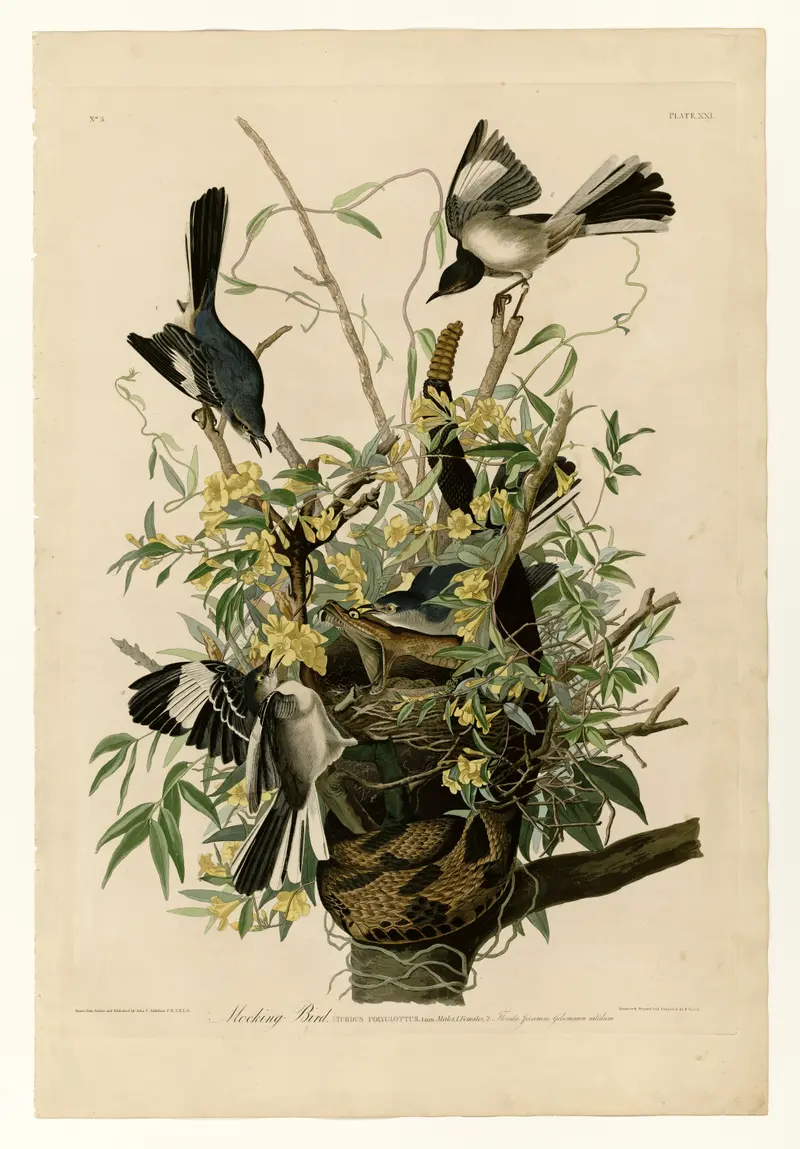
Northern Mockingbird
John James Audubon
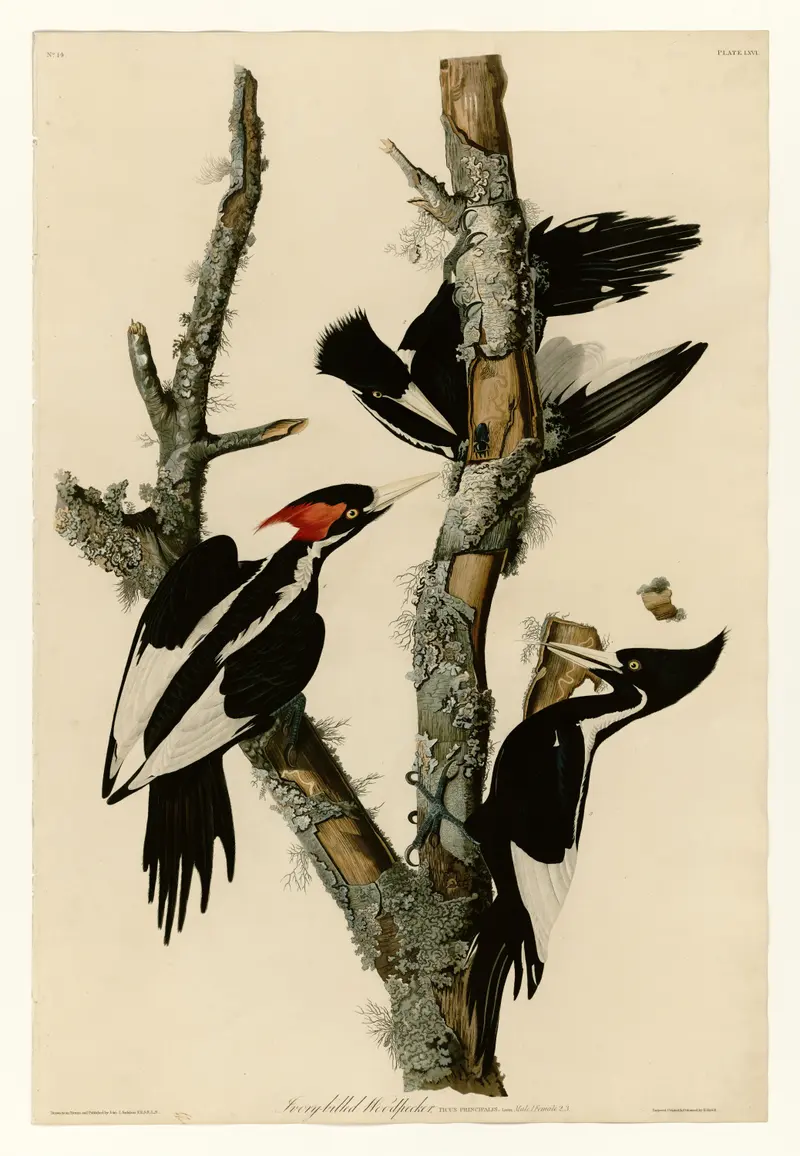
Ivory-billed Woodpecker
John James Audubon
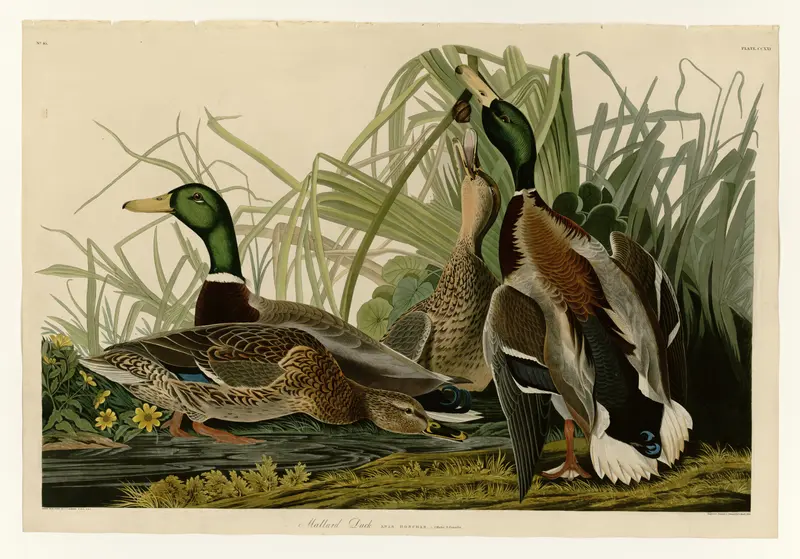
Mallard
John James Audubon
Ruby-throated Hummingbird
John James Audubon





