
Pirate’s Isle — History & Facts
What if beauty was never meant to be finished? The ache of loss lingers in the air, weaving through every brushstroke, inviting us to confront what is left behind. Focus on the left where the rugged coastline juts boldly into the serene sea, a sharp contrast to the soft hues of the sky. The light dances upon the water, casting shimmering reflections that suggest both tranquility and turmoil. Notice how the solitary figure stands at the edge of the cliff, gazing into the horizon, embodying a sense of longing.
The composition draws you in with its layers of depth, blending muted earth tones with ethereal blues, as if nature itself is mourning. In this scene, the juxtaposition of the wild landscape against the figure’s stillness speaks to the universal experience of grief. The untouched beauty of the island evokes a sense of nostalgia, hinting at memories lost yet cherished. Each wave crashing against the rocks echoes the tumultuous emotions within, while the distant horizon represents unfulfilled dreams and unresolved journeys, inviting viewers to reflect on their own encounters with sorrow. David Cox painted this evocative work in 1826, during a period marked by personal and artistic exploration.
At this time, he was immersed in the Romantic movement, which celebrated the sublime and the emotional depths of nature. As he navigated his own complexities, Pirate’s Isle emerged not just as an image, but as a poignant meditation on beauty, loss, and the passage of time.
More Artworks by David Cox
Browse all →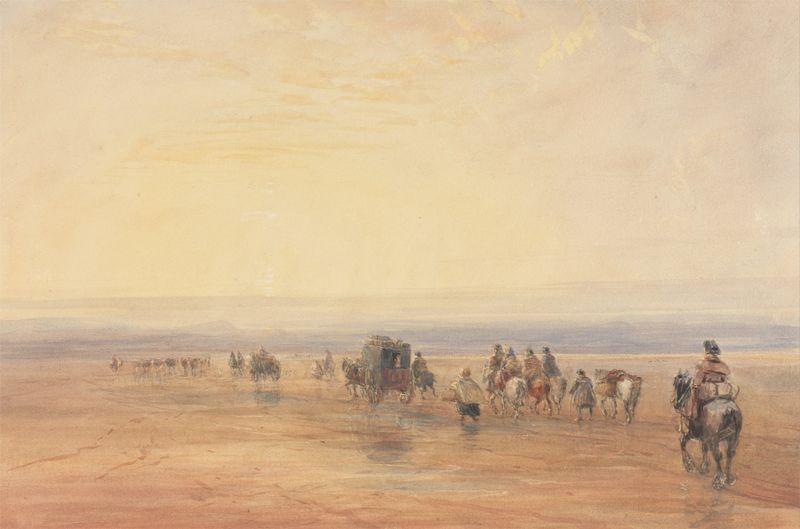
Crossing Lancaster Sands
David Cox
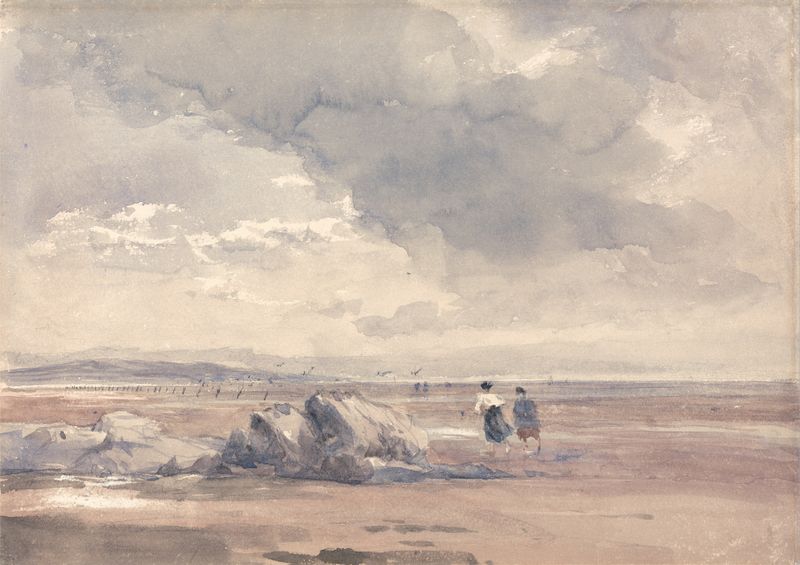
On Lancaster Sands, Low Tide
David Cox

Lincoln Cathedral from Brayford Pool
David Cox

View in Wales
David Cox
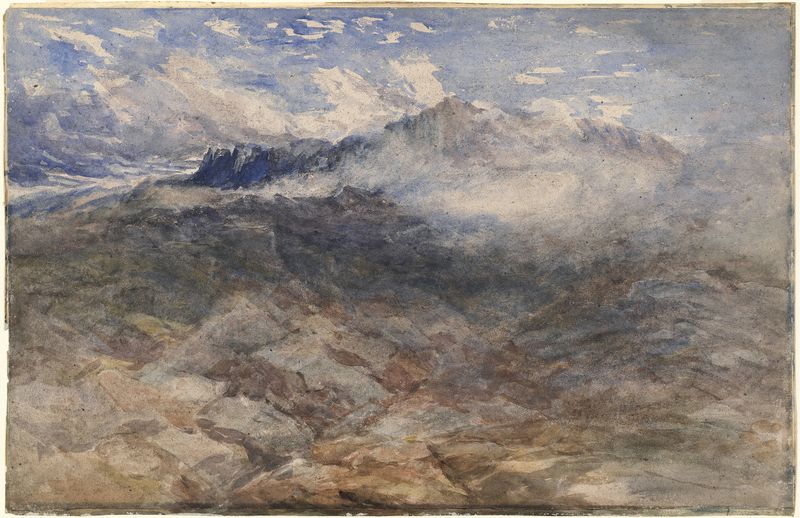
Mountain Heights, Cader Idris
David Cox

Bergen op Zoom
David Cox

Boating Before Lambeth Palace, London
David Cox
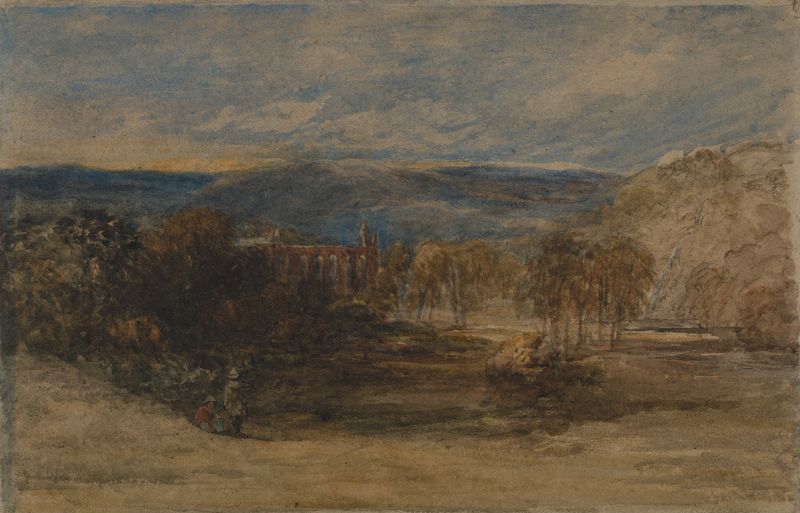
Bolton Abbey
David Cox

London Bridge
David Cox
Westminster from Lambeth
David Cox





