
Polyptych of Saint Ursula — History & Facts
The eye is immediately drawn to the central figure crowned with delicate authority, flanked by a retinue of maidens and banners that ripple with the red cross of Saint George. The gold ground glows behind them, not just as a symbol of the heavenly realm, but as a stage that lifts these figures out of time. Each attendant’s gaze and gesture is carefully choreographed—some look to Saint Ursula, others to the viewer, their hands folded in prayer or raised in gentle support.
The symmetry and calm of the composition suggest a moment of triumph and sanctity, while the subtle variations in dress and color invite the viewer to linger on the individuality of each figure. The side panels, with their solitary saints holding key and book, anchor the narrative with a quiet gravity. Created in 1440, this Polyptych of Saint Ursula by Antonio Vivarini belongs to a world where altarpieces were the heart of devotion and storytelling in paint was a sacred craft. Such works were often commissioned by confraternities or churches eager to celebrate their patron saints and inspire the faithful with tales of virtue and martyrdom.
The gilded backgrounds and formal poses reflect the lingering influence of Byzantine icon tradition, yet the gentle modeling of faces and the soft fall of drapery speak to the new humanism stirring in early Renaissance Venice. History has kept few traces of this specific polyptych’s journey, but its survival offers a rare window into the hopes and artistry of its age—inviting us to read its silent pageant anew with every viewing.
More Artworks by Antonio Vivarini

St. Louis of Toulouse
Antonio Vivarini
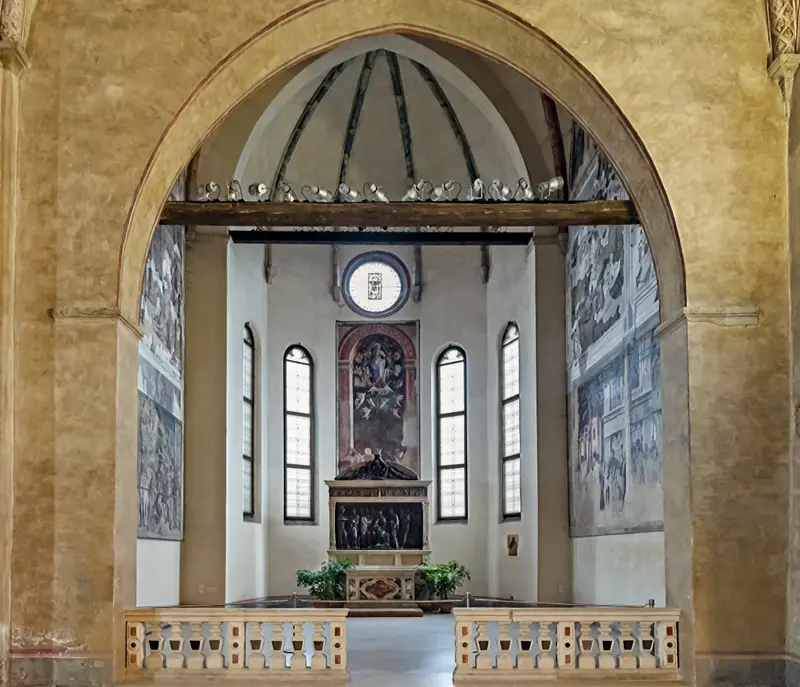
Ovetari Chapel
Antonio Vivarini
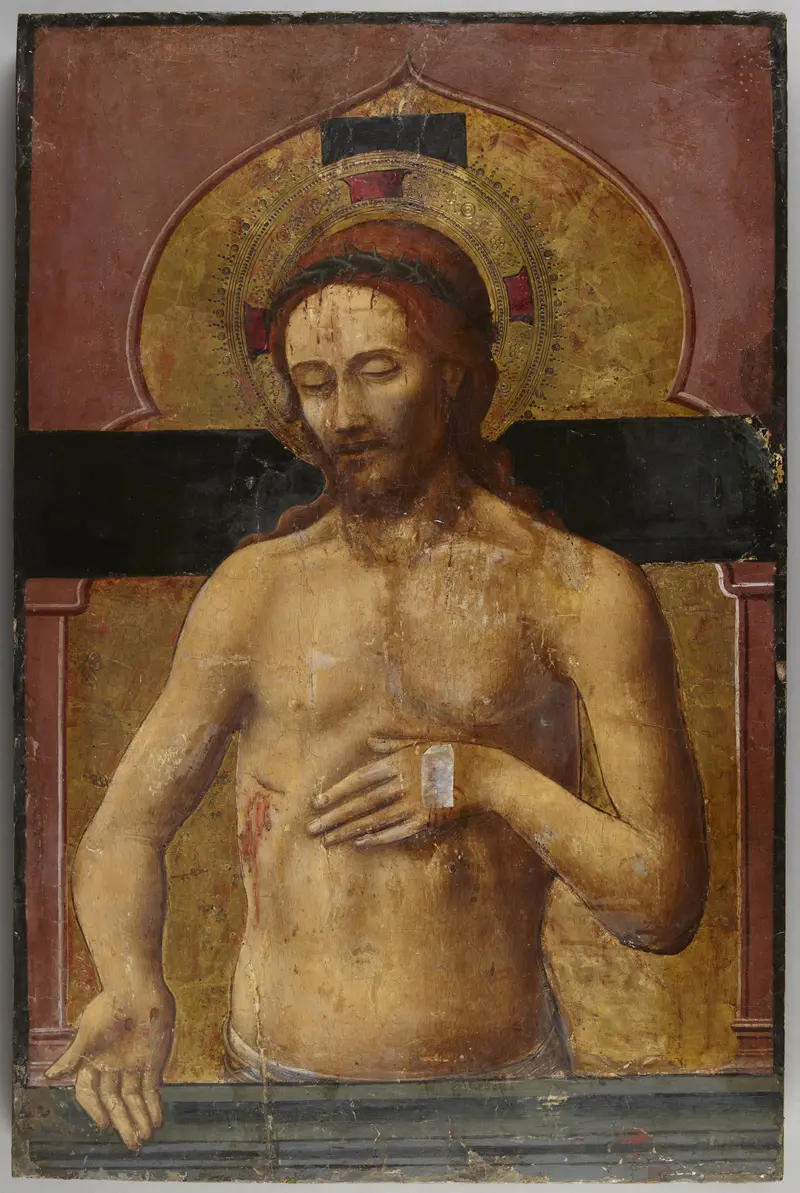
Christ in the Tomb
Antonio Vivarini
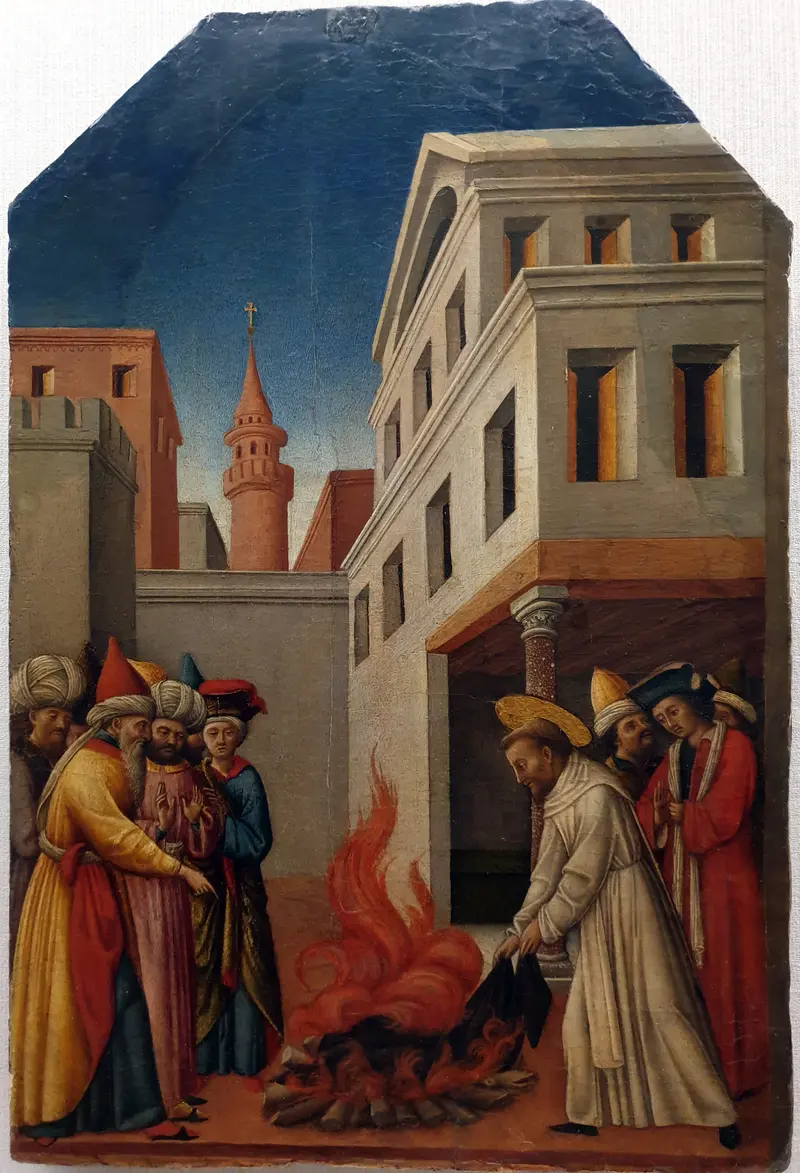
Miracle of the fire of Petrus Martyr
Antonio Vivarini
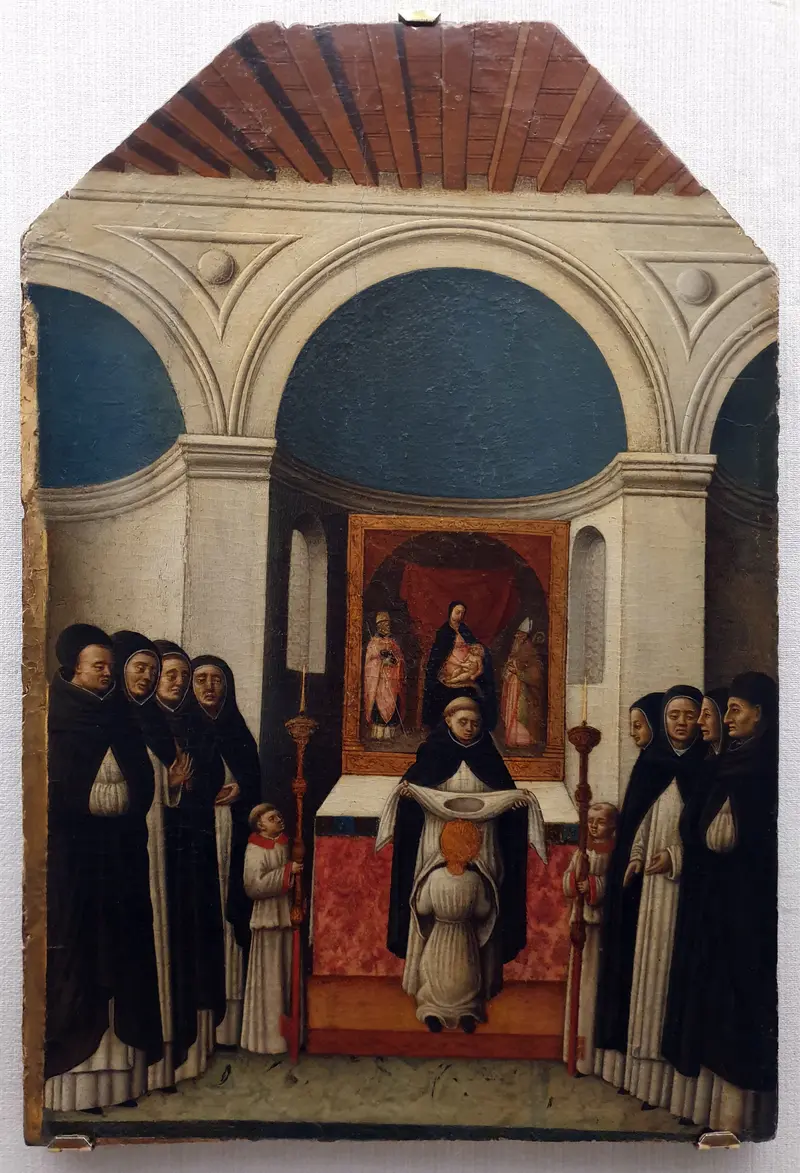
The Saint's Investiture upon His Entry into the Dominican Order
Antonio Vivarini
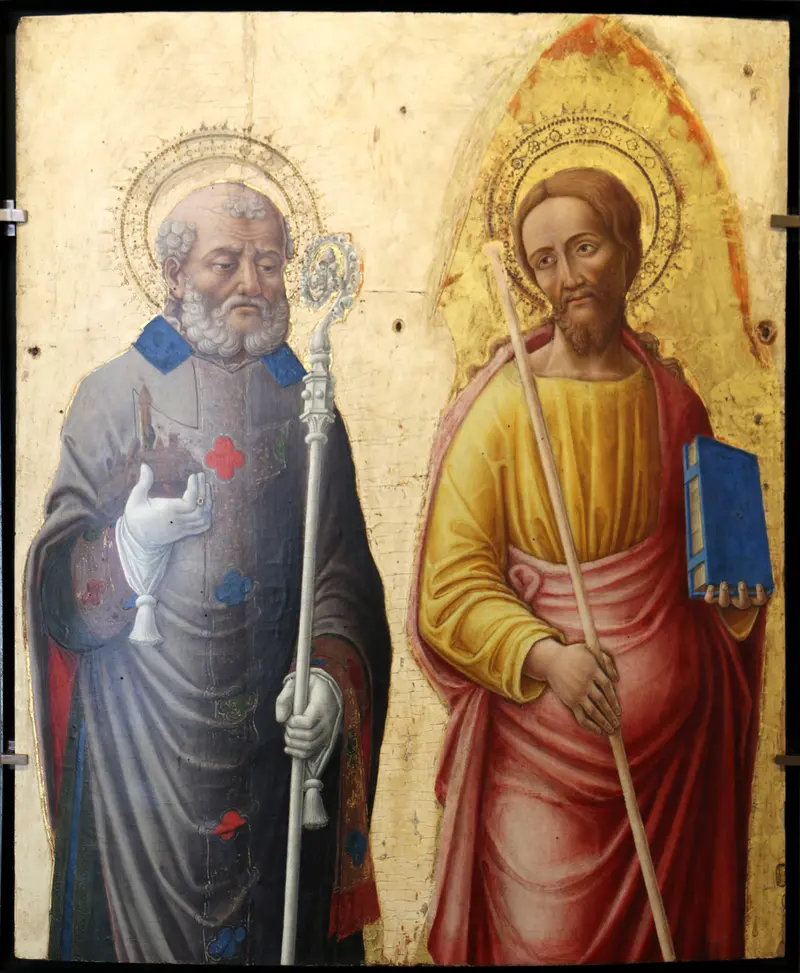
Vivarini saints Pétrone et Jacques
Antonio Vivarini
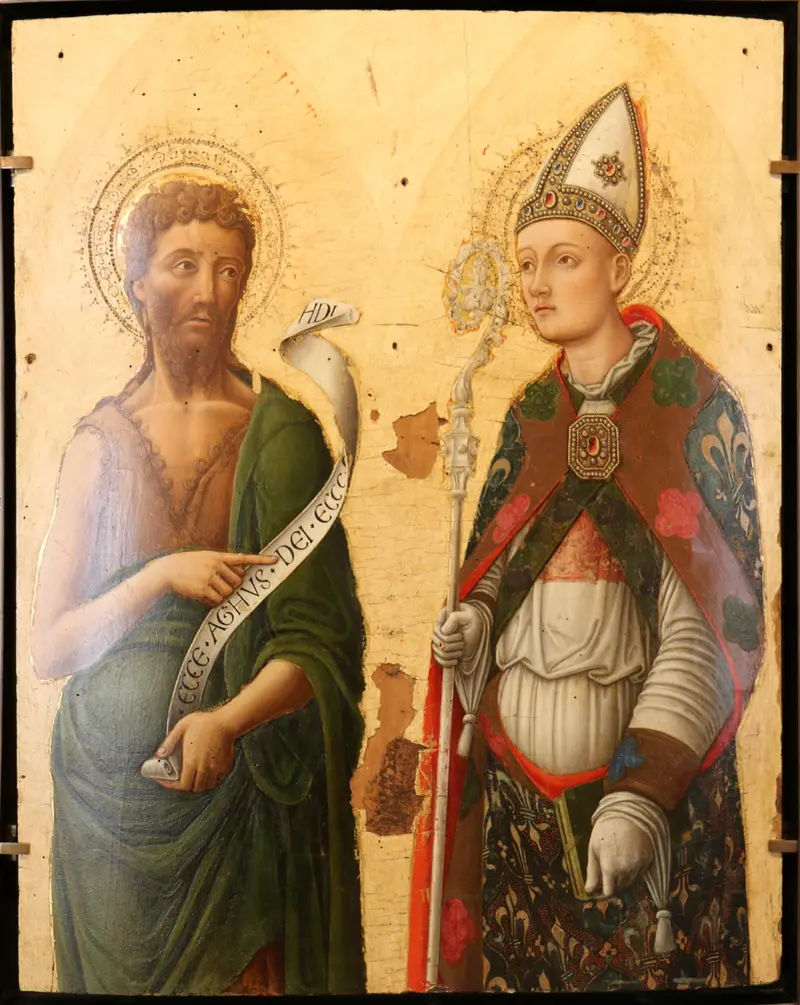
Vivarini Saint Jean Baptiste et saint Louis de Toulouse
Antonio Vivarini
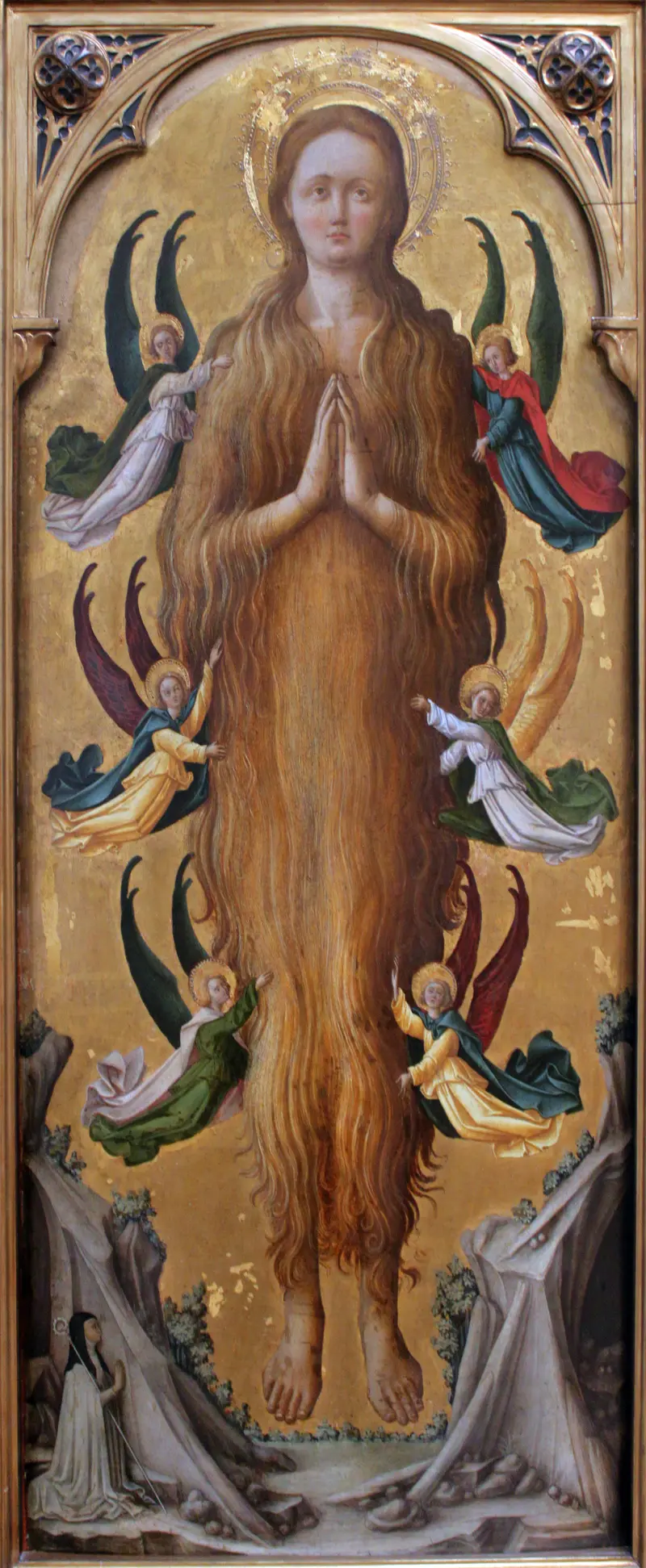
The holy Mary Magdalene, borne aloft by angels
Antonio Vivarini
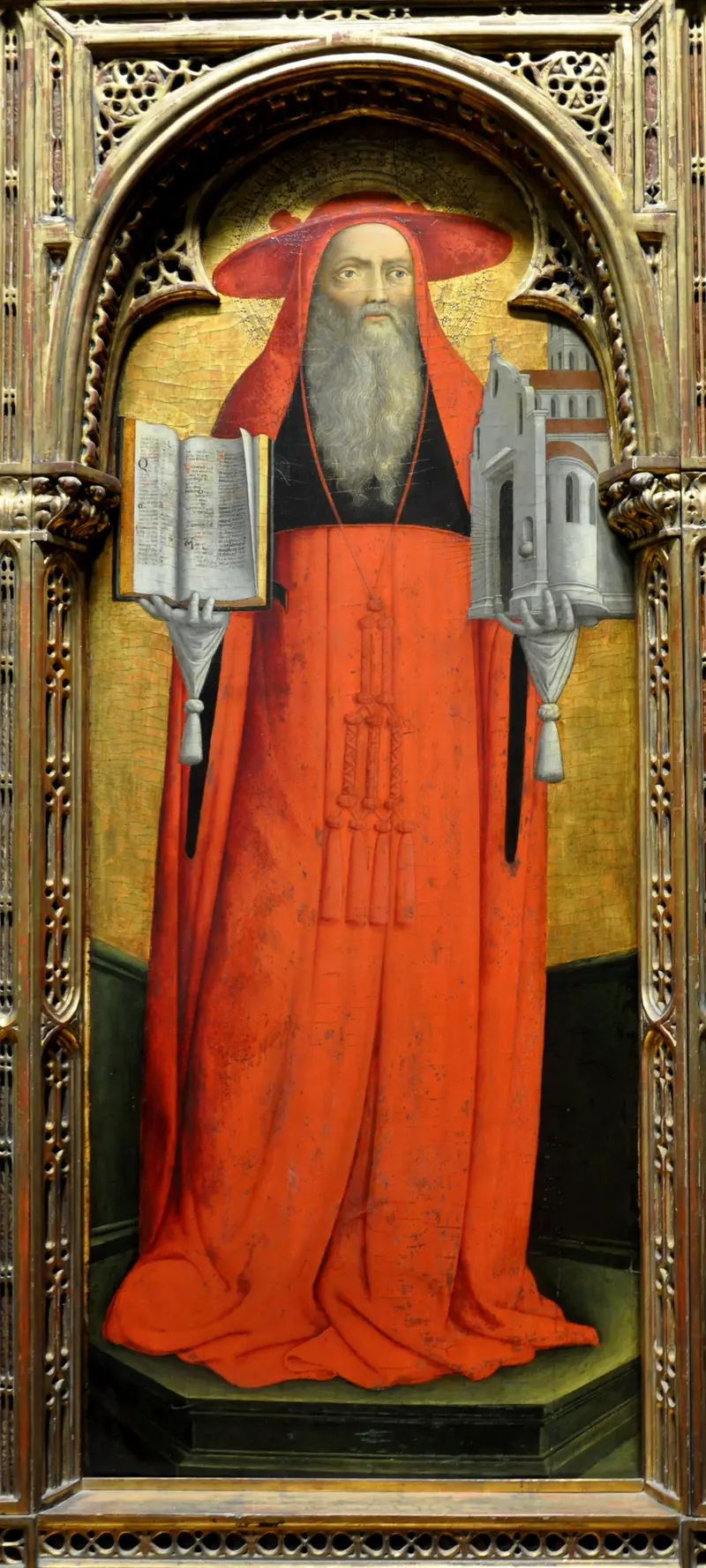
Hieronymus Altar KHM 2
Antonio Vivarini
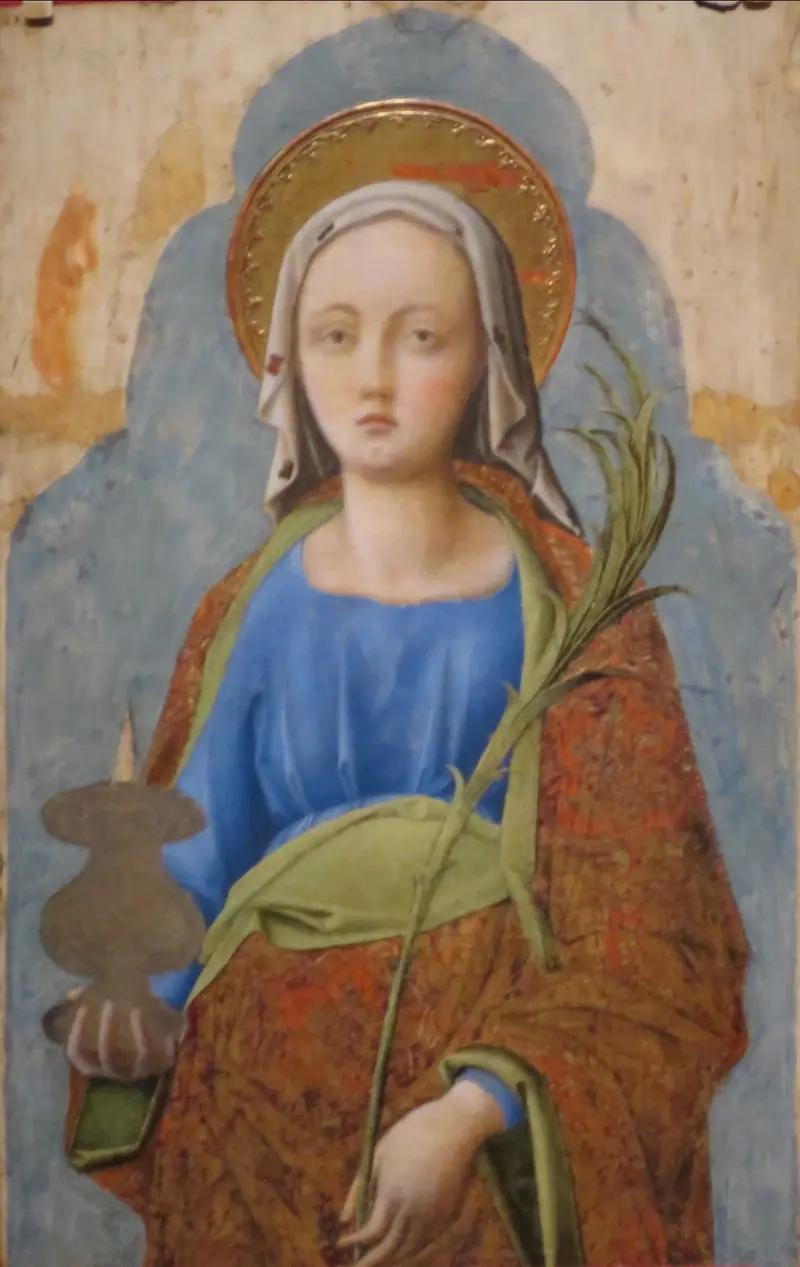
Saint Lucy
Antonio Vivarini





