
Portrait de l'artiste par lui-même (à 29 ans) — History & Facts
Few artists have faced the jury of the Prix de Rome with as much self-assurance as Alexandre Cabanel did in 1850, and it is this very confidence that radiates from his Portrait de l'artiste par lui-même (à 29 ans). Painted the same year he won the prestigious scholarship, this self-portrait captures a young artist on the brink of national recognition, poised between the academic traditions of his training and the promise of an independent career. The painting stands as a testament to Cabanel’s ambition at a moment when the French art world was fiercely competitive, and the École des Beaux-Arts was shaping the next generation of painters.
It is rare for a self-portrait to so clearly mark a turning point in an artist’s life. Cabanel presents himself with direct, searching eyes, his head turned slightly as if caught mid-thought. The dark, almost velvety background throws the pale oval of his face and the crisp white of his collar into sharp relief, focusing attention on his features: the determined set of the mouth, the carefully groomed hair, the hand resting lightly, perhaps nervously, on a portfolio or table. Every detail—the fine brushwork of the beard, the subtle modeling of the cheekbones—speaks to his academic training, yet there is a frankness and immediacy that sets it apart from the more formal self-portraits of his contemporaries, such as Ingres.
This is not a man posing for posterity, but an artist scrutinizing himself at a crossroads, aware of the weight of tradition but eager to make his own mark. The exact early history of this painting is not fully documented, but self-portraits like this were often kept by their creators as personal records or shown to patrons as proof of skill. Cabanel would soon leave for Rome, where his style would evolve in dialogue with both the Old Masters and the changing tastes of the Second Empire. Today, Portrait de l'artiste par lui-même (à 29 ans) stands as one of the earliest surviving self-images of Cabanel, offering a glimpse of the artist before his rise to fame as a favorite of Napoleon III and a pillar of the Academic movement.
Its survival allows viewers to encounter the young man behind the celebrated canvases of later decades.
More Artworks by Alexandre Cabanel
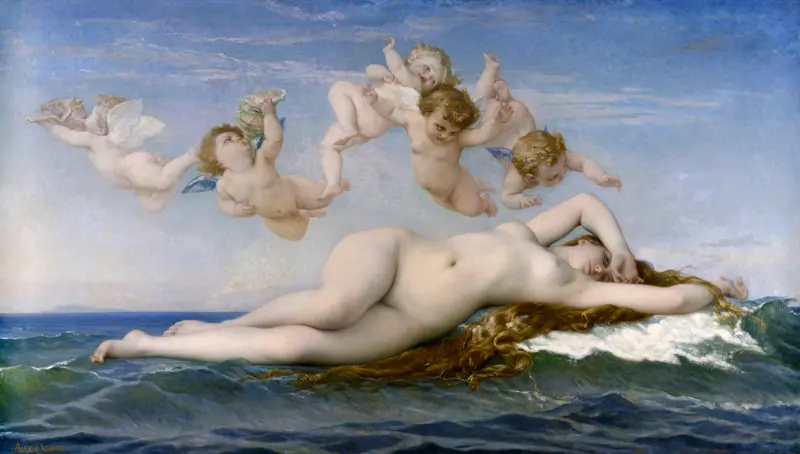
The Birth of Venus
Alexandre Cabanel
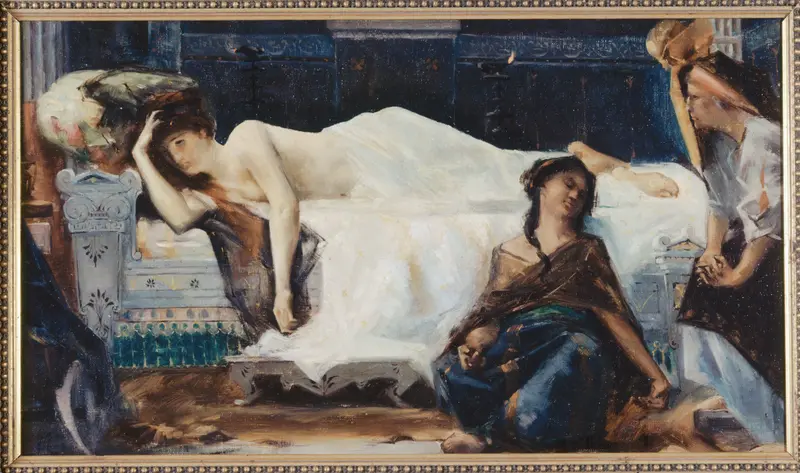
Phèdre
Alexandre Cabanel
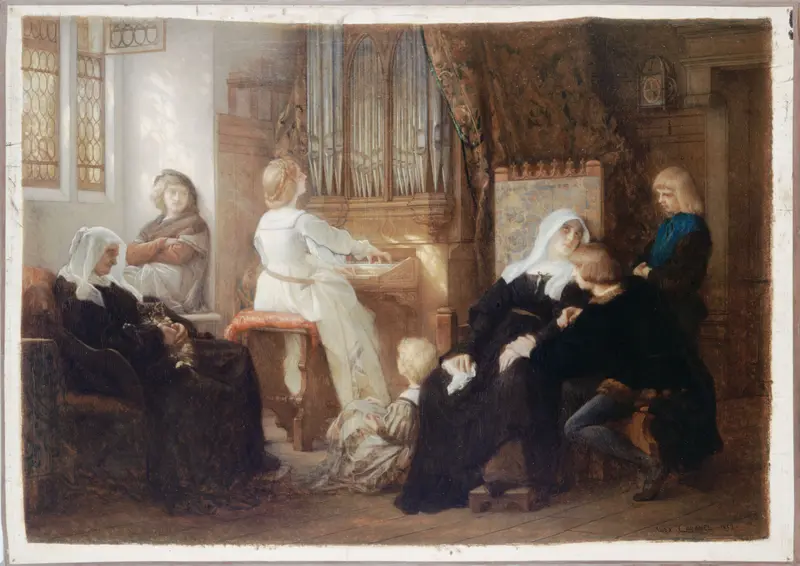
La veuve du maître de chapelle
Alexandre Cabanel
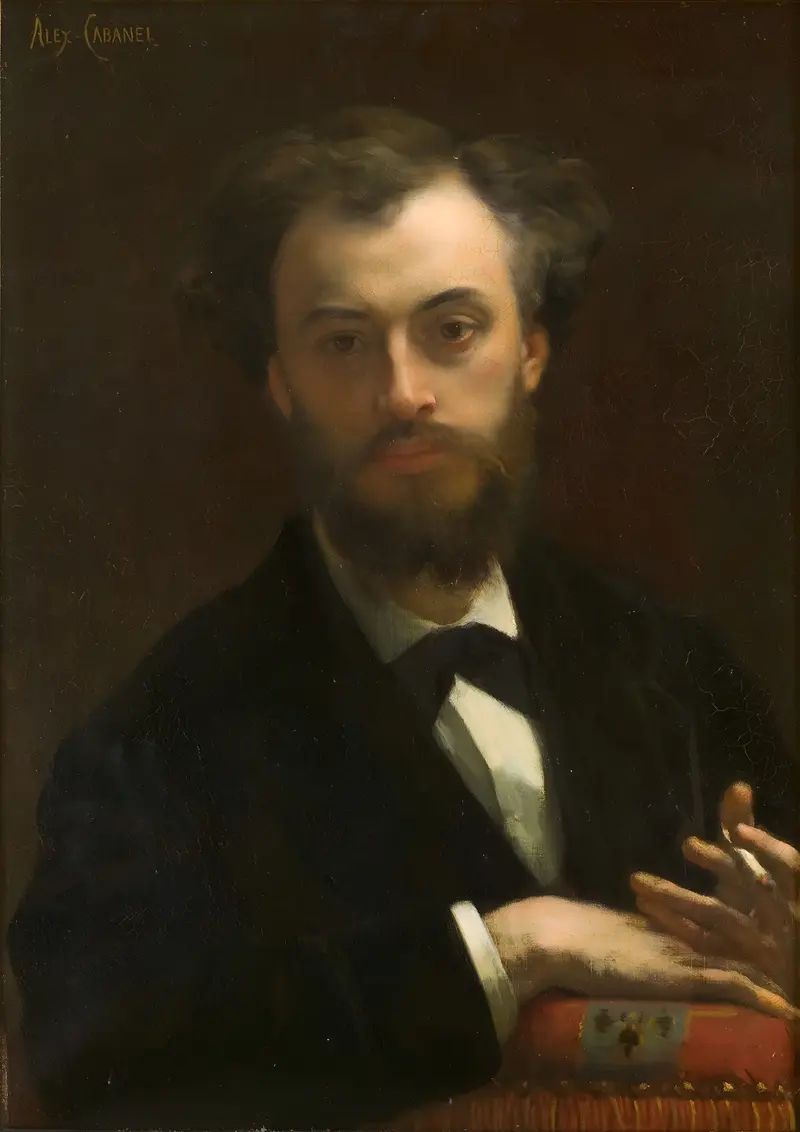
Portrait de M. Pierre Cabanel
Alexandre Cabanel
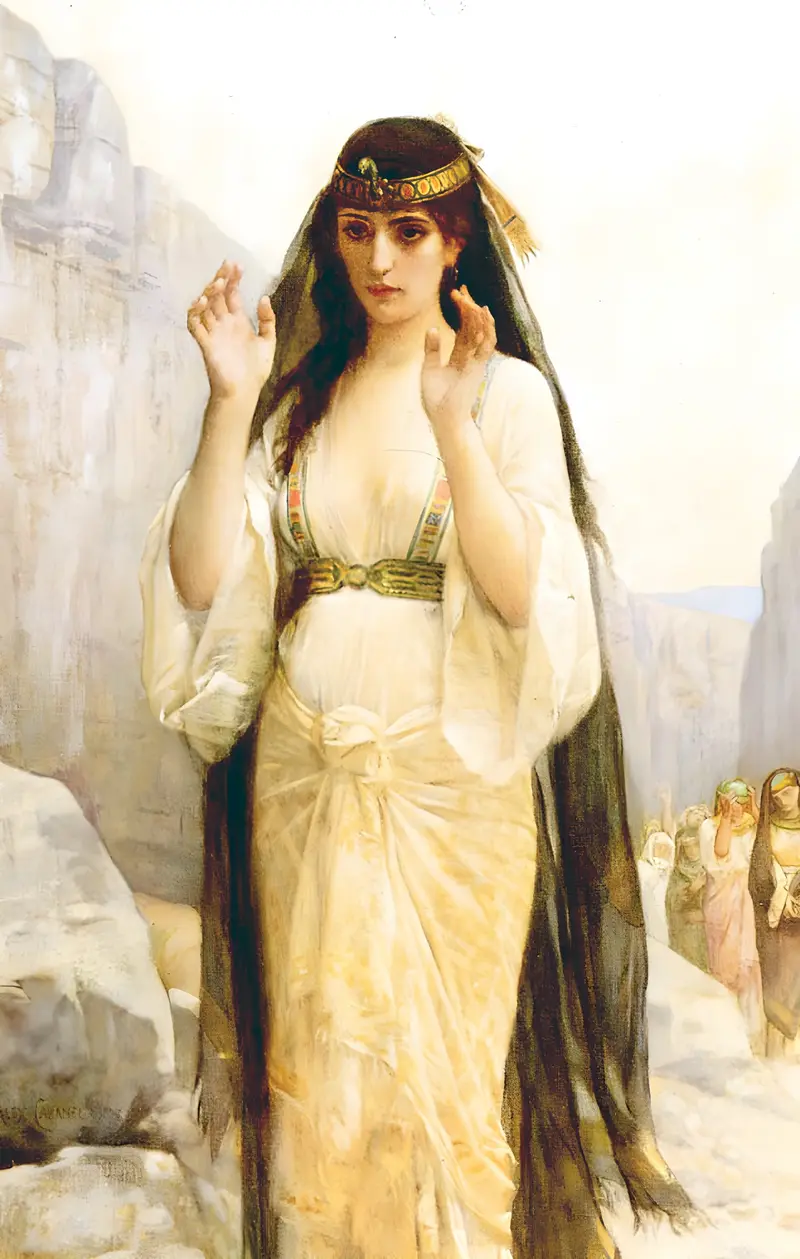
The Daughter of Jephthah
Alexandre Cabanel
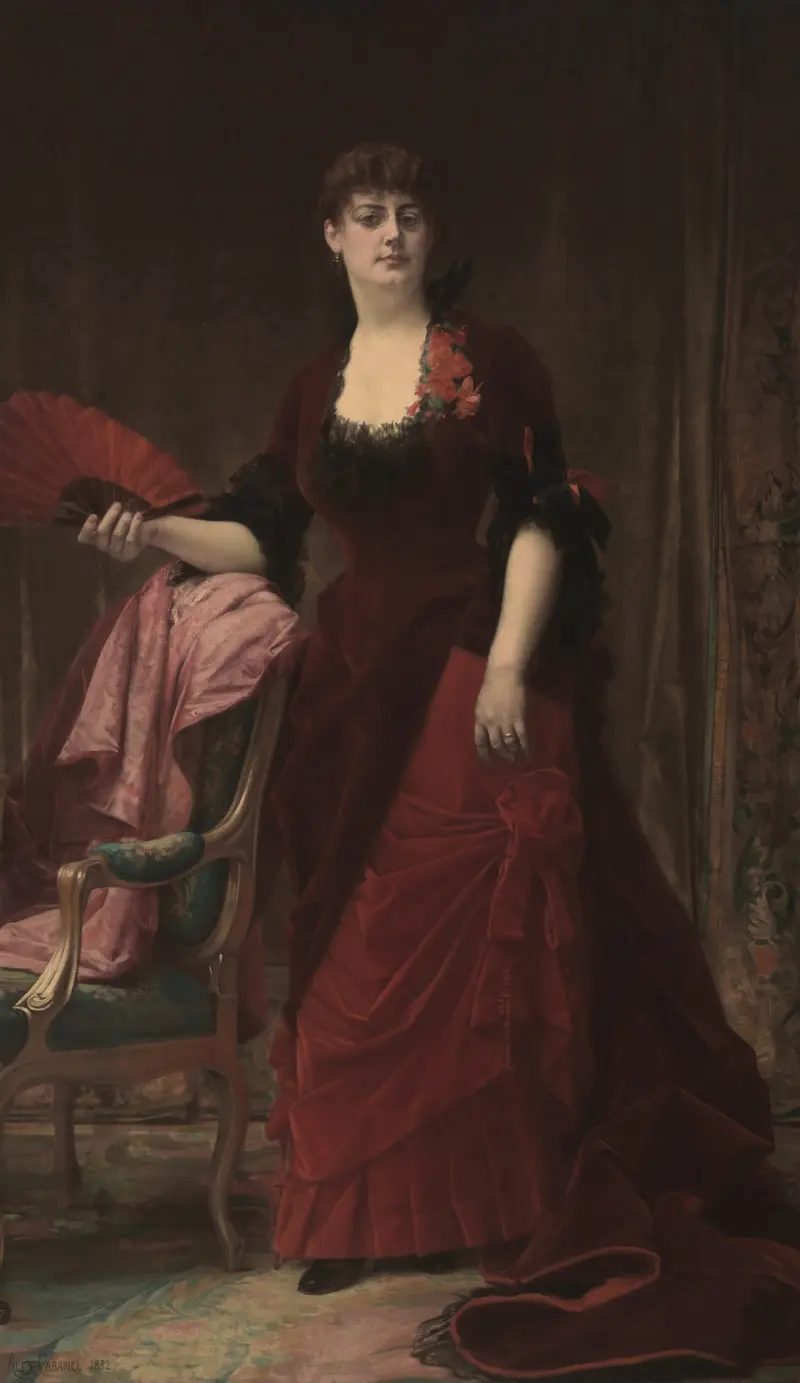
Portrait of Arabella Worsham (later Arabella Huntington)
Alexandre Cabanel
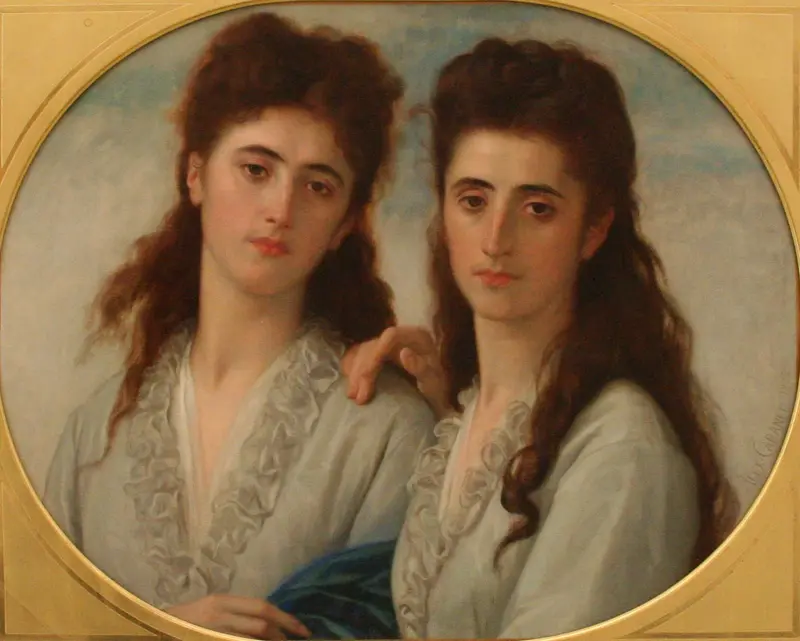
Portrait de mesdemoiselles Sophie et Berthe Cabanel
Alexandre Cabanel
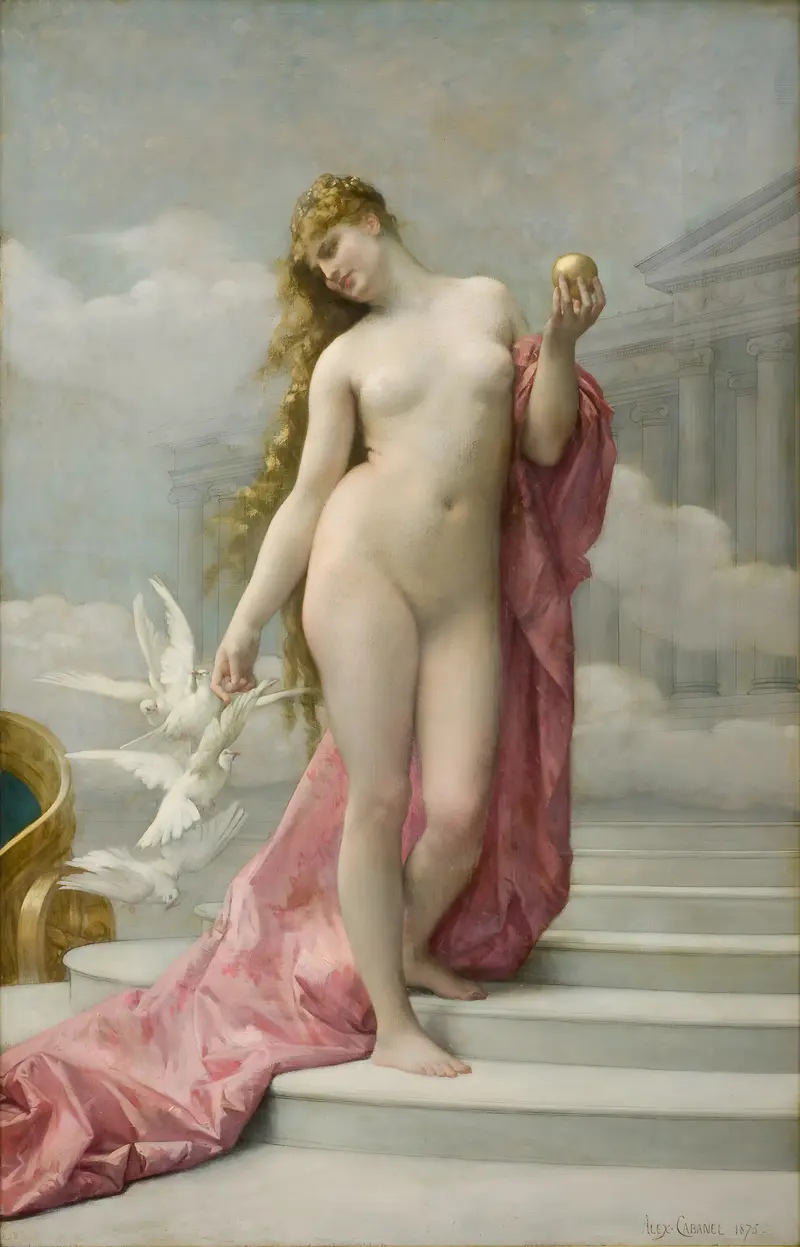
Vénus victorieuse
Alexandre Cabanel
Judith
Alexandre Cabanel
Catharine Lorillard Wolfe (1828–1887)
Alexandre Cabanel





