
Portrait de Madame de Senonnes — History & Facts
When Jean Auguste Dominique Ingres unveiled Portrait de Madame de Senonnes in 1814, Parisian society was abuzz not only with admiration for its beauty but with whispers about its subject: Marie-Geneviève-Marguerite Marcoz, a woman whose personal history was as layered as her luxurious velvet dress. The painting was commissioned after Madame de Senonnes, recently remarried and newly arrived in Paris from Italy, sought to assert her place in the city’s elite circles. Ingres, then a young artist still forging his reputation, seized the opportunity to showcase his skill in both likeness and opulence.
The result became one of the most celebrated portraits of his early career. Ingres captures Madame de Senonnes at the height of her confidence, reclining languidly on a divan, her body turned toward the viewer while her face glances away, lost in thought. The mirror behind her doubles her image, creating an effect both intimate and theatrical: she is present and yet elusive. The cascade of gold jewelry, the sensuous folds of her velvet gown, and the delicate transparency of her shawl all speak to her wealth and sophistication.
Her relaxed pose, with one arm draped over the back of the sofa and the other resting on her lap, suggests a woman both at ease and in command. Unlike the more formal, upright portraits by Jacques-Louis David, Ingres here introduces a note of sensuality and psychological depth, inviting the viewer to imagine the inner life of his sitter. The painting remained in the sitter’s family for decades before entering public collections, a testament to its personal significance and the affection it inspired. Today, Portrait de Madame de Senonnes is housed in the Musée des Beaux-Arts in Nantes, where it is considered a highlight of Ingres’s early period.
The work marks a turning point in the artist’s career, as he began to refine the luminous surfaces and elongated forms that would become his signature. While the precise details of its commission are known, the medium—likely oil on canvas—remains unrecorded in some catalogues, a small mystery for such a celebrated image. Its enduring allure lies in the balance between precise observation and idealized beauty that would define the best of Ingres’s later portraits.
More Artworks by Jean Auguste Dominique Ingres
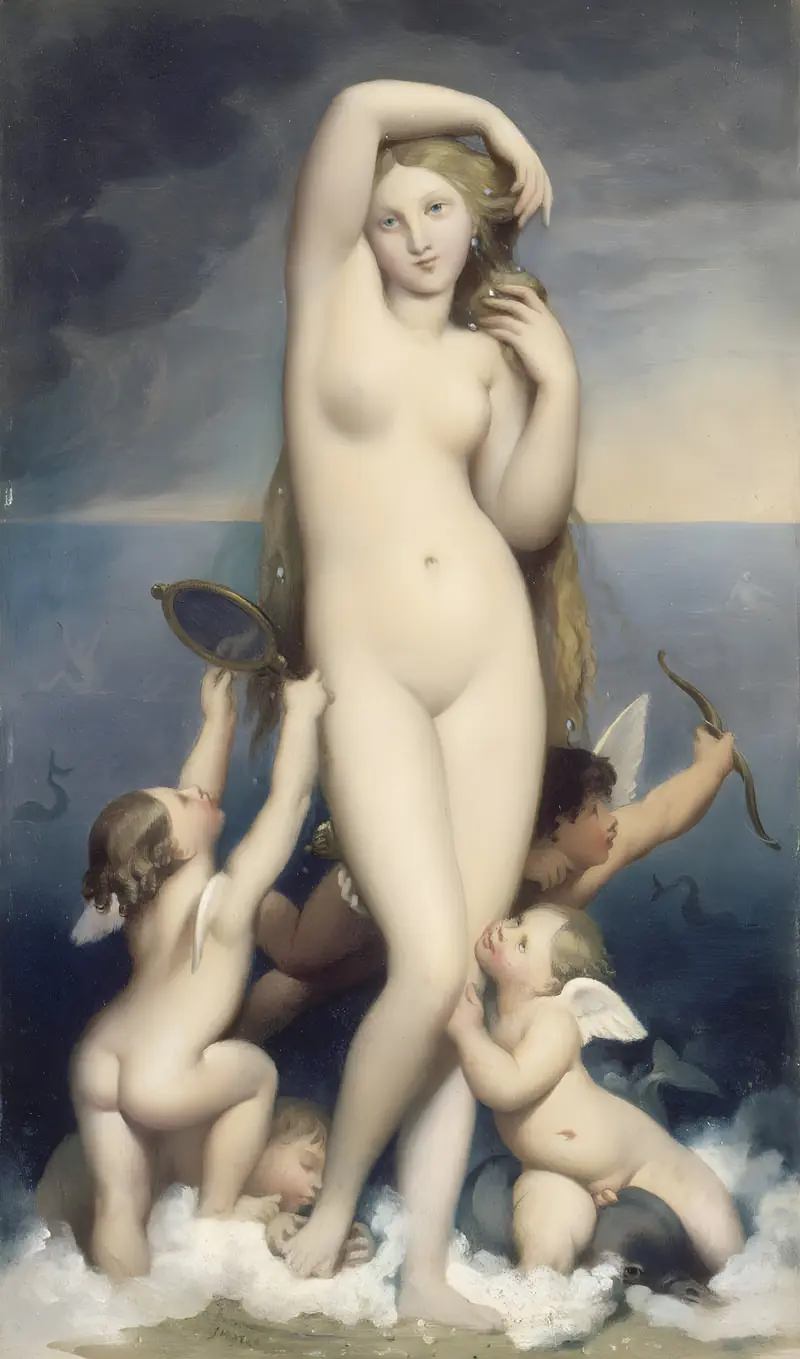
Vénus anadyomène
Jean Auguste Dominique Ingres
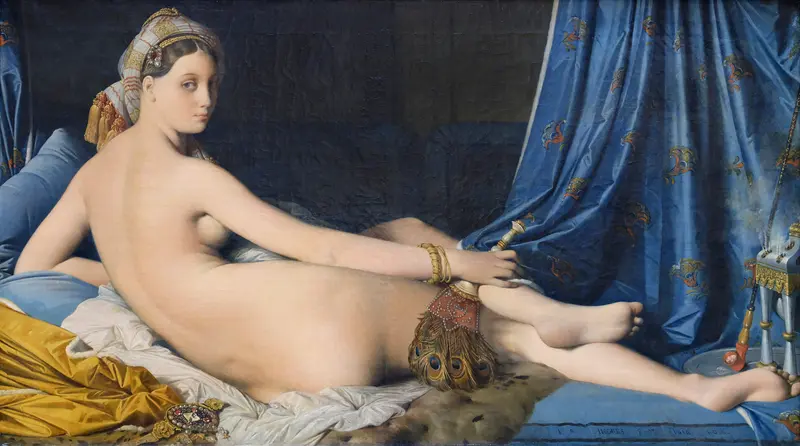
Grande Odalisque
Jean Auguste Dominique Ingres
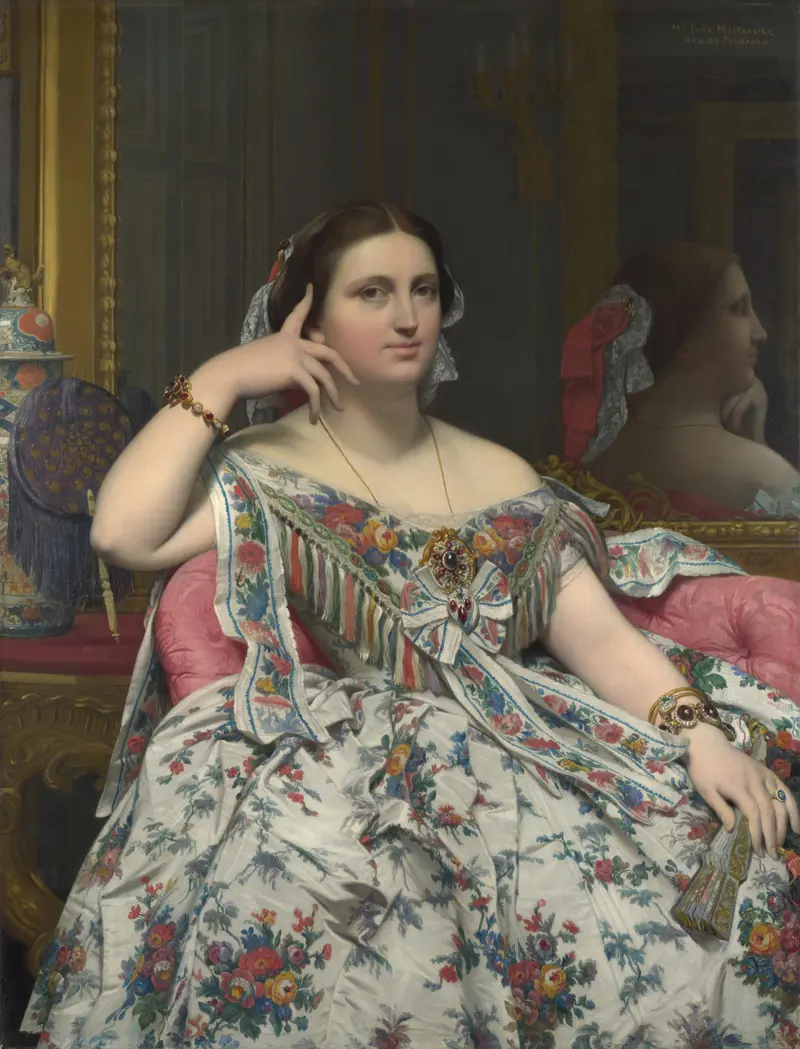
Madame Moitessier (seated)
Jean Auguste Dominique Ingres
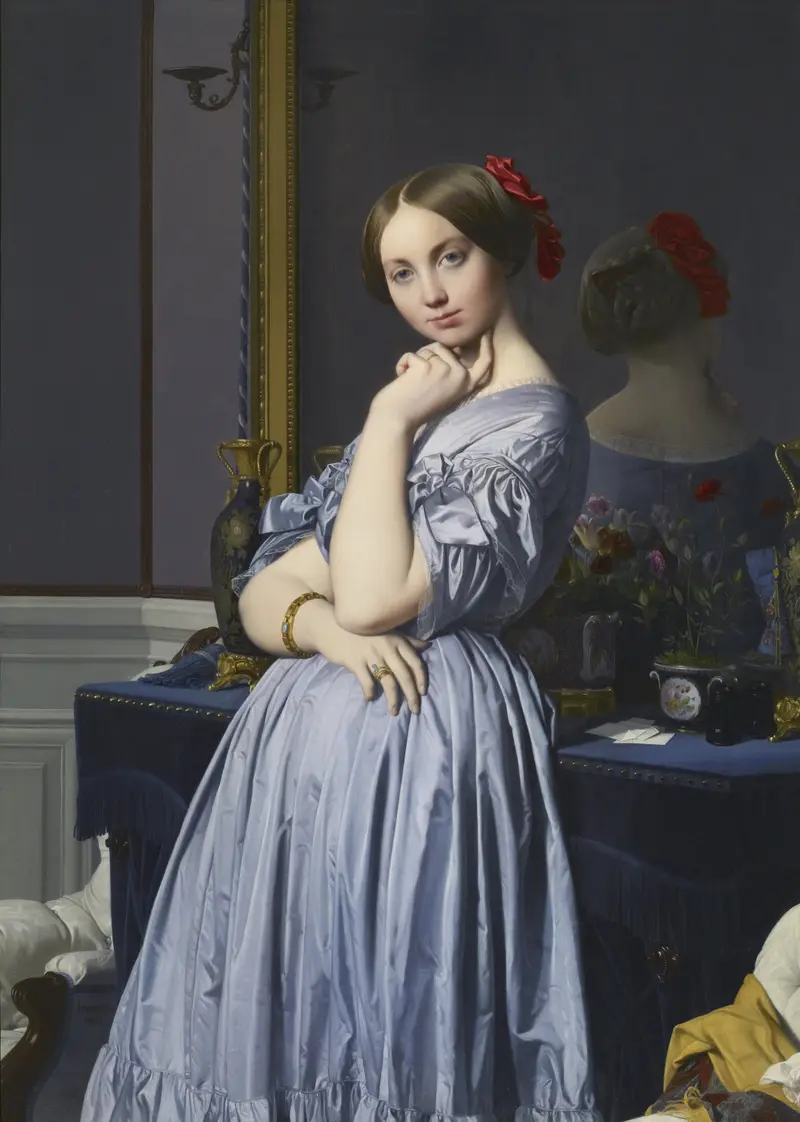
Portrait of Comtesse d’Haussonville
Jean Auguste Dominique Ingres
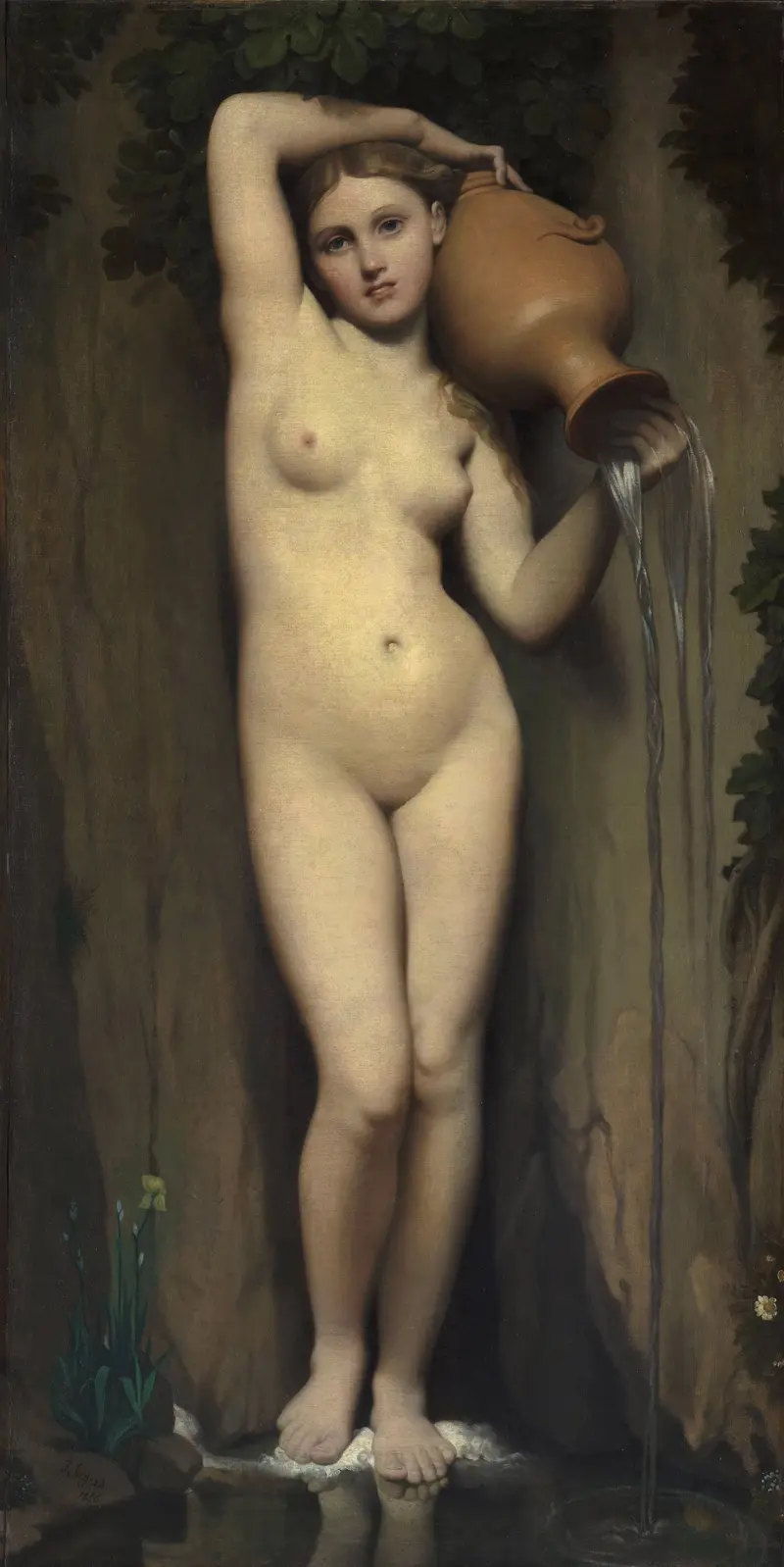
The Source
Jean Auguste Dominique Ingres
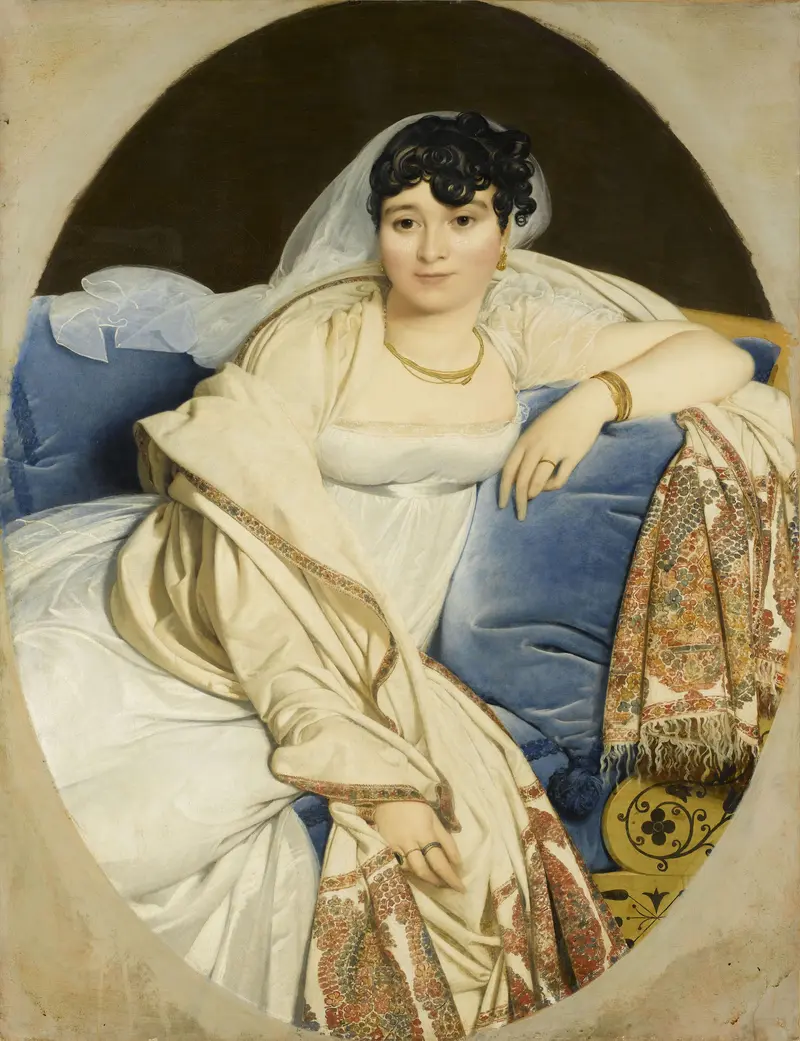
Madame Rivière
Jean Auguste Dominique Ingres

Madame Jean-Auguste-Dominique Ingres, née Madeleine Chapelle
Jean Auguste Dominique Ingres

Portrait of a Lady
Jean Auguste Dominique Ingres
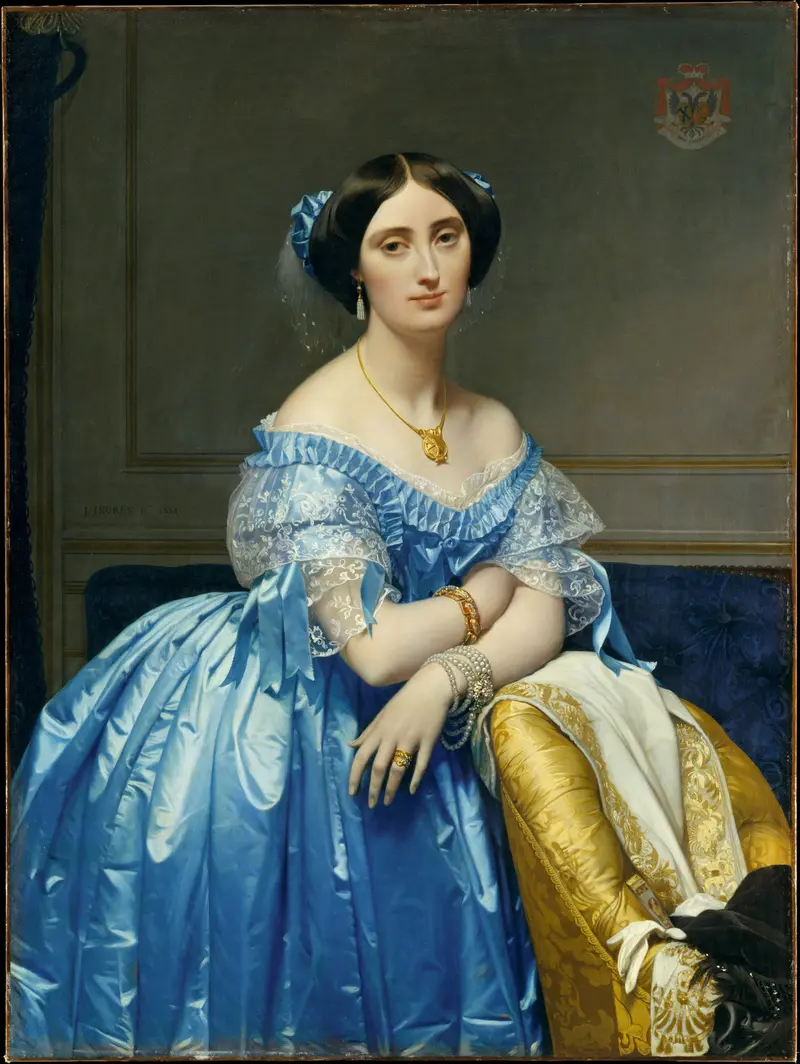
Joséphine-Éléonore-Marie-Pauline de Galard de Brassac de Béarn (1825–1860), Princesse de Broglie
Jean Auguste Dominique Ingres
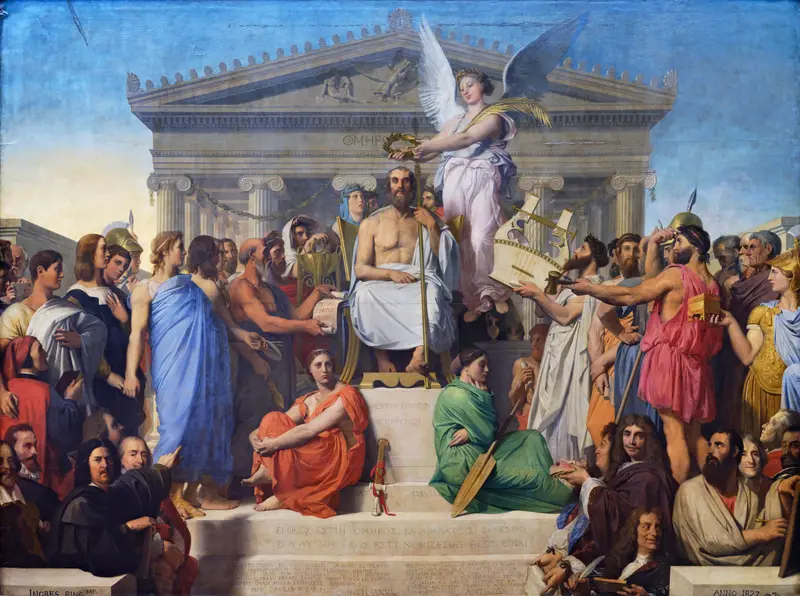
The Apotheosis of Homer
Jean Auguste Dominique Ingres





