
Portrait de madame Louise Marès, née Bidreman — History & Facts
When Alexandre Cabanel exhibited Portrait de madame Louise Marès, née Bidreman at the Paris Salon of 1851, it marked one of his earliest public successes and helped launch a career that would soon make him a favorite of the French establishment. The sitter, Louise Marès, was the wife of the influential sculptor Jean-Jacques Marès, and her portrait was likely intended as both a personal tribute and a statement of the couple’s social standing. At a time when the Salon was the battleground for artistic reputations, Cabanel’s sensitive rendering of Madame Marès drew attention for its combination of classical restraint and modern psychological insight. Madame Marès sits in three-quarter view, her gaze meeting the viewer’s with a calm assurance that suggests both dignity and approachability.
The careful arrangement of her dark dress, with its subtle sheen and delicate lace, speaks to the period’s taste for understated luxury. A gold chain at her neck, perhaps a family heirloom, hints at personal history, while the soft, controlled lighting isolates her against a neutral background, focusing all attention on her composed expression. Unlike the flamboyant portraits of Franz Xaver Winterhalter, Cabanel’s approach is quieter, more intimate, favoring psychological presence over decorative effect. The precise details of the portrait’s commission are not fully documented, but it is typical of the era’s practice for artists to paint the wives of prominent men as a mark of esteem and connection.
Portrait de madame Louise Marès, née Bidreman remains an important example of Cabanel’s early portraiture, before his later fame with works like The Birth of Venus. Today, the painting is held in a private collection, its medium not publicly recorded, and it stands as a testament to Cabanel’s early mastery of both technique and character study.
More Artworks by Alexandre Cabanel
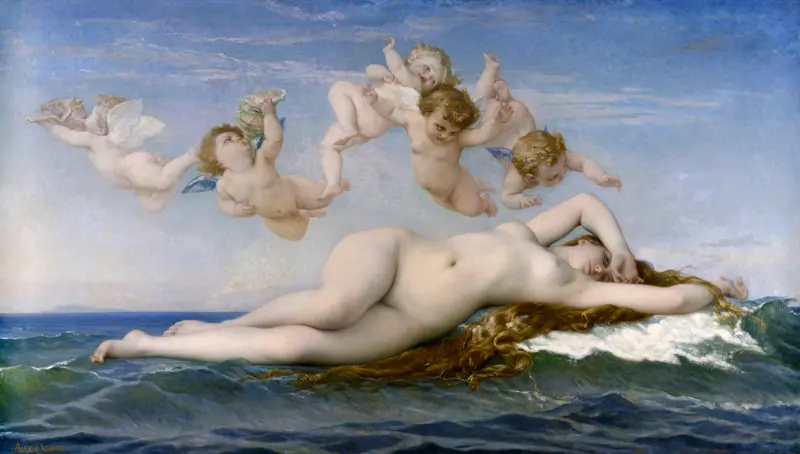
The Birth of Venus
Alexandre Cabanel
Phèdre
Alexandre Cabanel
La veuve du maître de chapelle
Alexandre Cabanel
Portrait de M. Pierre Cabanel
Alexandre Cabanel
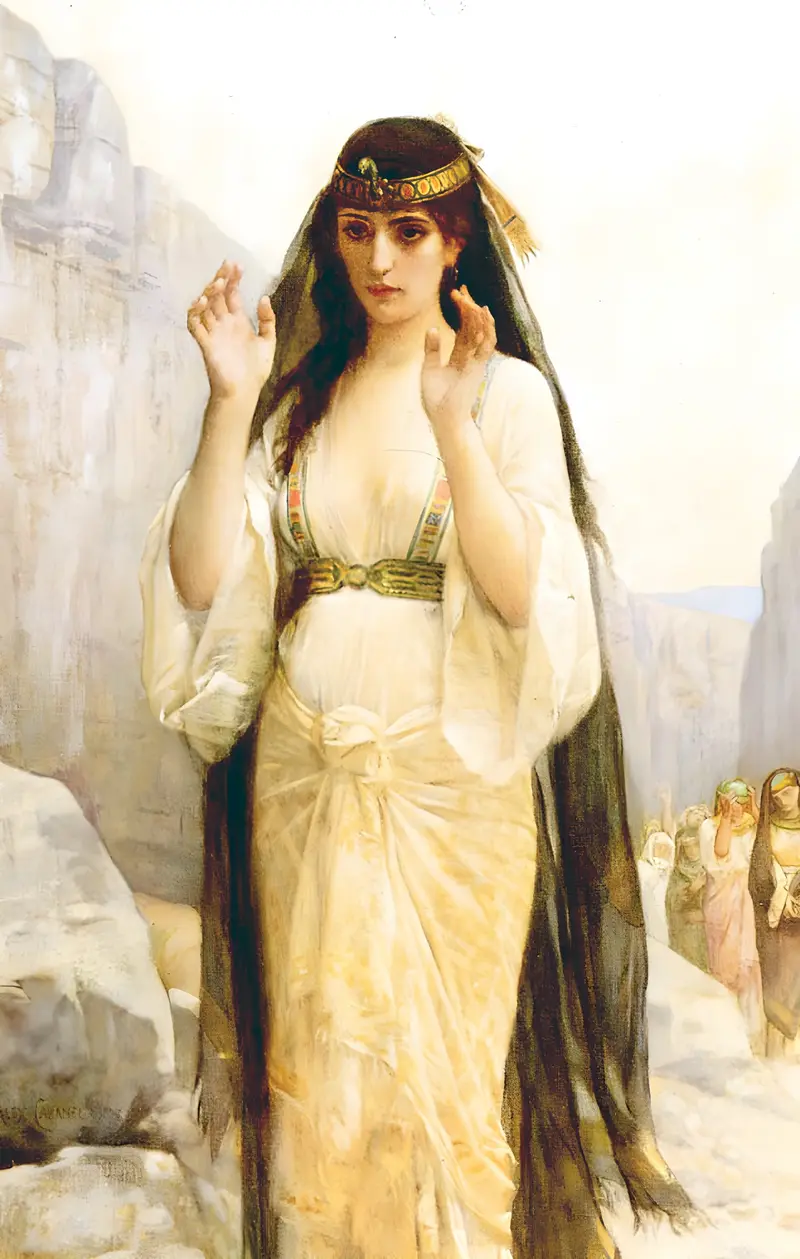
The Daughter of Jephthah
Alexandre Cabanel
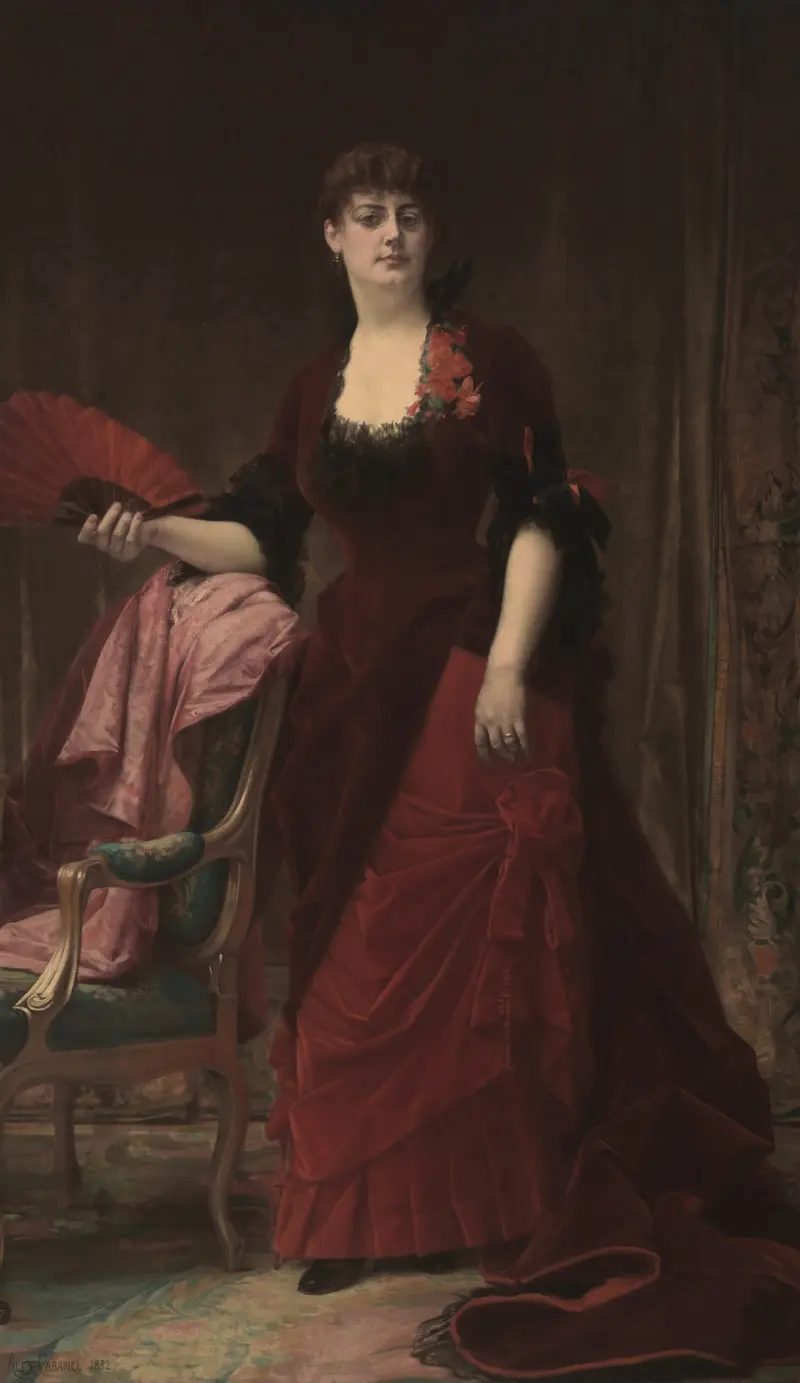
Portrait of Arabella Worsham (later Arabella Huntington)
Alexandre Cabanel
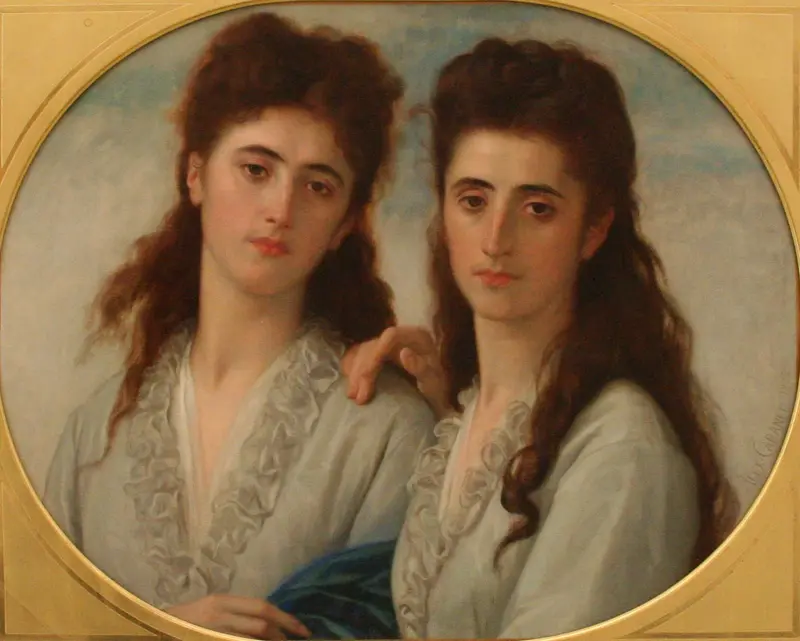
Portrait de mesdemoiselles Sophie et Berthe Cabanel
Alexandre Cabanel
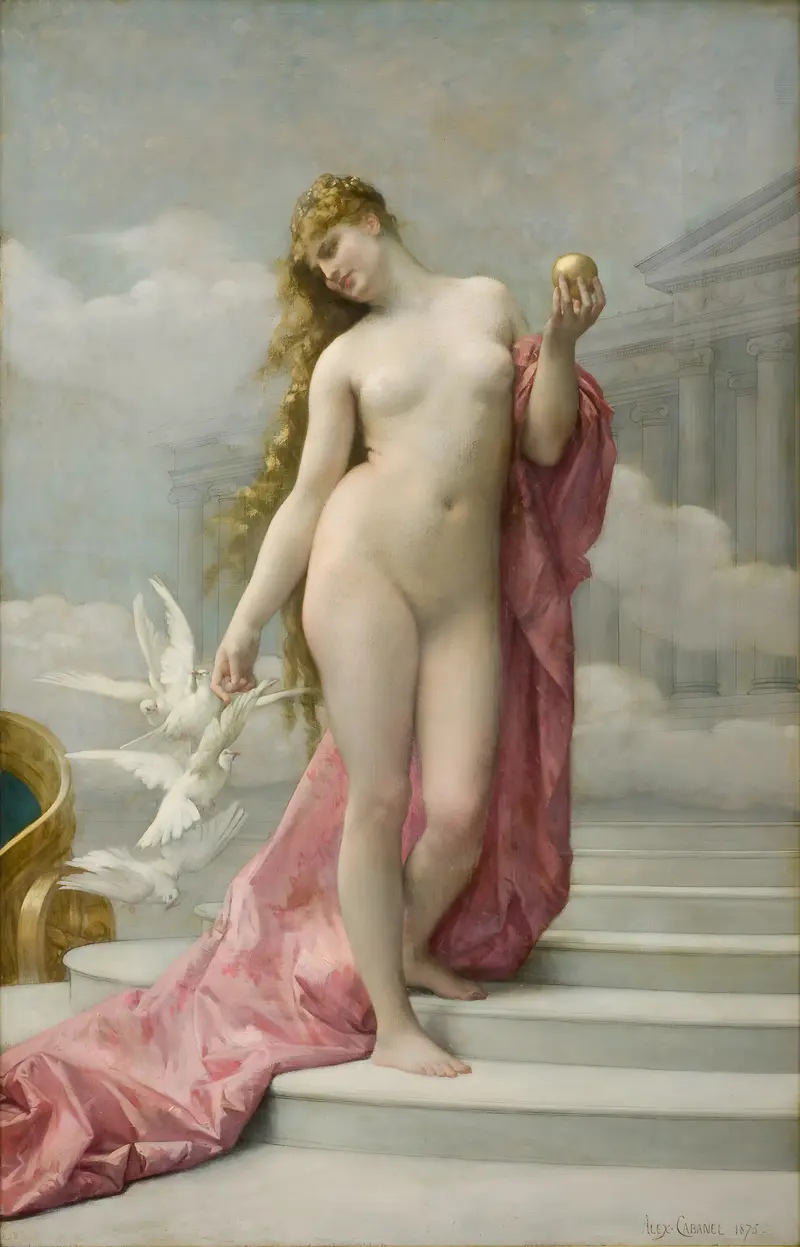
Vénus victorieuse
Alexandre Cabanel
Judith
Alexandre Cabanel
Catharine Lorillard Wolfe (1828–1887)
Alexandre Cabanel





