
Portrait of a Child of the Comminges Family — History & Facts
What first draws the eye in Portrait of a Child of the Comminges Family is the direct, unguarded gaze of the sitter—wide blue eyes meeting the viewer with a blend of curiosity and composure. The light falls softly across the child’s face, catching on the delicate lace collar and cuffs, and illuminating the golden hair that frames the youthful features. The artist, Elisabeth Louise Vigée Le Brun, chooses a restrained palette that lets the gentle blush of the child’s cheeks and lips stand out, while the striped velvet of the garment and intricate lace speak quietly of status and care.
Every detail, from the open collar to the slightly parted lips, seems designed to capture a fleeting moment of innocence and self-awareness, inviting us to linger on the threshold between childhood and the world beyond. Painted in 1791, this portrait belongs to a world on the brink of change. In late eighteenth-century France, portraits of children from noble families were both private treasures and public affirmations of lineage, often commissioned to mark important transitions or simply to preserve the freshness of youth before adulthood intervened. Vigée Le Brun was celebrated for her ability to convey both likeness and personality, and here she offers a glimpse into the refined domestic circles of her time.
History has kept few traces of the specific child or the journey of this painting, now held in the collection documented by the Google Cultural Institute, but the work itself remains a testament to an era when art was a way of shaping memory and identity. Look again at the sitter’s eyes—the story of a vanished world lingers there, waiting to be read.
More Artworks by Elisabeth Louise Vigée Le Brun
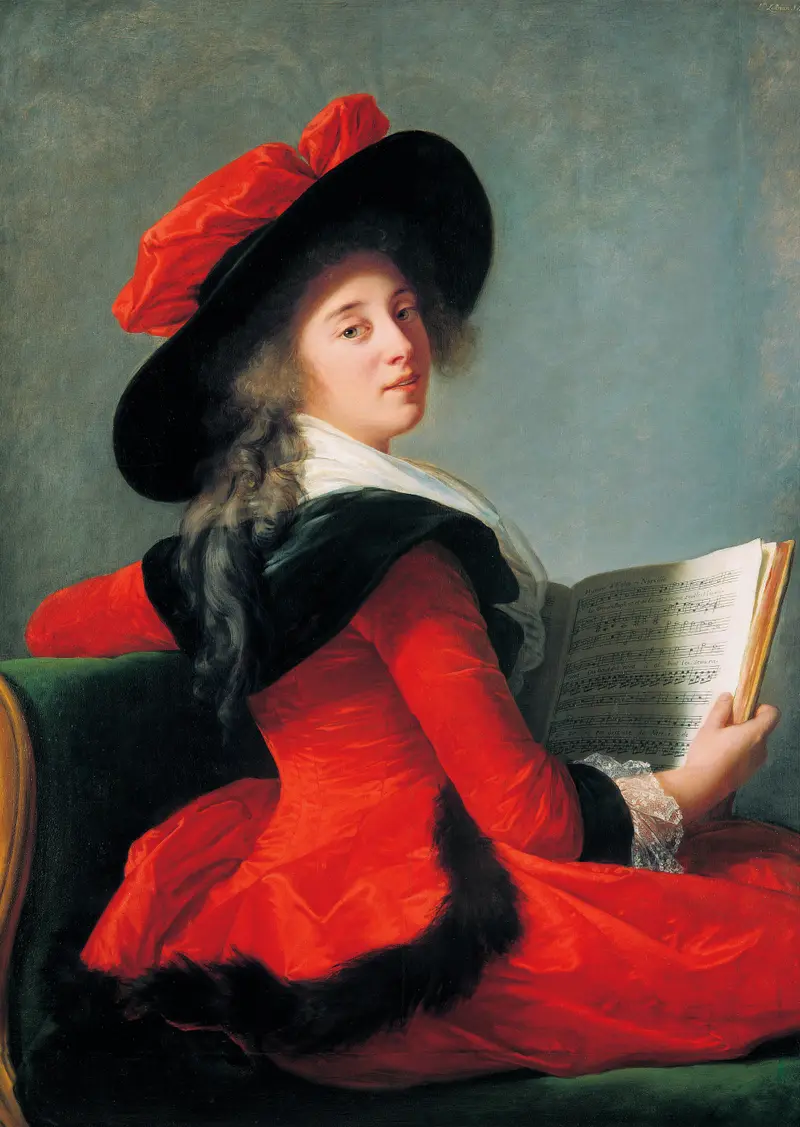
Baronne de Crussol
Elisabeth Louise Vigée Le Brun
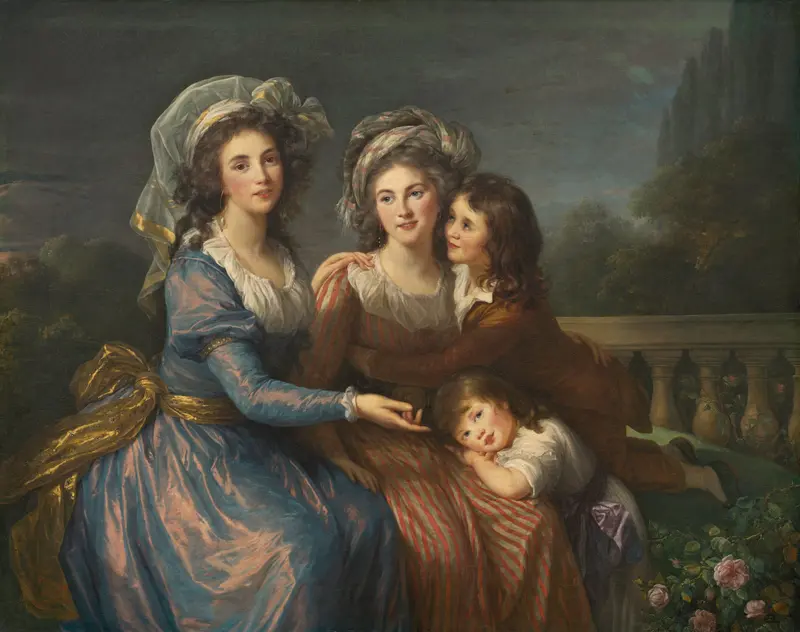
The Marquise de Pezay, and the Marquise de Rougé with Her Sons Alexis and Adrien
Elisabeth Louise Vigée Le Brun

Giuseppina Grassini Playing Zaire
Elisabeth Louise Vigée Le Brun
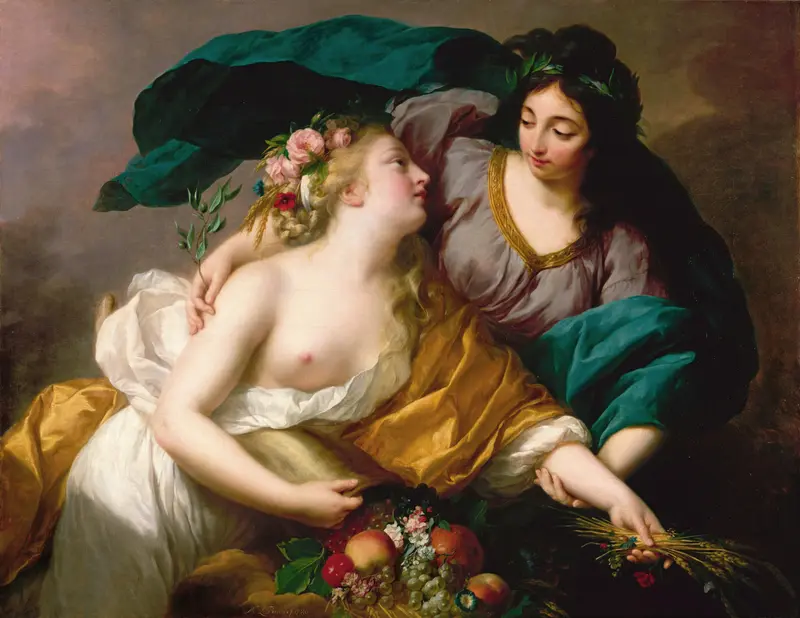
Peace bringing back Prosperity
Elisabeth Louise Vigée Le Brun
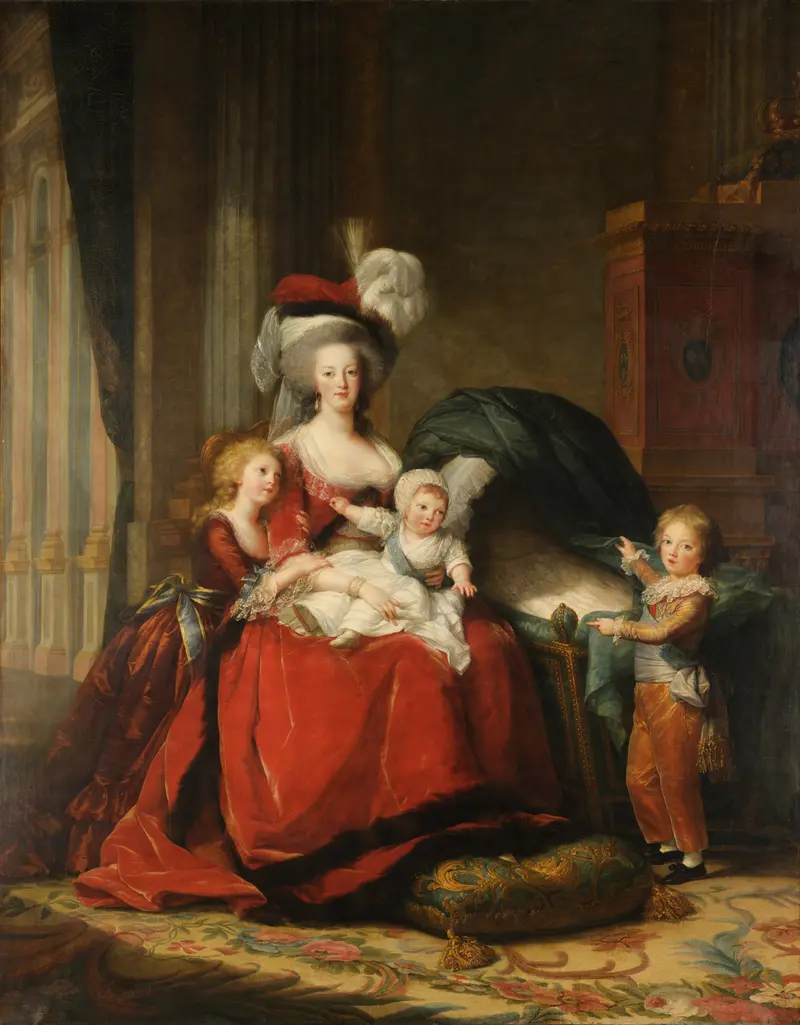
Marie Antoinette and Her Children
Elisabeth Louise Vigée Le Brun
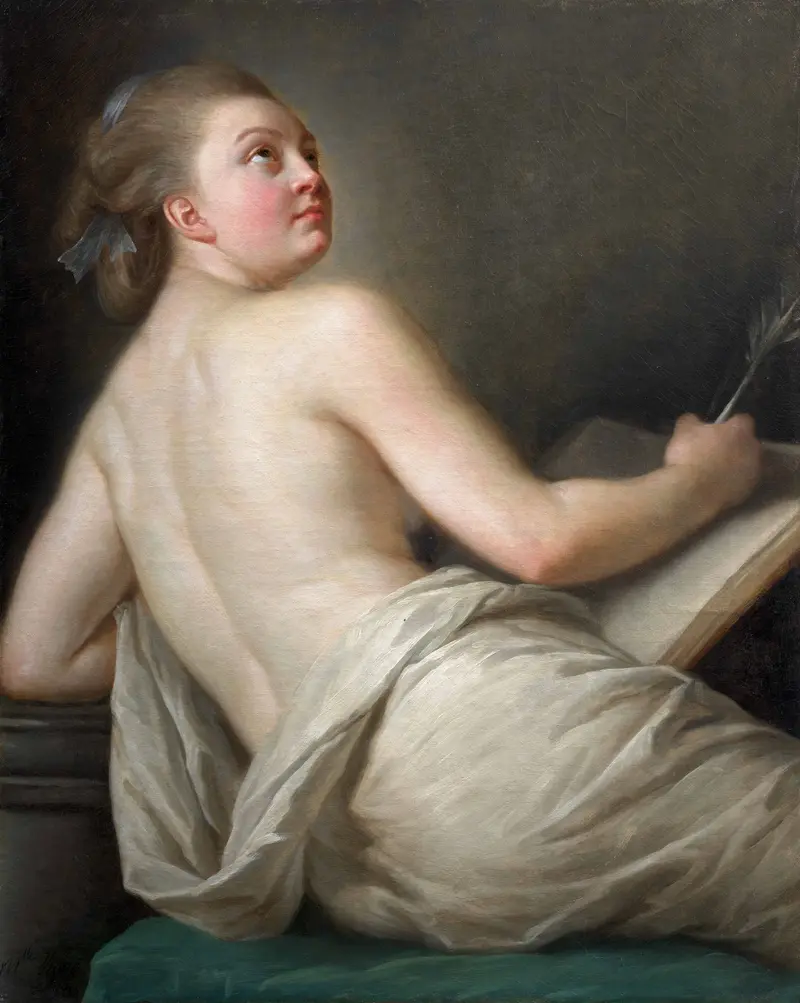
Allegory of Poetry
Elisabeth Louise Vigée Le Brun
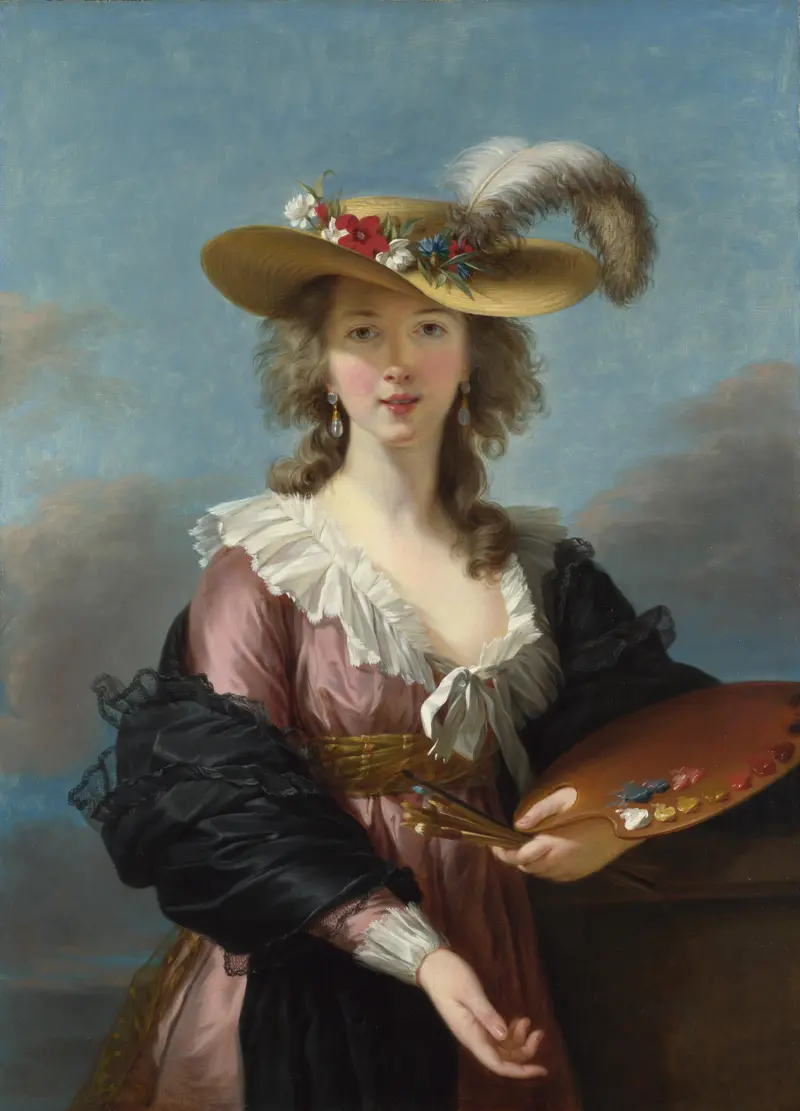
Self Portrait in a Straw Hat
Elisabeth Louise Vigée Le Brun
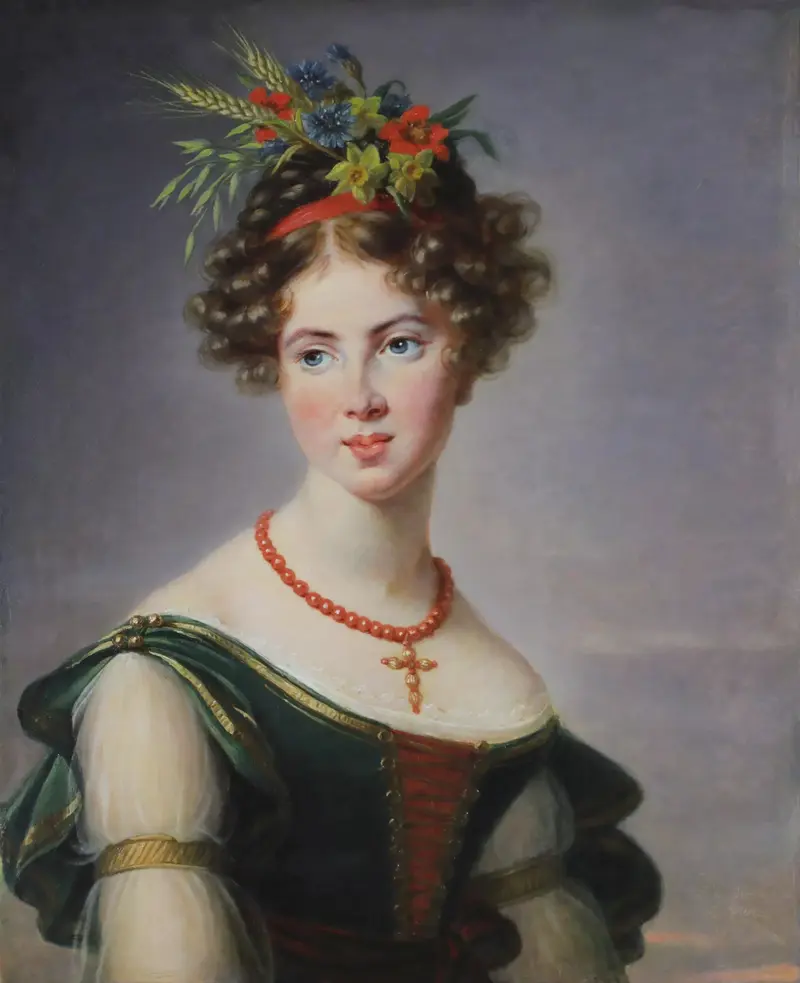
Portrait de la comtesse de Baussancourt, par Élisabeth Vigée Le Brun
Elisabeth Louise Vigée Le Brun

Hubert Robert
Elisabeth Louise Vigée Le Brun
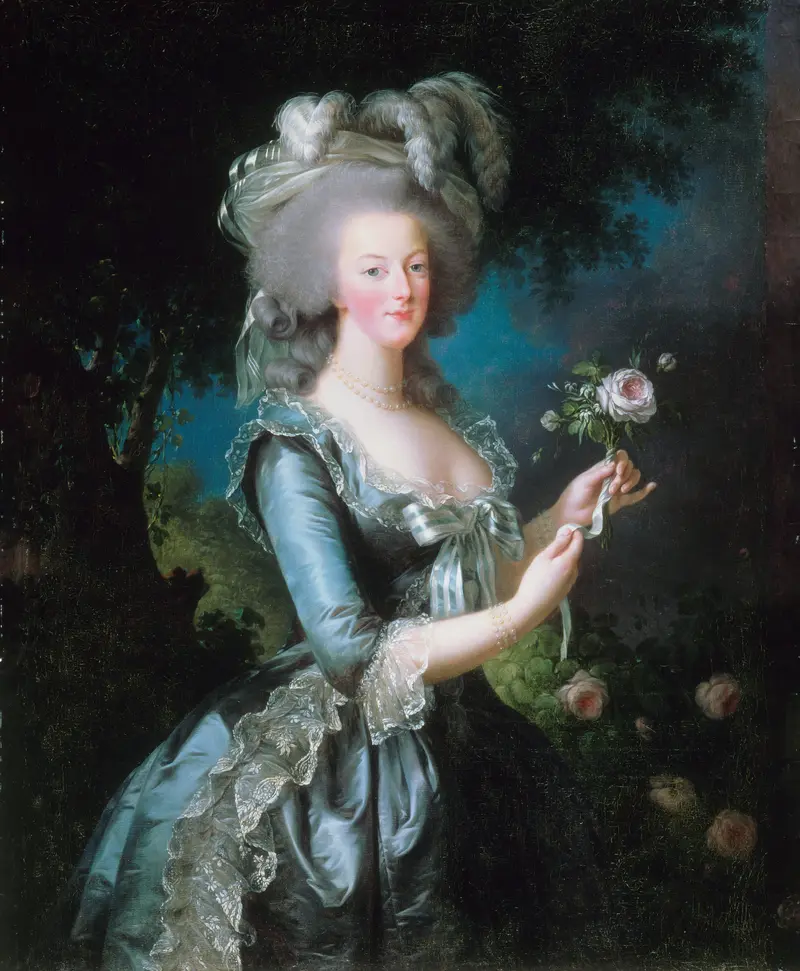
Marie Antoinette with a Rose
Elisabeth Louise Vigée Le Brun





