
Portrait of a Doctor of Law — History & Facts
No one knows for certain who sits for Portrait of a Doctor of Law, and this mystery has kept art historians debating for centuries. Some suggest the sitter was a prominent jurist of Seville, perhaps even a friend or patron of Francisco de Zurbarán. Others point to the painting’s lack of inscription or heraldic device as evidence that Zurbarán intended a more universal image of learned authority, rather than a specific likeness.
The painting’s anonymity is unusual for the time, when portraits often doubled as public declarations of status and identity. Zurbarán captures his subject at a moment of silent, commanding presence. The sitter’s black academic robes, edged with white, signal his high rank in the legal profession, while the red biretta marks him as a doctor of canon or civil law. His direct gaze and upright posture suggest intellectual rigor and moral gravity.
The light falls sharply from the left, illuminating the folds of his robe and the pale oval of his face, setting him apart from the dark, neutral background. Unlike Velázquez’s more psychological portraits, Zurbarán’s approach is austere and meditative, emphasizing dignity over personality. The painting’s early history is obscure, as is often the case with Zurbarán’s portraits, which were less frequently documented than his religious works. It likely remained in private hands for much of its existence, passing quietly through collections until its recognition as a work by Francisco de Zurbarán in the nineteenth century.
Today, Portrait of a Doctor of Law stands as a rare example of Zurbarán’s secular portraiture, a testament to his ability to convey authority and presence with the same restraint he brought to his saints and monks. Its survival offers a glimpse into the world of learned men in seventeenth-century Spain, and into the subtle artistry of one of the Baroque period’s most enigmatic painters.
More Artworks by Francisco de Zurbarán
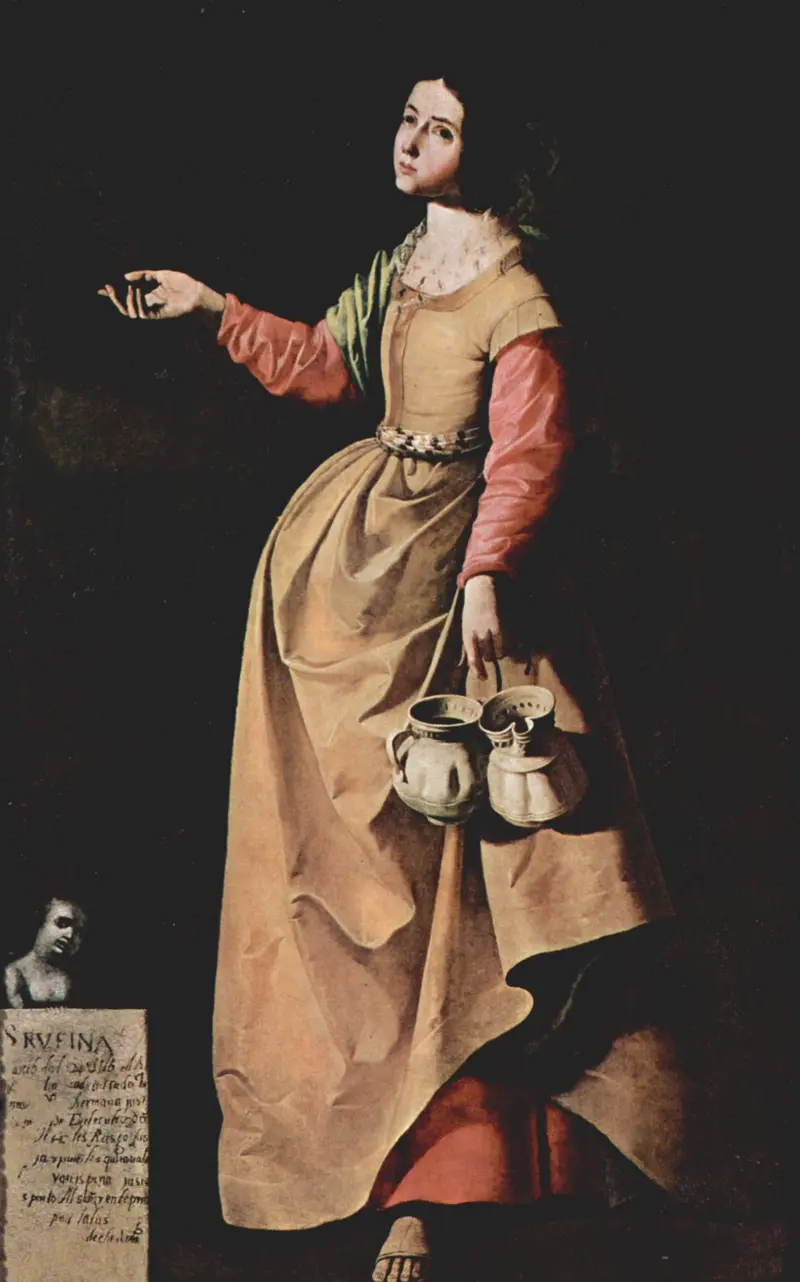
Saint Rufina
Francisco de Zurbarán
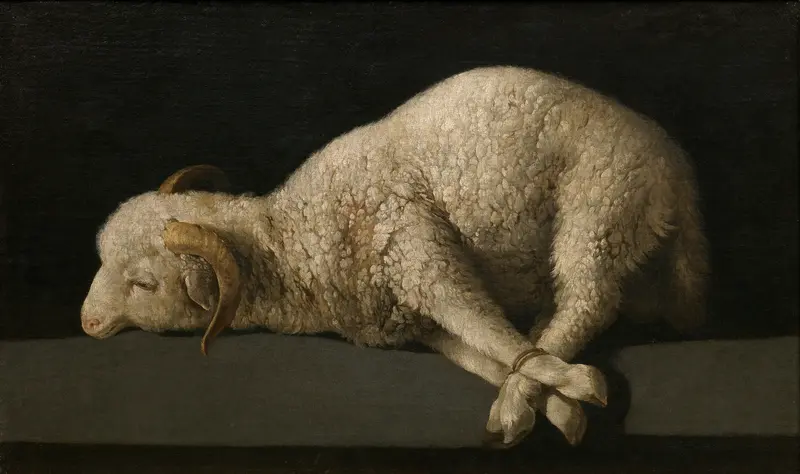
Agnus Dei
Francisco de Zurbarán
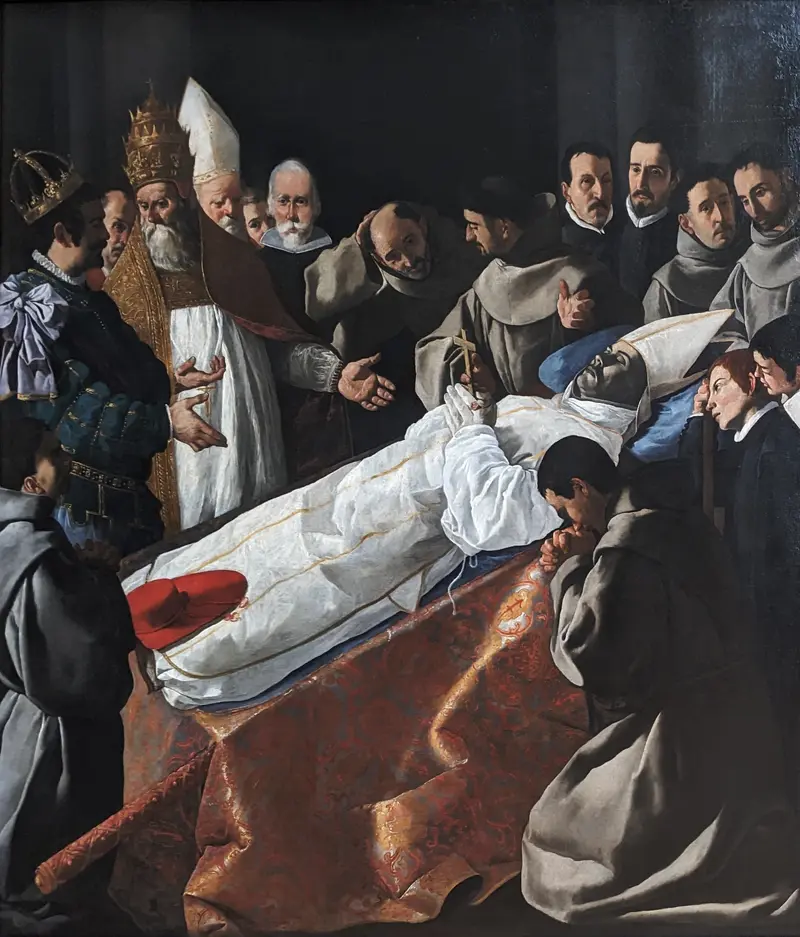
Saint Bonaventure's Body Lying in State
Francisco de Zurbarán
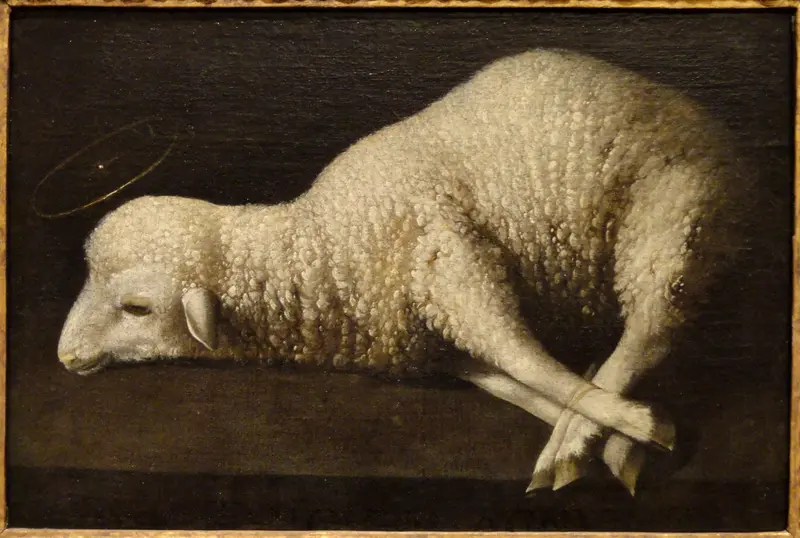
The Lamb of God
Francisco de Zurbarán

Adoration of the Magi
Francisco de Zurbarán
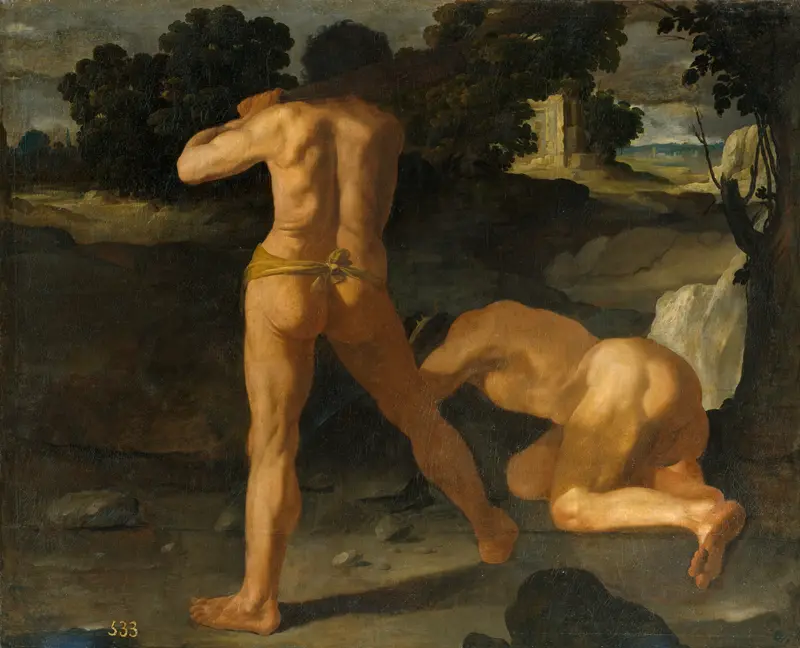
Hercules defeats King Geryon
Francisco de Zurbarán
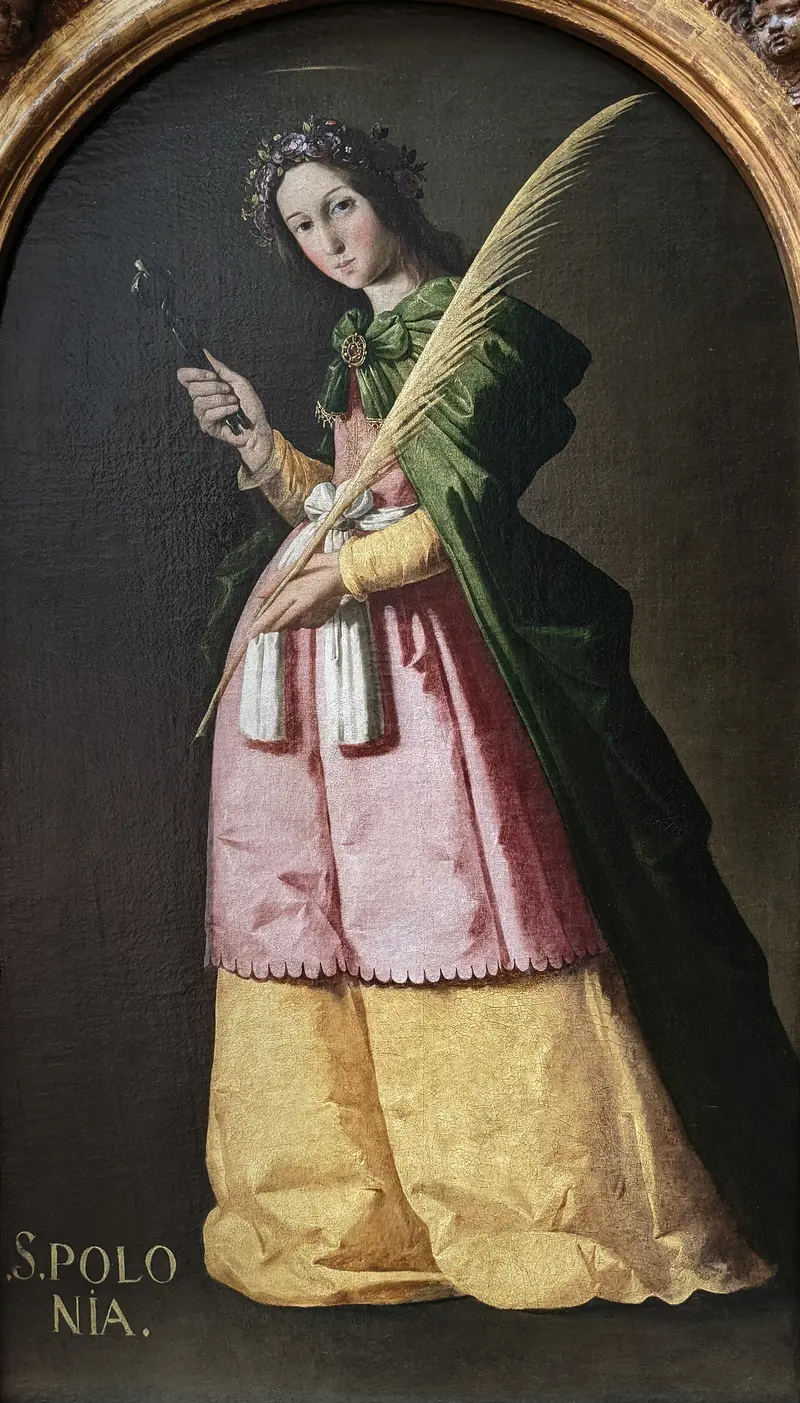
Saint Apollonia
Francisco de Zurbarán
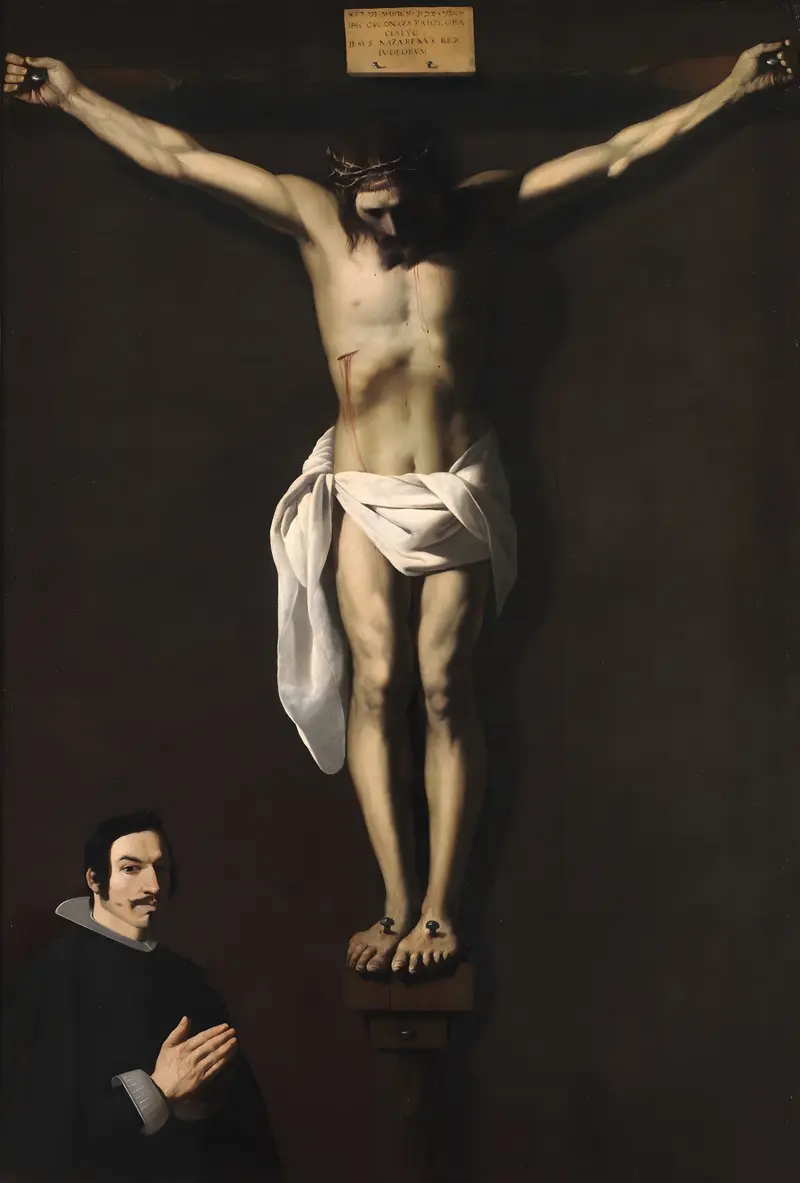
The Crucified Christ with a Donor
Francisco de Zurbarán
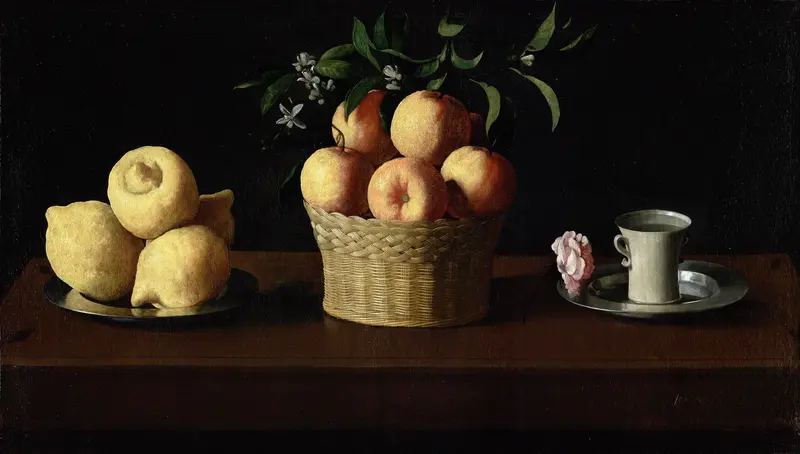
Still Life with Lemons, Oranges and a Rose
Francisco de Zurbarán
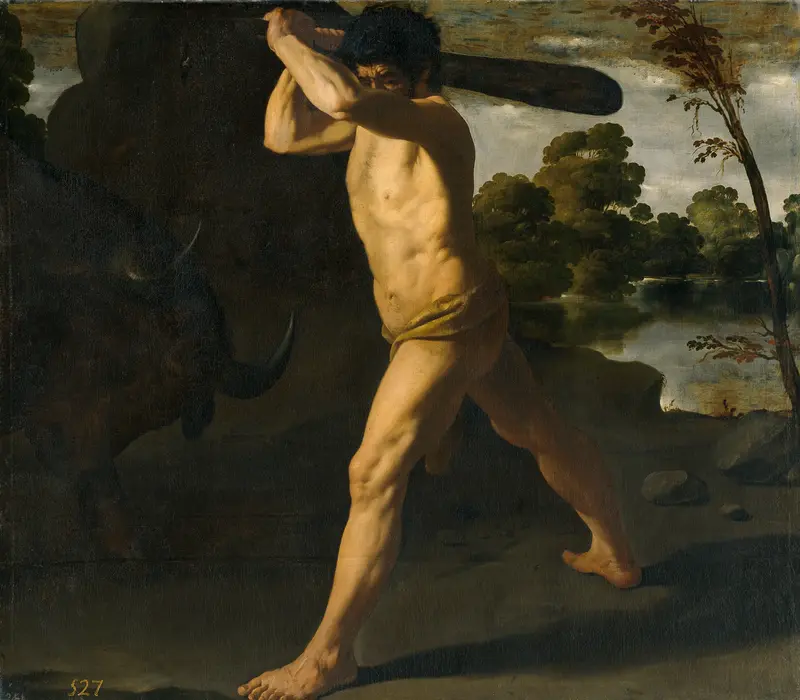
Hercules and the Cretan Bull
Francisco de Zurbarán





