
Portrait of a Knight of the Order of Christ, probably Francisco de Andrade Leitão — History & Facts
The identity of the sitter in Portrait of a Knight of the Order of Christ, probably Francisco de Andrade Leitão remains one of the most intriguing mysteries in the oeuvre of Diego Velázquez. While tradition points to Francisco de Andrade Leitão—a Portuguese nobleman and diplomat—no definitive documentation has surfaced to confirm this. What is certain is the sitter’s affiliation with the prestigious Order of Christ, a chivalric order with roots in the medieval crusading Knights Templar, whose insignia is worn with pride in the painting.
The work stands out among Velázquez’s portraits for its rare depiction of a Portuguese knight during a period of tense relations between Spain and Portugal, just a few years after the Portuguese Restoration War began in 1640. The painting captures a still, dignified moment: the sitter, dressed in sober black, gazes directly at the viewer, his hand resting confidently on the hilt of his sword. The scarlet cross of the Order of Christ blazes on his chest, a symbol of both religious devotion and political allegiance. Velázquez’s restrained palette and loose, almost impressionistic brushwork lend a sense of immediacy and psychological depth, drawing the viewer into the knight’s silent world.
Unlike the elaborate armor and theatrical poses seen in portraits of knights by Anthony van Dyck, here the emphasis is on introspection and quiet authority. The light, falling from the left, sculpts the features of the sitter, highlighting the calm assurance in his eyes and the subtle textures of his attire. The provenance of Portrait of a Knight of the Order of Christ is as enigmatic as its subject. It is believed to have been painted during Velázquez’s second trip to Italy, around 1649, though some scholars argue for a Madrid origin.
The painting’s early history is obscure, with its first recorded appearance in the 19th century, when it entered a private Spanish collection. Attribution to Velázquez was not always universally accepted; some earlier catalogues listed it as the work of his workshop or followers, but technical analysis and stylistic comparison have since confirmed the master’s hand. Today, the portrait is recognized as an important example of Velázquez’s late style, and it hangs in the Museo del Prado, where it continues to invite speculation about the identity and story of its enigmatic knight.
More Artworks by Diego Velázquez

Las Meninas
Diego Velázquez
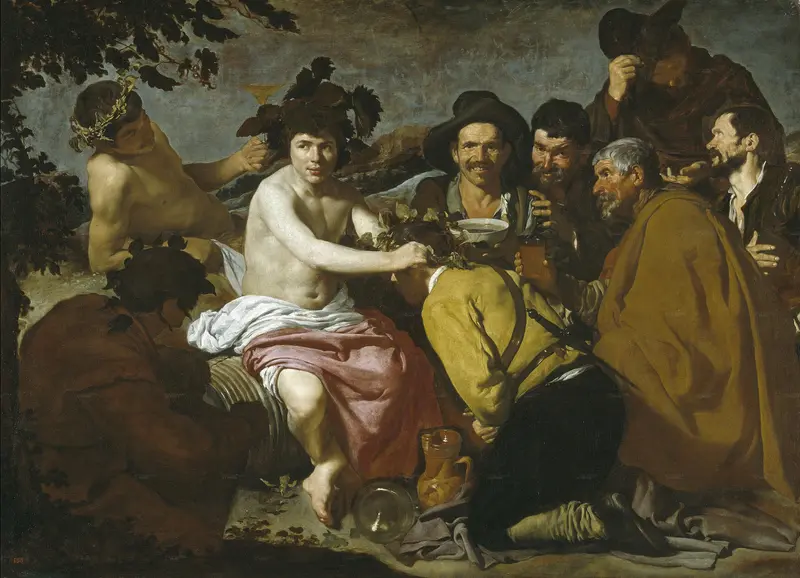
The Triumph of Bacchus
Diego Velázquez
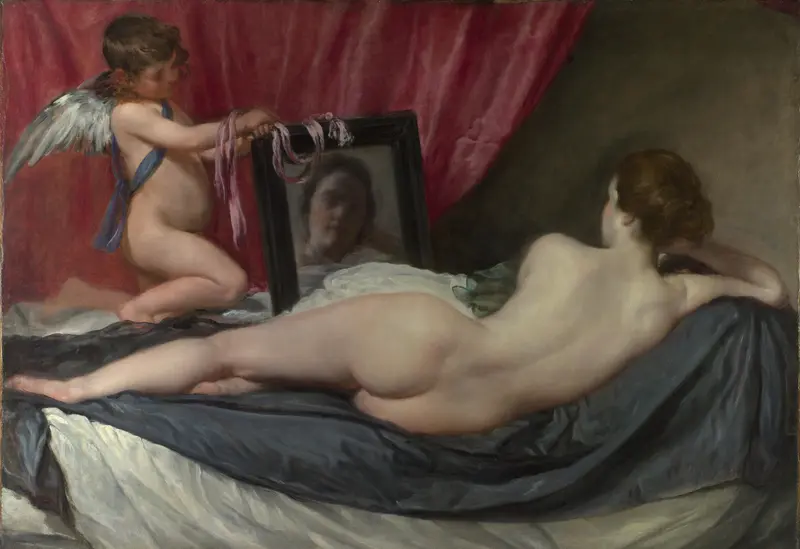
Rokeby Venus
Diego Velázquez
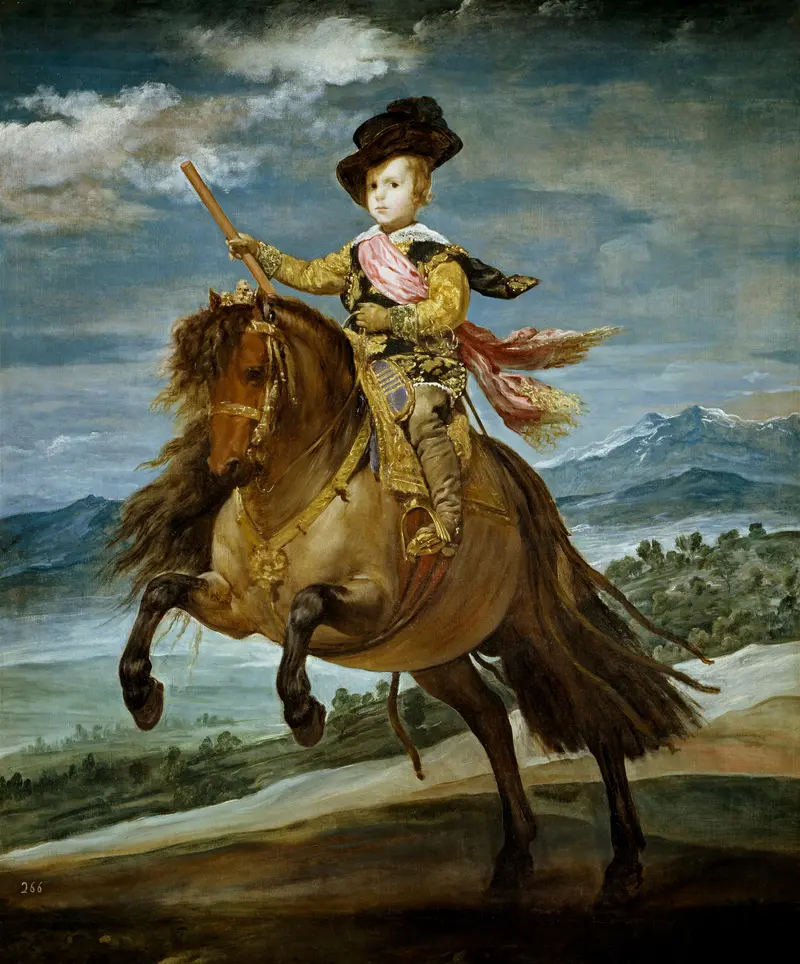
Equestrian Portrait of Prince Balthasar Charles
Diego Velázquez
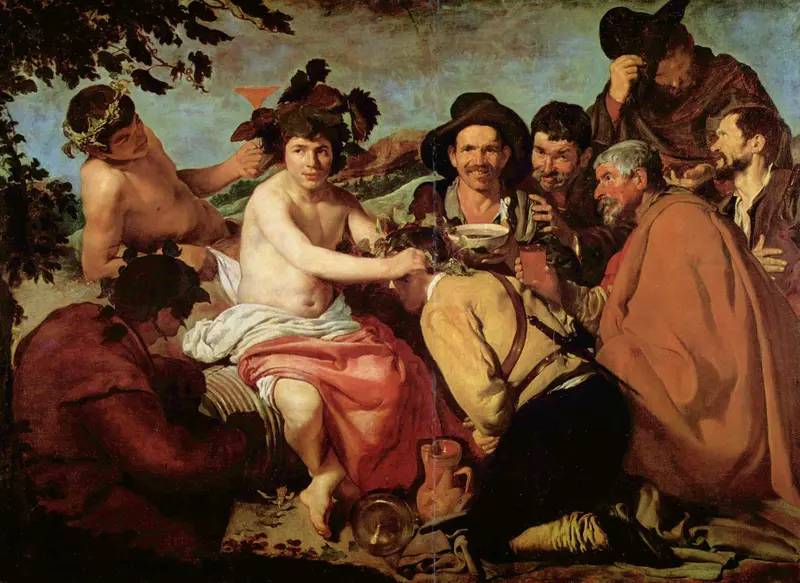
Bacchus
Diego Velázquez
Don Gaspar de Guzmán (1587–1645), Count-Duke of Olivares
Diego Velázquez
El príncipe Baltasar Carlos de Austria
Diego Velázquez
Equestrian Portrait of Philip III
Diego Velázquez
Equestrian Portrait of Margarita of Austria
Diego Velázquez
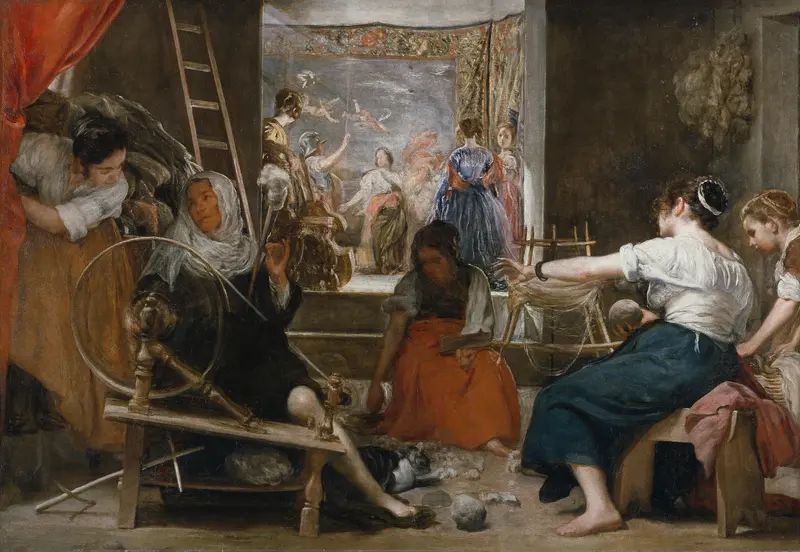
Las Hilanderas
Diego Velázquez




