
Portrait Of A Lady As Flora — History & Facts
In Portrait Of A Lady As Flora, the viewer is greeted by a graceful figure dressed in flowing garments that evoke the essence of nature. The lady, adorned with floral motifs, stands against a soft, pastel background that enhances her delicate features. Rich greens and soft pinks dominate the palette, creating a harmonious atmosphere.
The overall composition conveys a sense of elegance and charm, characteristic of the Rococo style. This painting is executed in oil on canvas, a common medium for the Rococo period. Tiepolo's brushwork is fluid, capturing the light and texture of the fabrics with remarkable skill. The use of color is vibrant yet soft, allowing the figure to emerge as the focal point of the work.
The dimensions are approximately 90 x 120 cm, making it a sizable portrait that commands attention. Giovanni Battista Tiepolo was a prominent Italian painter of the 18th century, known for his grand frescoes and portraits. Portrait Of A Lady As Flora reflects his mastery of light and color, typical of the Rococo style. An interesting fact about this work is its allegorical reference to Flora, the Roman goddess of flowers and spring, symbolizing beauty and fertility.
This painting is housed in the Museo del Prado, a testament to Tiepolo's lasting influence in art history.
More Artworks by Giovanni Battista Tiepolo
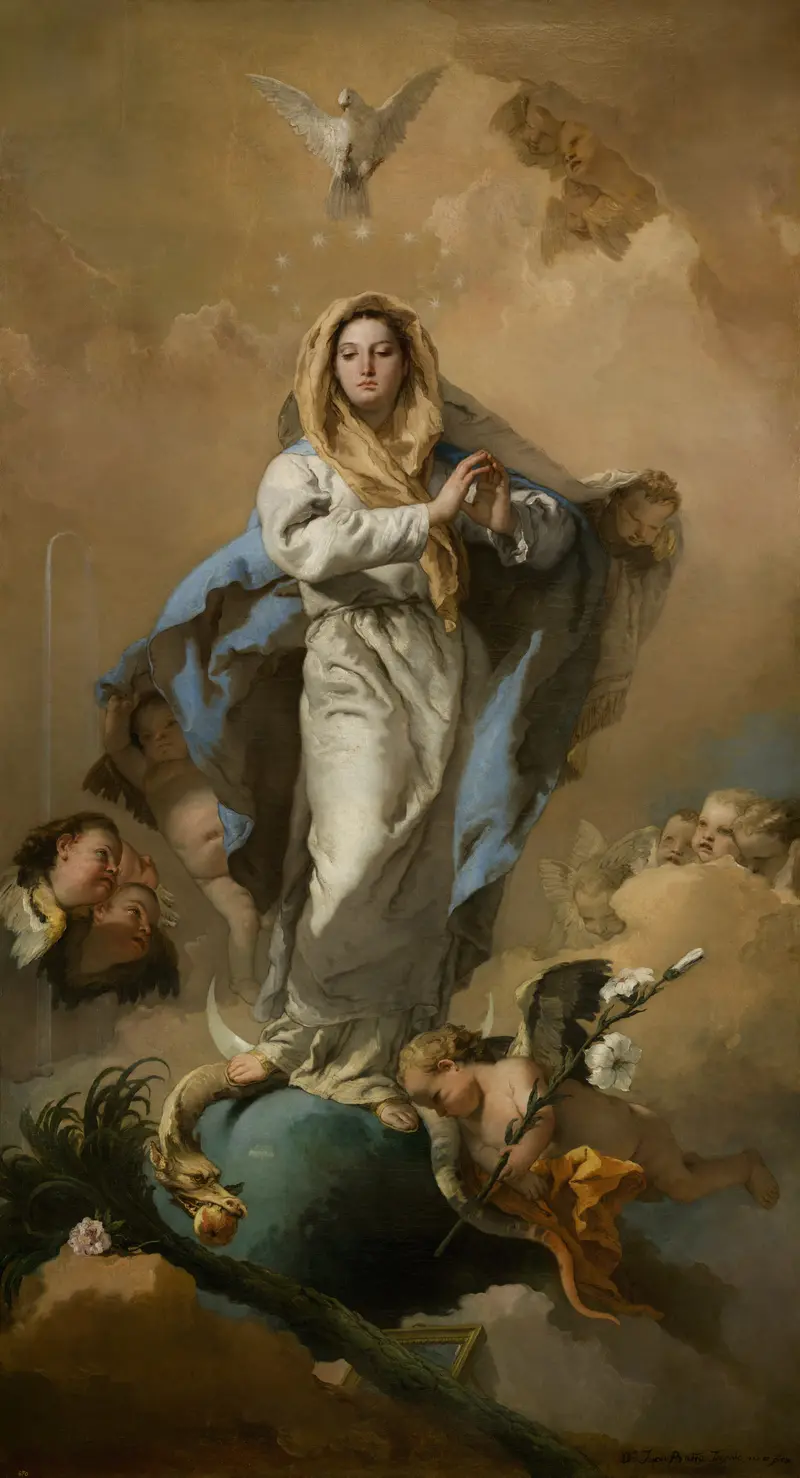
The Immaculate Conception
Giovanni Battista Tiepolo
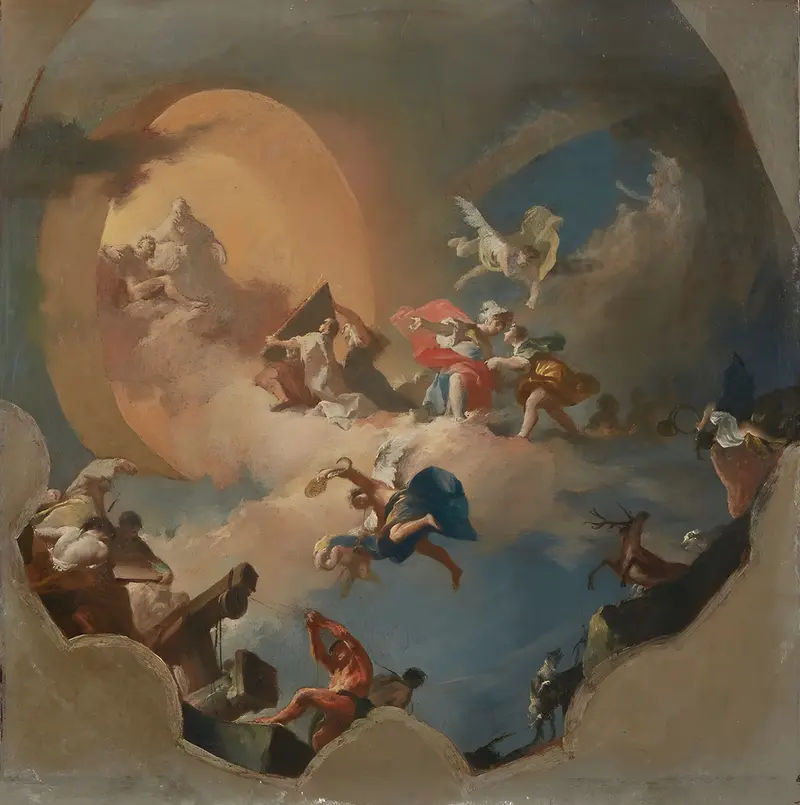
The Apotheosis of the Arts
Giovanni Battista Tiepolo
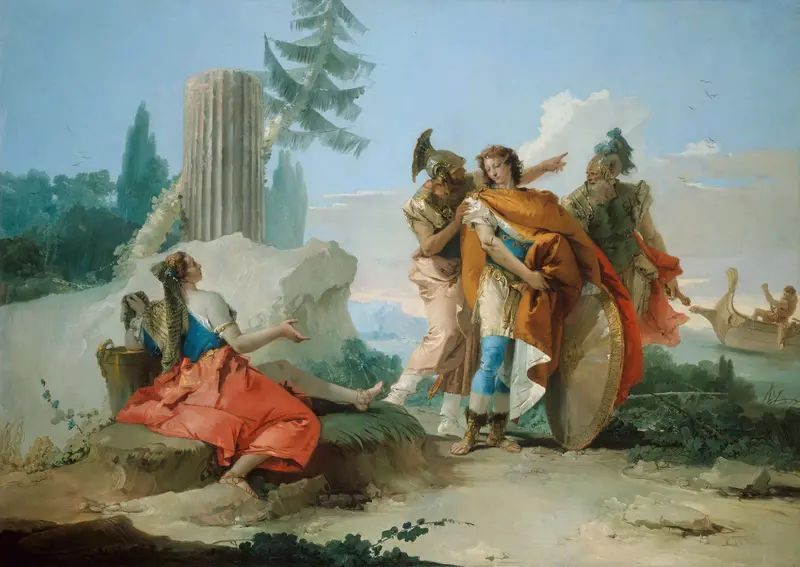
Armida Abandoned by Rinaldo
Giovanni Battista Tiepolo
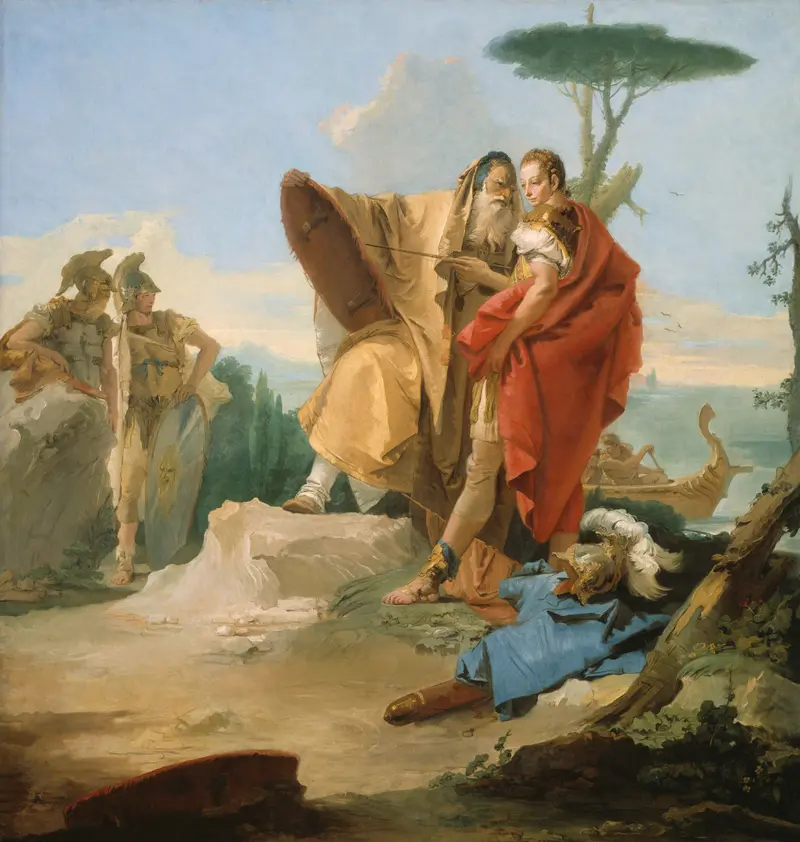
Rinaldo and the Magus of Ascalon
Giovanni Battista Tiepolo
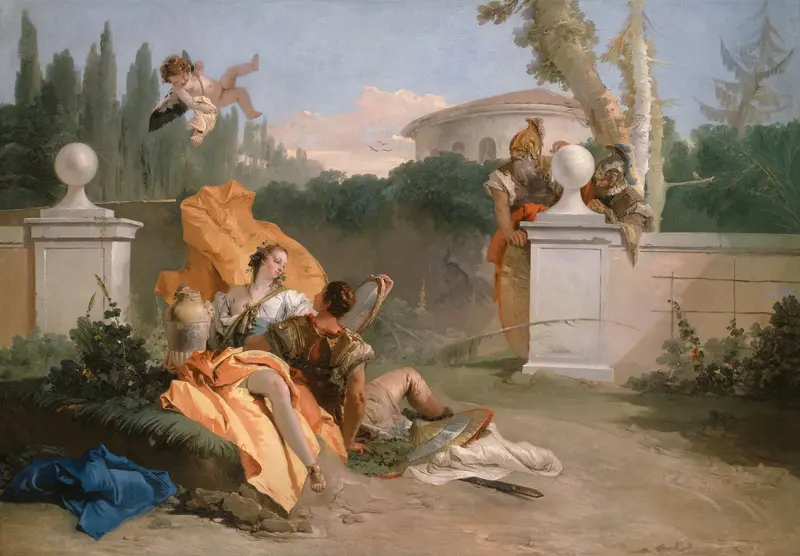
Rinaldo and Armida in Her Garden
Giovanni Battista Tiepolo
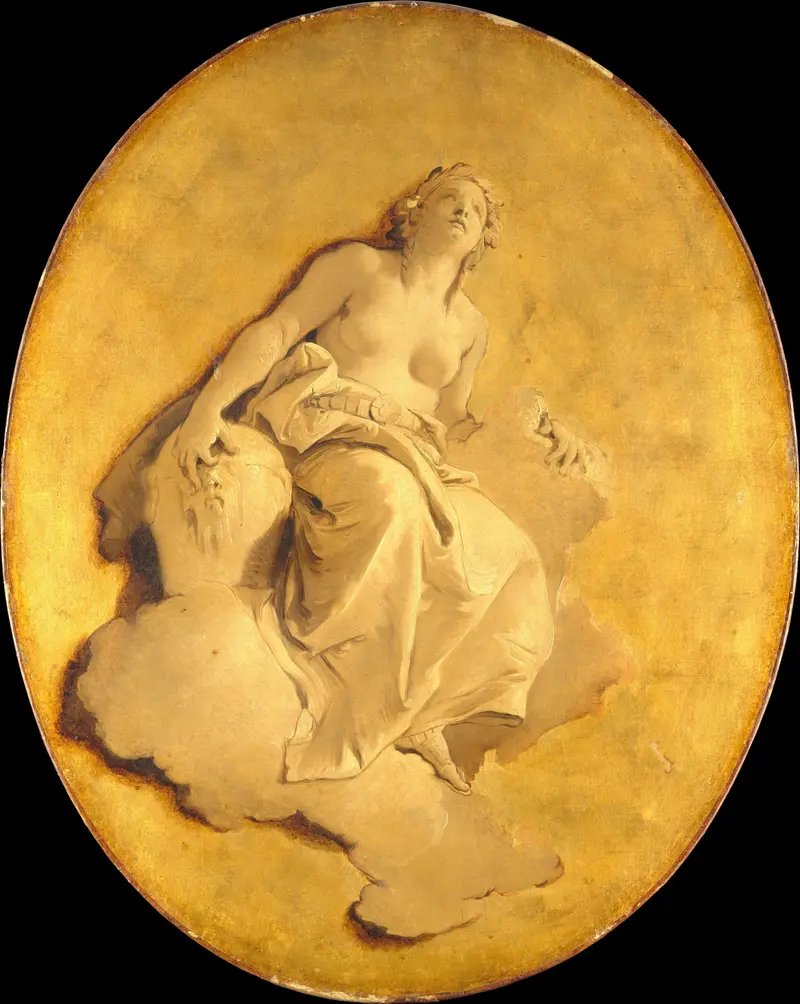
A Female Allegorical Figure
Giovanni Battista Tiepolo
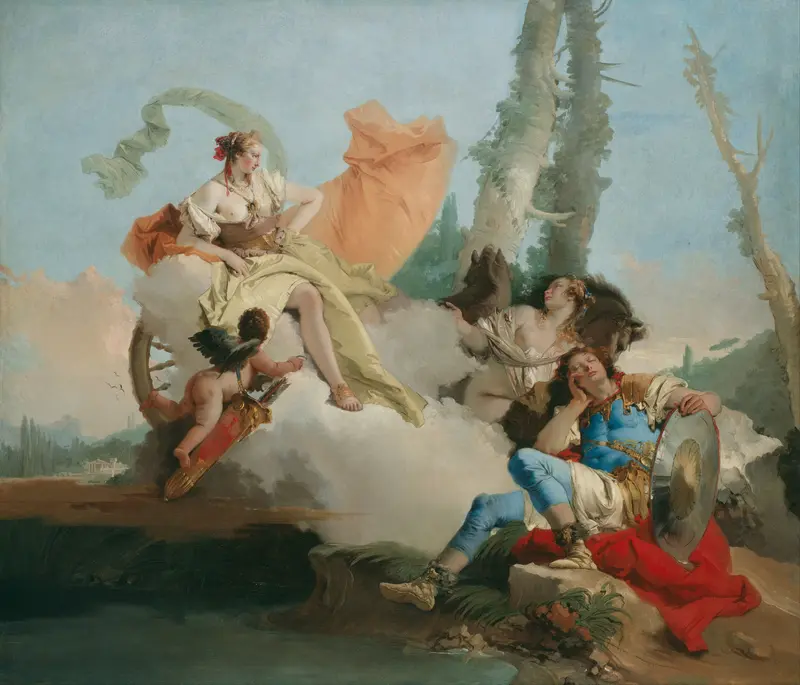
Armida Encounters the Sleeping Rinaldo
Giovanni Battista Tiepolo
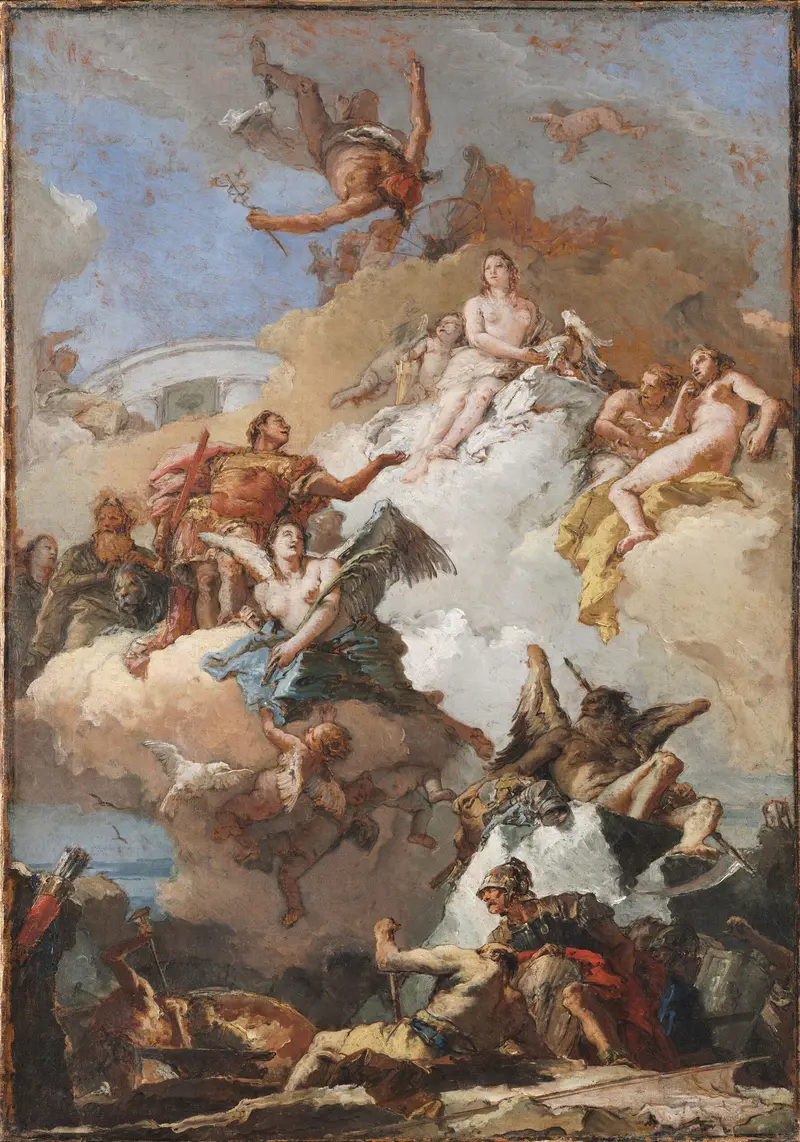
The Apotheosis of Aeneas
Giovanni Battista Tiepolo
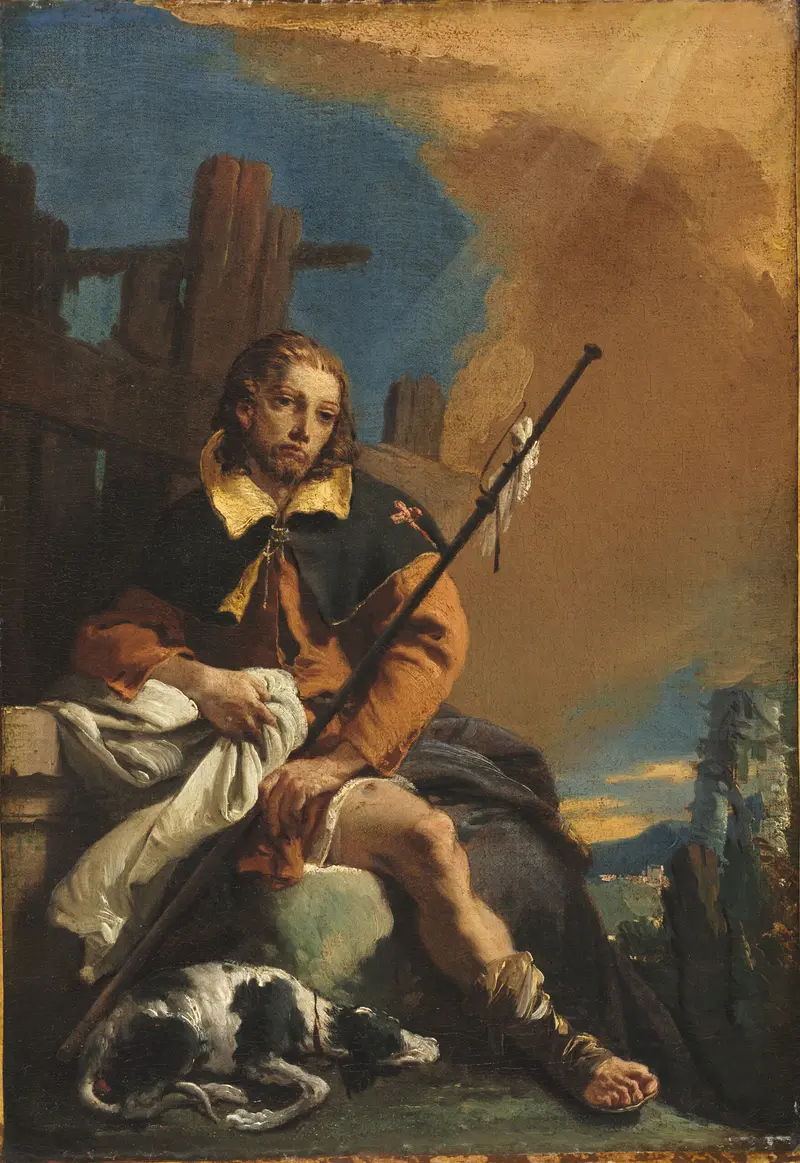
Saint Roch as a Pilgrim
Giovanni Battista Tiepolo
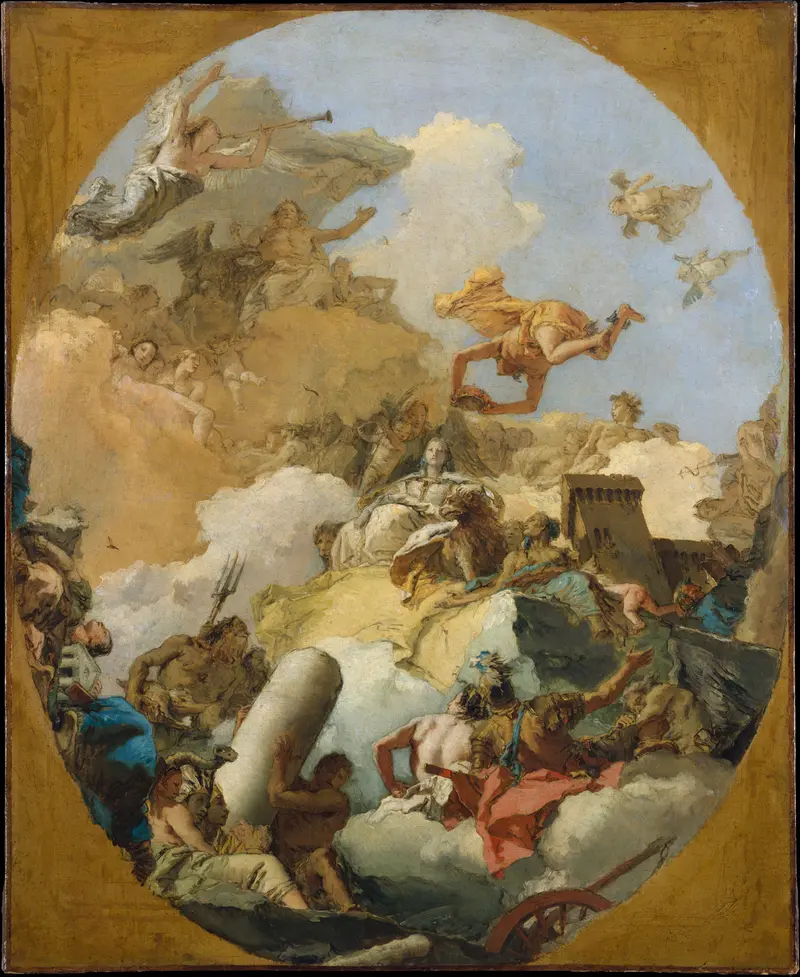
The Apotheosis of the Spanish Monarchy
Giovanni Battista Tiepolo





