
Portrait of a Man (possibly José Nieto, c.1635–1645) — History & Facts
No one can say for certain who sits for Portrait of a Man (possibly José Nieto, c.1635–1645), yet the speculation itself has become part of its fascination. Some believe the sitter is José Nieto, the royal tapestry master who appears in the background of Las Meninas, Velázquez’s most celebrated painting. The uncertainty has fueled centuries of debate, with each new theory reflecting the shifting priorities of art historians and connoisseurs.
This air of mystery is heightened by the painting’s lack of inscription or clear provenance, leaving viewers to search the sitter’s face for clues. The man regards us directly, his gaze steady and thoughtful, lips pressed in a subtle line that suggests reserve. Velázquez captures the sitter at a moment of composed stillness, his dark clothing and plain background focusing all attention on the face. The light falls softly across his features, modeling the flesh with a realism that was rare in the Baroque period, and recalling the psychological depth seen in Rembrandt’s portraits.
There are no emblems or attributes to identify the man’s rank or profession—only the painter’s brushwork, which animates the sitter’s presence and invites us to meet him as an individual. The painting’s early history is uncertain, as is often the case with Velázquez’s lesser-known portraits. It likely remained in private hands for centuries, its attribution to Diego Velázquez sometimes questioned due to its understated style and lack of documentation. Today, it is recognized as a significant example of Velázquez’s mature portraiture, painted during his later years in Madrid.
The work is now housed in a major public collection, where it continues to intrigue visitors with its quiet dignity and the enduring riddle of its sitter’s identity.
More Artworks by Diego Velázquez

Las Meninas
Diego Velázquez

The Triumph of Bacchus
Diego Velázquez

Rokeby Venus
Diego Velázquez

Equestrian Portrait of Prince Balthasar Charles
Diego Velázquez

Bacchus
Diego Velázquez

Don Gaspar de Guzmán (1587–1645), Count-Duke of Olivares
Diego Velázquez
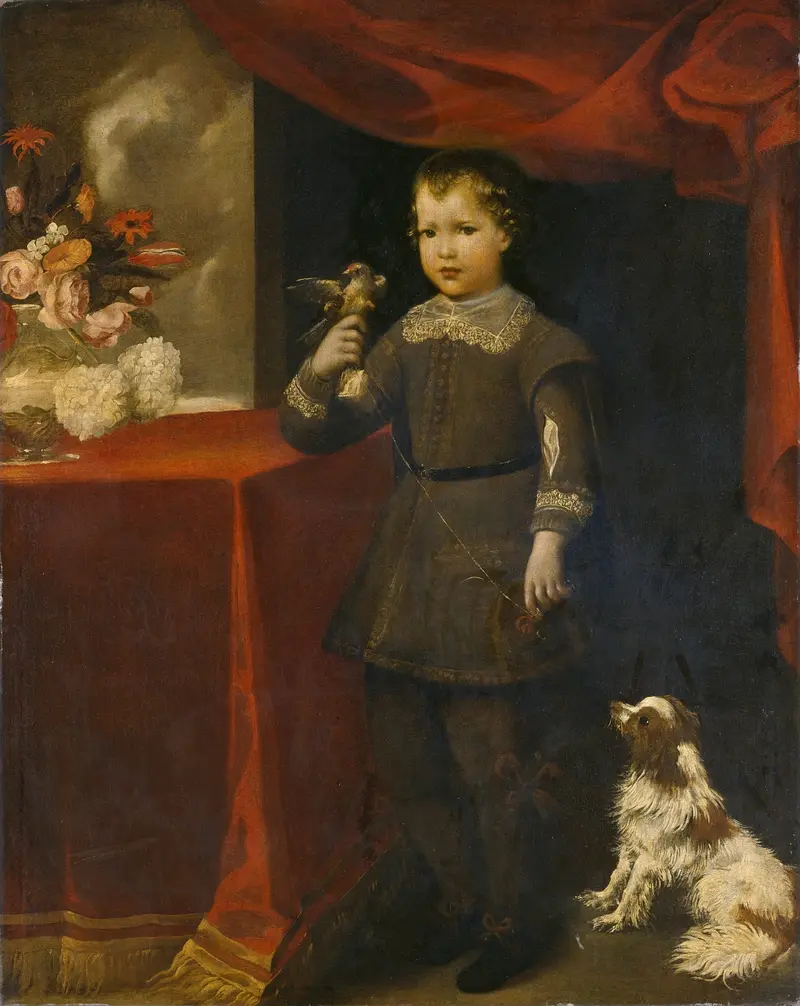
El príncipe Baltasar Carlos de Austria
Diego Velázquez

Equestrian Portrait of Philip III
Diego Velázquez

Equestrian Portrait of Margarita of Austria
Diego Velázquez
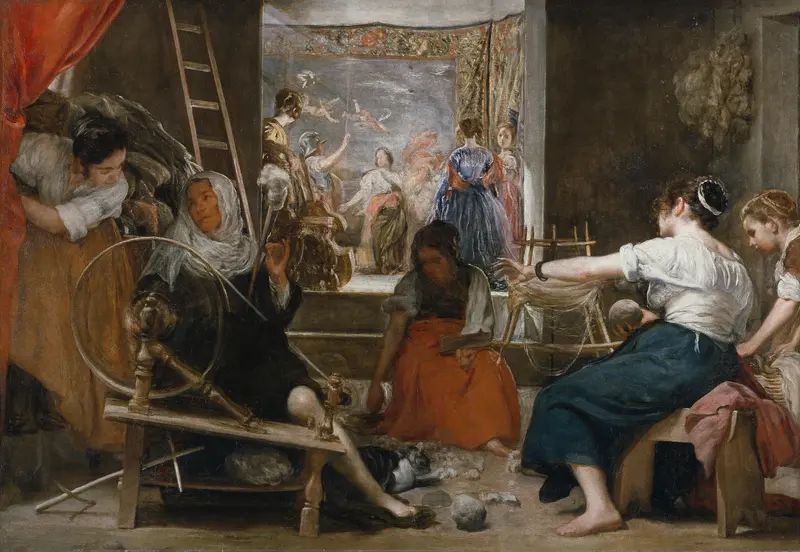
Las Hilanderas
Diego Velázquez




