
Portrait of a nobleman — History & Facts
In 1623, a young Diego Velázquez arrived in Madrid, summoned from Seville to paint at the court of King Philip IV. Among his earliest commissions in the capital was Portrait of a nobleman, a work shrouded in some mystery: the sitter’s identity has never been definitively established, and speculation has ranged from court favorites to literary figures of the day. What is certain is that this portrait marked Velázquez’s first foray into the rarefied world of the Spanish aristocracy, a world he would soon come to dominate as the king’s official painter. The nobleman sits turned slightly, his gaze level and direct, his dark attire set off by a crisp white collar and a gold chain glinting at his chest.
Velázquez captures not just the sitter’s likeness but an air of reserved authority, using the play of light to sculpt the face and hands from the dim background. The sitter’s right hand, poised on a chair or table, hints at both confidence and restraint—a pose that recalls the psychological depth found in Titian’s Venetian portraits, which Velázquez admired. The absence of overt symbols or heraldic devices invites the viewer to focus on the man himself, his status conveyed through bearing rather than display. Though the exact patron is unknown, portraits such as this were typically commissioned by noble families eager to assert their prestige at court.
Portrait of a nobleman has remained in Spain since its creation, passing through private collections before entering the national holdings. Today, it is recognized as a key early work in Velázquez’s career, revealing the subtlety and realism that would soon revolutionize Spanish portraiture. The painting’s uncertain attribution in earlier centuries—sometimes misidentified as the work of a lesser hand—has given way to consensus, as scholars trace the confident brushwork and psychological insight that would become Velázquez’s signature.
More Artworks by Diego Velázquez

Las Meninas
Diego Velázquez
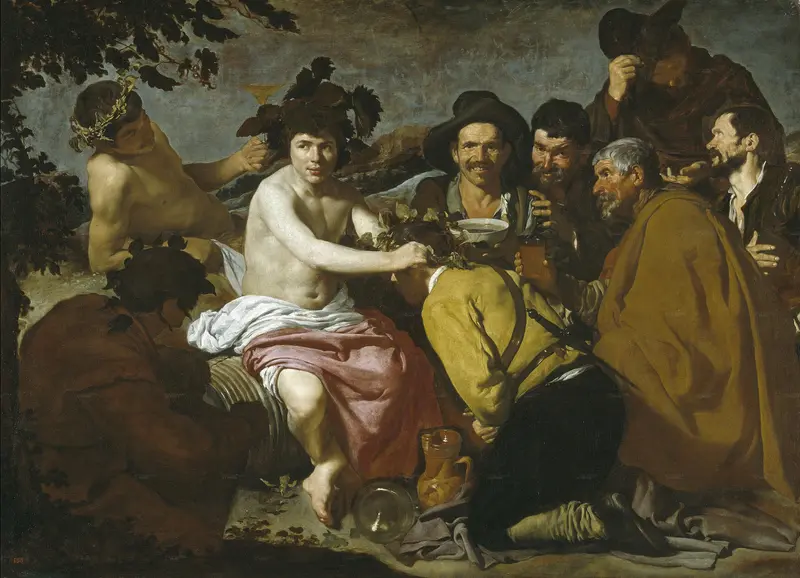
The Triumph of Bacchus
Diego Velázquez
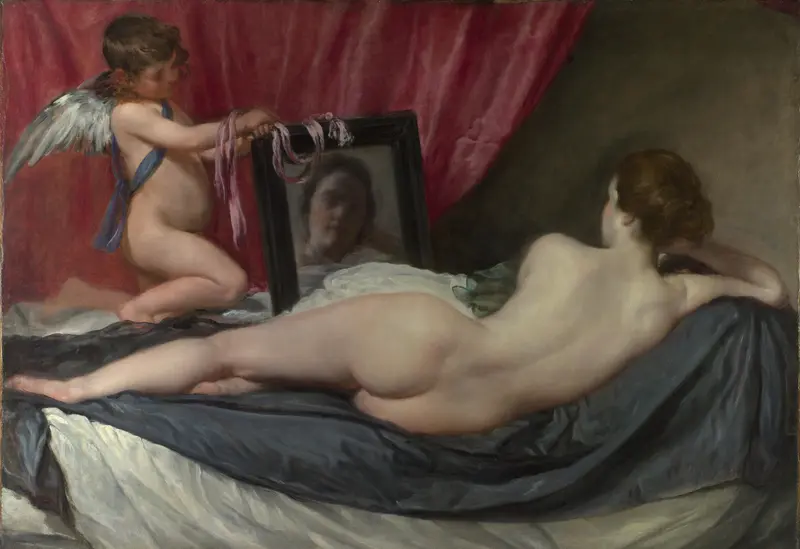
Rokeby Venus
Diego Velázquez
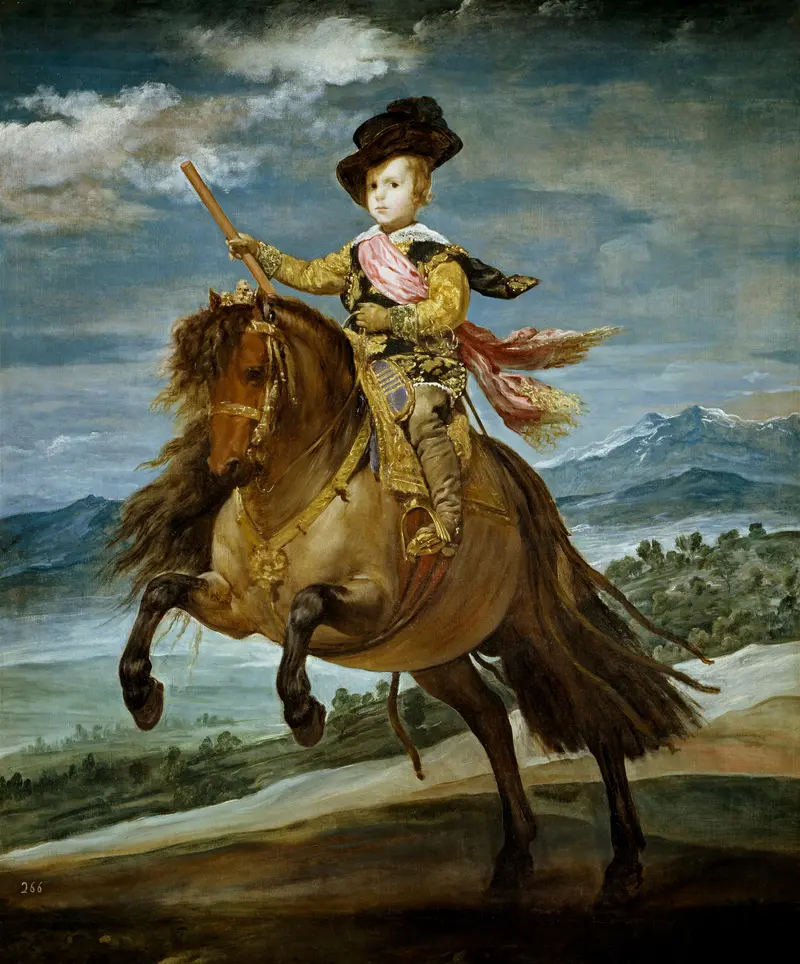
Equestrian Portrait of Prince Balthasar Charles
Diego Velázquez
Bacchus
Diego Velázquez
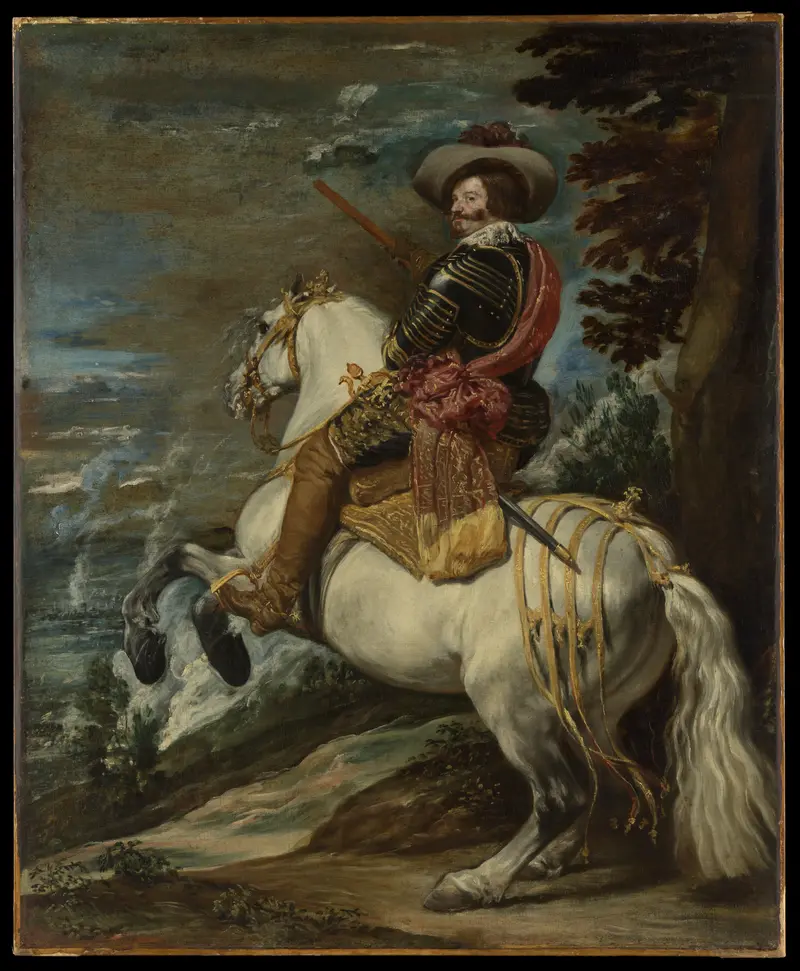
Don Gaspar de Guzmán (1587–1645), Count-Duke of Olivares
Diego Velázquez
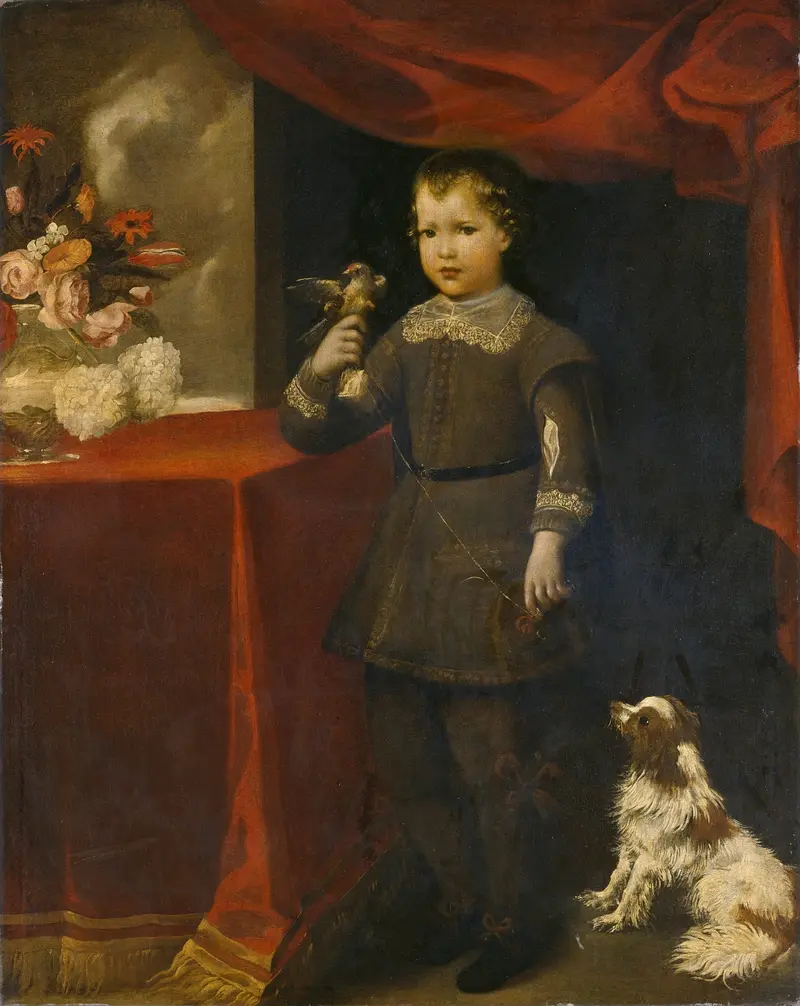
El príncipe Baltasar Carlos de Austria
Diego Velázquez
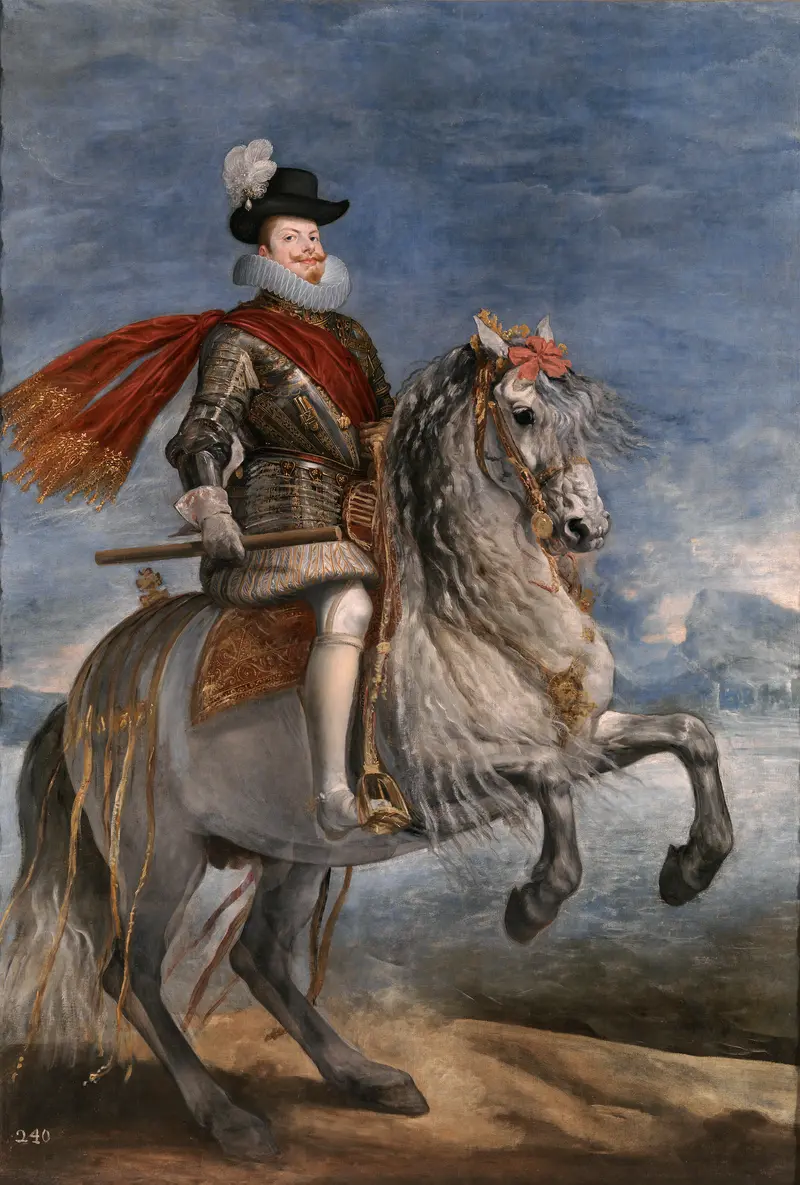
Equestrian Portrait of Philip III
Diego Velázquez
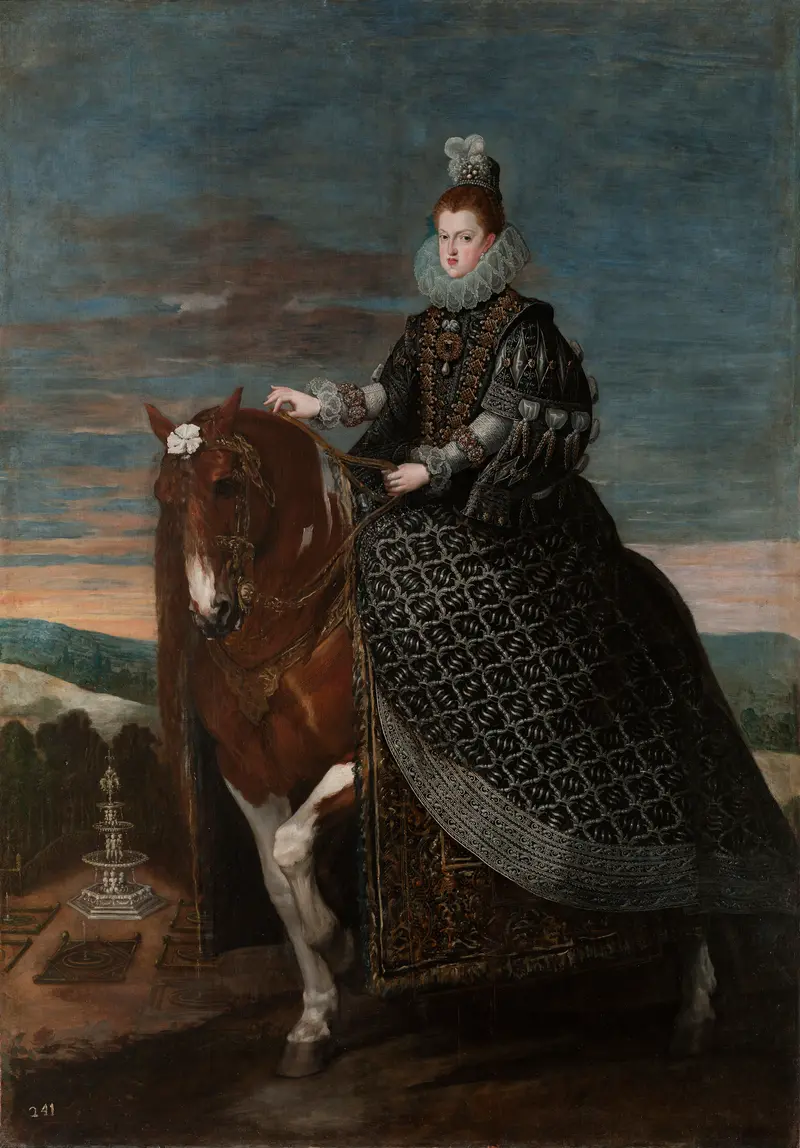
Equestrian Portrait of Margarita of Austria
Diego Velázquez
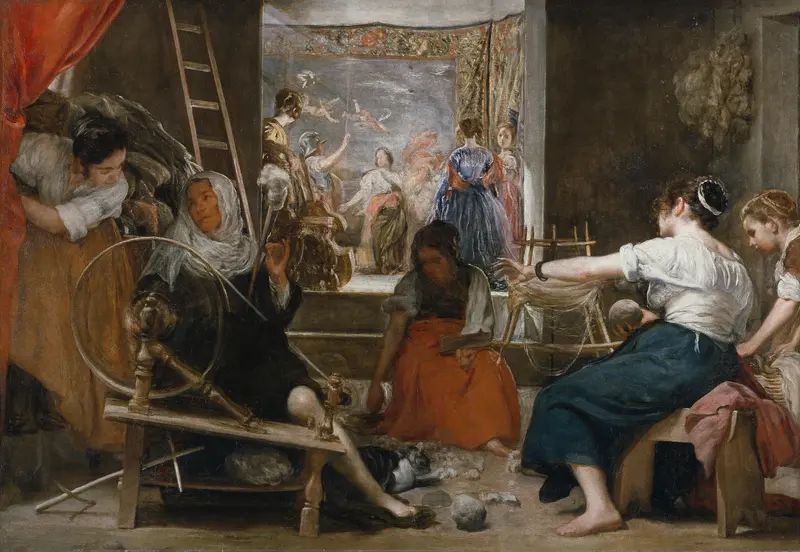
Las Hilanderas
Diego Velázquez




