
Portrait of a Woman — History & Facts
When Mary Cassatt unveiled Portrait of a Woman in 1872, she was still a relative newcomer in Paris, one of the few American women to break into the French art world. What makes this work especially notable is its timing: painted just before Cassatt would join the circle of Impressionists, it stands at the threshold of her artistic transformation. The sitter’s identity remains uncertain, fueling speculation among scholars—was she a Parisian acquaintance, a family member, or simply a hired model? This air of mystery has persisted for over a century, with no definitive answer emerging from Cassatt’s surviving letters or exhibition records. The painting captures a moment of quiet introspection: the woman, seated and turned slightly away from the viewer, gazes into the middle distance.
Her expression is reserved, almost guarded, while her hands—folded in her lap—suggest composure and self-possession. Cassatt’s brushwork is careful, her palette subdued, with soft light illuminating the sitter’s face and the folds of her dress. Unlike the more formal, idealized portraits of Academic painters such as Jean-Auguste-Dominique Ingres, Cassatt’s approach is intimate and unsentimental, emphasizing the psychological presence of her subject over decorative detail.
The absence of overt symbols or narrative props keeps the focus squarely on the woman herself, inviting viewers to consider her inner life. The early 1870s were a period of experimentation and searching for Cassatt, who was still finding her voice amid the traditions of academic portraiture and the emerging Impressionist movement. Portrait of a Woman was likely painted in her Paris studio, and though it never achieved the fame of her later works, it marks a crucial step in her evolution. The painting’s provenance is somewhat obscure; it passed through private collections before entering the public sphere, and today it is recognized as an important example of Cassatt’s pre-Impressionist period.
Its restrained elegance and psychological depth foreshadow the innovations that would soon make Mary Cassatt one of the leading figures of modern portraiture.
More Artworks by Mary Cassatt

The Child's Bath
Mary Cassatt
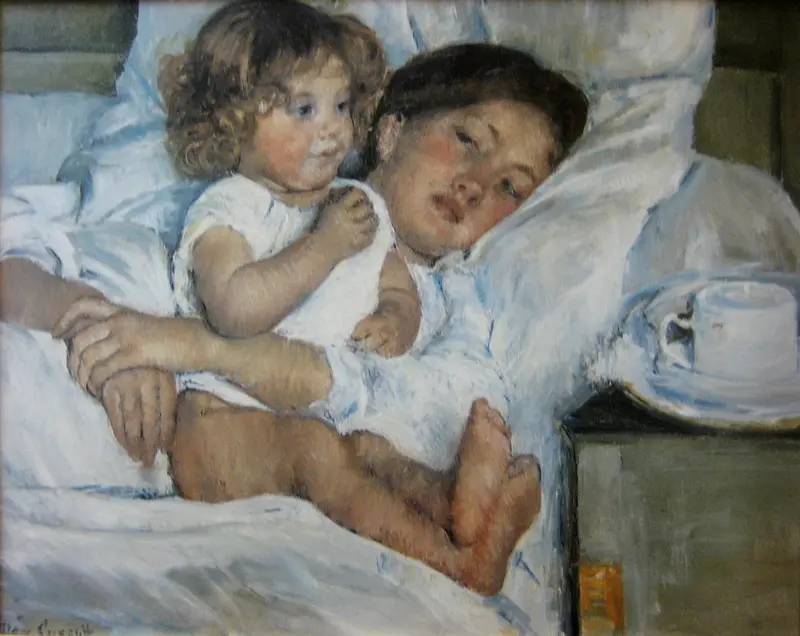
Breakfast in Bed
Mary Cassatt

Mother and Child (Baby Getting Up from His Nap)
Mary Cassatt
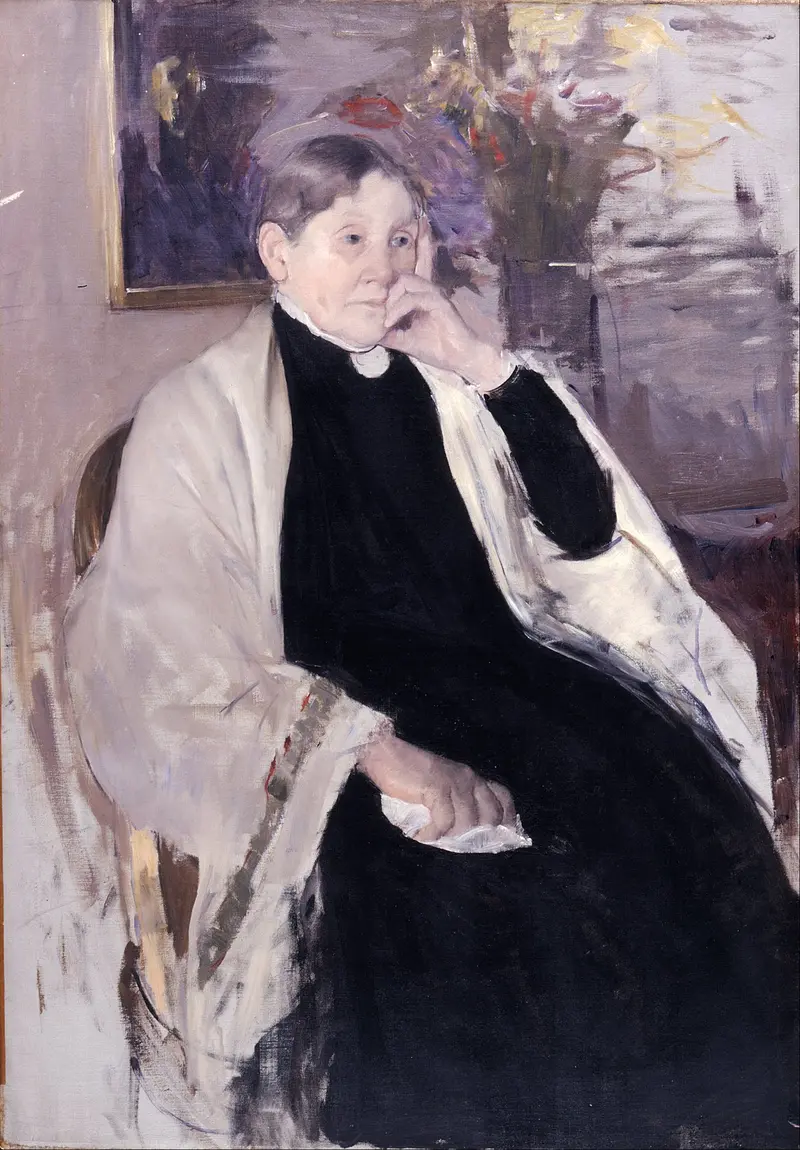
Mrs. Robert S. Cassatt, the Artist's Mother
Mary Cassatt
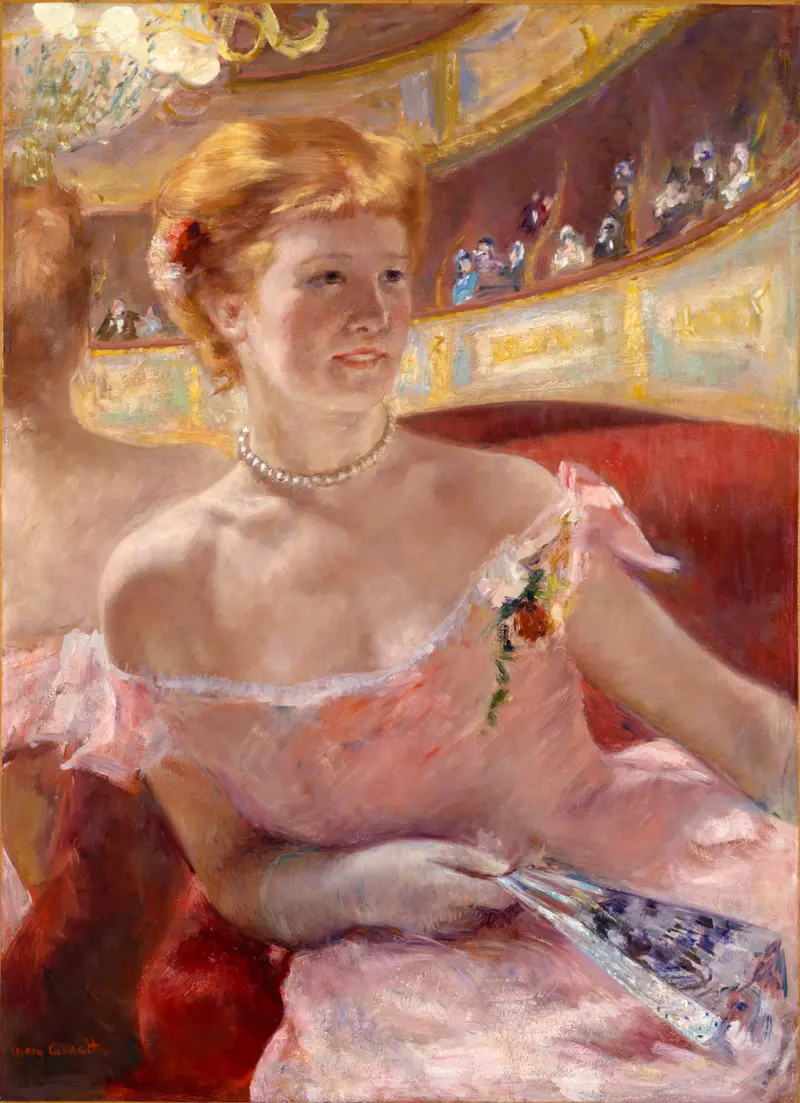
Woman with a Pearl Necklace in a Loge
Mary Cassatt
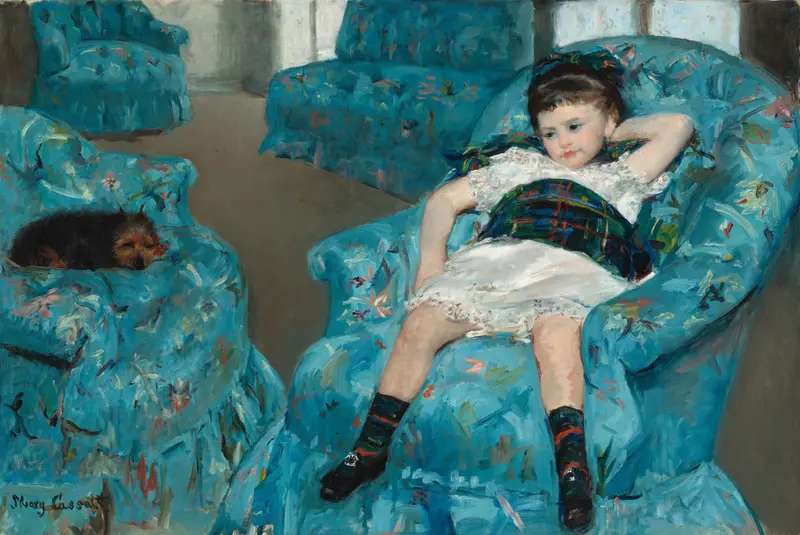
Little Girl in a Blue Armchair
Mary Cassatt
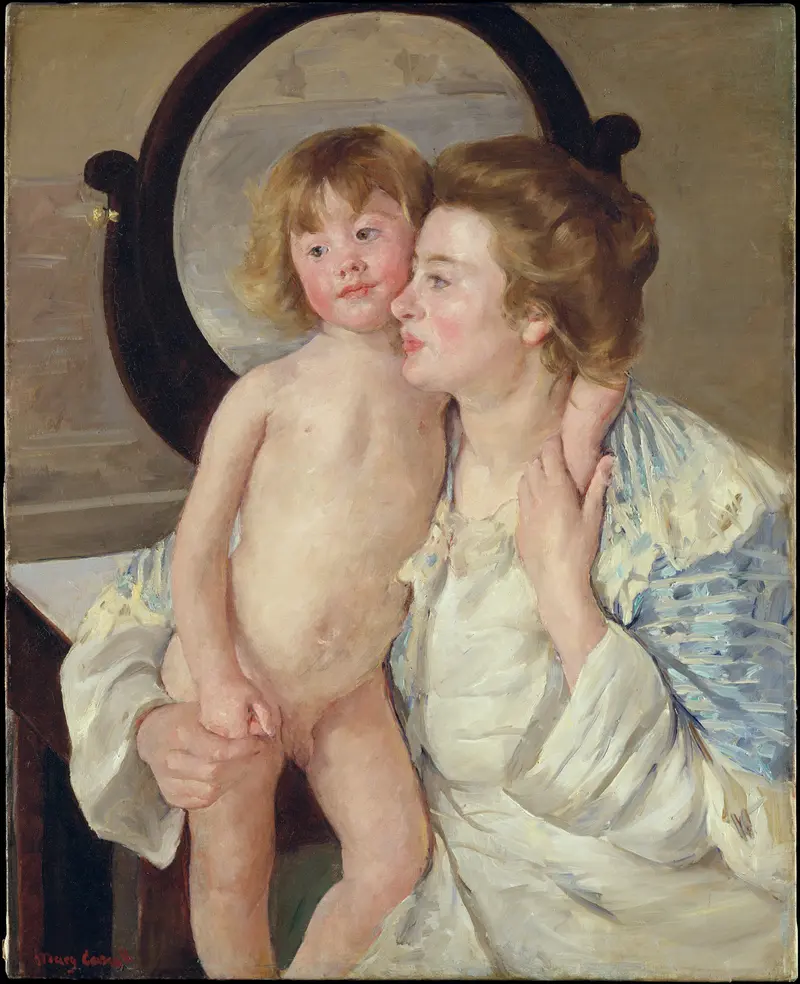
Mother and Child (The Oval Mirror)
Mary Cassatt
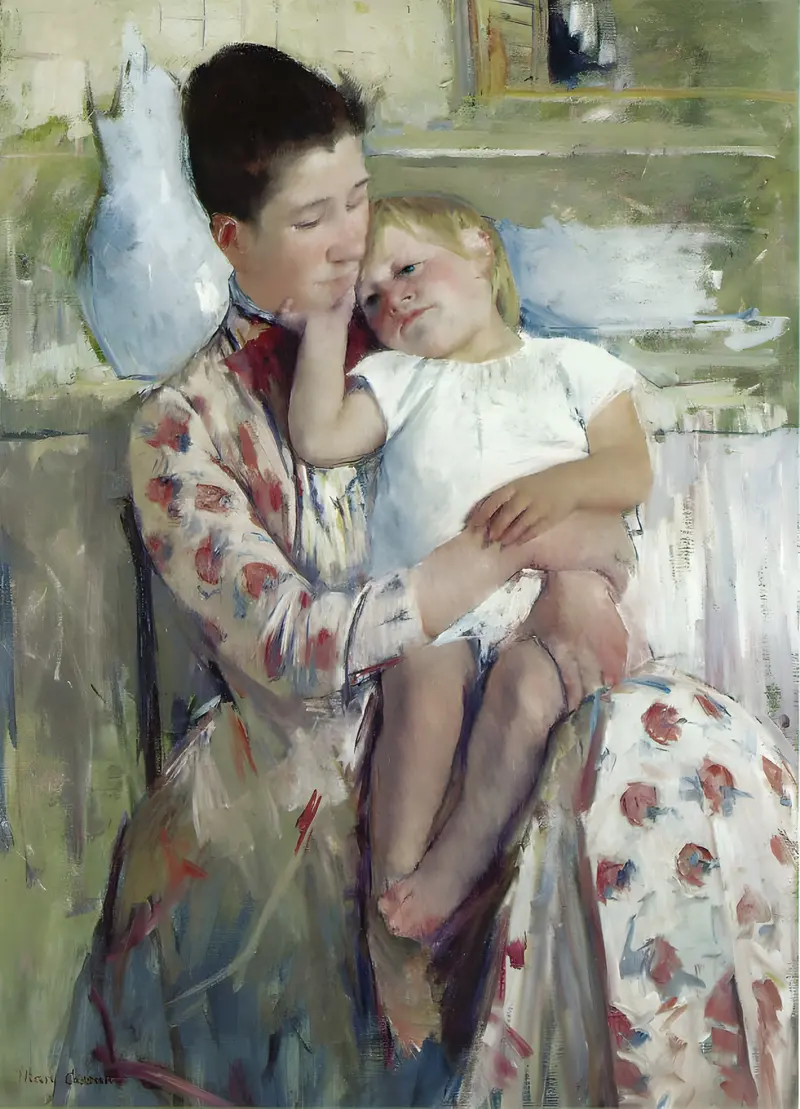
Mother and Child
Mary Cassatt
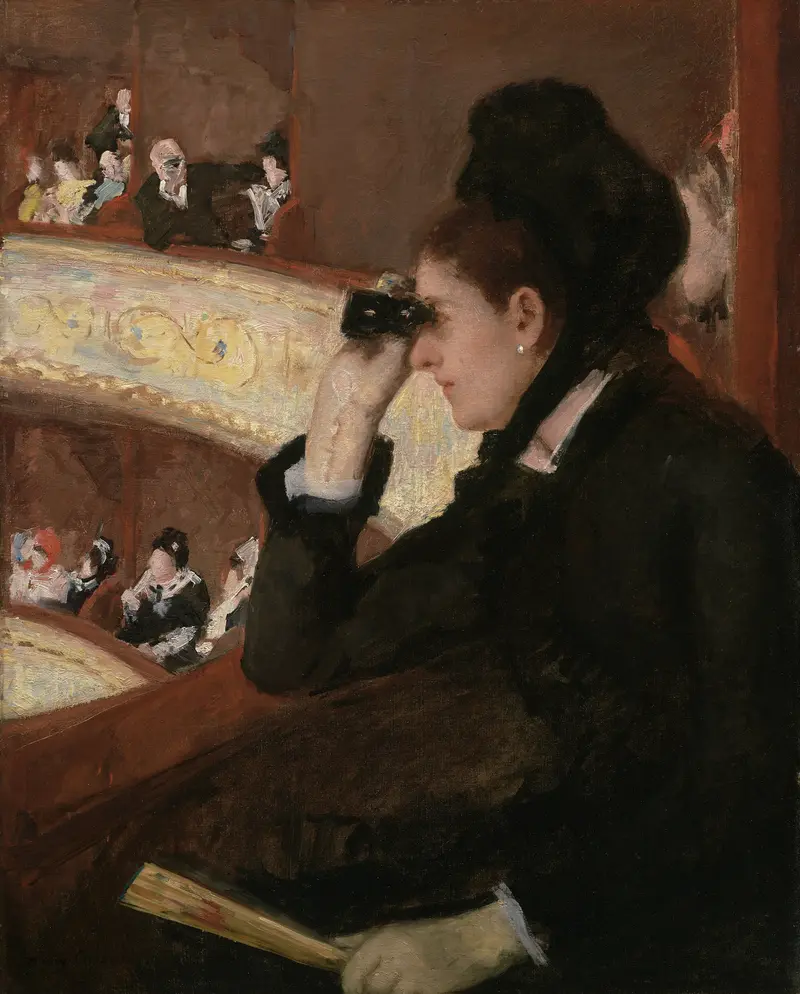
In The Loge
Mary Cassatt
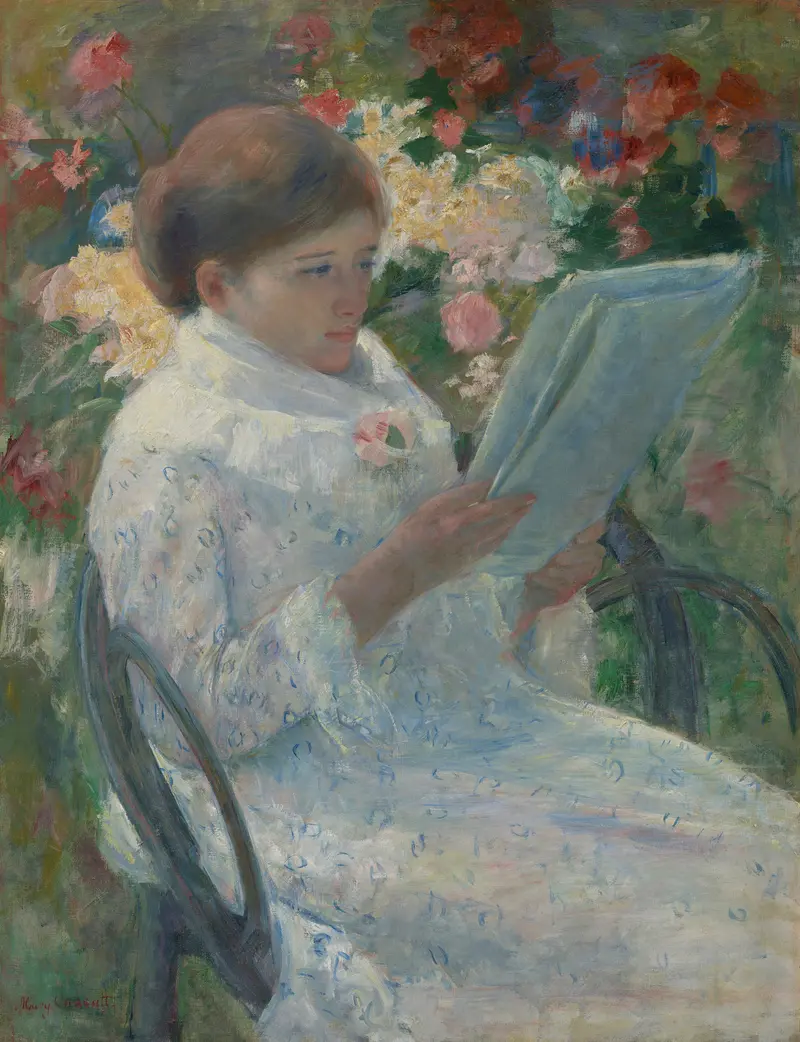
On a Balcony
Mary Cassatt





