
Portrait of a Young Woman – Portrait Study of Queen Bona (According to a Contemporary Woodcut) — History & Facts
Few portraits in Polish art have sparked as much discussion over their subject’s true identity as Portrait of a Young Woman – Portrait Study of Queen Bona (According to a Contemporary Woodcut) by Jan Matejko. The painting is believed to be a study for the artist’s ambitious series of royal likenesses, yet its attribution to Queen Bona Sforza relies on comparison with a single sixteenth-century woodcut, raising questions about how closely Matejko’s vision matches historical reality. The tension between historical documentation and artistic reconstruction is at the heart of this work, reflecting Matejko’s lifelong fascination with Poland’s royal past and the challenge of visualizing figures for whom few reliable images survive. In this portrait, the young woman’s gaze is direct, her features framed by a headdress and jewelry that echo Renaissance styles, signaling both nobility and foreign origins—a nod to Bona Sforza’s Italian birth and her influential role as Queen of Poland.
The artist captures a moment of poised stillness, her hands gently clasped, suggesting both dignity and introspection. The careful rendering of her costume, with its intricate patterns and rich fabrics, invites comparison with contemporary depictions of European royalty, such as those by Hans Holbein the Younger, but Matejko’s approach is more interpretive than documentary. The light falls softly across her face, highlighting the intelligence and resolve for which Bona was known, while the subdued background keeps the viewer’s focus on her presence. The exact circumstances of this painting’s creation remain uncertain, as neither its date nor its original medium is firmly established.
It likely formed part of Matejko’s extensive research for his famous Gallery of Polish Kings and Princes, a project that sought to give visual form to the nation’s rulers using whatever historical evidence could be found. Over the years, the portrait has been reproduced in various publications and exhibitions, often as an example of how nineteenth-century artists reconstructed the past. Today, it stands as a testament to Matejko’s method: blending scholarship, imagination, and national pride to fill the gaps left by history.
More Artworks by Jan Matejko
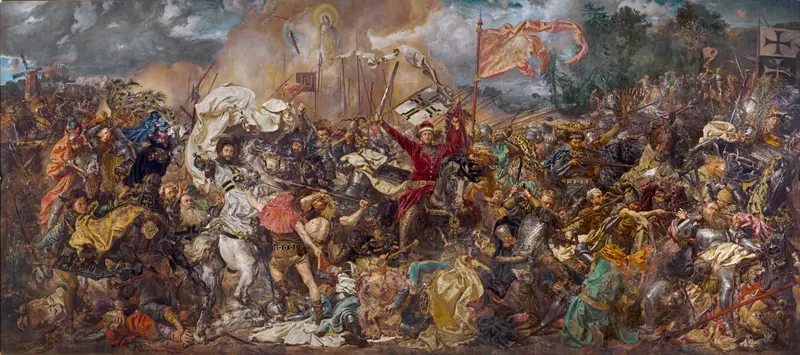
Battle of Grunwald
Jan Matejko

Stańczyk
Jan Matejko

Battle of Raclawice
Jan Matejko
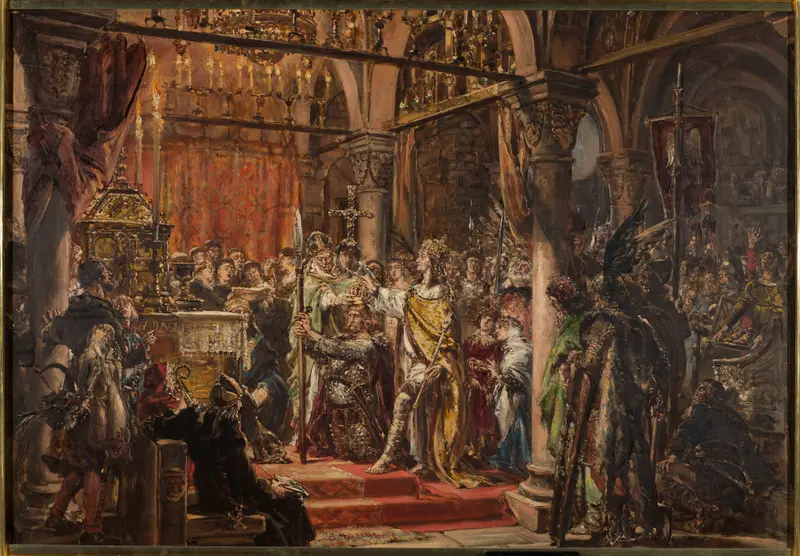
Coronation of the First King, 1001 AD, from the series “History of Civilization in Poland”
Jan Matejko
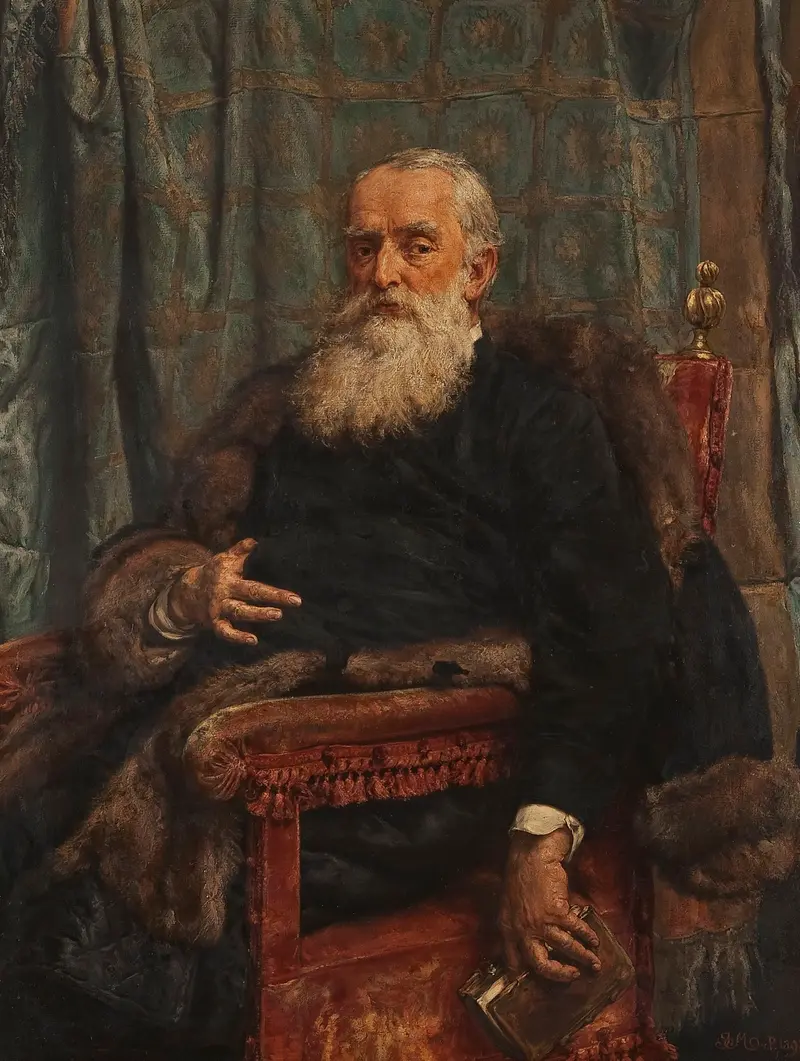
Portrait of Henryk Krajewski
Jan Matejko
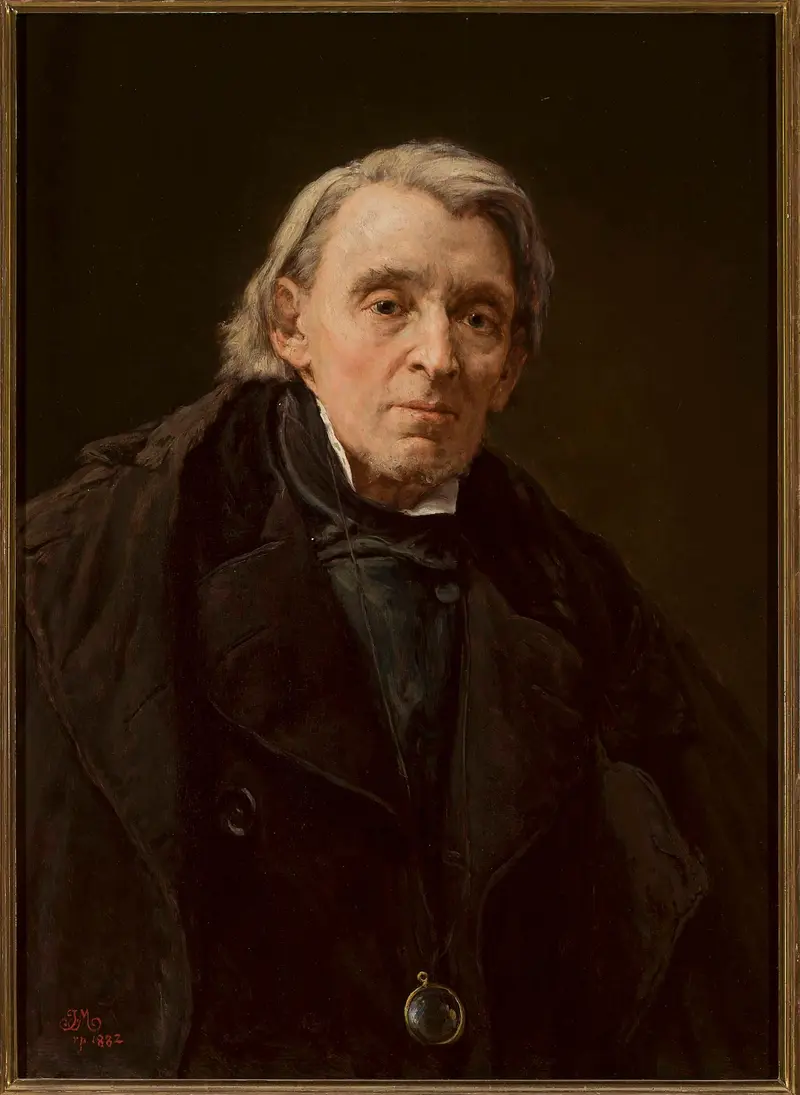
Portrait of Karol Podlewski
Jan Matejko
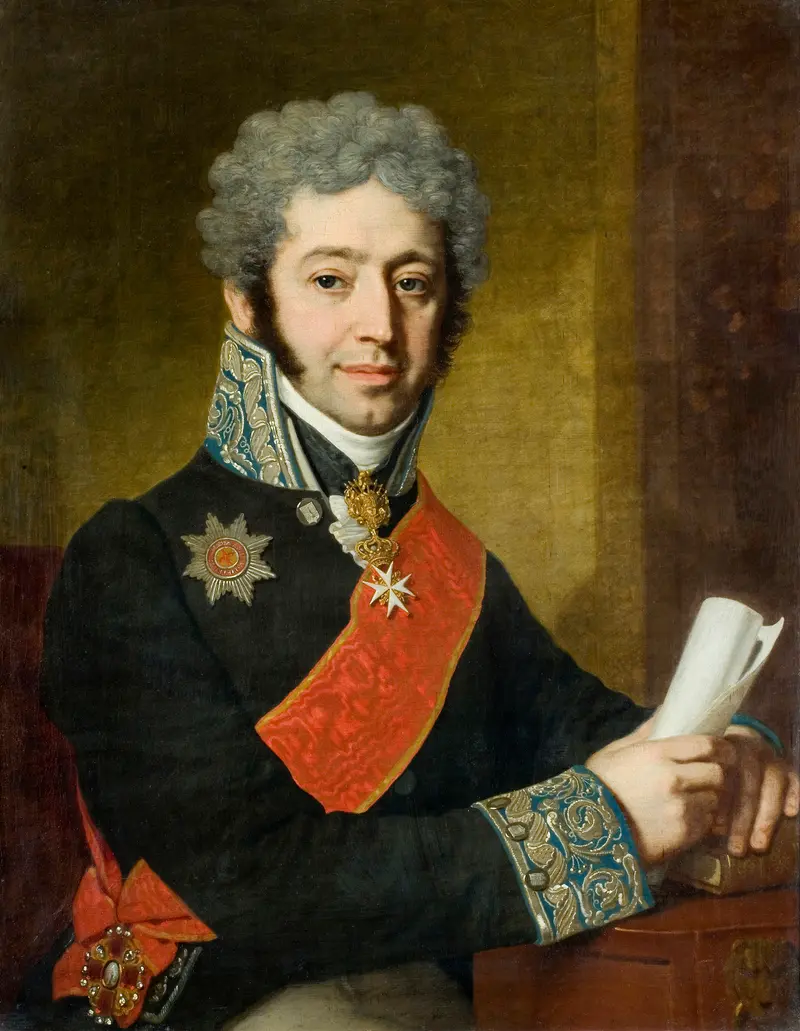
Portrait of Potocki and Poninski
Jan Matejko
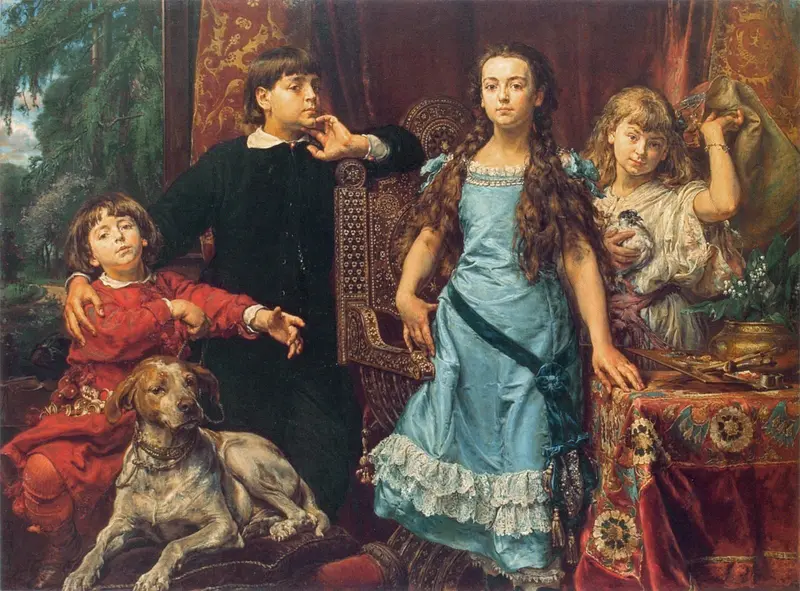
Portrait of the artist's four children
Jan Matejko
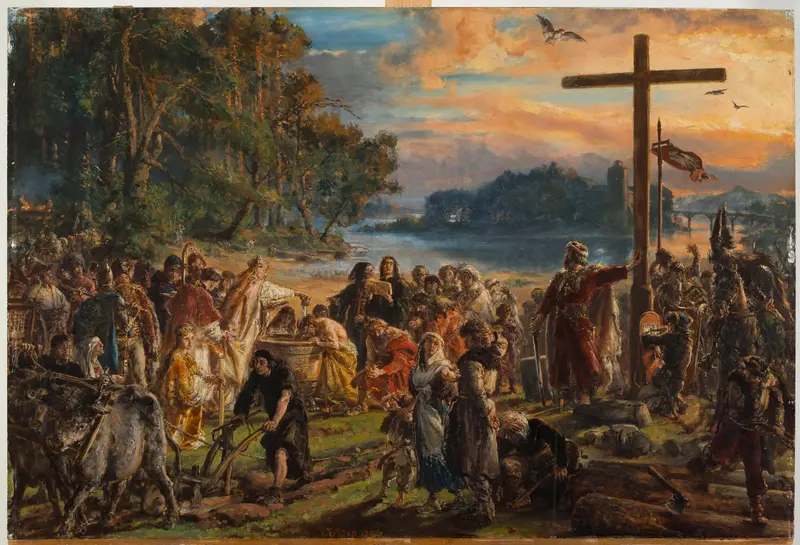
Introduction of Christianity in Poland
Jan Matejko
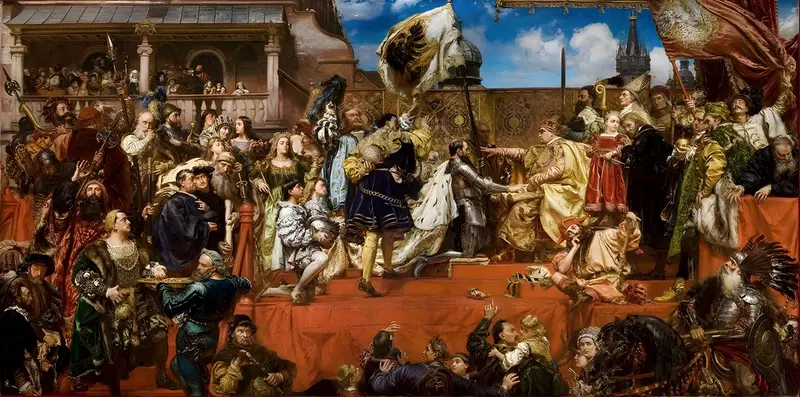
Prussian Homage
Jan Matejko





