
Portrait of Adam Elmore — History & Facts
When Théodore Géricault painted Portrait of Adam Elmore in 1821, he was still riding the waves of controversy and acclaim from his earlier work, The Raft of the Medusa. What makes this portrait remarkable is the enduring uncertainty that surrounds its sitter. Adam Elmore, whose name survives only through the painting’s title, has eluded identification by scholars for two centuries; some suggest he was an Englishman Géricault met during his stay in London, while others argue he may have been a model or acquaintance from Paris.
The painting’s mysterious provenance has fueled speculation and debate, making it a touchstone for discussions about identity and anonymity in portraiture. The portrait captures Elmore at a moment of pensive stillness, his gaze directed just past the viewer, lips pressed together in thought. Géricault’s handling of light carves the sitter’s features from a dark, nearly featureless background, drawing attention to the intensity of his expression and the tension in his hands, which rest tightly clasped in his lap. The artist’s brushwork is vigorous yet controlled, lending the flesh a sense of immediacy and presence.
Unlike the formal, idealized portraits of Ingres, Géricault’s approach is raw and searching, inviting viewers to ponder the inner life of an otherwise unknown man. The absence of symbolic objects or elaborate costume keeps the focus squarely on character, a hallmark of Géricault’s mature style. Little is known about the early history of Portrait of Adam Elmore, and the medium itself remains a subject of debate among curators—some posit oil on canvas, others suggest a mixed technique. The painting is not recorded in Géricault’s correspondence, nor does it appear in the major Parisian exhibitions of his lifetime, which has led some to speculate it was a private commission or a study never intended for public display.
Its whereabouts for much of the 19th century are unclear; it resurfaced in a London auction in the early 20th century, attributed to Géricault by comparison with his other English-period works. Today, the portrait is valued as a rare and intimate example from the artist’s late career, offering a glimpse into his fascination with the psychology of his sitters.
More Artworks by Théodore Géricault
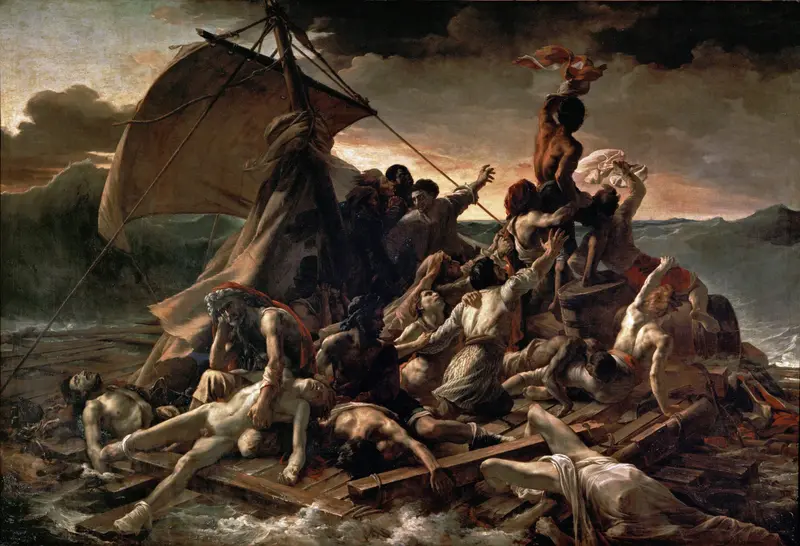
The Raft of the Medusa
Théodore Géricault

Géricault - Le naufrage du radeau de la Méduse, MBA 790
Théodore Géricault
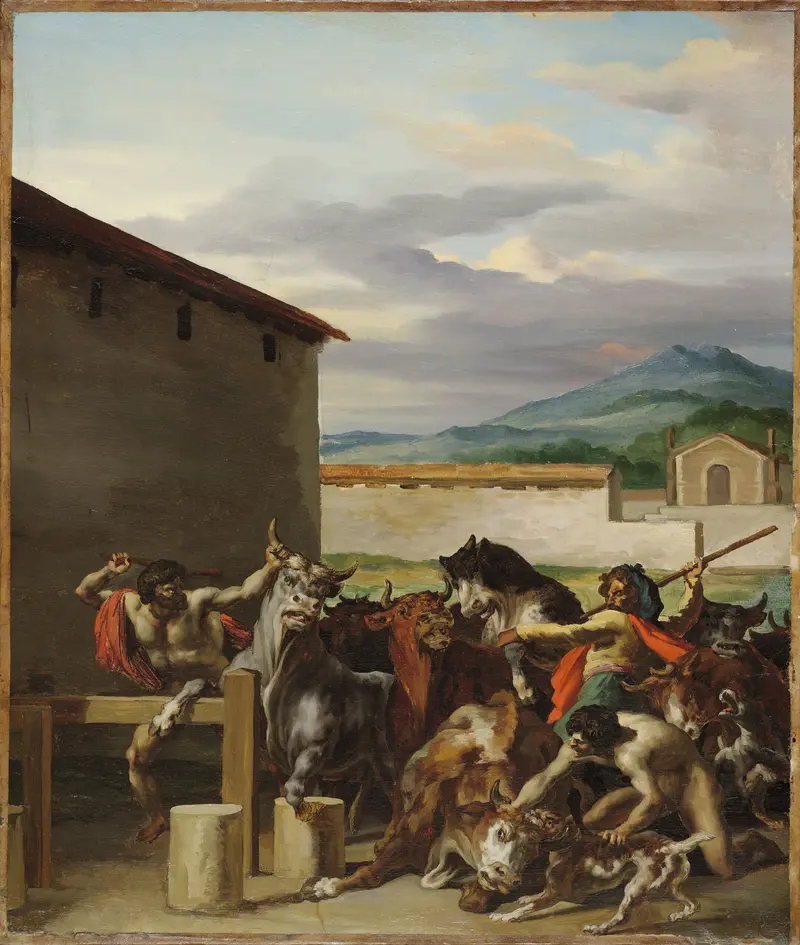
Cattle Market
Théodore Géricault
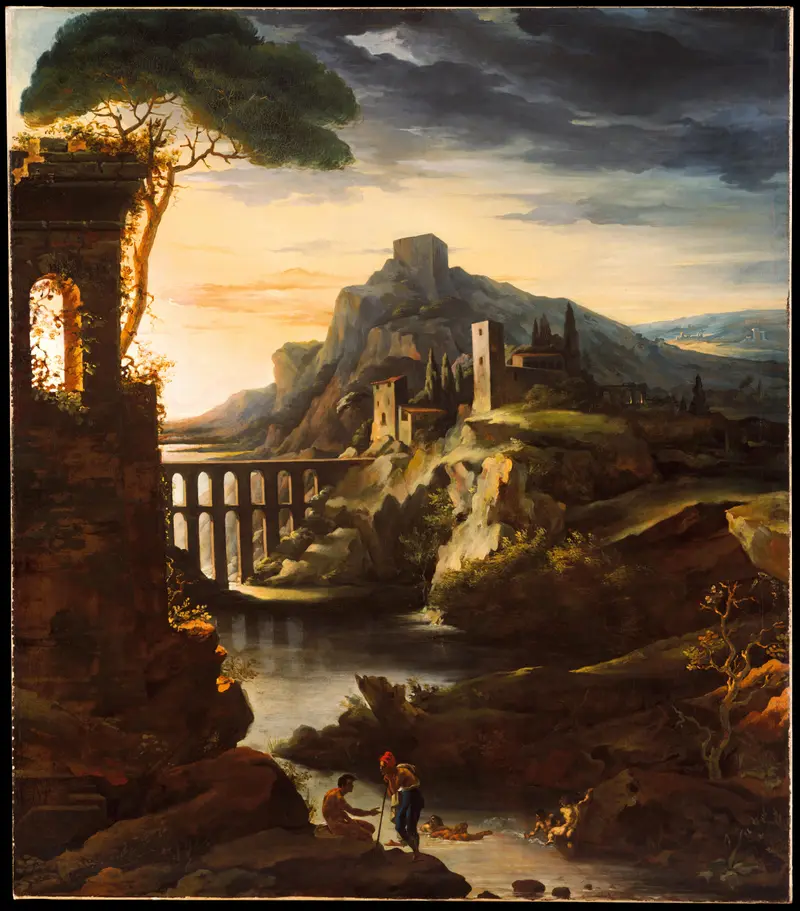
Evening; Landscape with an Aqueduct
Théodore Géricault
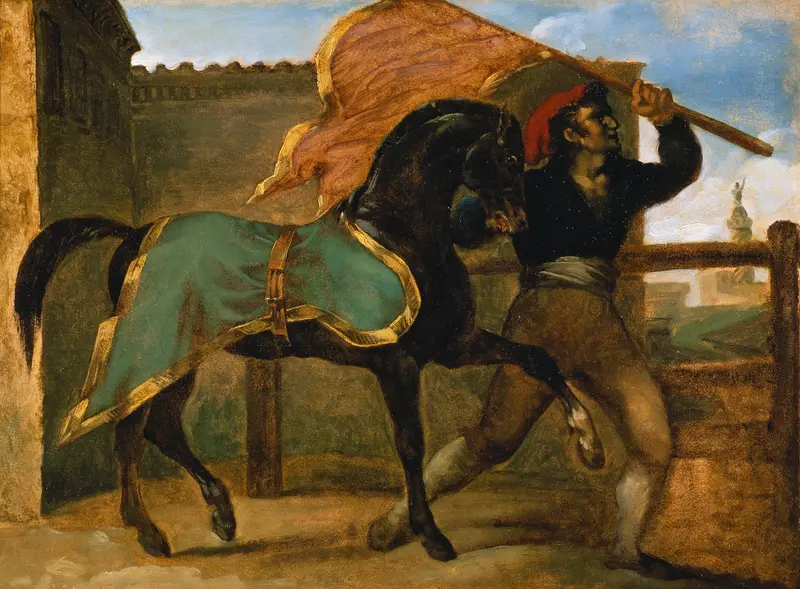
Horse Race
Théodore Géricault

Horses Standing in a Mews
Théodore Géricault
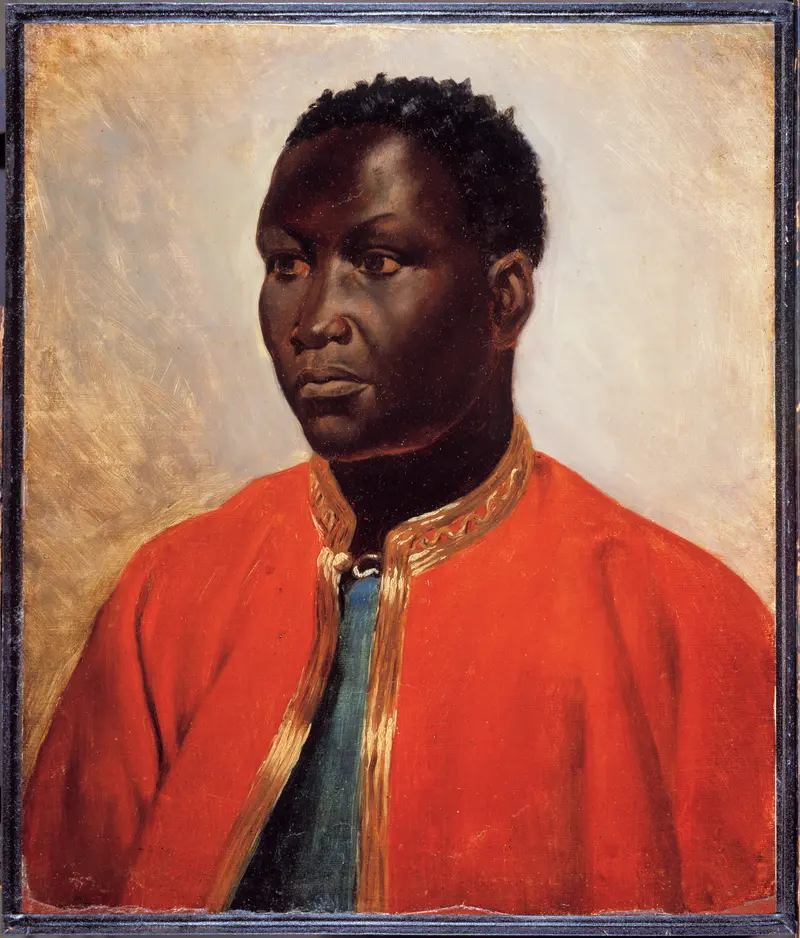
Portrait of a Negro
Théodore Géricault
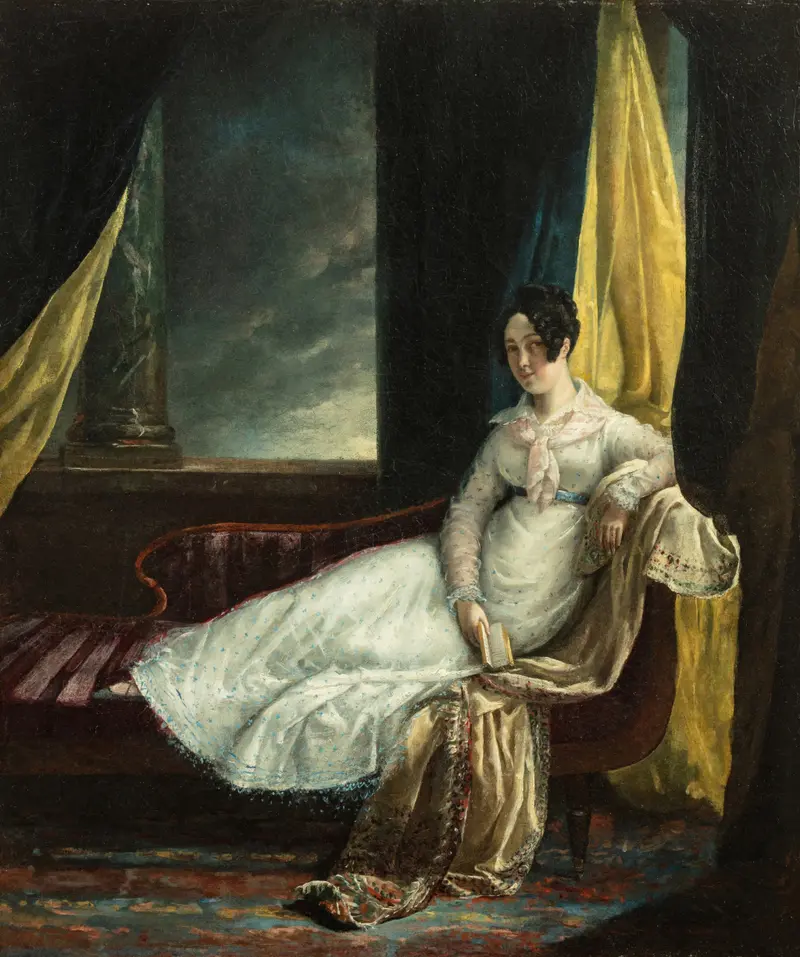
Portrait of Zoë Elmore
Théodore Géricault
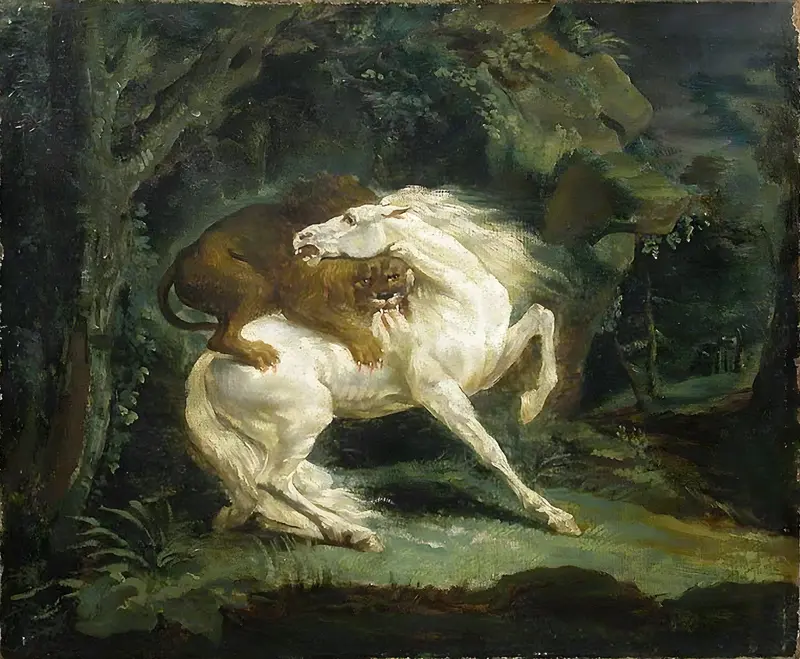
Cheval attaqué par un lion
Théodore Géricault
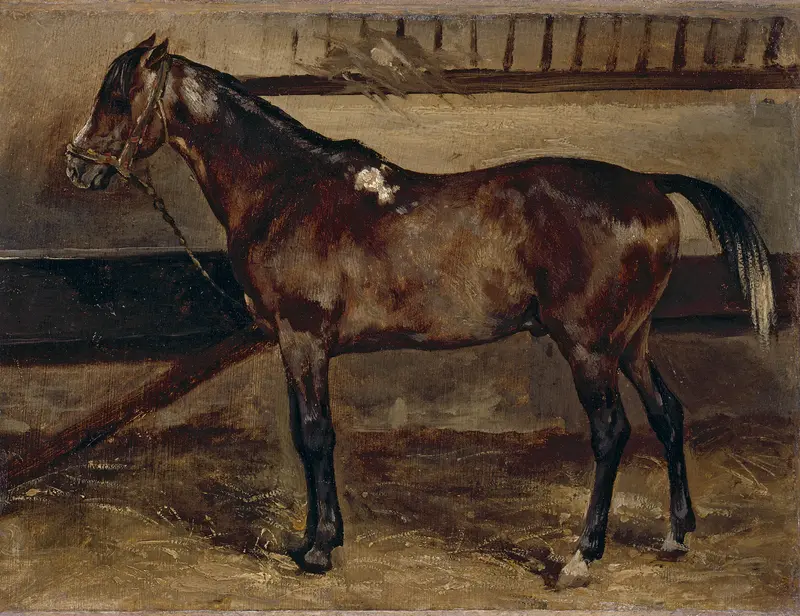
Cheval brun à l'écurie
Théodore Géricault





