
Portrait of Andrzej Dziubandowski — History & Facts
What first catches the viewer in Portrait of Andrzej Dziubandowski is the unyielding directness of the sitter’s gaze, a look that seems to weigh the observer as much as he is being observed. The play of light across his face carves out a presence that is both immediate and reserved—there is no theatrical backdrop, no ornament to distract from the silent conversation between viewer and subject. The crisp white of his shirt and the sharp edge of his bow tie act as visual anchors, pulling the eye back to the strong line of his jaw and the determined set of his lips.
The subdued, earthy palette and the soft, almost smoky brushwork around the head keep the focus on the man’s expression, suggesting a character shaped by thought as much as circumstance. Painted in 1860, this portrait by Aleksander Kotsis belongs to a period in which likenesses like these were both private mementos and public statements. In mid-19th-century Poland, portraiture was often a means for families and individuals to assert identity and continuity in a time of political uncertainty and shifting social structures. The work now resides in the National Museum in Kraków, a reminder of the era’s quiet insistence on dignity and individuality.
History has kept few traces of Andrzej Dziubandowski himself, but the artist’s attention to the smallest details—the glint in the eye, the careful grooming of the moustache—invites us to search for the man behind the name, and to linger in the charged stillness of his presence.
More Artworks by Aleksander Kotsis

Trip in the Tatra Mountains
Aleksander Kotsis

Fair in Nowy Targ
Aleksander Kotsis
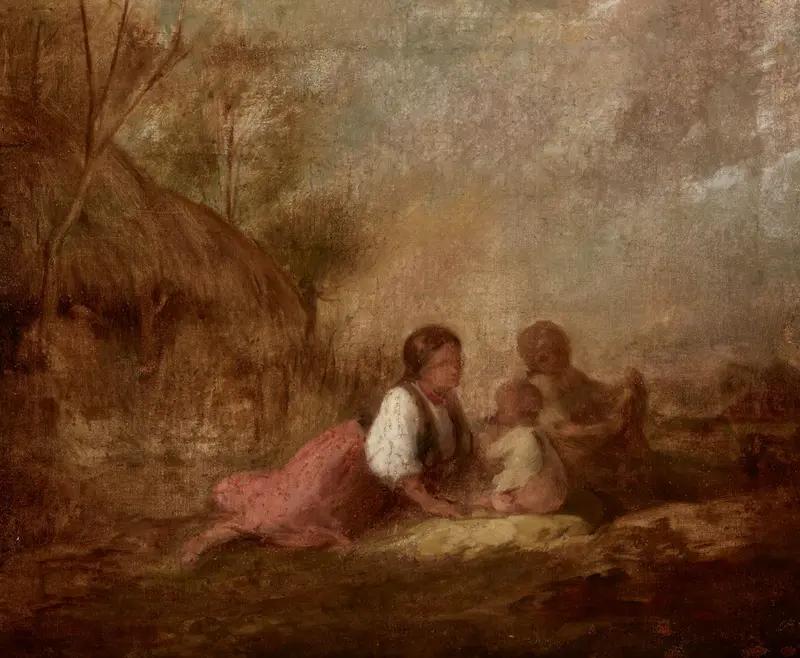
Pastoral Scene
Aleksander Kotsis
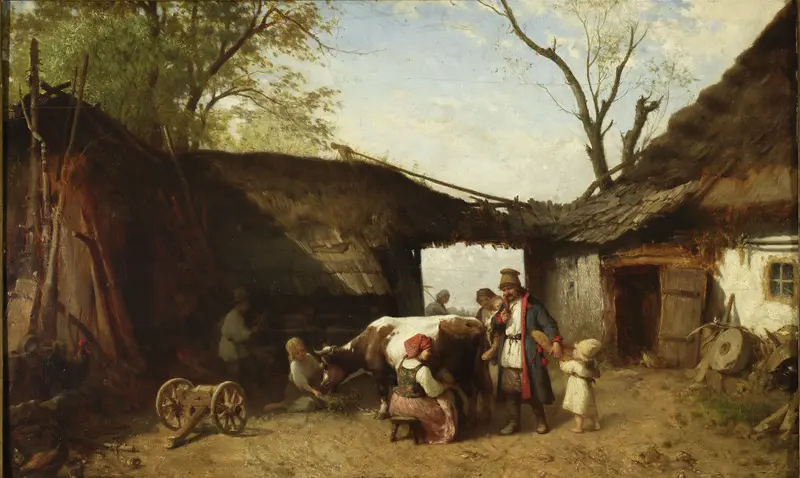
In the farmyard
Aleksander Kotsis
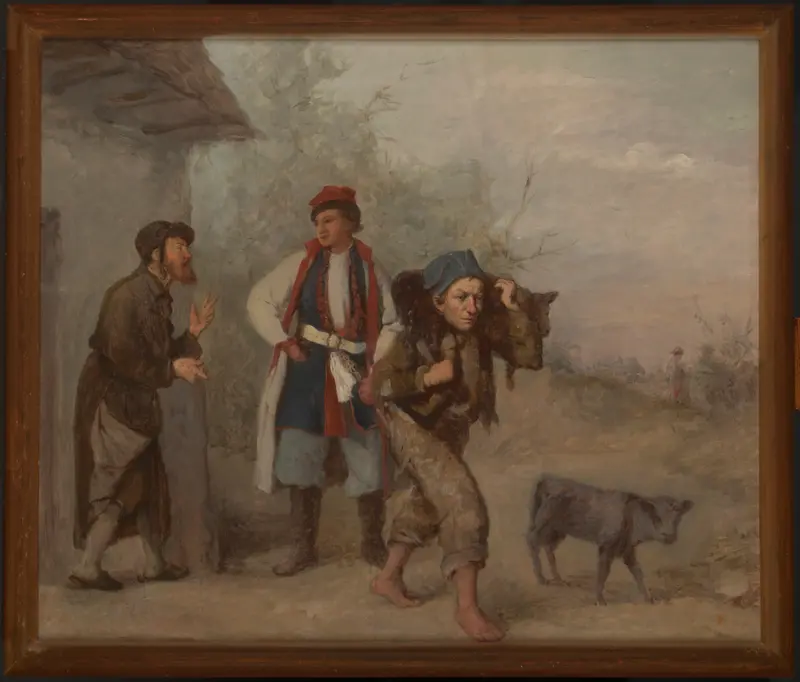
Haggling over a Calf
Aleksander Kotsis
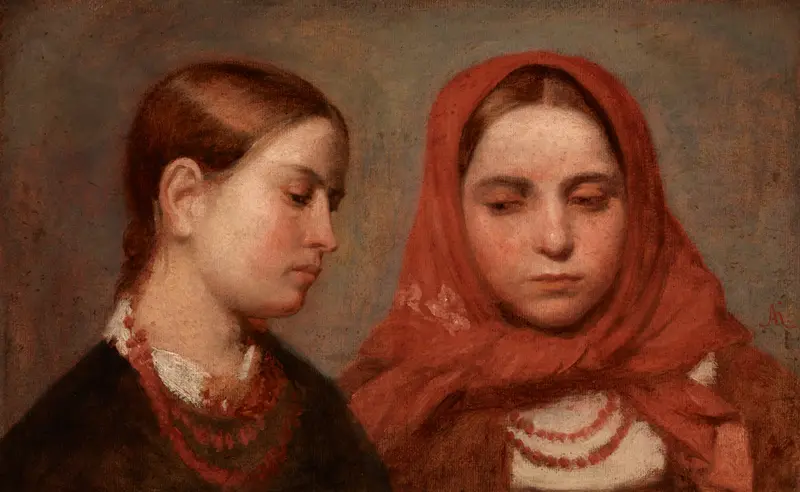
Heads of Two Young Girls
Aleksander Kotsis
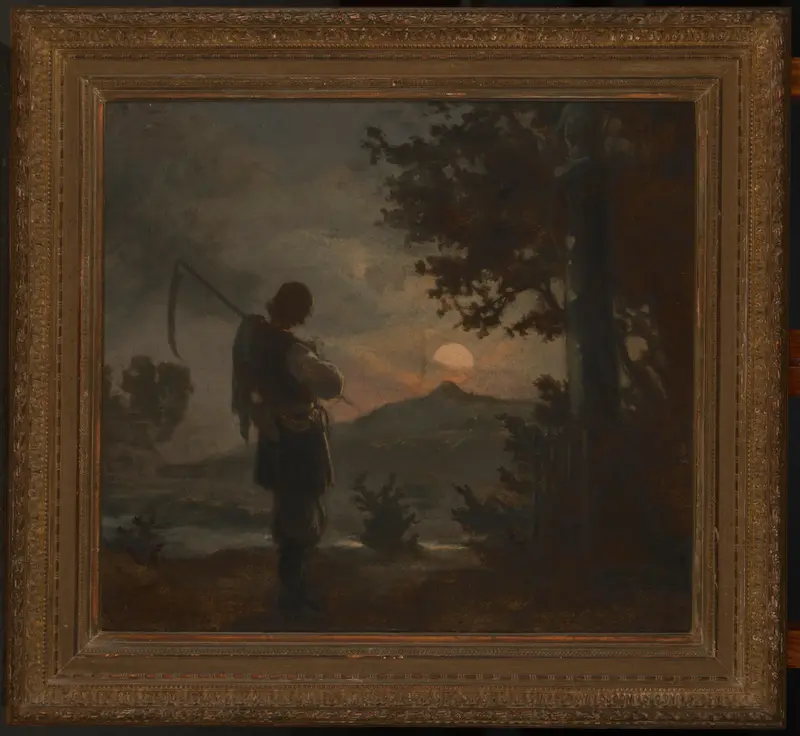
Haymaker
Aleksander Kotsis
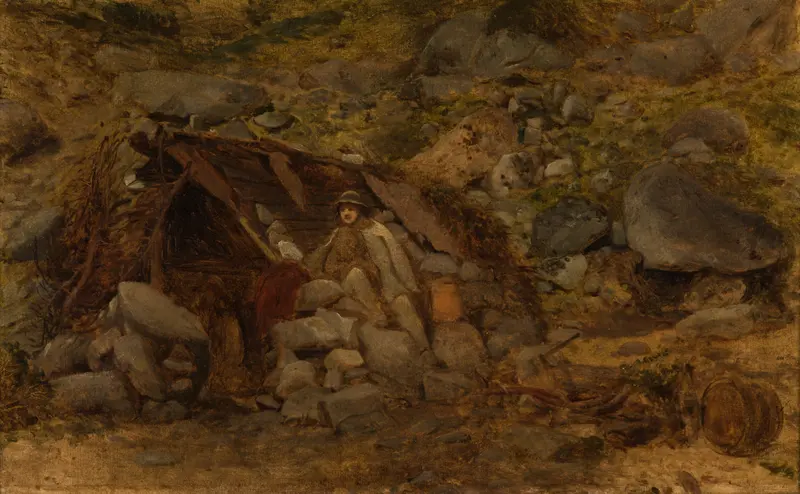
Highlander in Front of a Hut
Aleksander Kotsis
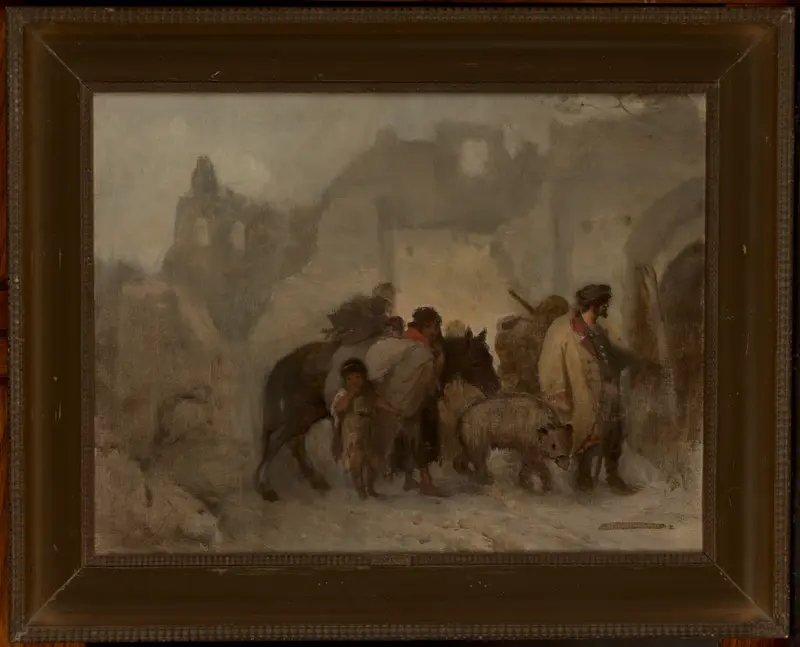
Gypsies
Aleksander Kotsis
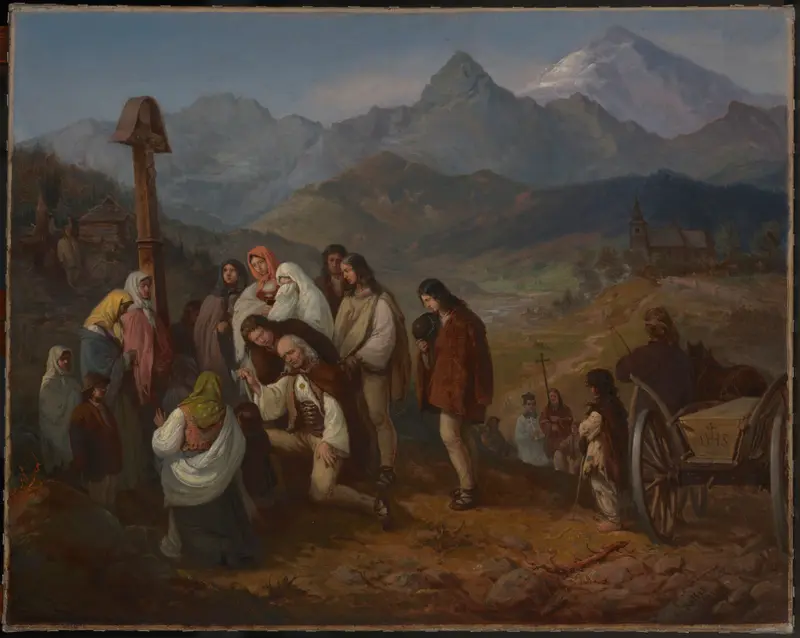
A Highlander's Funeral
Aleksander Kotsis





