
Portrait of Anna van der Aar — History & Facts
When Frans Hals painted Portrait of Anna van der Aar in 1626, he was at the height of his reputation in Haarlem, attracting commissions from the city’s most prosperous citizens. What makes this portrait particularly intriguing is that Anna van der Aar was the wife of Pieter Jacobsz Olycan, one of Haarlem’s wealthiest brewers and a key patron for Hals. The Olycan family commissioned several portraits from Hals, and Anna’s likeness forms part of a remarkable series that charts the rise of Haarlem’s merchant elite.
The painting’s pair, depicting her husband, still hangs in the same museum, allowing viewers to witness their partnership across the centuries. Anna is captured at a moment of composed dignity, her gaze steady, lips just hinting at a smile. She wears a starched ruff and a dark gown, her hands folded, a gold chain glinting at her neck—a mark of her family’s status and wealth. The light falls softly across her face, animating her features and lending a sense of immediacy that was new in Dutch portraiture.
Unlike the formal stiffness of earlier Netherlandish portraits, Hals’s loose, lively brushwork gives Anna a sense of presence and individuality, much as he does in his celebrated Portrait of Catharina Hooft. The details—the lace cuffs, the subtle play of light on her cheek—invite us to see not just a social type, but a living person. The painting’s early history is closely tied to the Olycan family, who likely displayed it in their Haarlem home alongside other family portraits by Frans Hals. Over the centuries, the painting passed through several private collections before entering the public sphere.
Scholars have sometimes debated the identification of the sitter, but documents from the period support the attribution to Anna van der Aar. Today, Portrait of Anna van der Aar is held in the collection of the Frans Hals Museum in Haarlem, where it stands as a testament to the artist’s revolutionary approach to portraiture and his close ties to the city’s elite families.
More Artworks by Frans Hals

Banquet of the Officers of the St George Civic Guard
Frans Hals

Portrait of Jacob Pietersz Olycan (1596-1638)
Frans Hals
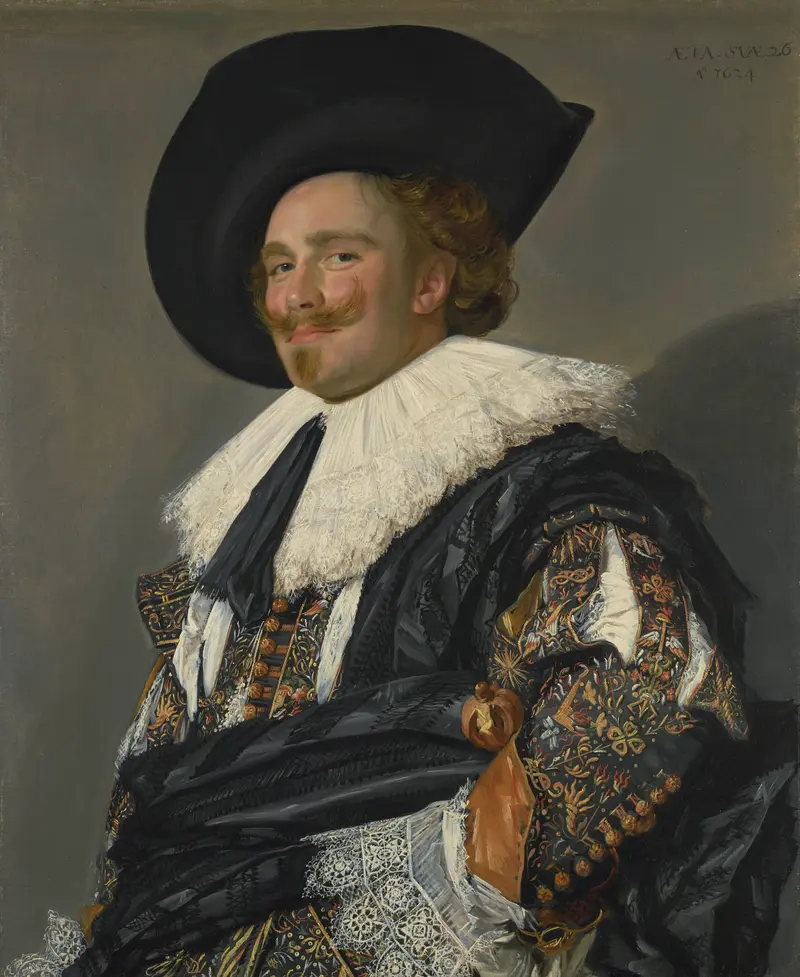
Laughing Cavalier
Frans Hals

Militia Company of District XI under the Command of Captain Reynier Reael, Known as ‘The Meagre Company’
Frans Hals
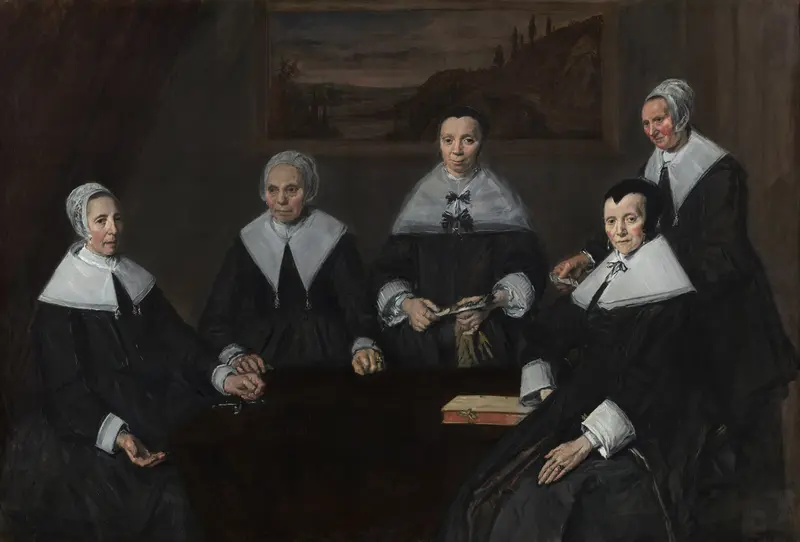
Regentesses of the Old Men's Alms House
Frans Hals
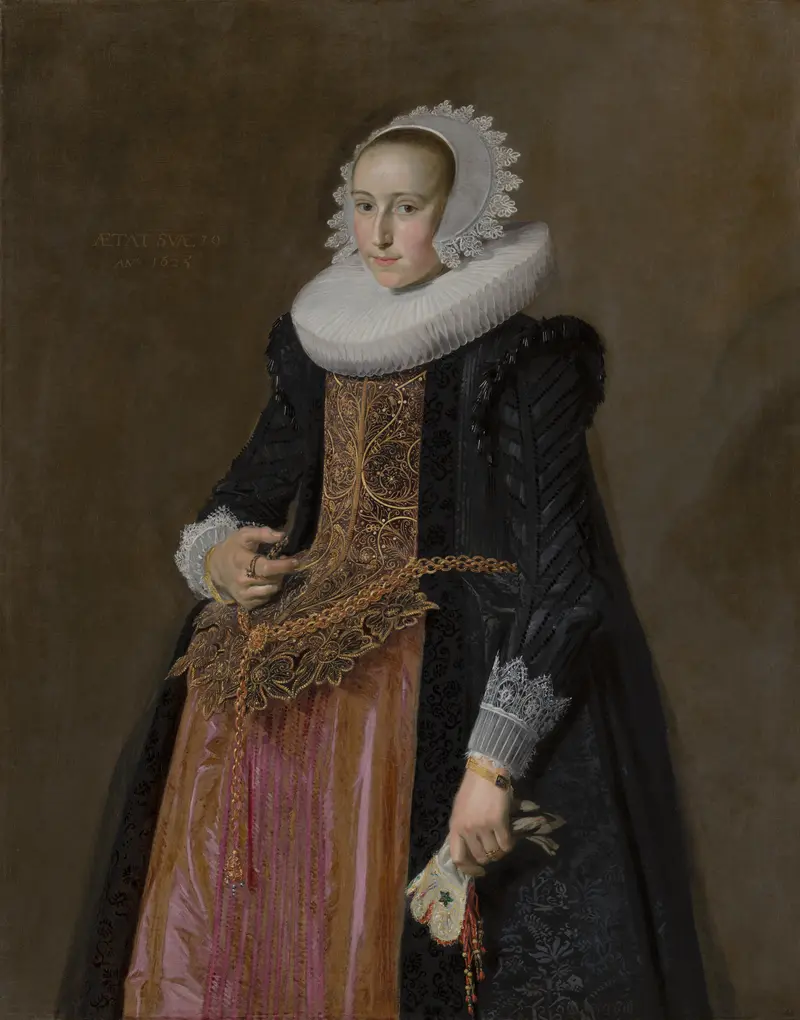
Portrait of Aletta Hanemans (1606–1653)
Frans Hals
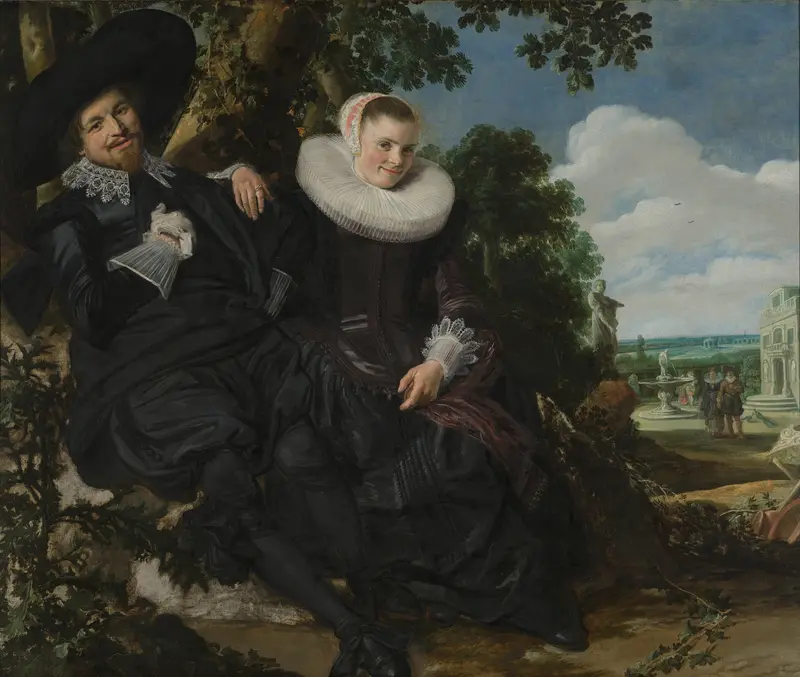
Portrait of a Married Couple, Likely Isaac Abrahamsz Massa and Beatrix van der Laen
Frans Hals
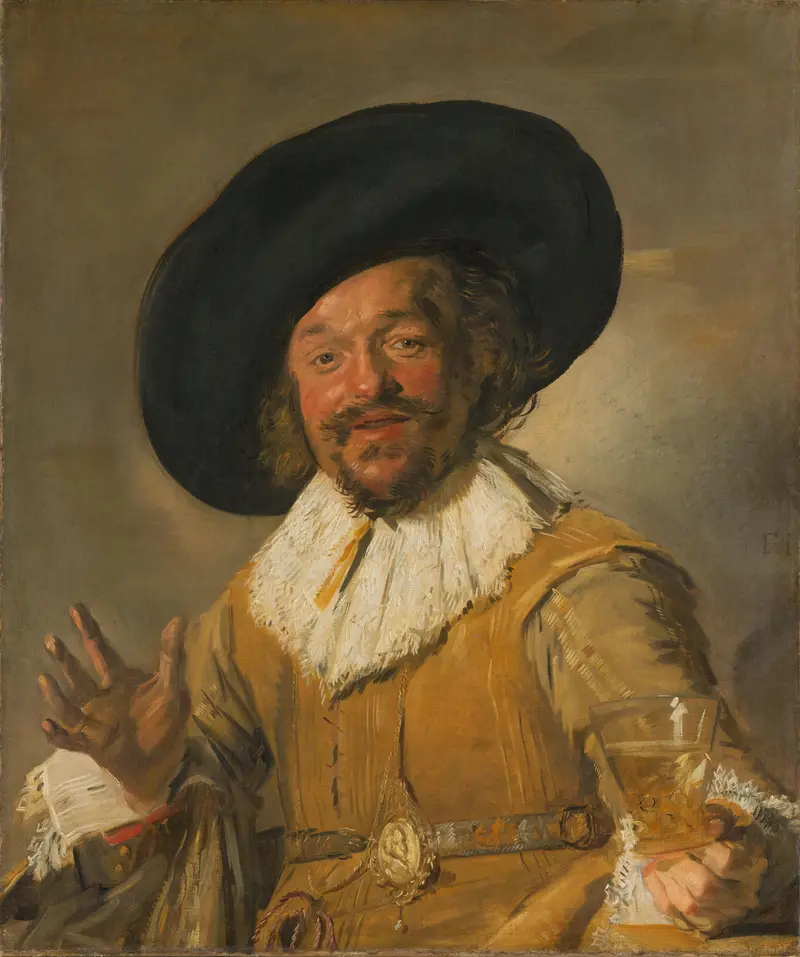
The Merry Drinker
Frans Hals
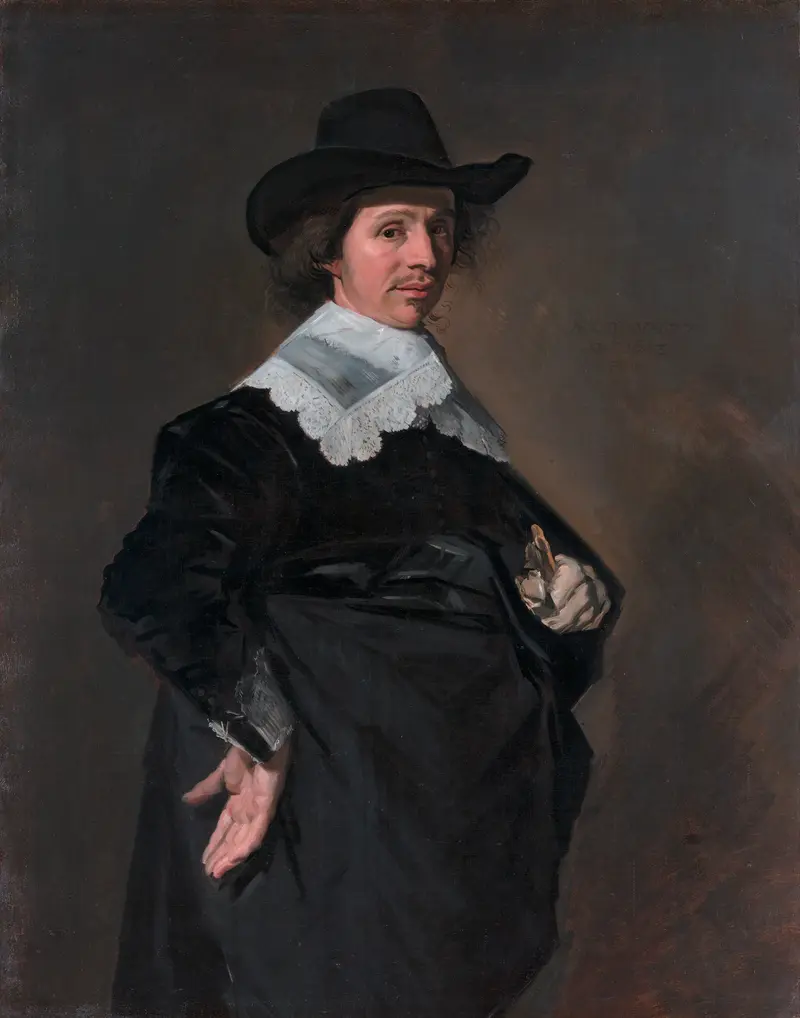
Portrait of Paulus Verschuur
Frans Hals
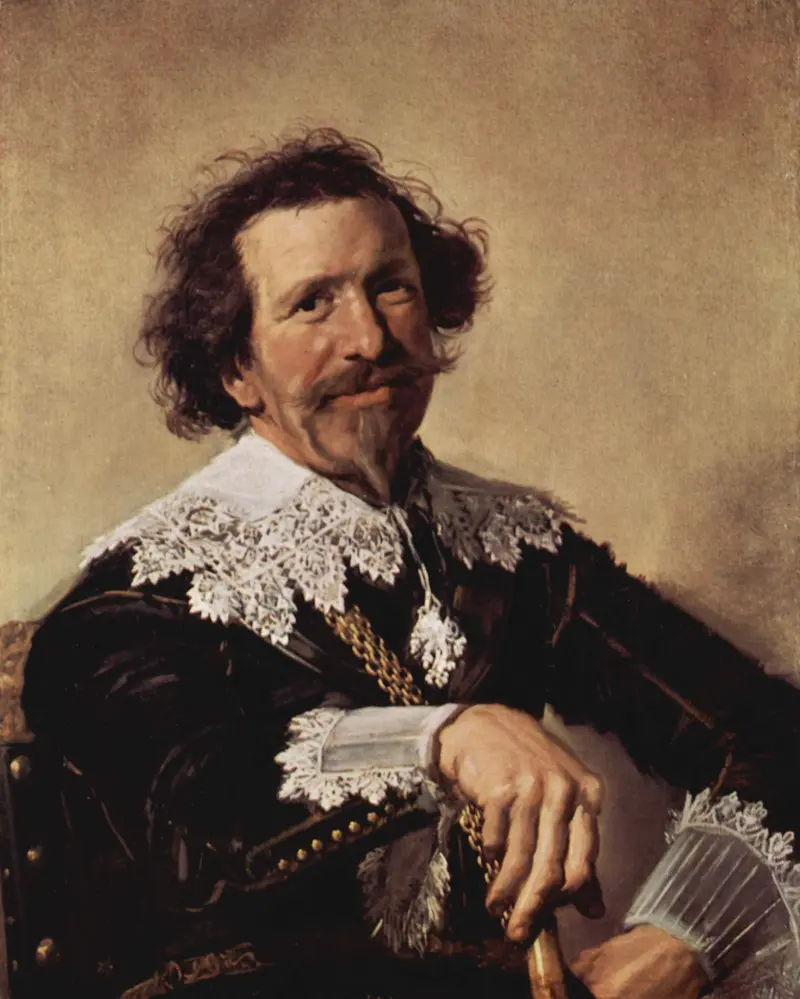
Portrait of Pieter van den Broecke
Frans Hals





