
Portrait of Gustaf Adolf Serlachius — History & Facts
A shaft of light falls across the factory floor, catching on the figure’s heavy beard and the glint of his cane, while the machinery looms behind him like a second, mechanical portrait. The man stands rooted, his gaze steady and inward, as if weighing the pulse of the room he commands. Every detail—the pressed brown suit, the cap set squarely on his head, the hand resting with quiet authority—signals a presence shaped by both labor and leadership.
The background worker, half-turned and intent on the rolling paper, reminds us that this is not a stage for solitary drama but a world of industry, sweat, and invention. The palette is earthy, almost somber, yet the light carves out a space of dignity amid the iron and wood. Painted in 1887, Portrait of Gustaf Adolf Serlachius by Akseli Gallen-Kallela belongs to a moment when portraiture in Northern Europe began to embrace the realities of modern life—factories, commerce, and the new faces of power. Such images were often commissioned by industrialists eager to record their achievements and assert their place in a rapidly changing society.
While history has kept few traces of this particular work’s journey, its presence in the Yehia Eweis collection today is a testament to the enduring fascination with the individuals who shaped the industrial age. Look again at the interplay of flesh and machine, and consider how the artist’s brush gives equal weight to both man and the world he built.
More Artworks by Akseli Gallen-Kallela
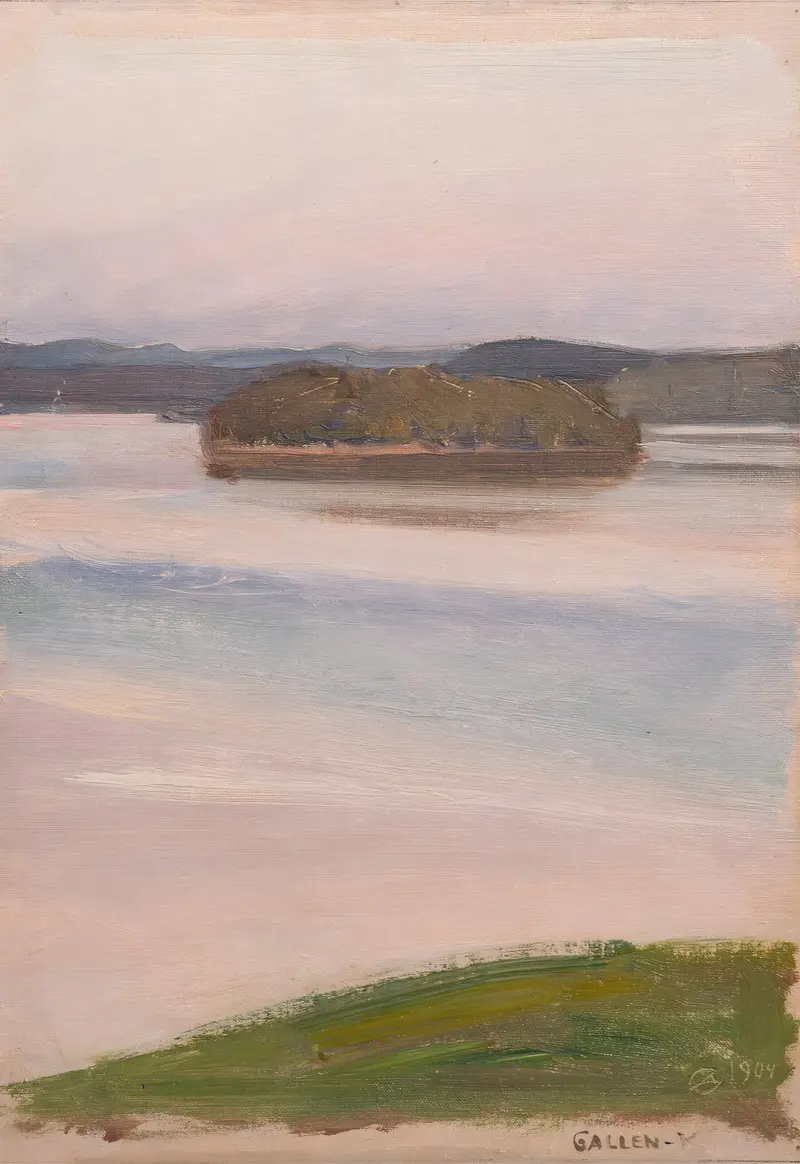
Lake Keitele
Akseli Gallen-Kallela
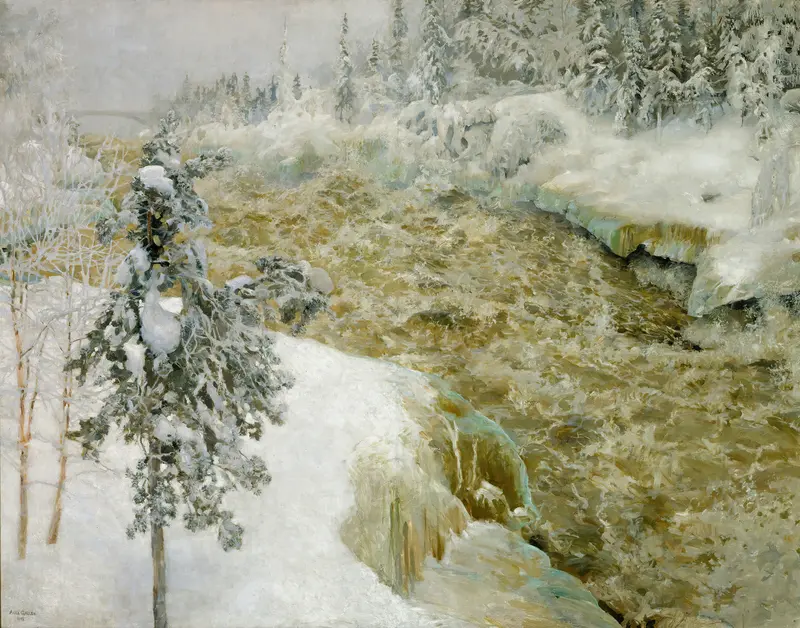
Imatra Falls in Snow ; Imatra in Winter
Akseli Gallen-Kallela
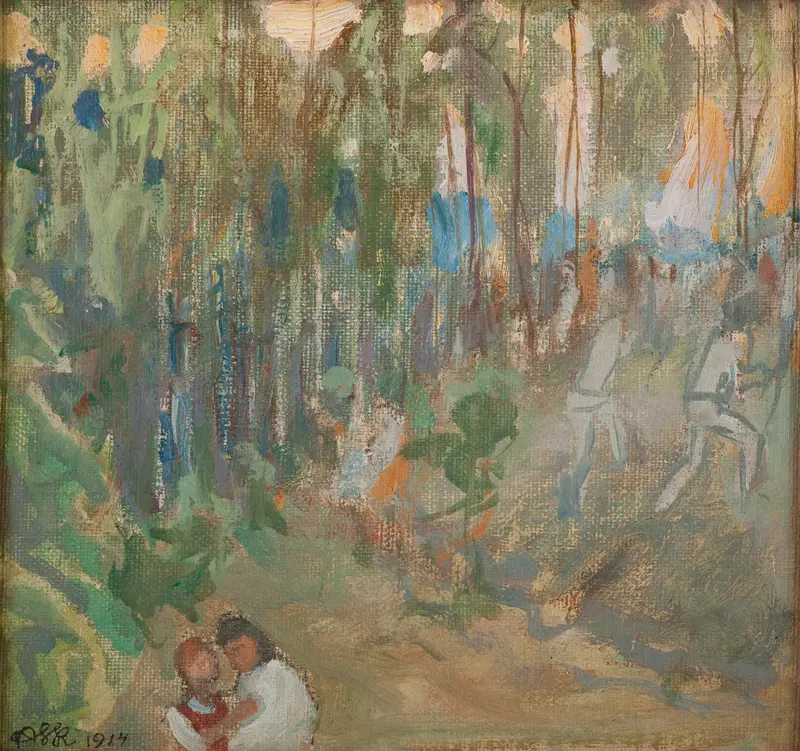
Vainovalkeat
Akseli Gallen-Kallela
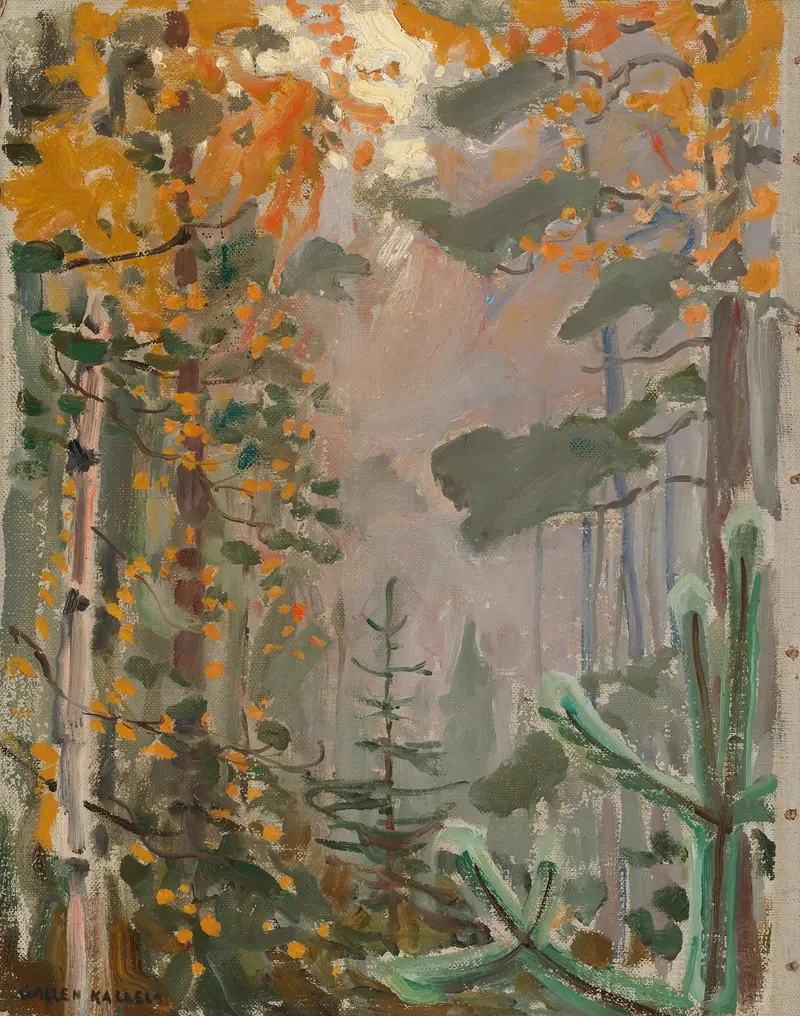
Autumn Landscape
Akseli Gallen-Kallela
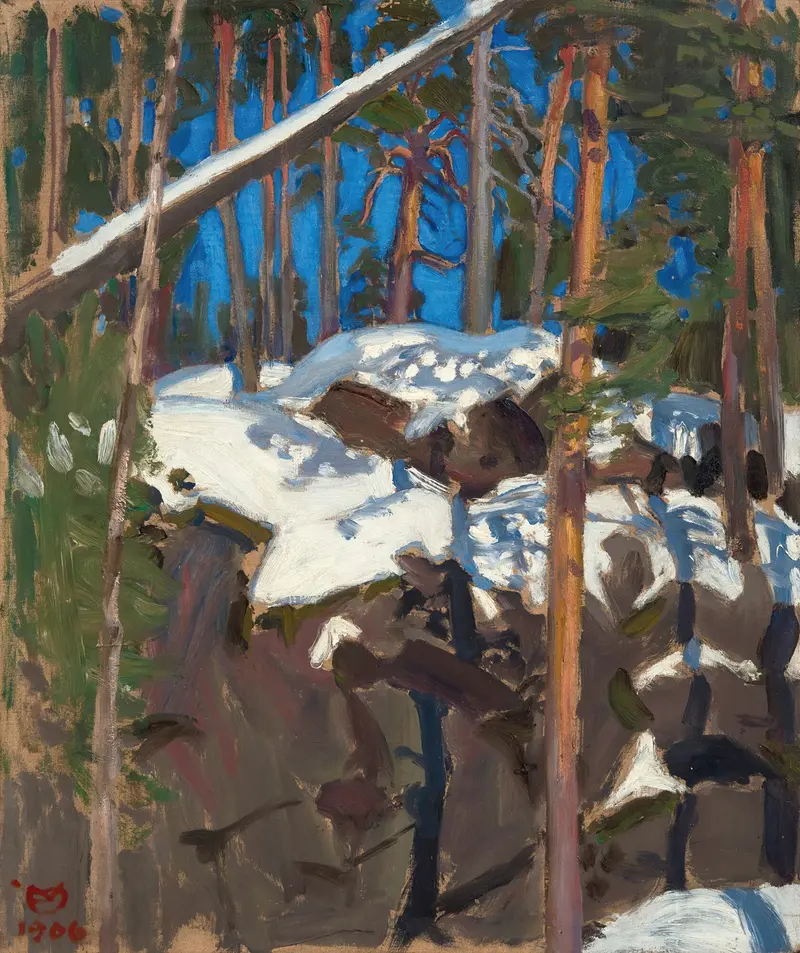
Spring Sun At Konginkangas
Akseli Gallen-Kallela
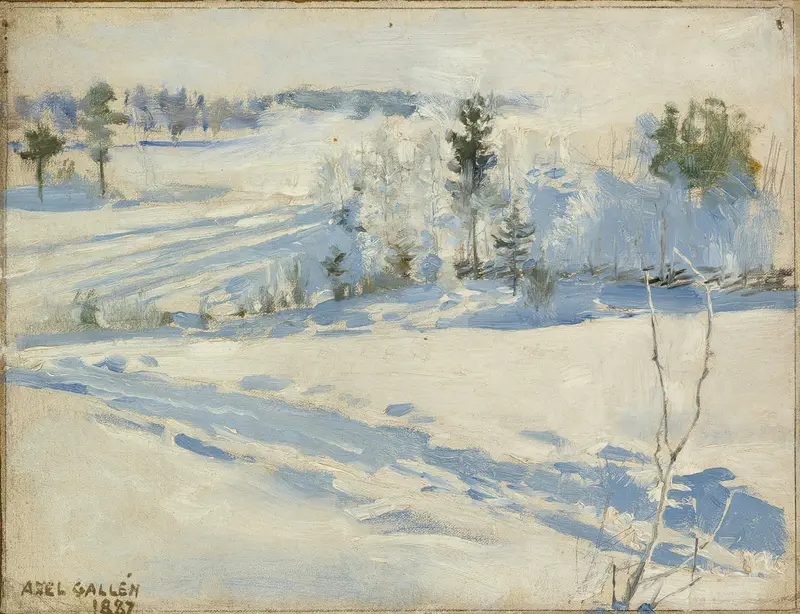
Winter Landscape
Akseli Gallen-Kallela

First Snow
Akseli Gallen-Kallela
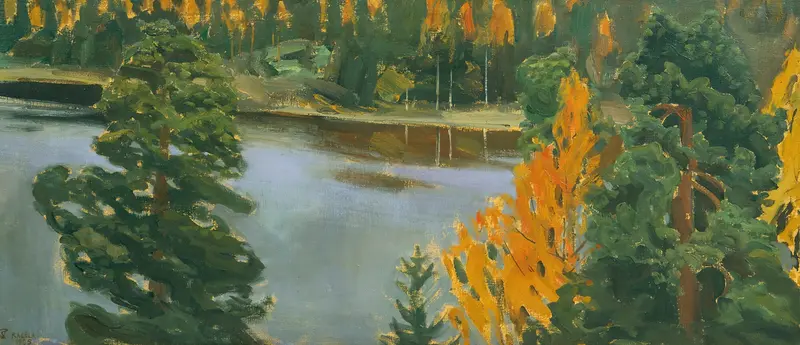
Lake View In Autumn
Akseli Gallen-Kallela
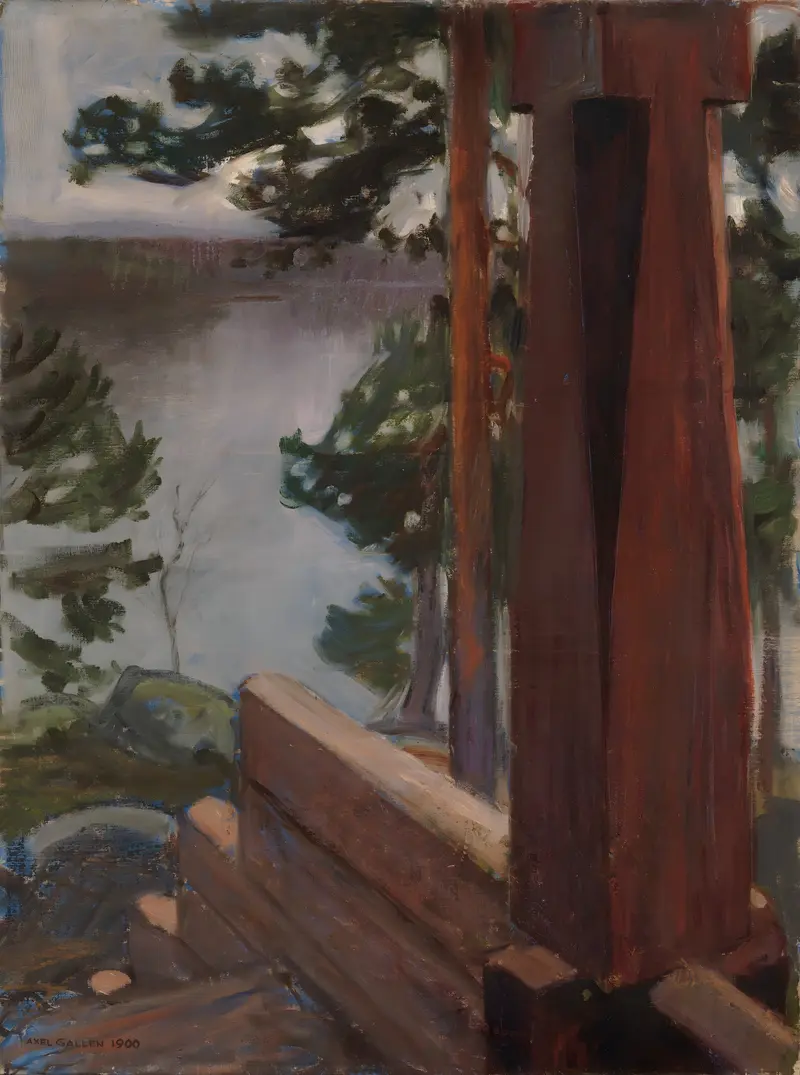
The Kalela Porch
Akseli Gallen-Kallela

Light Behind The Clouds
Akseli Gallen-Kallela





