
Portrait of Katarzyna Potocka née Branicka (1825–1907), wife of Adam — History & Facts
When Jan Matejko painted Portrait of Katarzyna Potocka née Branicka (1825–1907), wife of Adam in 1890, he was nearing the end of his celebrated career as Poland’s great historical painter. What sets this portrait apart is that it marks a rare foray into private, contemporary likenesses by an artist renowned for his sweeping historical canvases. The sitter, Katarzyna Potocka, belonged to one of the most influential aristocratic families in partitioned Poland, and her portrait was commissioned at a time when the Potockis were actively supporting Polish culture under foreign rule. Katarzyna is captured in a moment of composed dignity, her gaze steady yet reserved, hands folded in her lap.
The dark, sober background throws her pale face and elaborate dress into sharp relief, highlighting both her social standing and her personal restraint. The delicate lace collar and the discreet jewelry speak to her noble lineage, while her direct gaze hints at the quiet strength required of women in her position. Unlike the flamboyant society portraits of Franz Xaver Winterhalter, Matejko’s approach is more introspective, focusing on character over display, and using light to model the sitter’s features with almost sculptural care. The precise circumstances of the portrait’s commission are not fully documented, but it is known that the Potocki family were significant patrons of Polish art in the late nineteenth century.
After its completion, the painting remained in the family’s private collection for decades, surviving the upheavals of two world wars and the shifting borders of Poland. Today, Portrait of Katarzyna Potocka is recognized as an important example of Matejko’s late work, offering a rare glimpse into his sensitivity as a portraitist and the enduring presence of the Polish nobility during a turbulent era. The painting is now held in the collection of the National Museum in Warsaw, where it continues to draw visitors interested in both art and history.
More Artworks by Jan Matejko
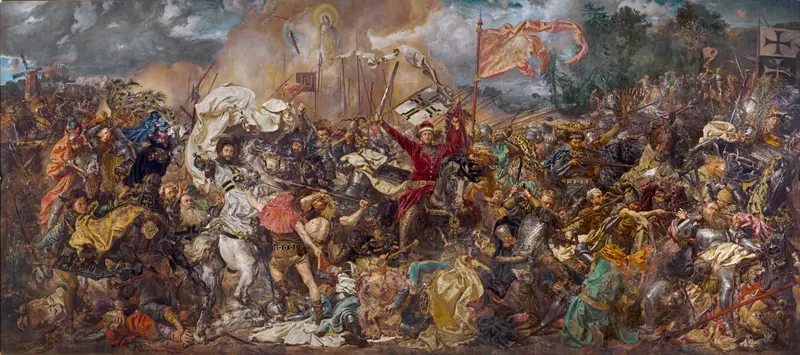
Battle of Grunwald
Jan Matejko

Stańczyk
Jan Matejko

Battle of Raclawice
Jan Matejko
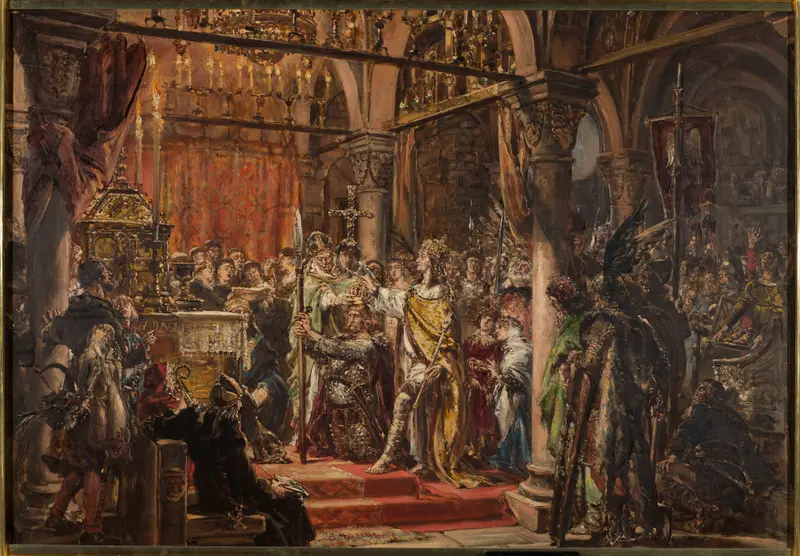
Coronation of the First King, 1001 AD, from the series “History of Civilization in Poland”
Jan Matejko
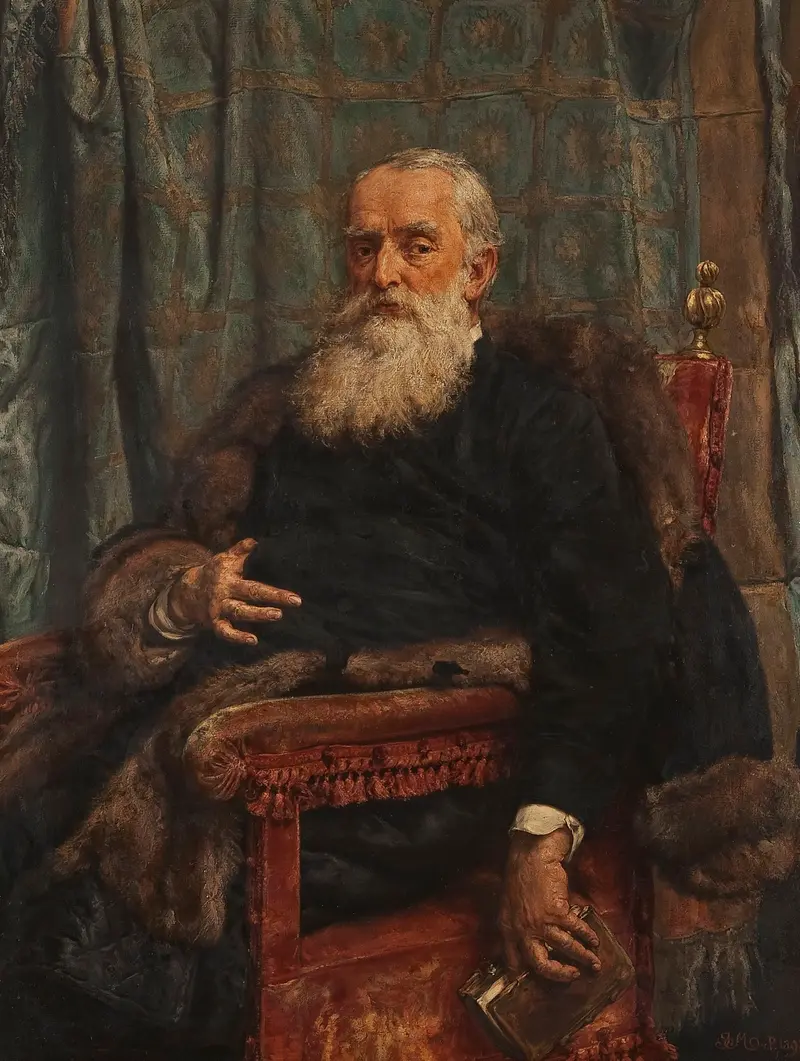
Portrait of Henryk Krajewski
Jan Matejko
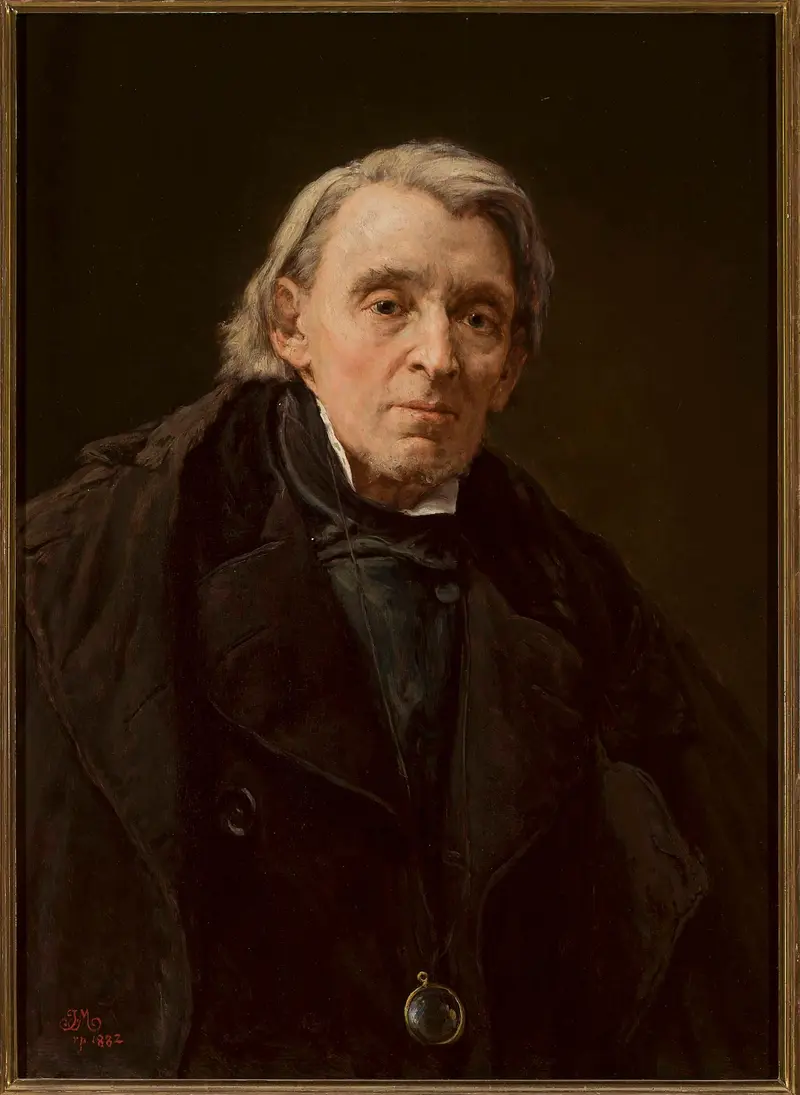
Portrait of Karol Podlewski
Jan Matejko
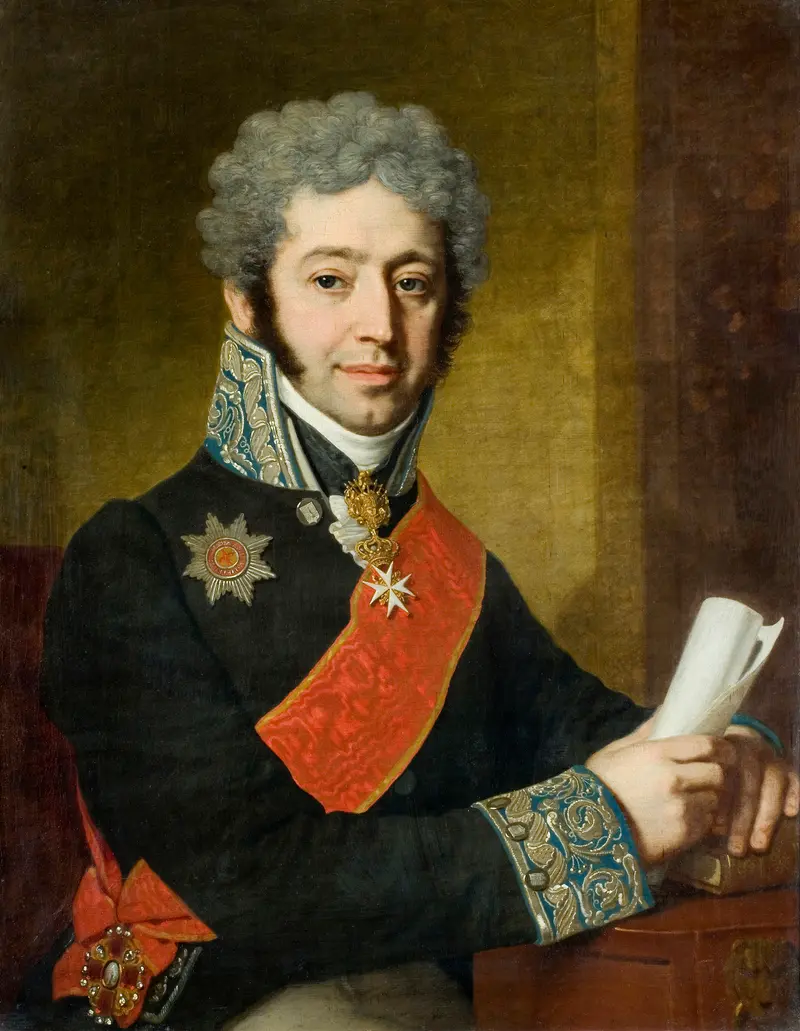
Portrait of Potocki and Poninski
Jan Matejko
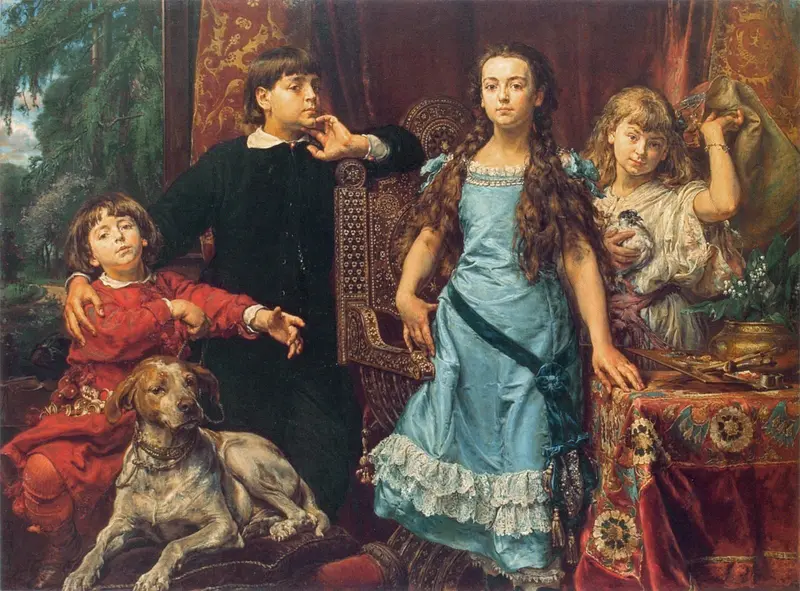
Portrait of the artist's four children
Jan Matejko
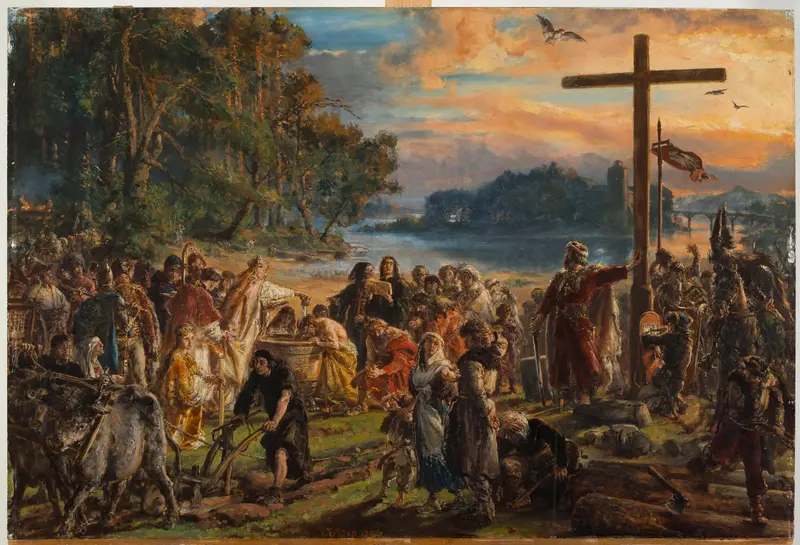
Introduction of Christianity in Poland
Jan Matejko
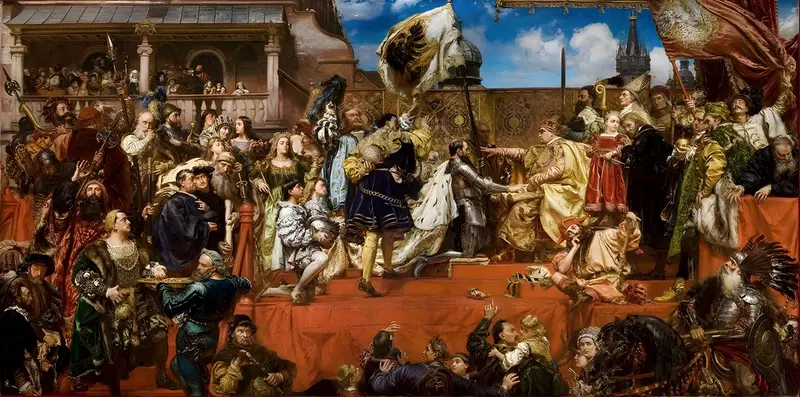
Prussian Homage
Jan Matejko





