
Portrait of Madame Rosenthal — History & Facts
What first catches the eye in Portrait of Madame Rosenthal is the way light seems to gather on the sitter’s profile, drawing out her calm poise against a background that dissolves into a haze of color and brushwork. The woman stands in strict profile, her gaze directed beyond the picture’s edge, her hands gently clasping a glove or handkerchief. The delicate, almost sculpted rendering of her ruffled blouse and the subtle tension in her posture suggest both self-possession and a moment of quiet anticipation.
The background, a tapestry of greens and ochres, is painted with loose, energetic strokes that contrast with the more careful modeling of her face and figure, setting her apart from her surroundings and heightening the sense of introspection. Painted by Adolphe Joseph Thomas Monticelli between circa 1870 and 1899, this portrait belongs to a world in flux, when the conventions of formal portraiture were being challenged by new ideas about individuality and atmosphere. In late nineteenth-century France, portraits like this one were often commissioned by the rising bourgeoisie, eager to assert their presence and sensibility through art. Monticelli’s technique—broad, textured, sometimes almost impressionistic—places him among those who sought to capture not just a likeness, but a fleeting mood or presence.
Now in the collection of the Buffalo AKG Art Museum, this work stands as a quiet testament to a period when artists and sitters alike were negotiating the boundaries between public image and private self. The longer you look, the more the sitter’s reserve seems to invite your own silent questions.
More Artworks by Adolphe Monticelli

Portrait of a Lady
Adolphe Monticelli
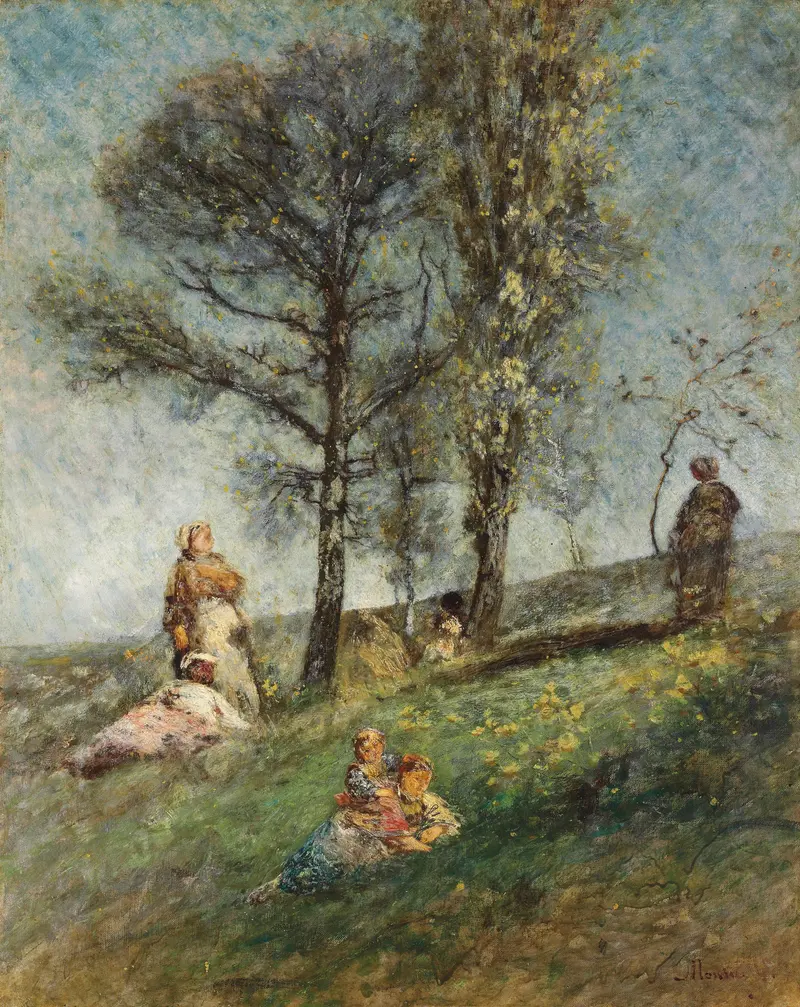
A Young Family Under Trees On A Hill
Adolphe Monticelli

Fête d'Après-Midi
Adolphe Monticelli
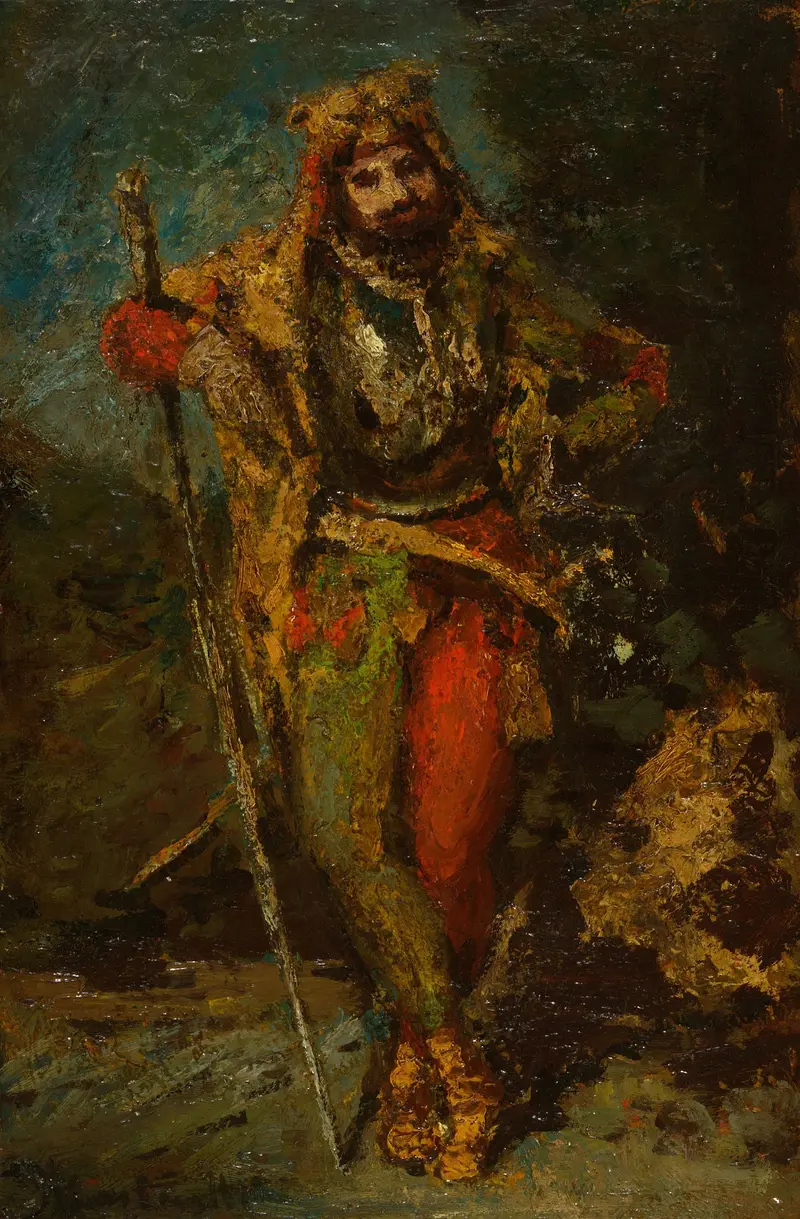
Mephisto from the Opera Faust
Adolphe Monticelli
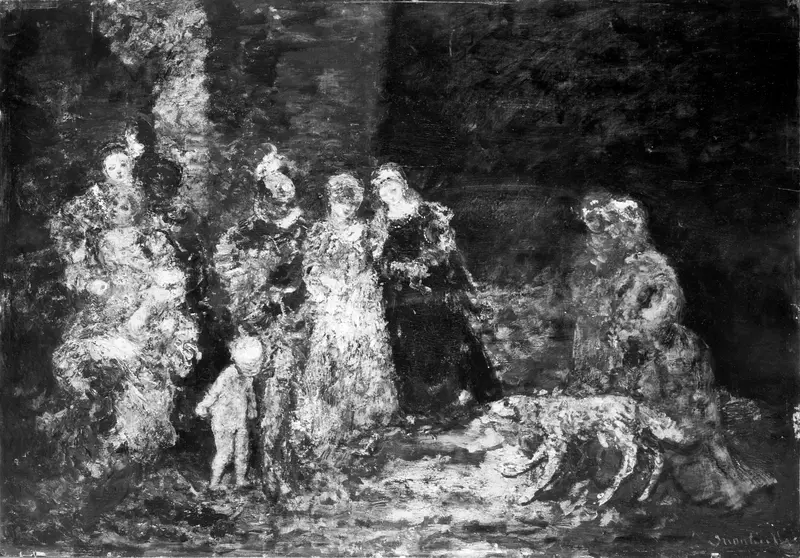
The Fairies
Adolphe Monticelli
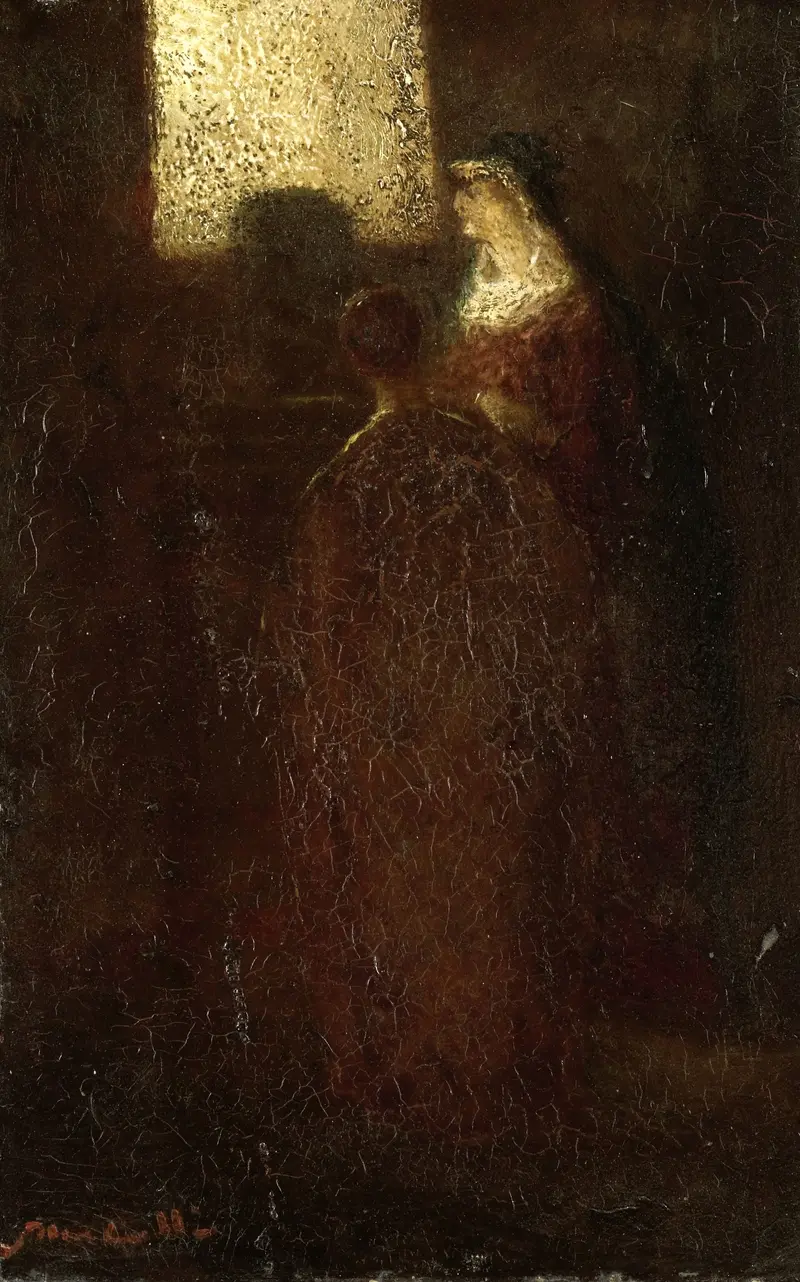
Aan het altaar
Adolphe Monticelli
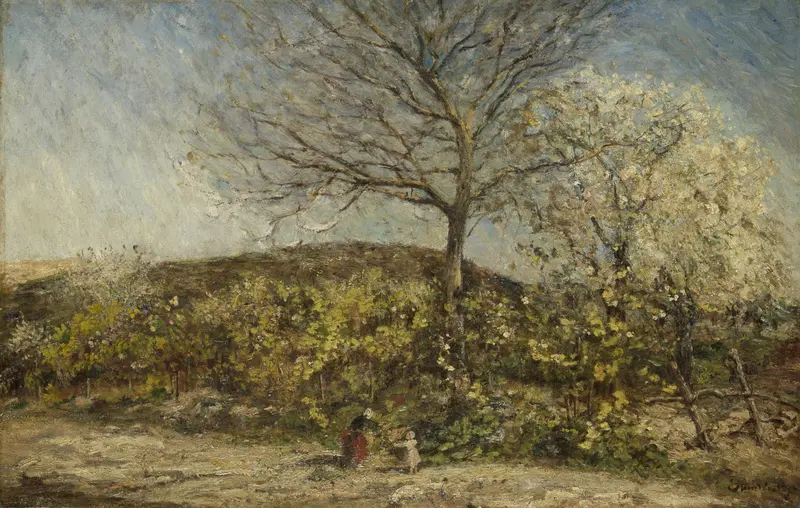
Landschap met bloeiende boomgaard
Adolphe Monticelli
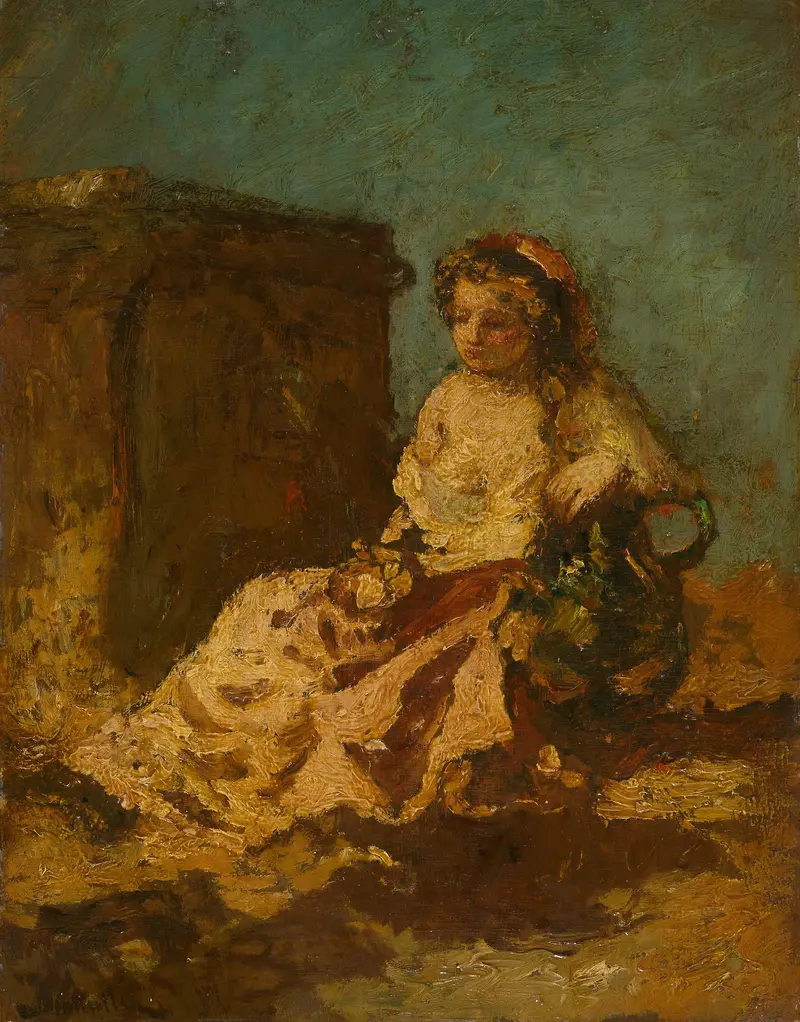
Meditation (Seated Woman)
Adolphe Monticelli
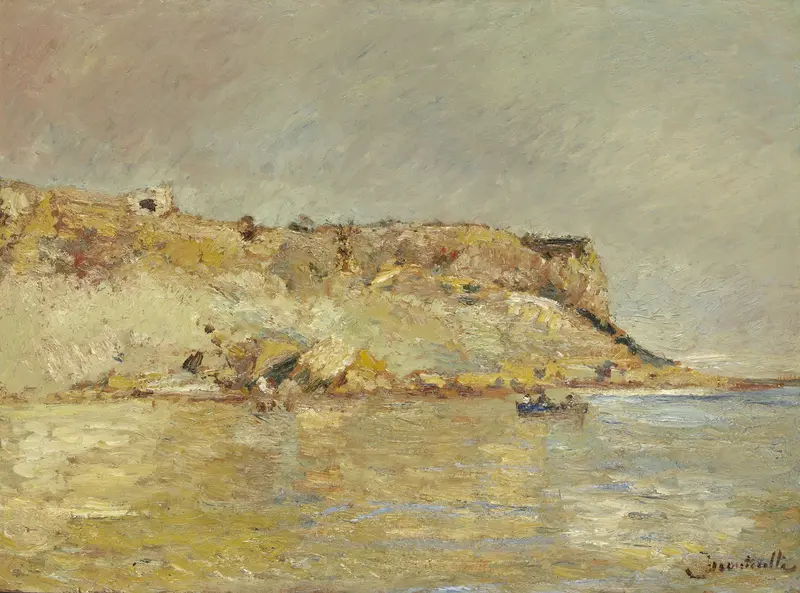
Coastal Mountains
Adolphe Monticelli
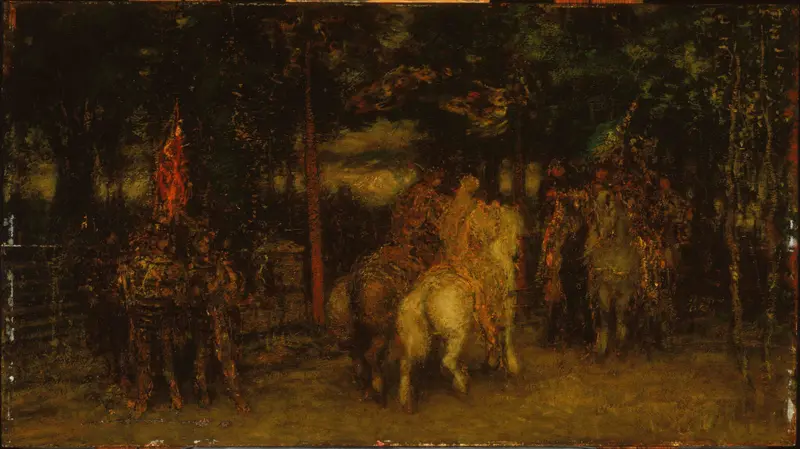
Landscape with Figures
Adolphe Monticelli





