
Portrait of Marie-Louise, Duchess of Parma — History & Facts
Few portraits have been as closely tied to the shifting fortunes of European royalty as Portrait of Marie-Louise, Duchess of Parma by François Gérard. Commissioned during the turbulent years following the fall of Napoleon, this likeness of Marie-Louise—Napoleon’s second wife and the daughter of the Austrian Emperor—was meant to reaffirm her new status as Duchess of Parma, a title granted to her after the Congress of Vienna in 1815. The painting stands as a testament to the delicate diplomacy of the era, when portraits were not merely personal mementos but political instruments, sent across courts to reinforce alliances and legitimacy. Marie-Louise sits poised, her gaze steady yet distant, as if contemplating both her lost imperial grandeur and her uncertain new role.
Gérard, celebrated for his ability to blend neoclassical clarity with psychological insight, dresses her in sumptuous fabrics, the rich blue and gold of her attire echoing her dual heritage as both Habsburg and Bonaparte. The delicate chain around her neck, likely bearing a miniature portrait or symbol of her son, the King of Rome, hints at her enduring maternal ties despite political separation. The soft, even light flatters her features, much as David did in his own portraits of Napoleonic figures, but Gérard’s touch is gentler, more attuned to vulnerability than to power. The exact provenance of this painting remains somewhat obscure, as is often the case with royal portraits that were copied, gifted, and displayed in various European courts.
What is certain is that Gérard, one of the leading portraitists of the French Empire style, was frequently called upon to immortalize the figures who shaped his age. While the original version’s current location is not definitively established, several replicas and variants exist in both public and private collections, attesting to the enduring fascination with Marie-Louise’s complex legacy. Today, the painting stands as both a personal document and a relic of a world in flux, bearing witness to the shifting allegiances and identities of post-Napoleonic Europe.
More Artworks by François Gérard

Portrait of Emperor Napoleon I
François Gérard
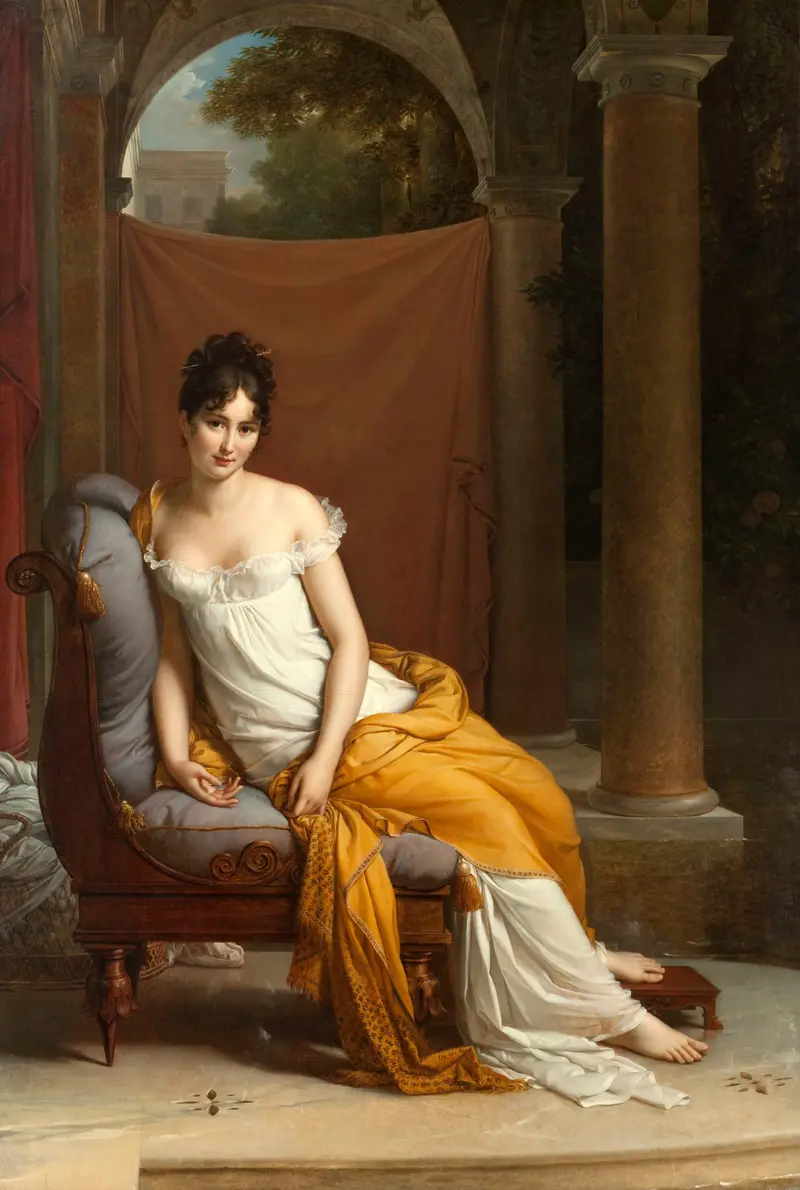
Portrait of Juliette Récamier, née Bernard
François Gérard
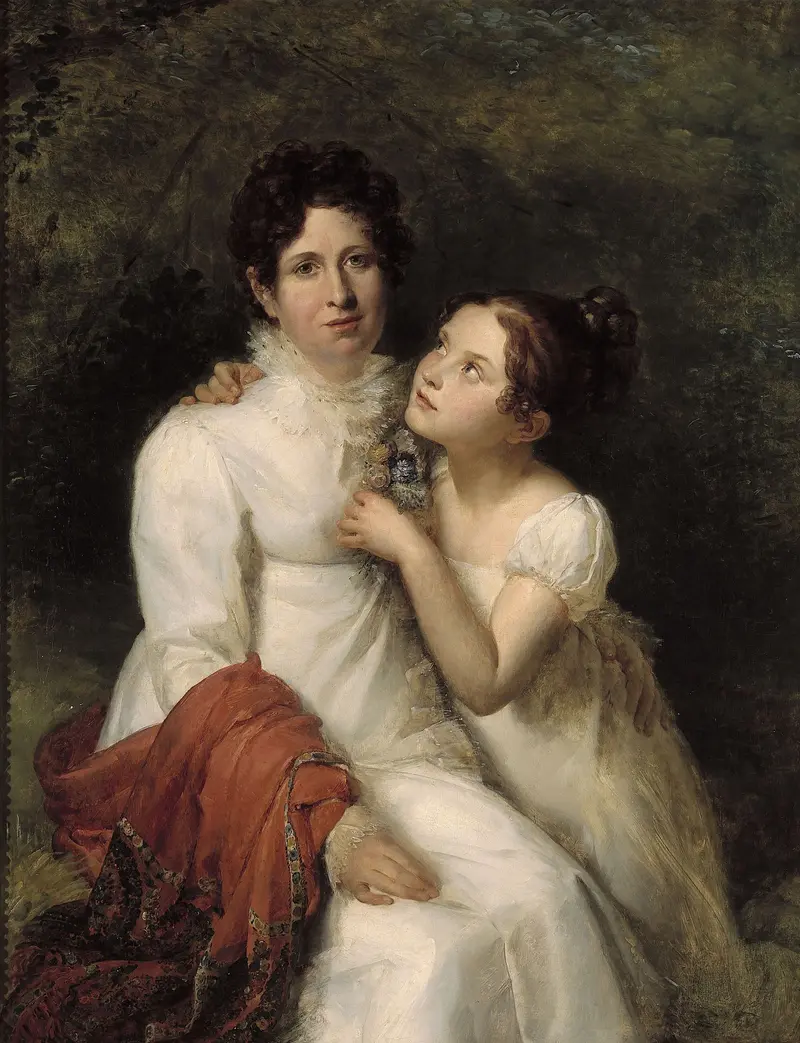
Portrait de Madame Bauquin Du Boulay et de sa nièce Mademoiselle Bauquin de La Souche
François Gérard
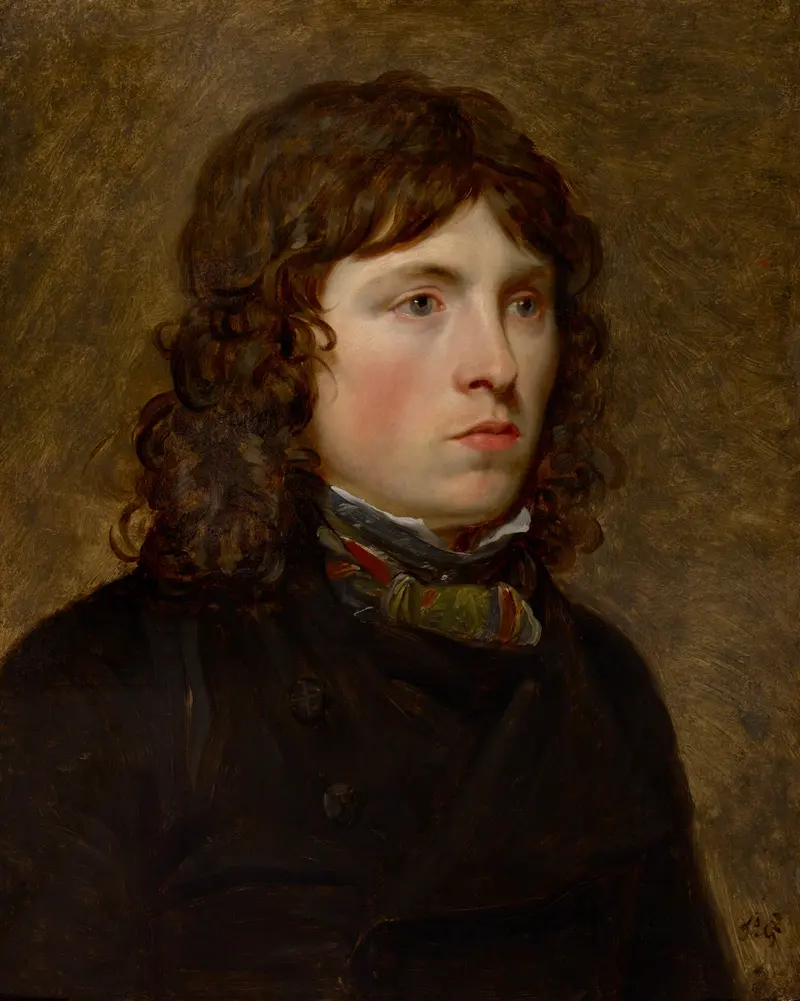
Portrait of G. F. Reverdin
François Gérard
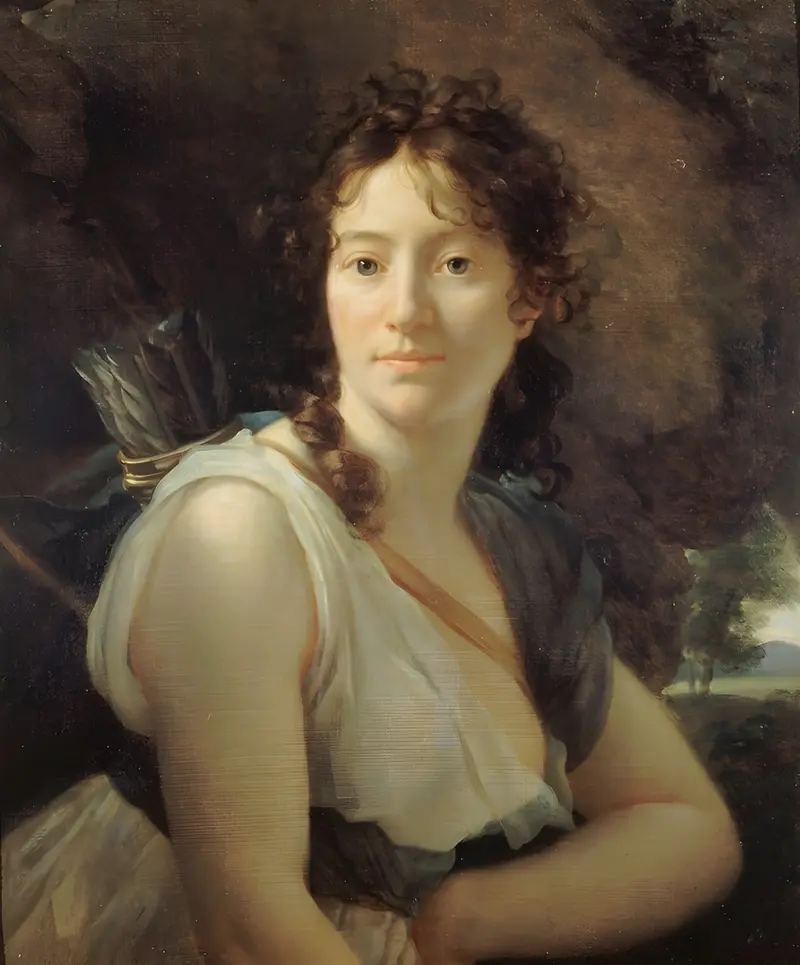
Portrait Of Mademoiselle Duchesnois (1777-1835), Member Of The Comédie-Française, In The Role Of Dido.
François Gérard
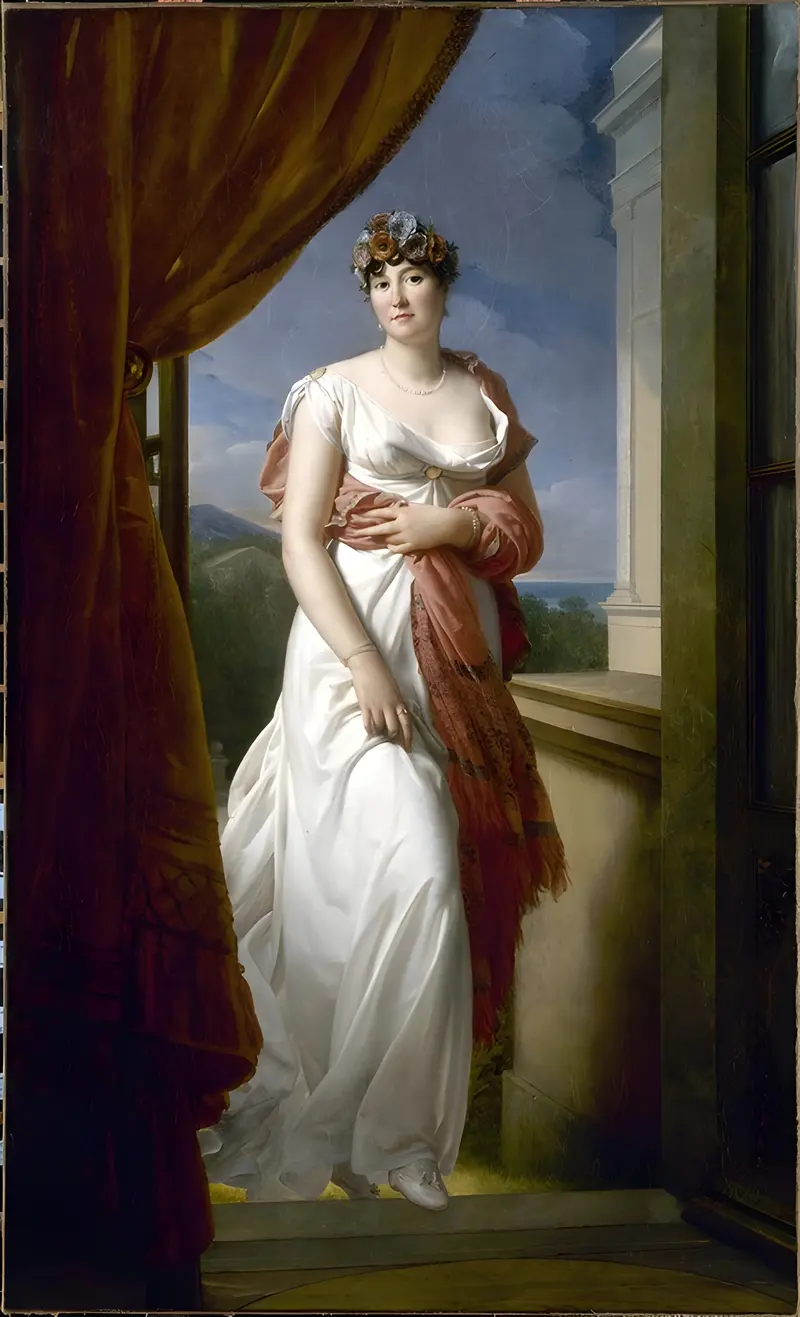
Portrait Of Theresia Cabarrus (1773-1835), Wife Tallien, Then Princess Of Caraman-Chimay
François Gérard
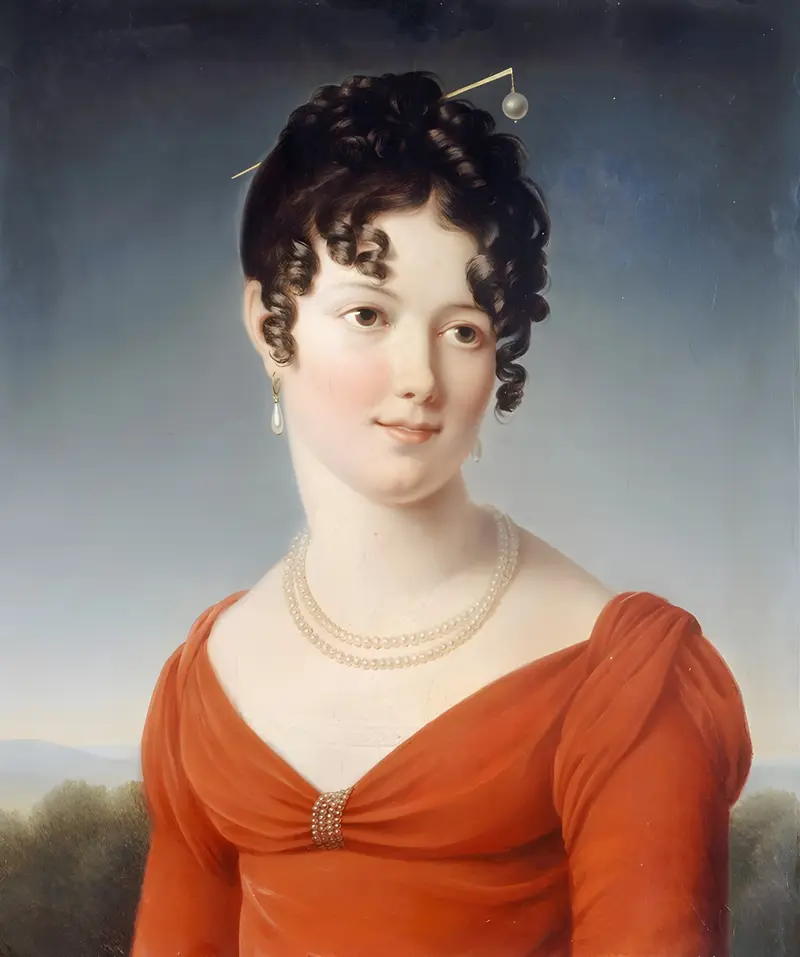
Bust Portrait Of Alexandrine-Anne De La Pallu, Marquise De Flers (1786-1832)
François Gérard
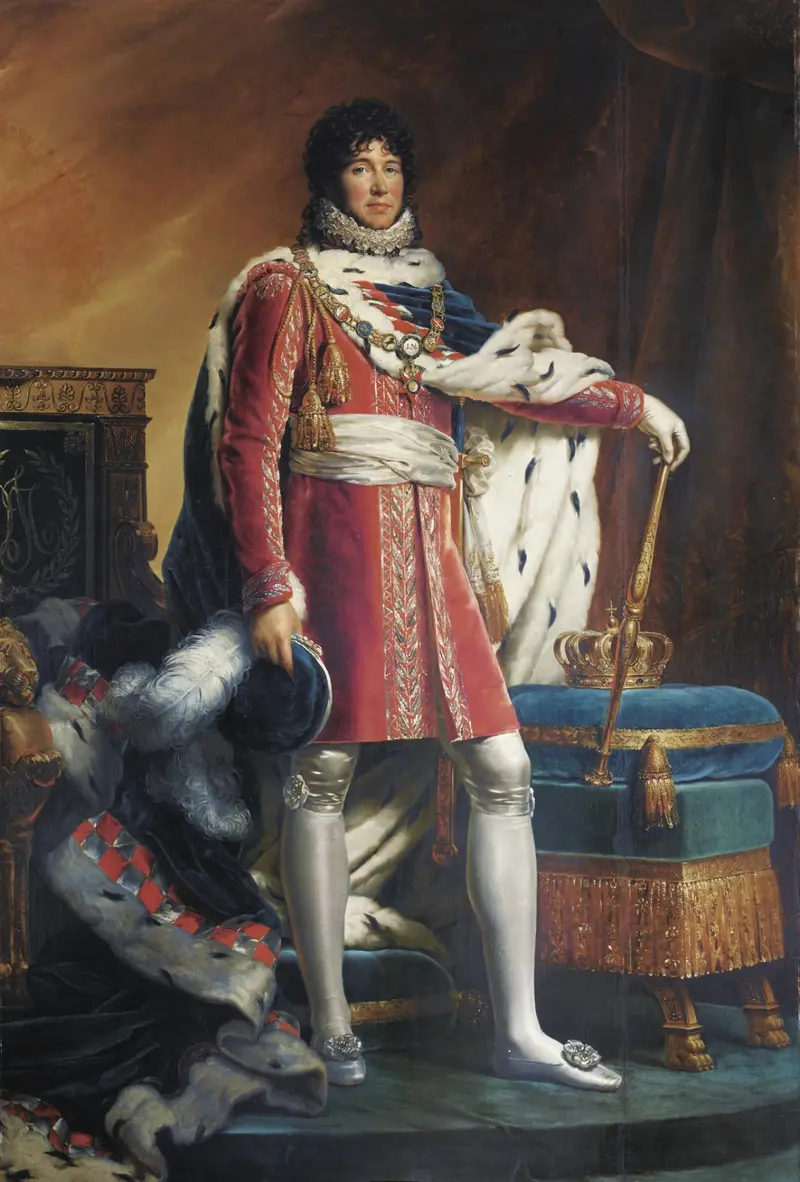
Portrait of Joachim Napoléon Murat, King of Naples and of the two Sicilies
François Gérard
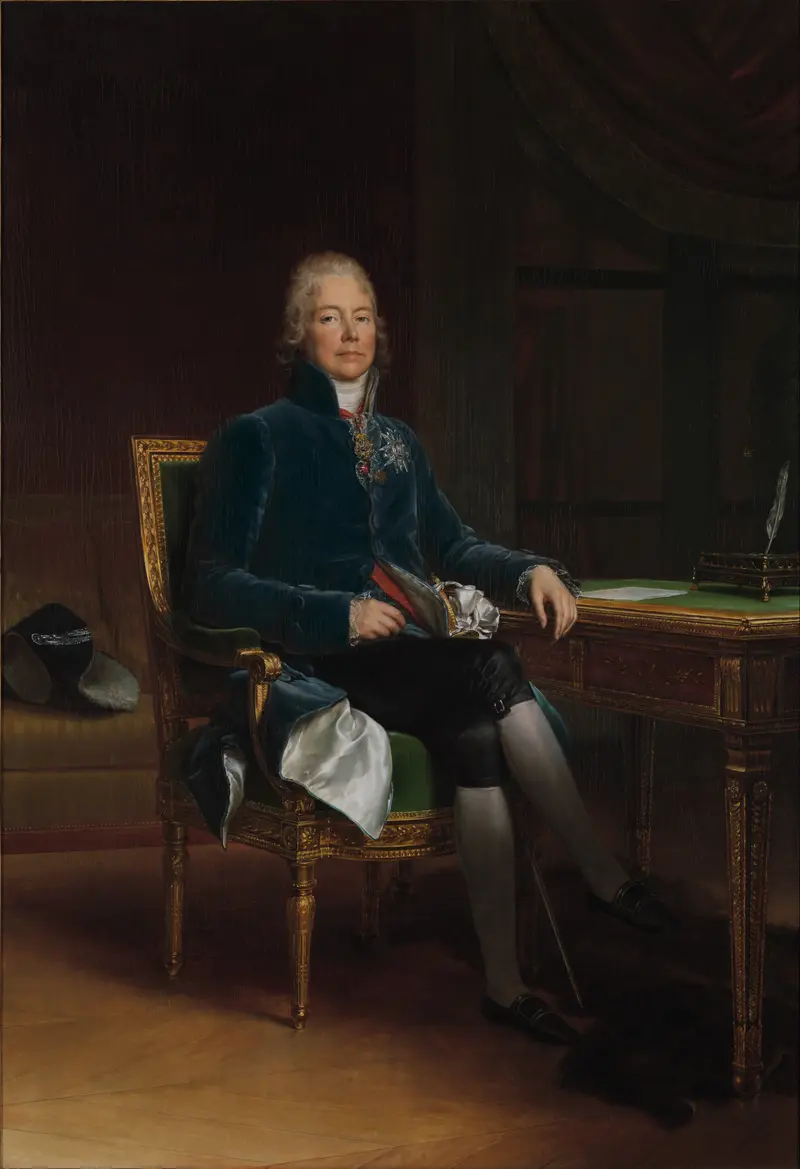
Charles Maurice de Talleyrand Périgord (1754–1838), Prince de Bénévent
François Gérard
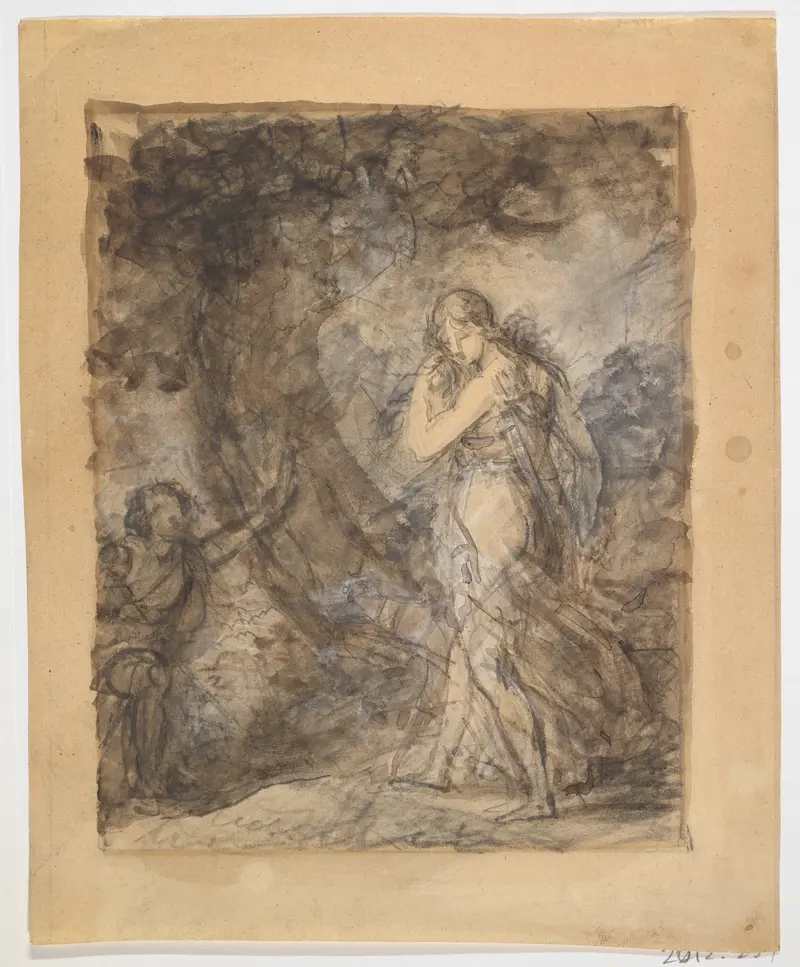
Daphnis Running toward Chloe
François Gérard





