
Portrait of Miss Fanny Clapp — History & Facts
When Alexandre Cabanel unveiled Portrait of Miss Fanny Clapp in 1881, Parisian society buzzed with curiosity about the identity of the sitter. Fanny Clapp herself was an American expatriate, a member of the cosmopolitan circles that frequented the salons of the French capital. The painting’s debut coincided with a period when American heiresses and socialites were commissioning portraits from Europe’s leading artists, eager to secure their place in the Old World’s social hierarchy.
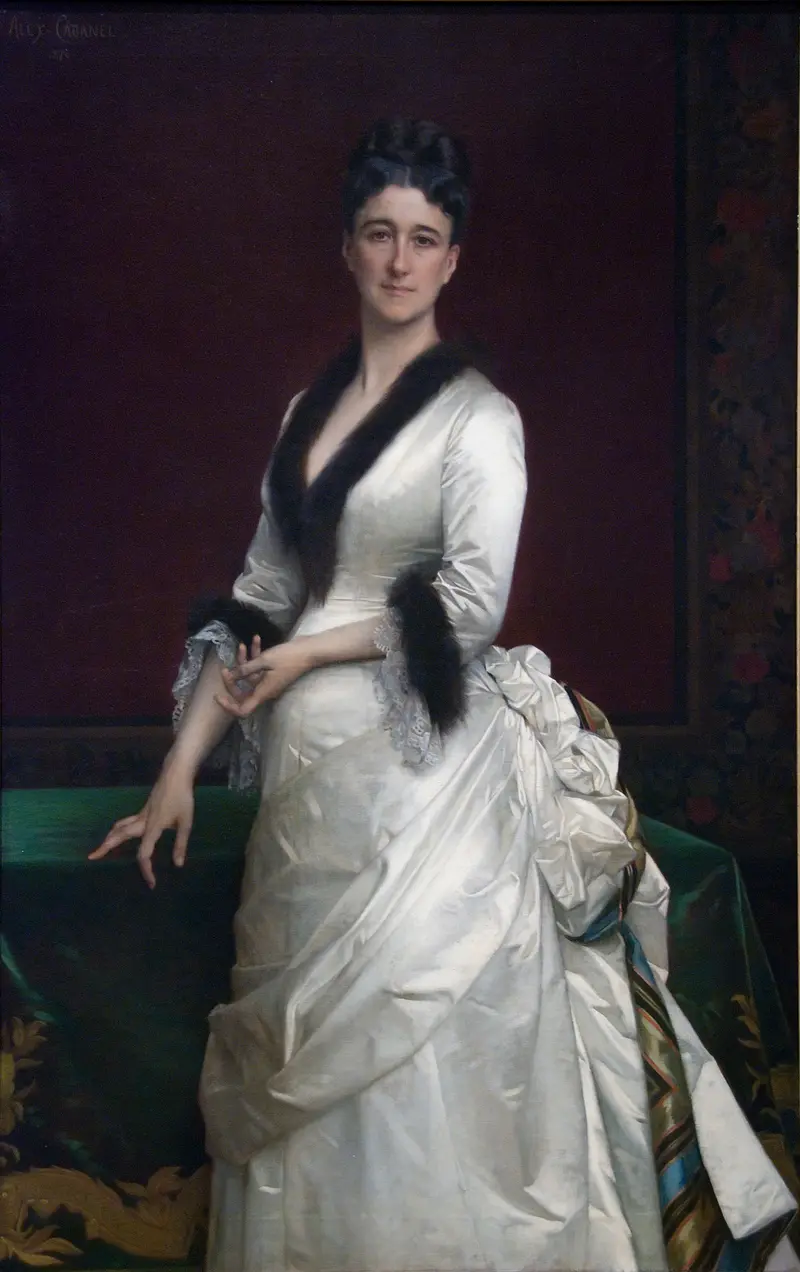
Cabanel, already celebrated for his academic style and portraits of royalty, lent his prestige to Fanny Clapp’s image, ensuring her a measure of immortality in oil. The painting captures Fanny at a moment of poised introspection, her gaze meeting the viewer with a directness that suggests both confidence and reserve. She is seated, her posture upright yet relaxed, dressed in the refined fashion of the late nineteenth century—delicate lace, perhaps a subtle glint of jewelry at her throat. Cabanel’s handling of light draws attention to her face and hands, the flesh rendered with the soft, idealizing technique that made him a favorite at the Salon.
The background is subdued, allowing the sitter’s personality to emerge as the true subject. Unlike the psychological intensity of John Singer Sargent’s American portraits, Cabanel’s approach is gentler, emphasizing grace over drama. The precise medium of Portrait of Miss Fanny Clapp is not recorded, but oil on canvas was Cabanel’s preferred choice for such commissions. While the painting’s early provenance is not fully documented, it likely remained with the Clapp family for some years before entering a public or private collection.
Today, it stands as a testament to the intersection of American ambition and French academic painting in the late nineteenth century. For Cabanel, this portrait came in the mature phase of his career, when he was at the height of his influence, teaching at the École des Beaux-Arts and shaping a generation of artists who would soon challenge the very traditions he embodied.
More Artworks by Alexandre Cabanel
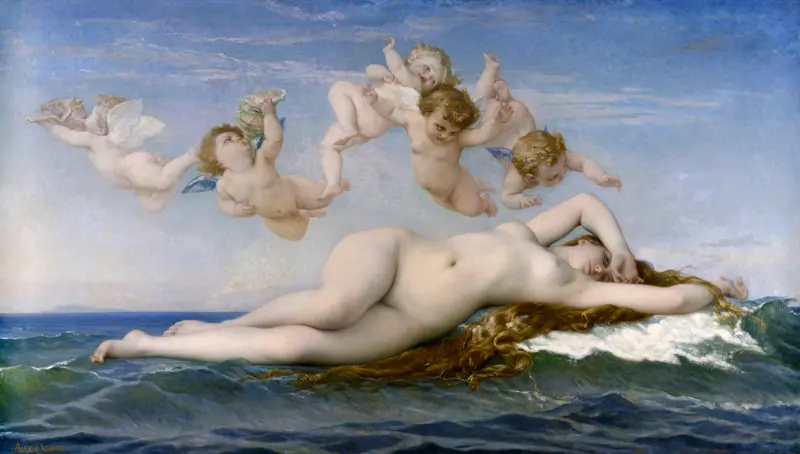
The Birth of Venus
Alexandre Cabanel
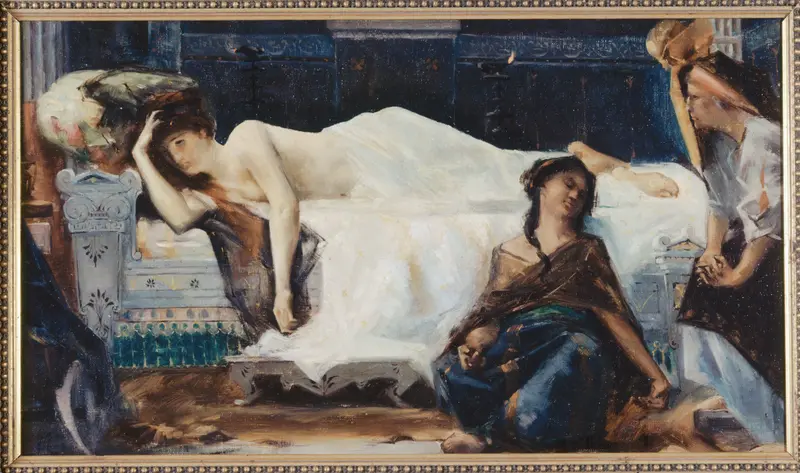
Phèdre
Alexandre Cabanel
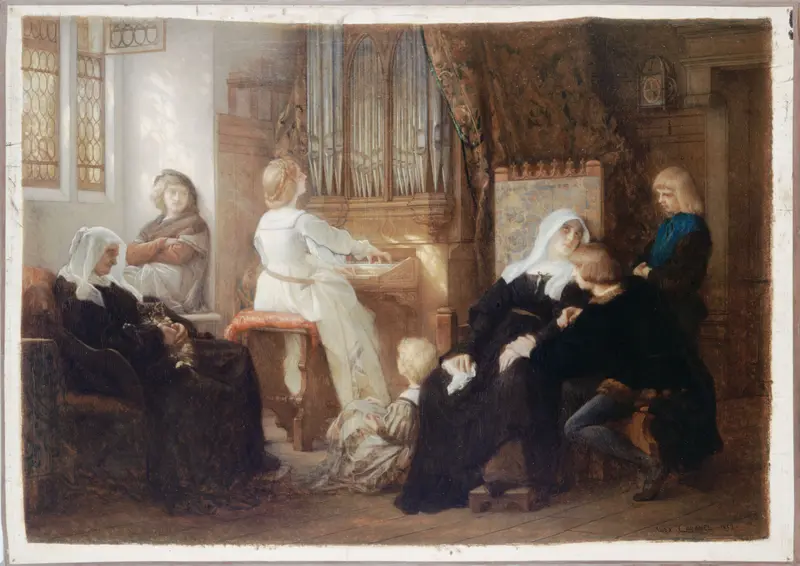
La veuve du maître de chapelle
Alexandre Cabanel
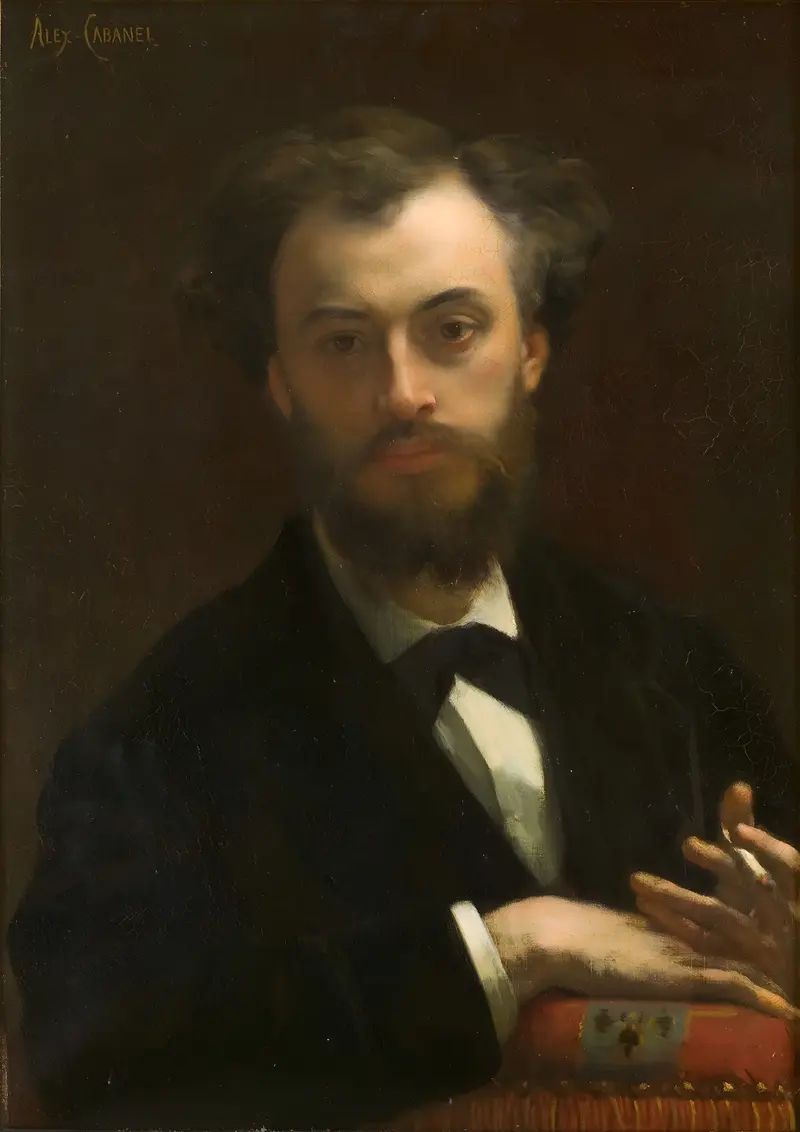
Portrait de M. Pierre Cabanel
Alexandre Cabanel
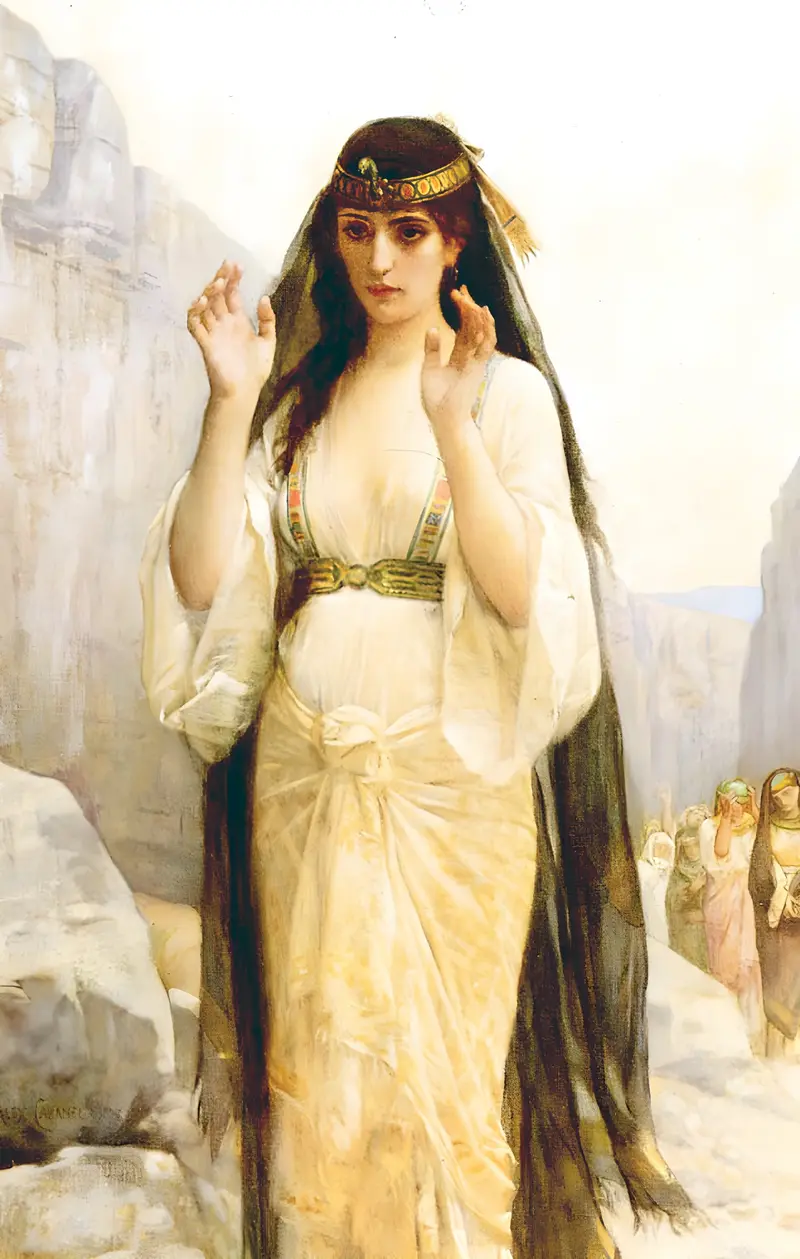
The Daughter of Jephthah
Alexandre Cabanel
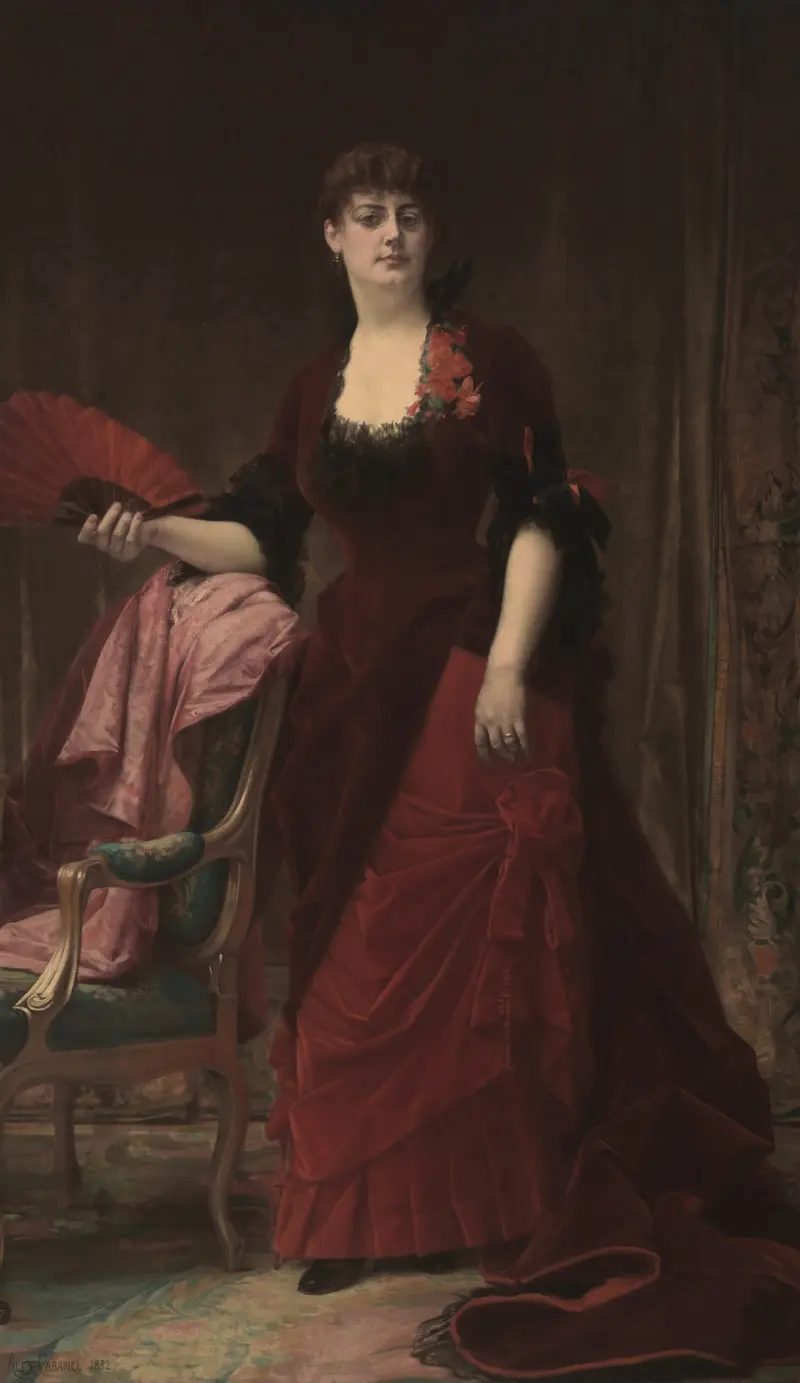
Portrait of Arabella Worsham (later Arabella Huntington)
Alexandre Cabanel
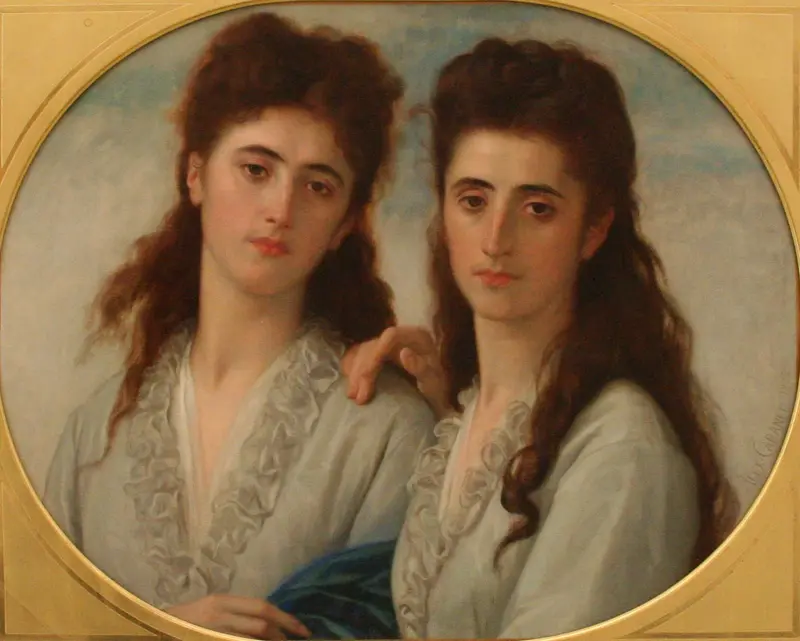
Portrait de mesdemoiselles Sophie et Berthe Cabanel
Alexandre Cabanel
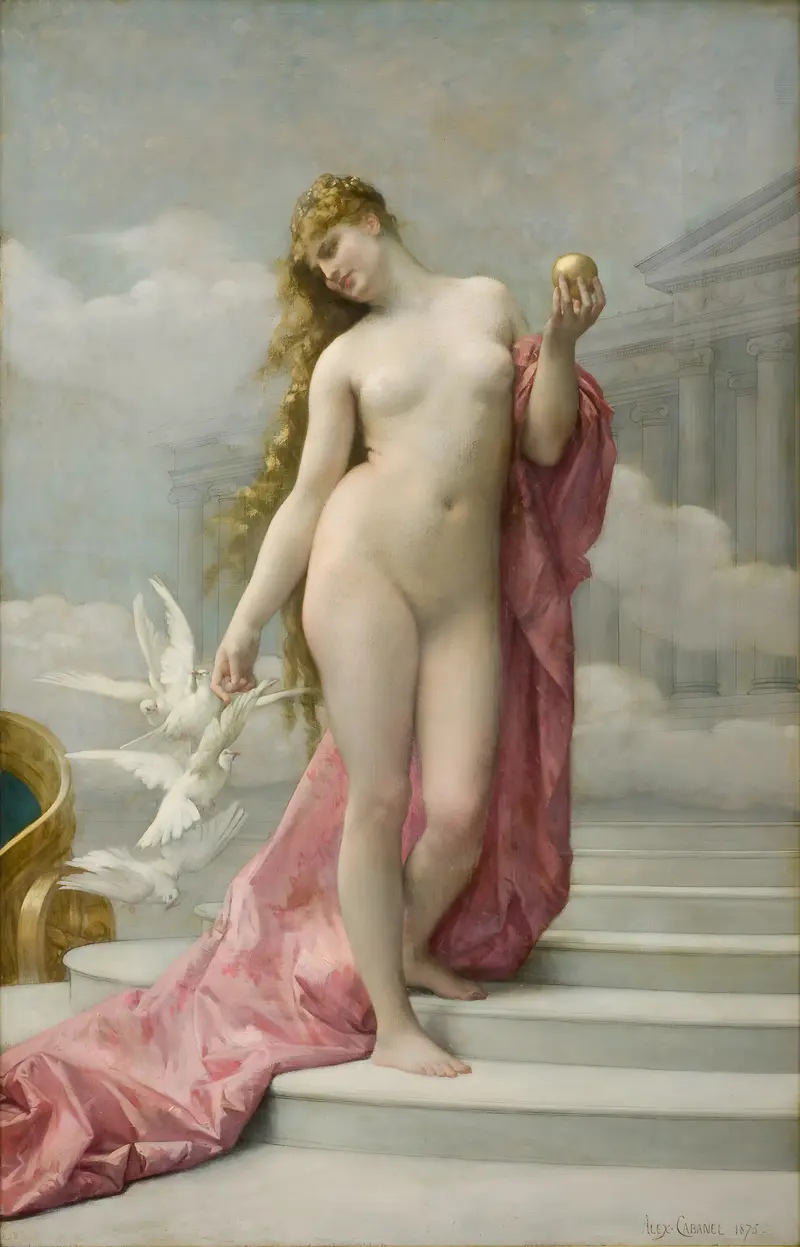
Vénus victorieuse
Alexandre Cabanel
Judith
Alexandre Cabanel
Catharine Lorillard Wolfe (1828–1887)
Alexandre Cabanel





