
Portrait of Prince Konstantin Gorchakov — History & Facts
When Portrait of Prince Konstantin Gorchakov was unveiled in 1868, it marked a rare moment: a celebrated French academic painter capturing the likeness of a Russian aristocrat at the height of Europe’s diplomatic ballet. The sitter, Prince Konstantin Gorchakov, was not only a prominent figure in Russian military and political circles, but also the nephew of the famed statesman Prince Alexander Gorchakov. This cross-cultural commission reflected the era’s fascination with cosmopolitan alliances, as well as the prestige attached to having one’s portrait painted by Alexandre Cabanel, the darling of the Paris Salon.
The portrait’s debut in St. Petersburg was reportedly attended by members of the imperial court, underscoring its significance as a symbol of Franco-Russian amity. Cabanel chooses a moment of poised stillness, presenting Prince Gorchakov in full regalia, his gaze direct yet reserved. The prince’s uniform, adorned with medals and a sash, speaks to his rank and recent achievements—perhaps alluding to his service in the diplomatic missions of the 1860s.
The subtle play of light across the sitter’s face and the precise rendering of fabrics recall Cabanel’s earlier Portrait of Countess de Keller, yet here the atmosphere is cooler, the background more austere, focusing all attention on the prince’s bearing. Unlike the psychological introspection found in Winterhalter’s portraits of Russian nobility, Cabanel emphasizes dignity and public persona, using the crispness of the brushwork to reinforce the sitter’s authority. While the exact journey of this painting after its completion is not fully documented, it is likely that the work remained in the Gorchakov family’s collection for several decades, as was customary for such commissioned portraits. Alexandre Cabanel was at the height of his career in the late 1860s, balancing official commissions with his role as a professor at the École des Beaux-Arts.
Today, Portrait of Prince Konstantin Gorchakov stands as a testament to the international reach of French academic portraiture in the nineteenth century, and to Cabanel’s reputation as the painter of Europe’s elite. Its current location in a public or private collection is not widely published, adding a note of intrigue to its story.
More Artworks by Alexandre Cabanel
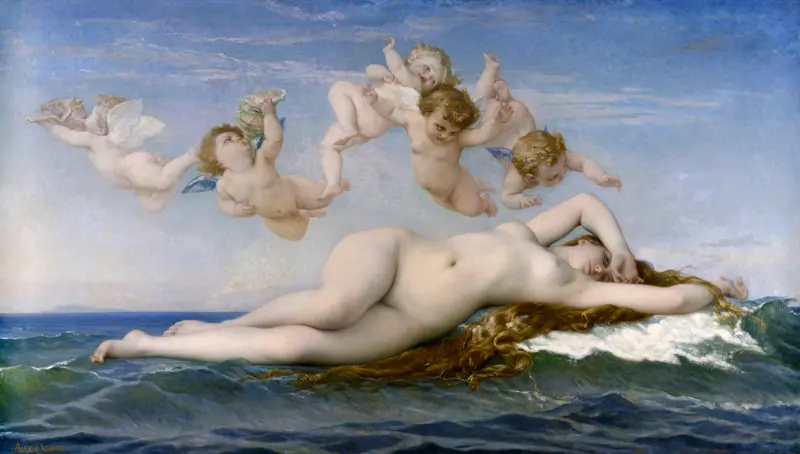
The Birth of Venus
Alexandre Cabanel
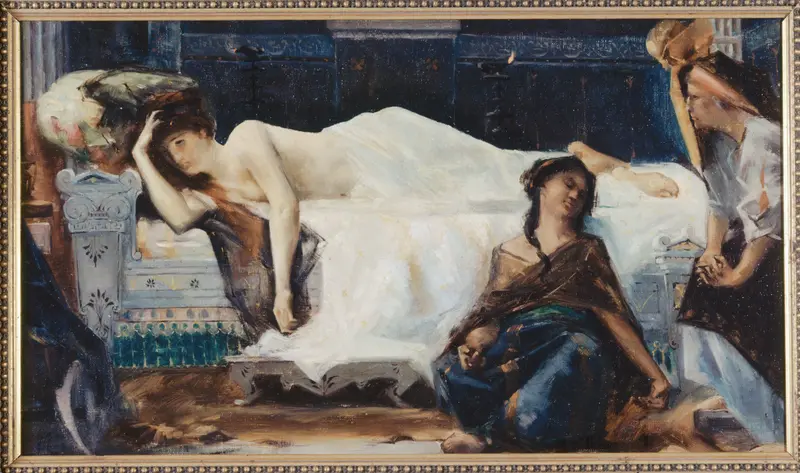
Phèdre
Alexandre Cabanel
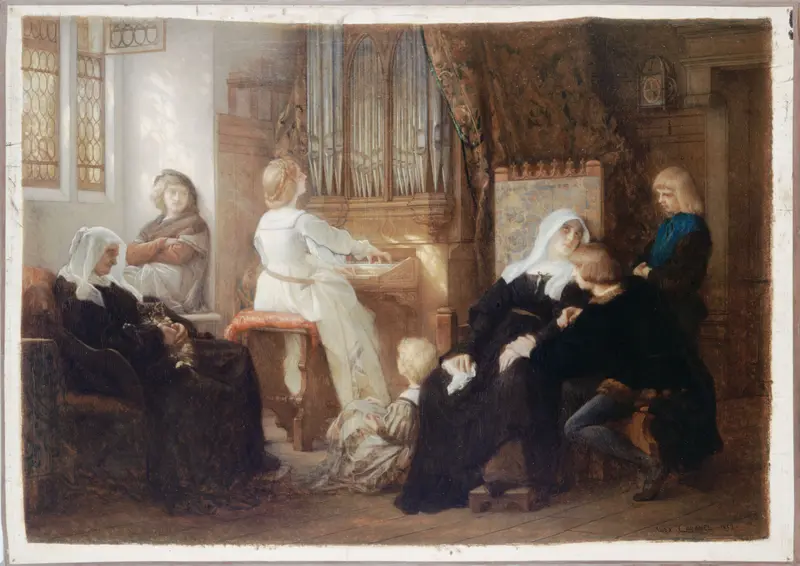
La veuve du maître de chapelle
Alexandre Cabanel
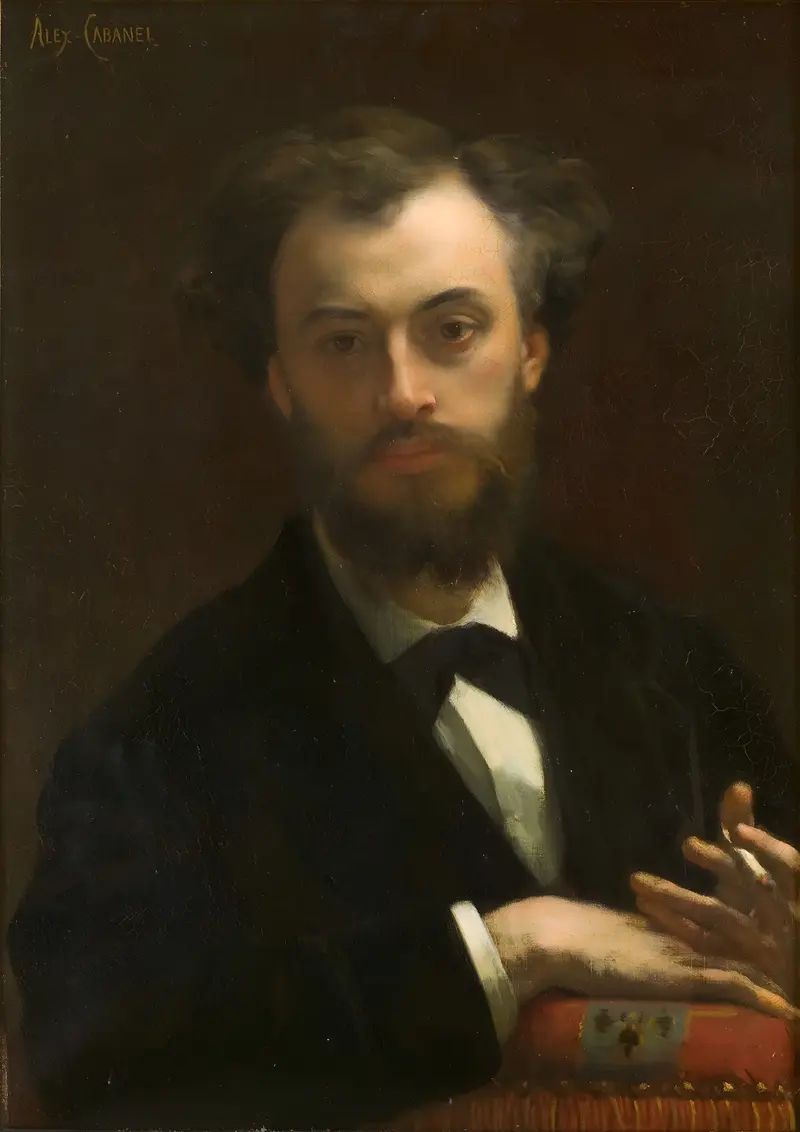
Portrait de M. Pierre Cabanel
Alexandre Cabanel
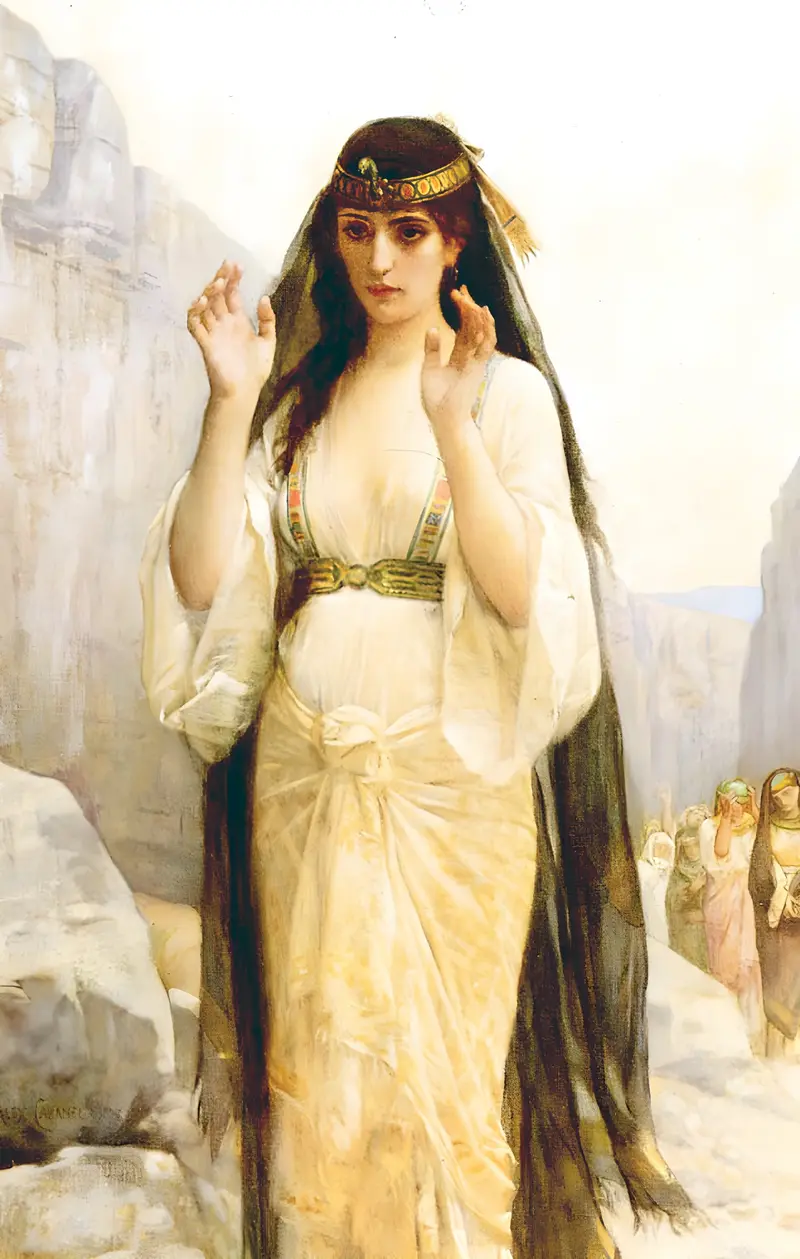
The Daughter of Jephthah
Alexandre Cabanel
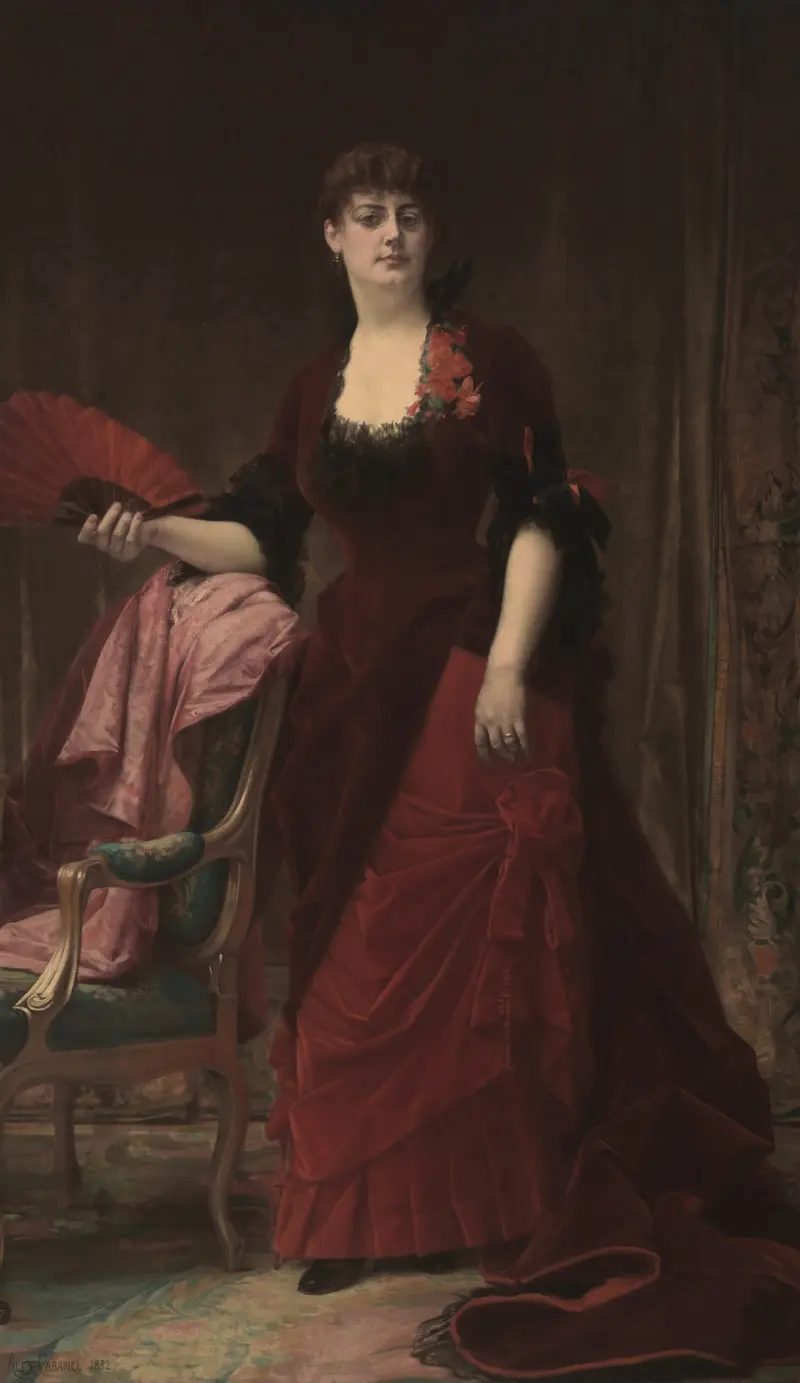
Portrait of Arabella Worsham (later Arabella Huntington)
Alexandre Cabanel
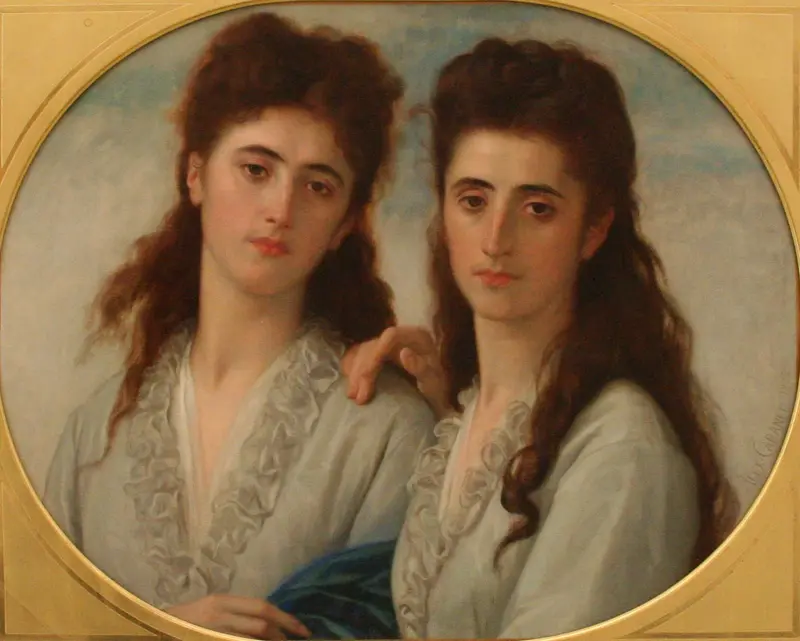
Portrait de mesdemoiselles Sophie et Berthe Cabanel
Alexandre Cabanel
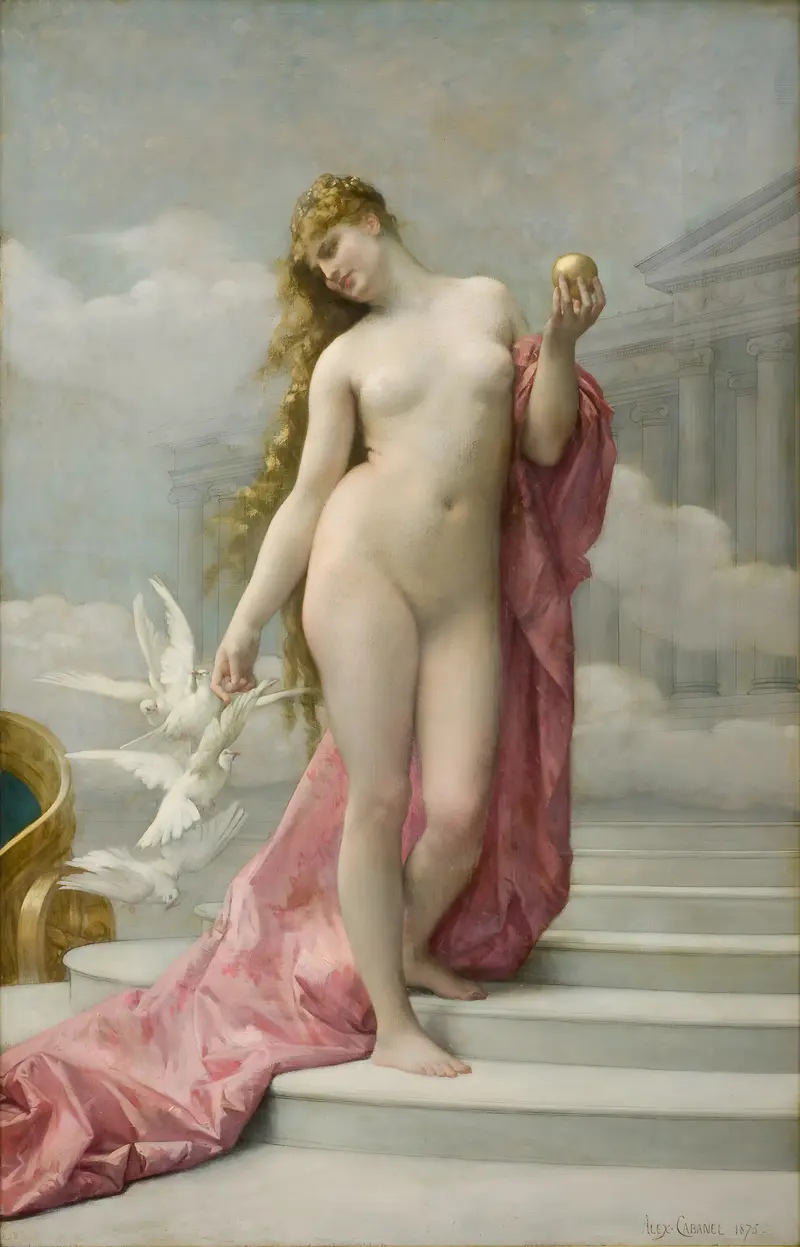
Vénus victorieuse
Alexandre Cabanel
Judith
Alexandre Cabanel
Catharine Lorillard Wolfe (1828–1887)
Alexandre Cabanel





