
Portrait of the Infante Don Carlos — History & Facts
A young man stands alone, facing forward, his body turned slightly to his left while his gaze meets the viewer directly. He wears a black costume with intricate grey braids, the dark fabric catching the light in subtle waves and folds across his doublet and sleeves. A thick gold chain, adorned with the badge of the Order of the Golden Fleece, drapes diagonally from his right shoulder to his left hip, its metallic sheen contrasting against the deep black of his attire.
His right hand hangs at his side, holding a single glove, while his left hand rests on a wide-brimmed black hat, which he grasps with brown-gloved fingers. The sitter’s face is pale and composed, framed by short, neatly styled hair and a stiff white collar that stands out against the darkness of his clothing. The background is an undefined, shadowy space, with the darkest tones enveloping the figure and heightening the sense of isolation and authority.
Light falls from the left, illuminating the sitter’s face, hands, and the highlights of his costume, while the lower part of his body and the background recede into shadow. The artist uses smooth, controlled brushwork, especially visible in the rendering of the sitter’s face and hands, while the costume’s textures are built up with more varied, almost sculptural strokes. Small details, such as the delicate lace at the cuffs and the subtle patterning of the black fabric, reward close inspection and reveal the painter’s attention to the materials and status of the subject.
The full-length composition places the figure slightly off-center, with a narrow strip of floor visible beneath his feet, anchoring him in space but leaving the setting ambiguous. Portrait of the Infante Don Carlos was painted by Diego Velázquez between circa 1626 and circa 1627, during the artist’s early years in Madrid. The sitter’s formal pose, rich attire, and the prominent display of the Golden Fleece emphasize his royal status and the dignity of his position within the Spanish court. The painting is recognized as a portrait, a genre in which Velázquez excelled, and it depicts both the likeness and the symbolic attributes of Infante Carlos, including the chain of the Golden Fleece.
Sources: Museo del Prado, record P001188 · Wikidata Q3399483 · Wikipedia: Portrait of the Infante Don Carlos · Image source (Wikimedia Commons)
More Artworks by Diego Velázquez

Las Meninas
Diego Velázquez
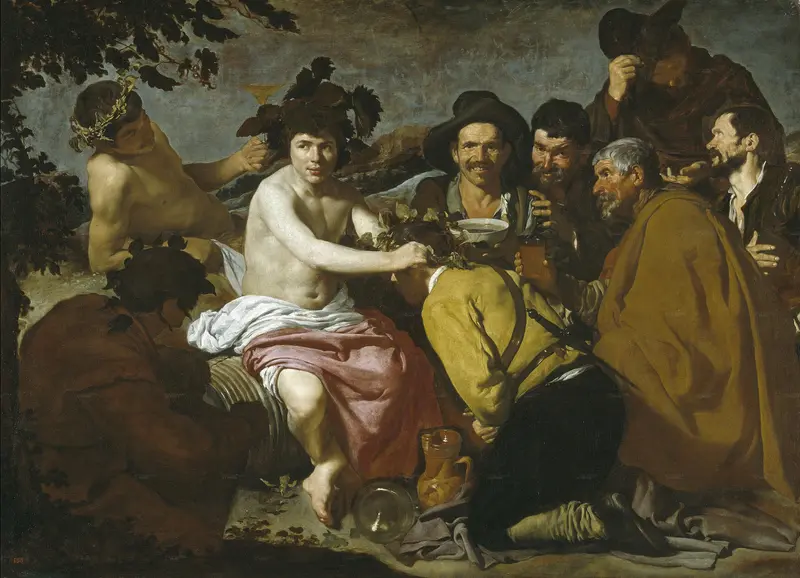
The Triumph of Bacchus
Diego Velázquez
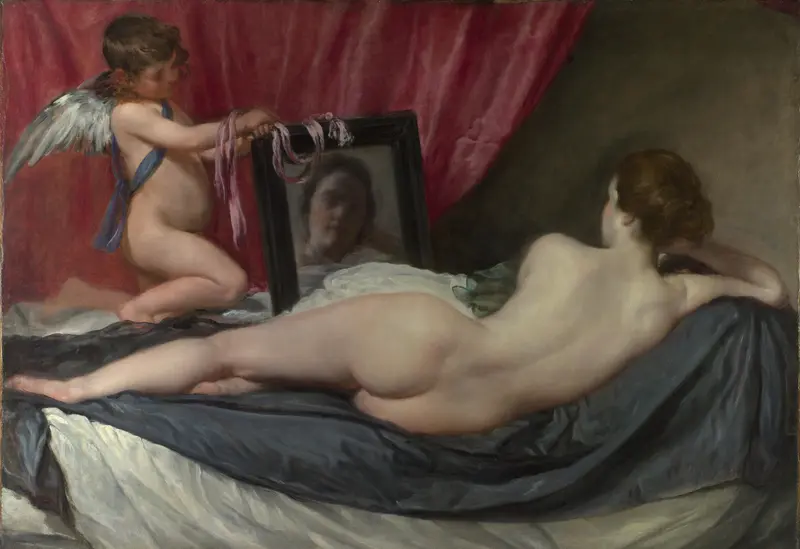
Rokeby Venus
Diego Velázquez
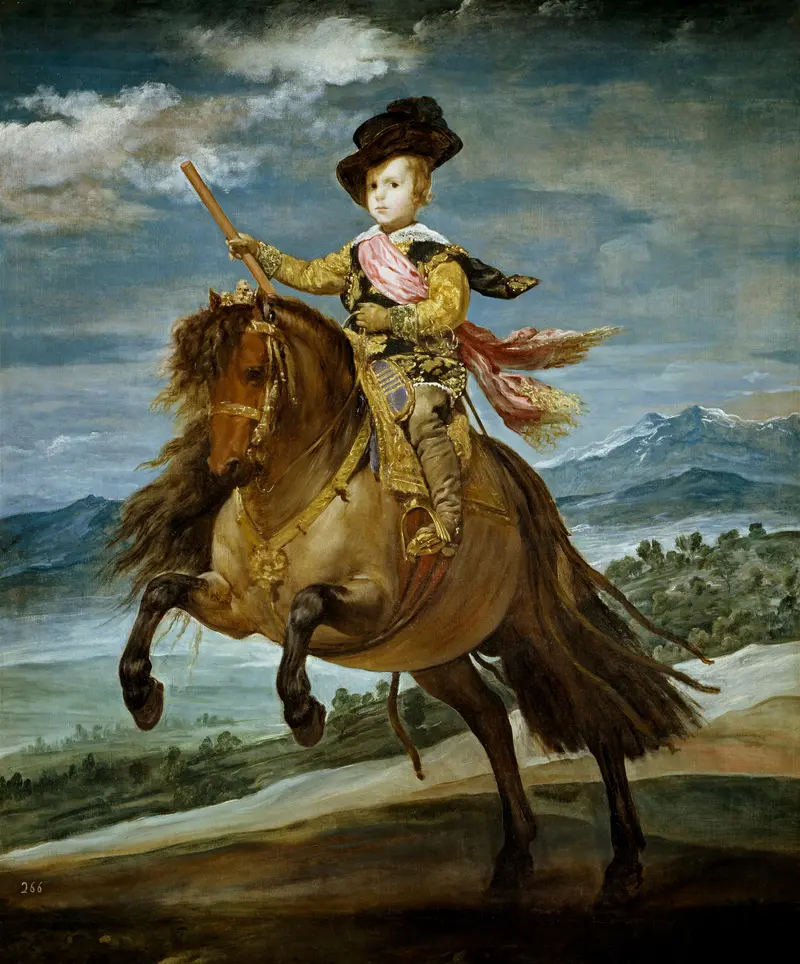
Equestrian Portrait of Prince Balthasar Charles
Diego Velázquez
Bacchus
Diego Velázquez
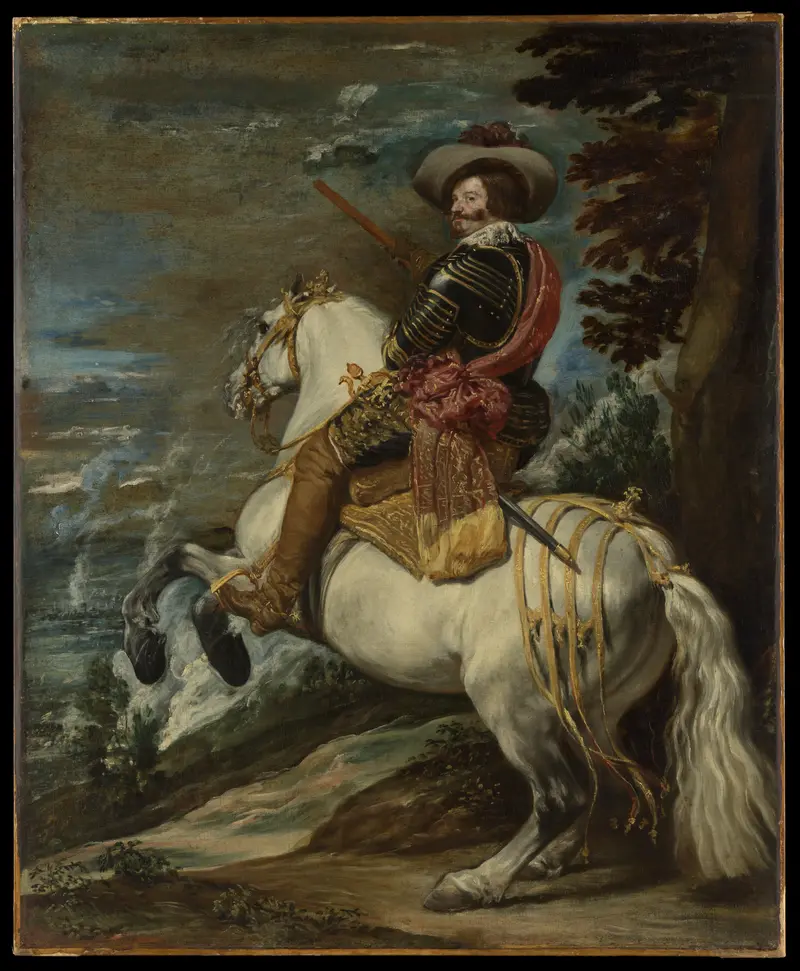
Don Gaspar de Guzmán (1587–1645), Count-Duke of Olivares
Diego Velázquez
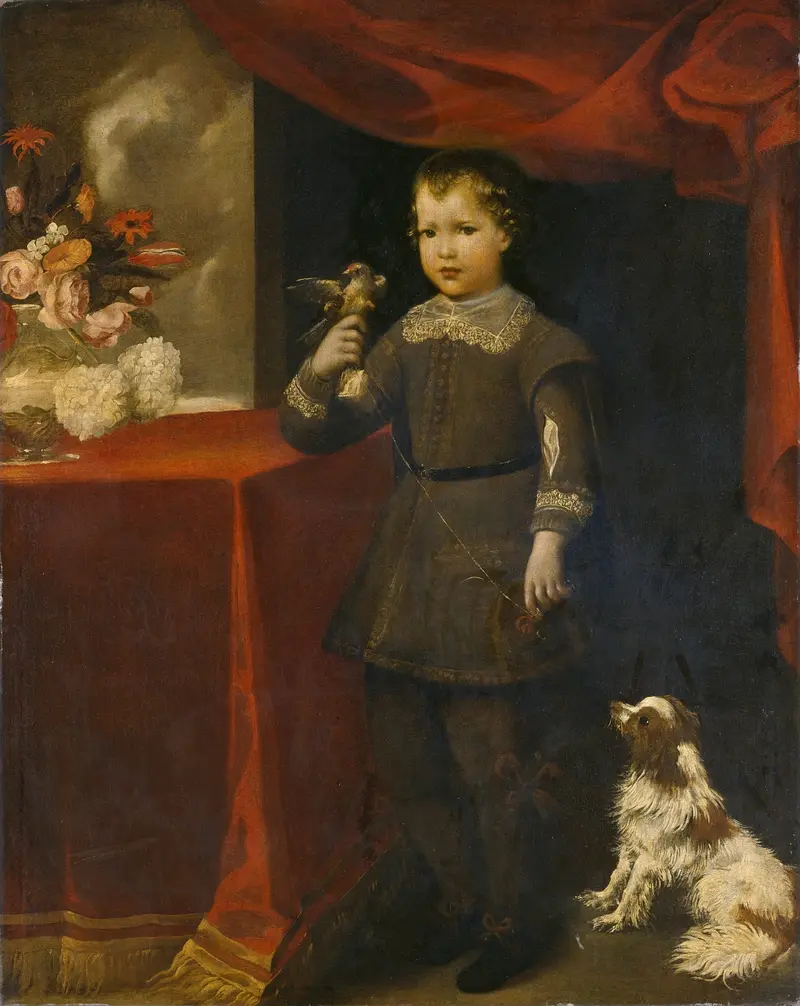
El príncipe Baltasar Carlos de Austria
Diego Velázquez
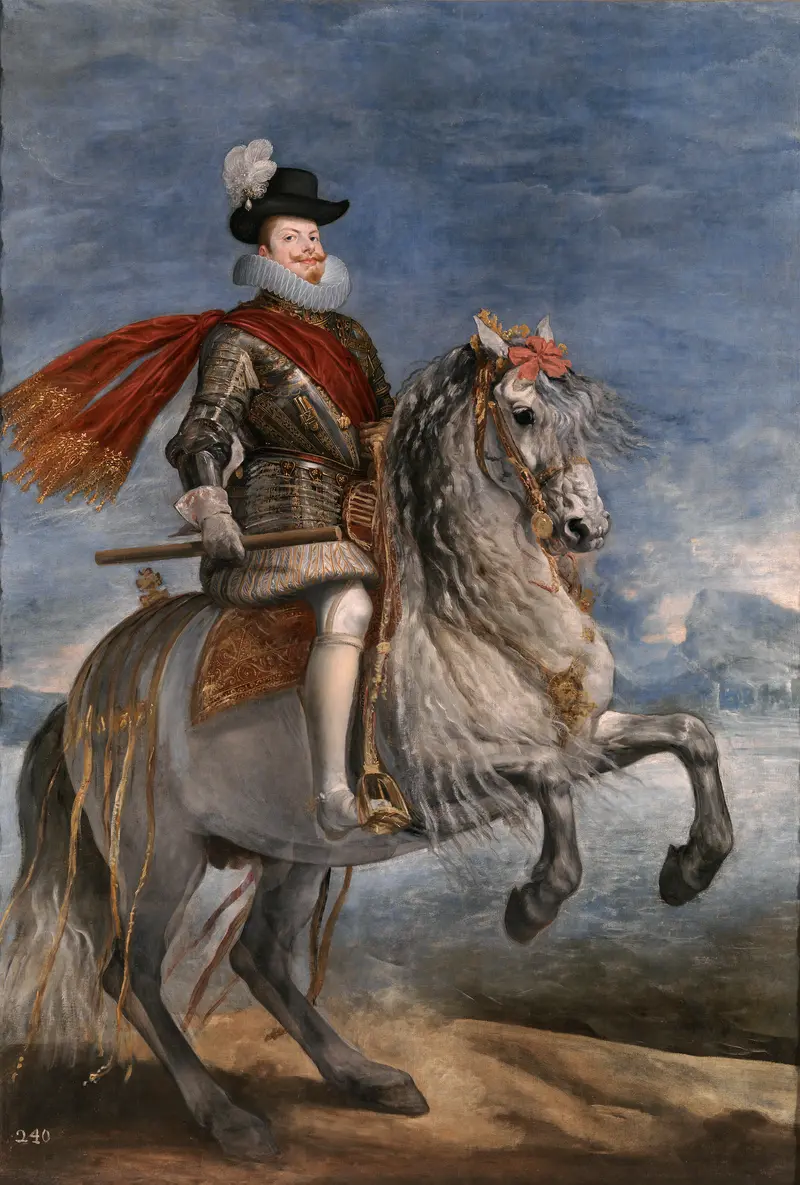
Equestrian Portrait of Philip III
Diego Velázquez
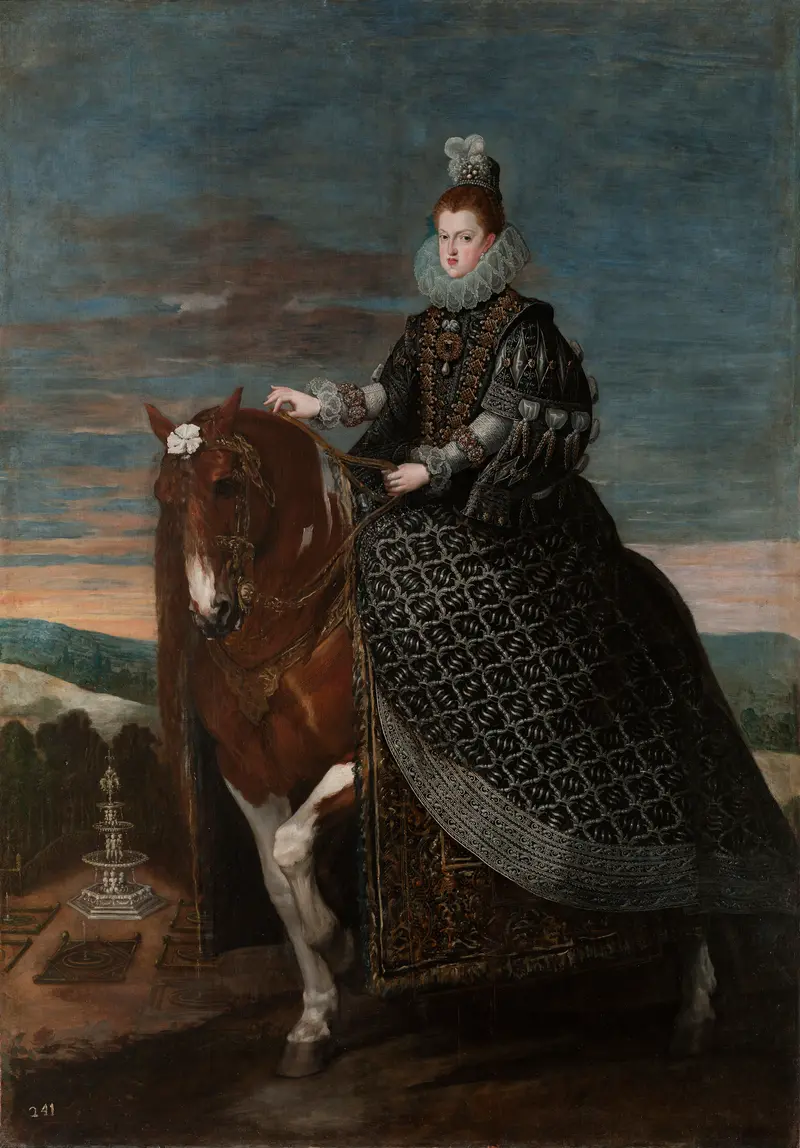
Equestrian Portrait of Margarita of Austria
Diego Velázquez
Las Hilanderas
Diego Velázquez




