
Portrait Study of a Youth — History & Facts
When Théodore Géricault painted Portrait Study of a Youth in 1819, he was fresh from the storm of controversy that surrounded his monumental The Raft of the Medusa. This smaller, more intimate work stands in sharp contrast to the grand history paintings that made his name, and its subject remains a mystery—no surviving records identify the sitter. The painting is often discussed among scholars as a rare glimpse into Géricault’s private practice, possibly a study for a lost or unrealized larger composition.
Its immediacy and psychological depth have led some to speculate that it may even be a self-portrait in disguise. The youth in the painting meets the viewer’s gaze with an uncertain, almost wary expression. Géricault’s brushwork is loose and searching, capturing not merely the features but the fleeting mood of his subject. The darkness surrounding the figure throws the face into sharp relief, a technique reminiscent of Caravaggio’s dramatic use of light and shadow.
Unlike the formal, idealized portraits of his contemporaries, Géricault’s study feels raw and unguarded, as if we have interrupted a private moment. The lack of costume or background detail strips away social context, focusing all attention on the sitter’s inner life. The precise provenance of Portrait Study of a Youth is unclear, as is often the case with Géricault’s lesser-known works. It likely remained in private hands for much of the nineteenth century, surfacing only as interest in the Romantic movement revived in the early twentieth century.
Today, the painting is valued as a key example of Géricault’s innovative approach to portraiture, bridging the gap between academic tradition and the emotional directness that would define Romanticism. Its unfinished quality and uncertain origins continue to invite fresh interpretations from viewers and scholars alike.
More Artworks by Théodore Géricault
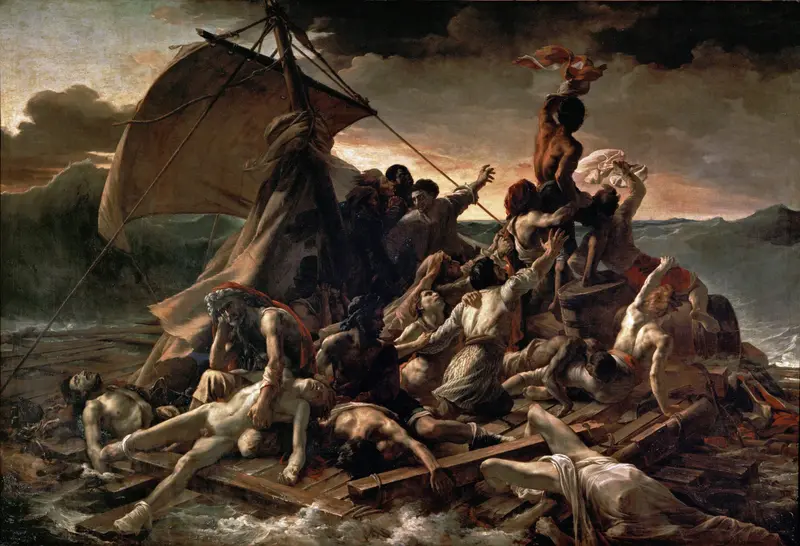
The Raft of the Medusa
Théodore Géricault

Géricault - Le naufrage du radeau de la Méduse, MBA 790
Théodore Géricault
Cattle Market
Théodore Géricault
Evening; Landscape with an Aqueduct
Théodore Géricault
Horse Race
Théodore Géricault

Horses Standing in a Mews
Théodore Géricault
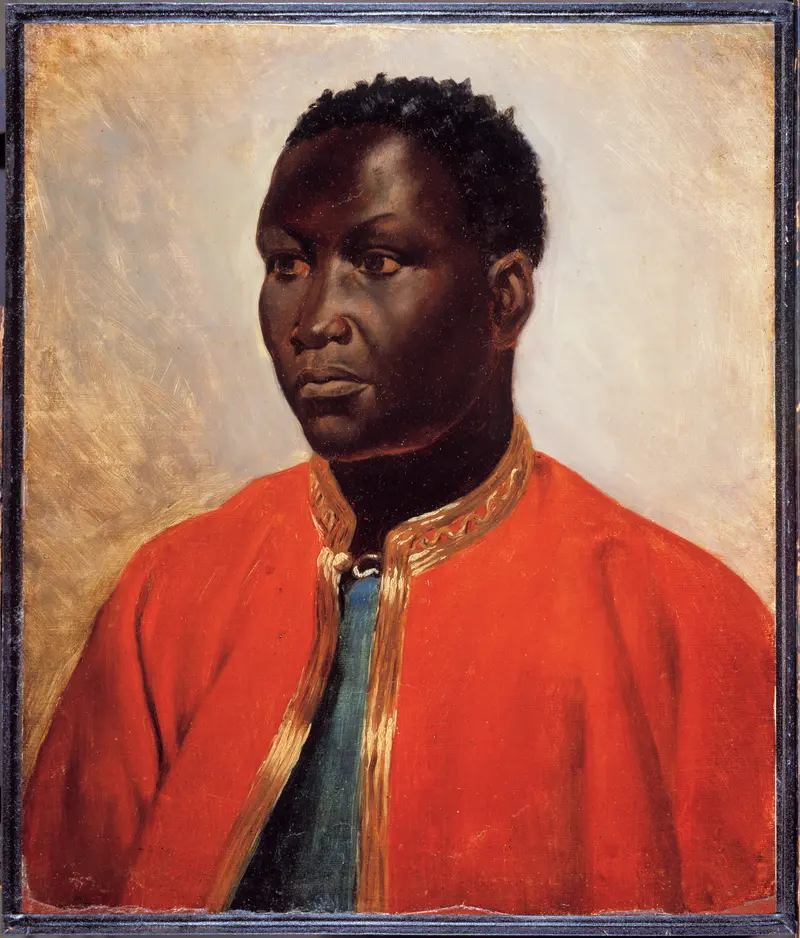
Portrait of a Negro
Théodore Géricault
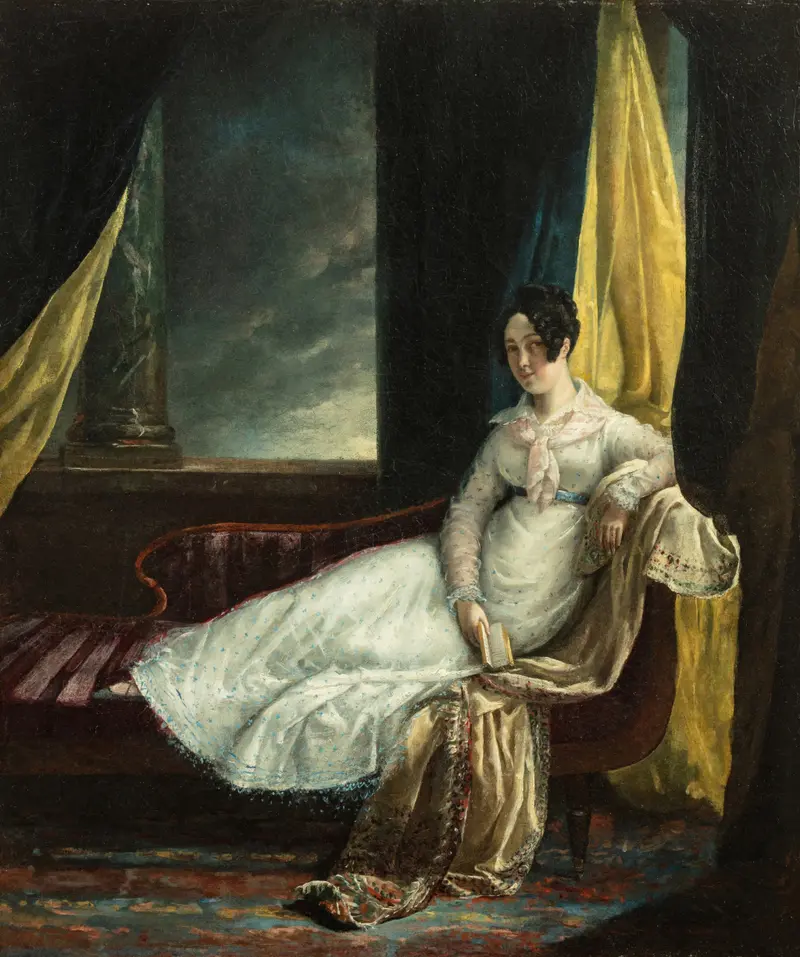
Portrait of Zoë Elmore
Théodore Géricault
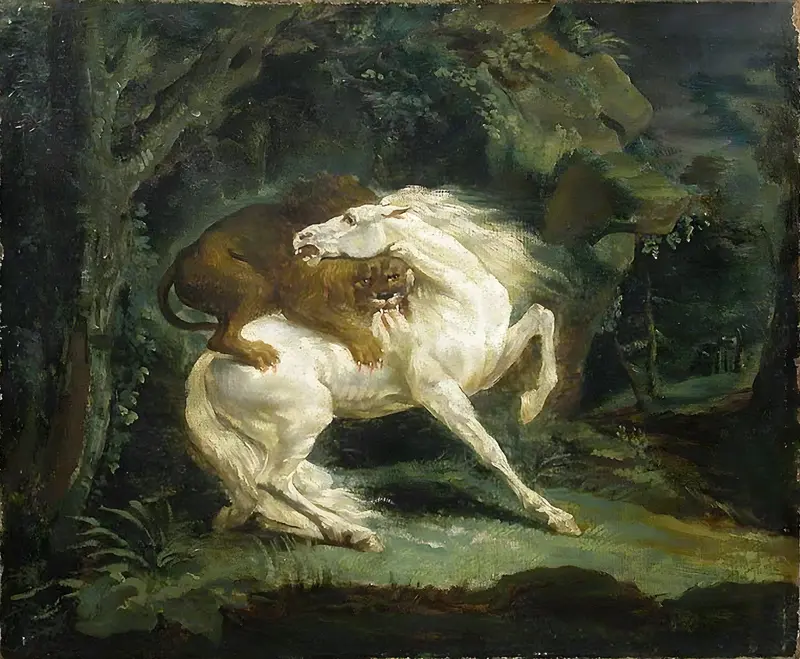
Cheval attaqué par un lion
Théodore Géricault
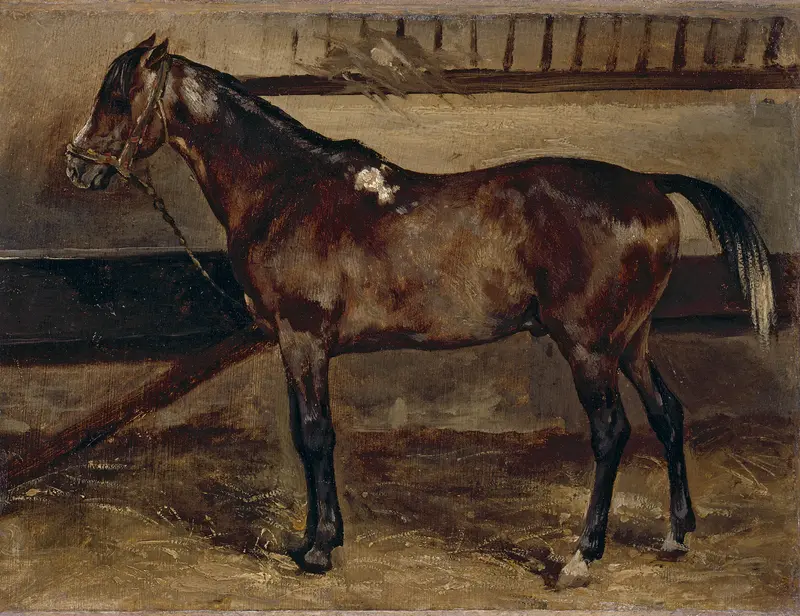
Cheval brun à l'écurie
Théodore Géricault





