
Porträt der Theresa, Gräfin Kinsky — History & Facts
What first draws the eye in Porträt der Theresa, Gräfin Kinsky is the confident, almost conversational poise of the sitter. She stands outdoors, her gaze meeting the viewer’s with a gentle directness, as if pausing mid-stroll to greet an old friend. The painter, Elisabeth Louise Vigée Le Brun, frames her subject with a cascade of golden fabric that echoes both the warmth of the late-day sky and the sitter’s own auburn curls.
The delicate coral necklace and the sheer white sash, embroidered at the ends, are not merely ornaments—they are signals of refinement, wealth, and a taste for the fashionable neoclassicism sweeping Europe in the 1790s. The soft light caresses her face, lending it a living warmth, while the subtle play of shadow on her dress and the landscape behind her draws the viewer into a world balanced between elegance and nature. Painted in 1793, this portrait belongs to a moment of profound change in European society and art. Portraits like this, especially by women artists such as Vigée Le Brun, were prized by aristocratic patrons eager to assert their status and individuality in an era of political upheaval.
The Countess Kinsky’s attire and setting reflect the new sensibility of the age: a blend of classical inspiration and personal expression, far from the rigid formality of earlier court portraiture. Though the specific history of this painting is little recorded, its survival in the Norton Simon collection today is a testament to the enduring appeal of both sitter and artist. Let your eyes return to the painting, and notice how every detail—gesture, fabric, light—speaks of a world on the cusp of revolution, yet still holding fast to beauty.
More Artworks by Elisabeth Louise Vigée Le Brun
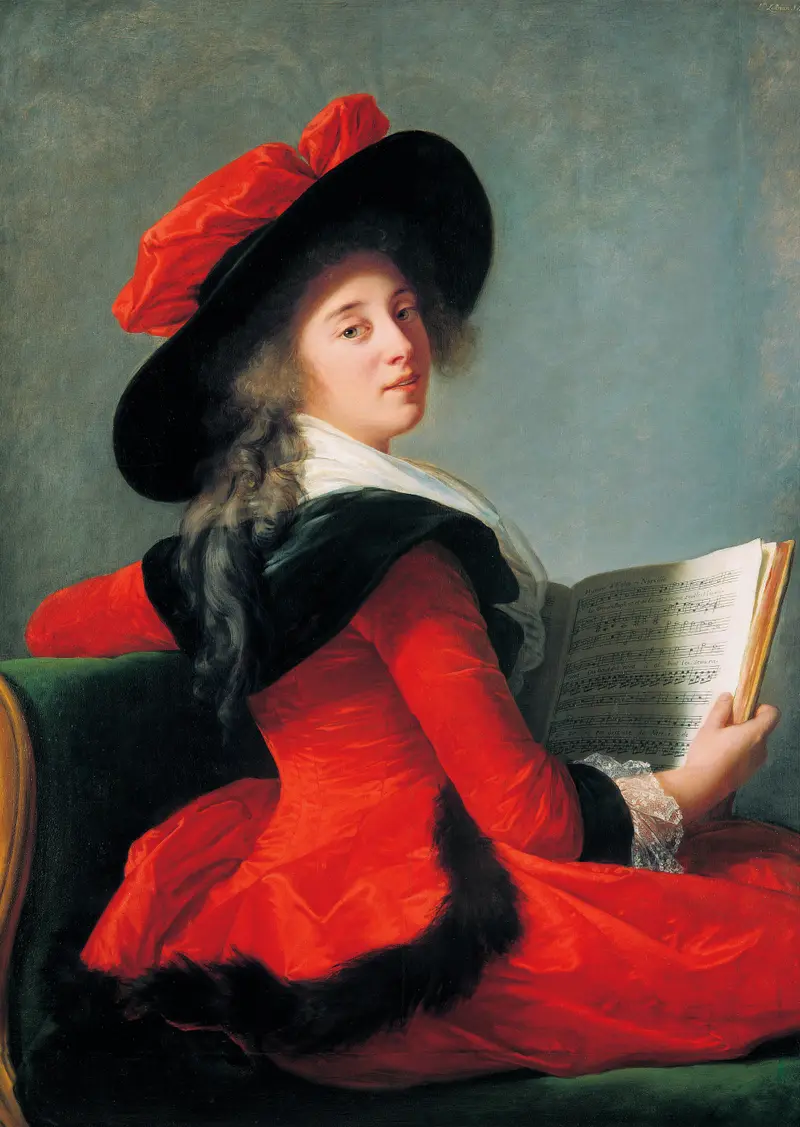
Baronne de Crussol
Elisabeth Louise Vigée Le Brun
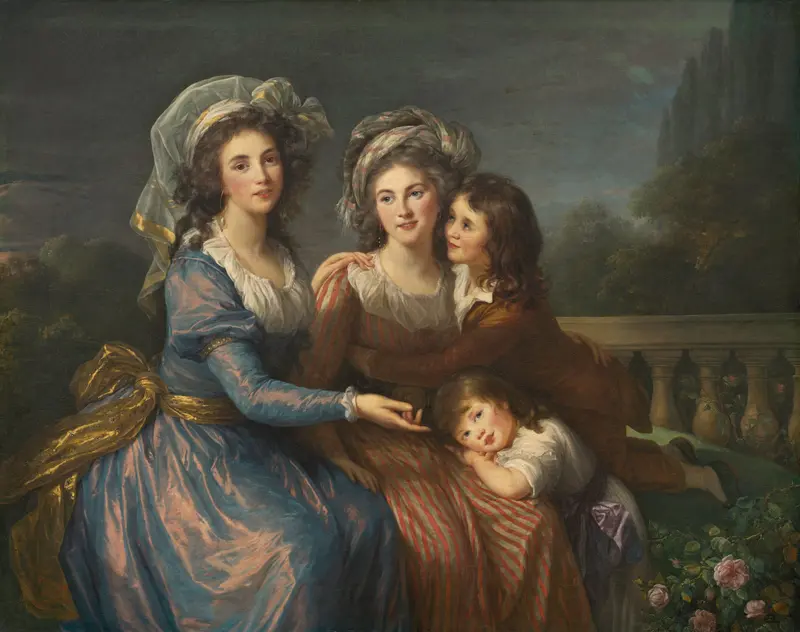
The Marquise de Pezay, and the Marquise de Rougé with Her Sons Alexis and Adrien
Elisabeth Louise Vigée Le Brun

Giuseppina Grassini Playing Zaire
Elisabeth Louise Vigée Le Brun
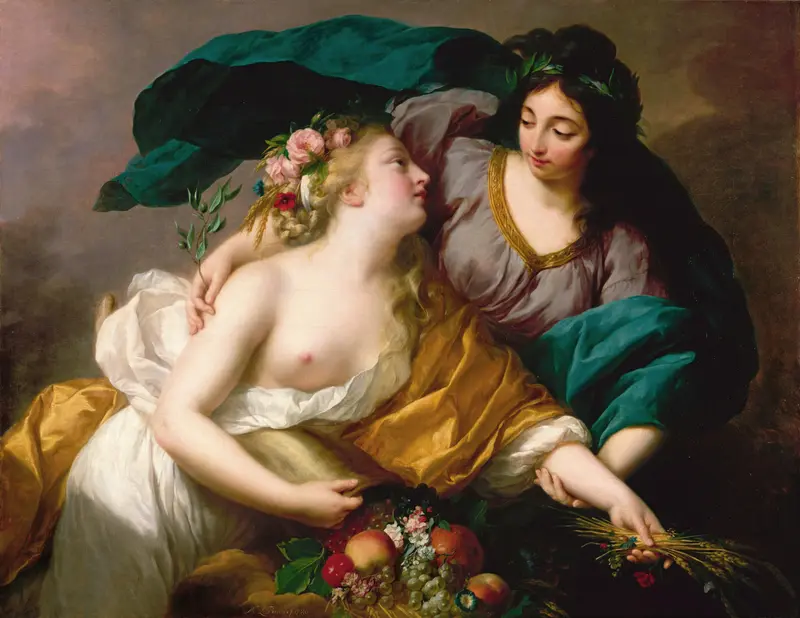
Peace bringing back Prosperity
Elisabeth Louise Vigée Le Brun
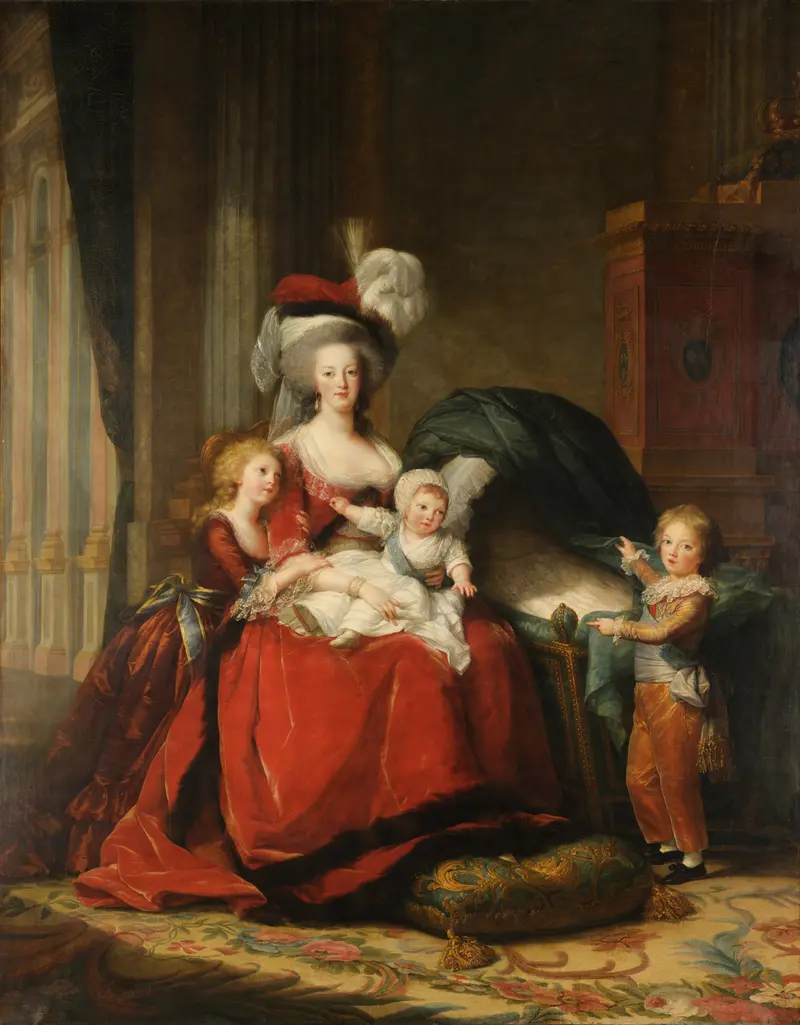
Marie Antoinette and Her Children
Elisabeth Louise Vigée Le Brun
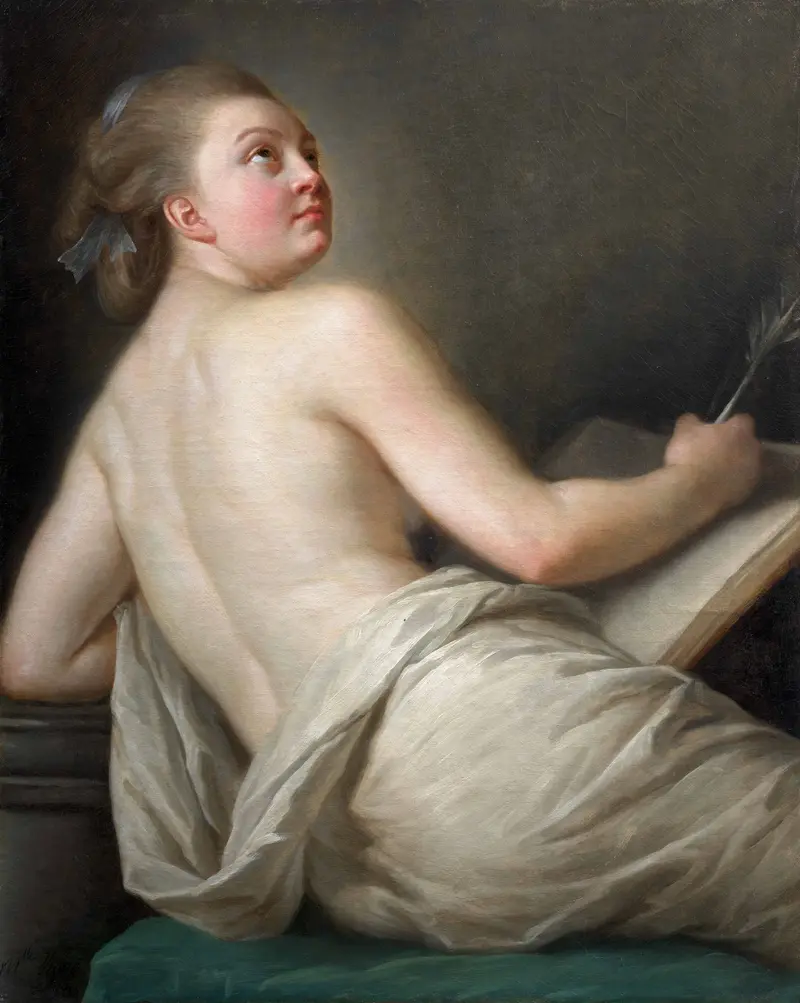
Allegory of Poetry
Elisabeth Louise Vigée Le Brun
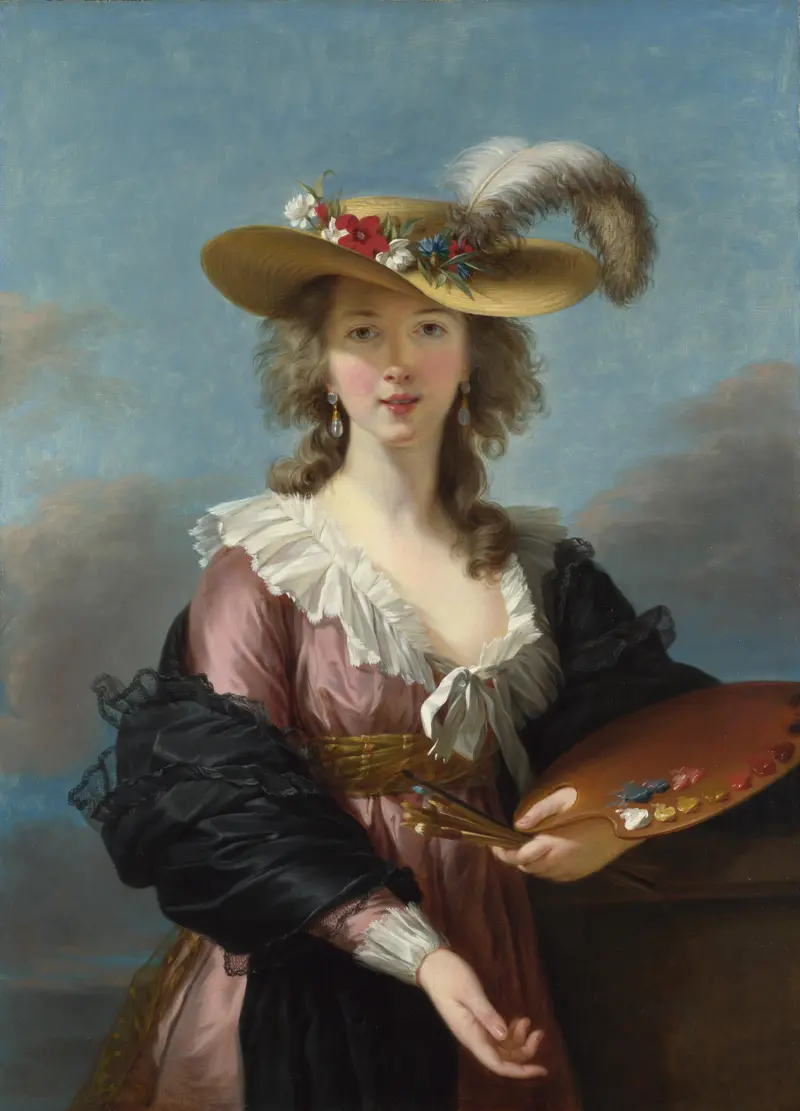
Self Portrait in a Straw Hat
Elisabeth Louise Vigée Le Brun
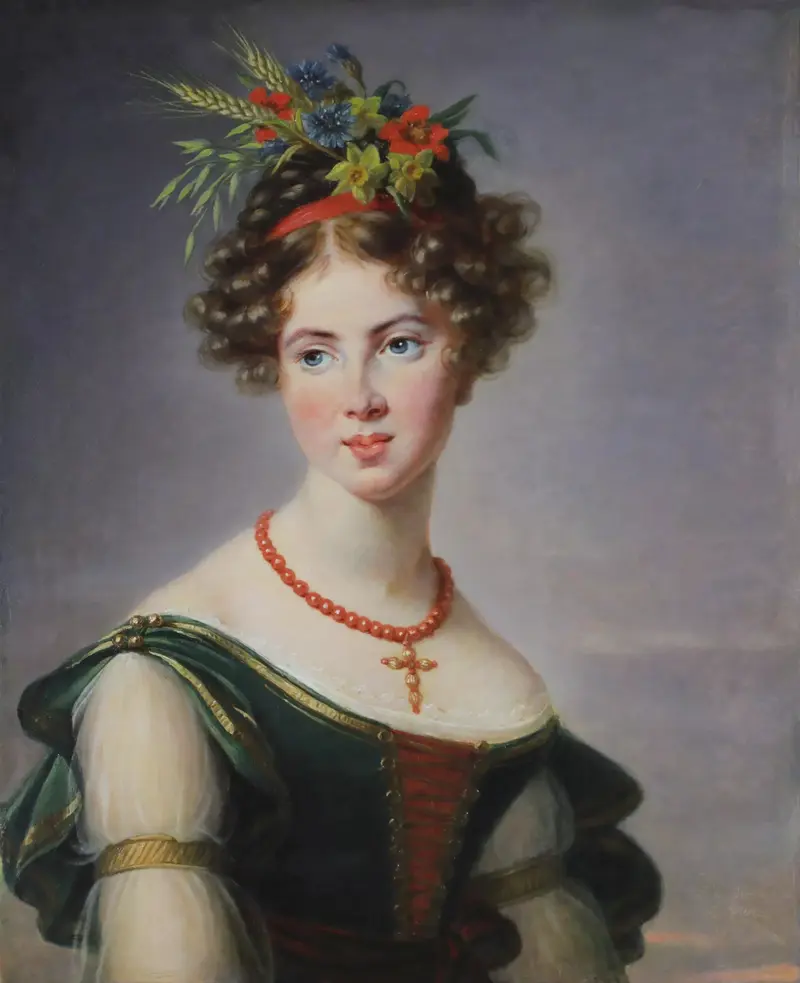
Portrait de la comtesse de Baussancourt, par Élisabeth Vigée Le Brun
Elisabeth Louise Vigée Le Brun

Hubert Robert
Elisabeth Louise Vigée Le Brun
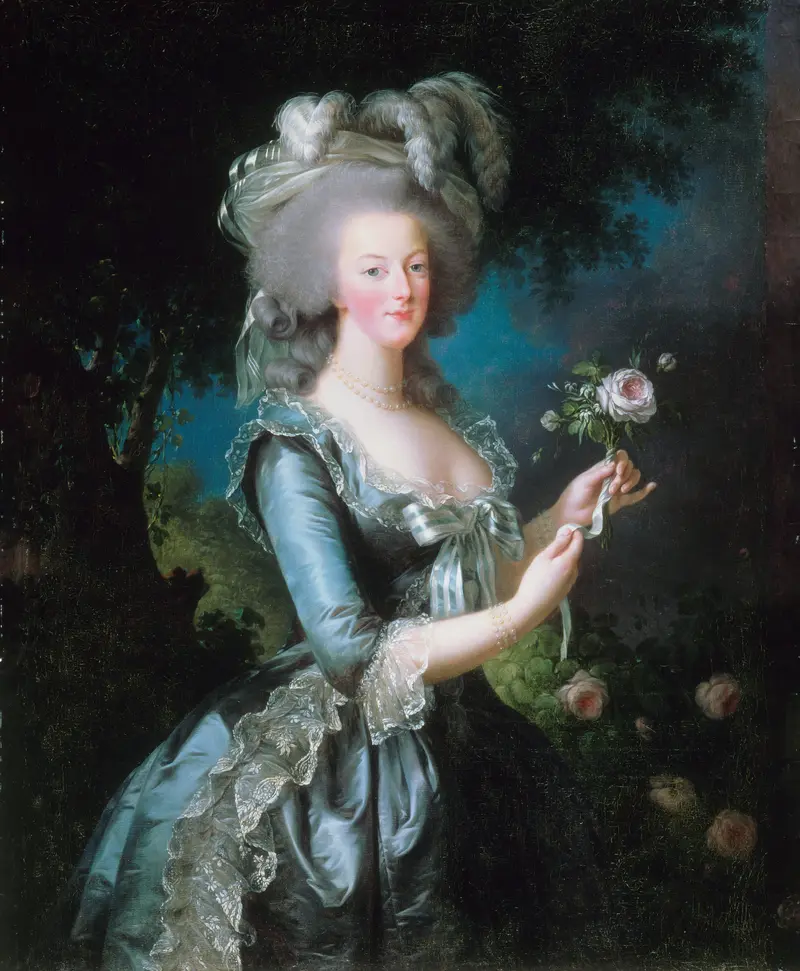
Marie Antoinette with a Rose
Elisabeth Louise Vigée Le Brun





